The backhand volley remains one of pickleball's most misunderstood and inconsistently executed shots. While most players believe they're varying their technique, they're often using identical mechanics for completely different scenarios.
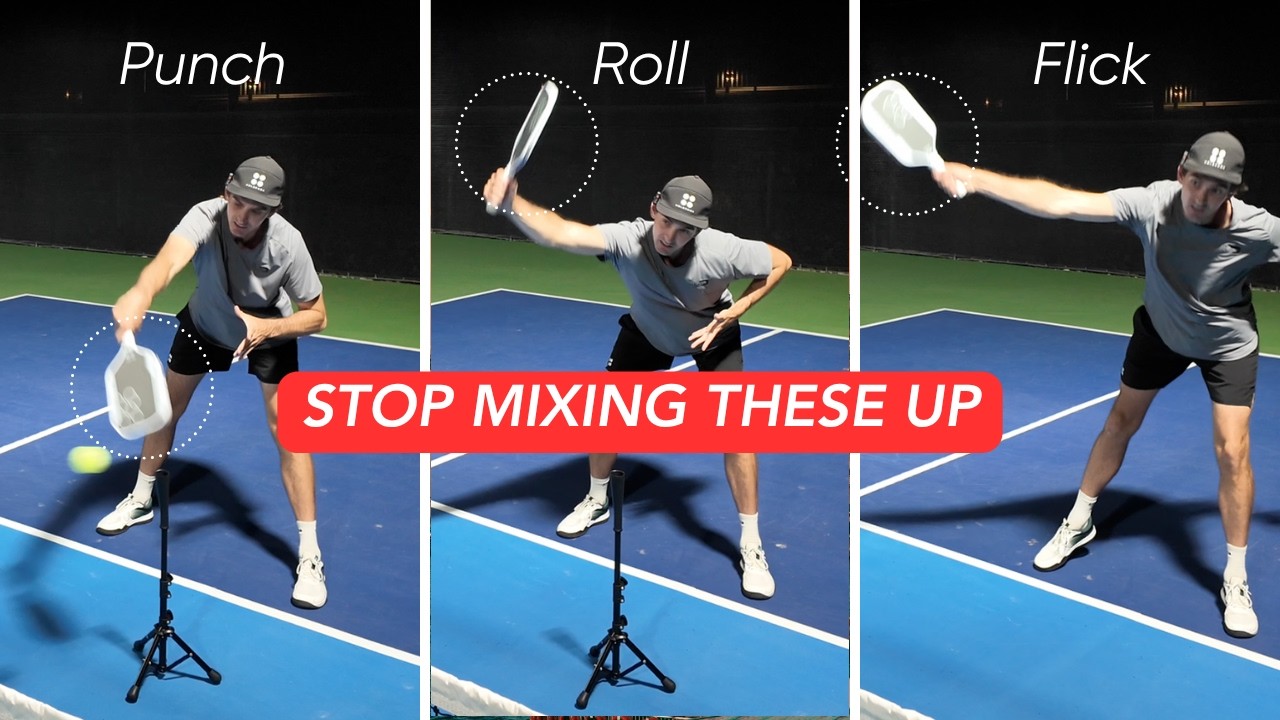
This confusion leads to inconsistent results, missed opportunities, and frustration during competitive play. The solution lies in recognizing that the backhand volley encompasses three distinct shots: the punch, flick, and roll.
Understanding the Three Backhand Volley Variations
According to pickleball biomechanics expert Dr. Michael Oakson, each backhand volley type serves a specific purpose and requires unique positioning, grip, and execution. Mastering these differences transforms an unreliable shot into a tactical weapon.
The Punch Volley: Power and Placement
The punch volley delivers aggressive offensive power when you need to finish points or apply pressure. This shot works best when the ball arrives at chest height or higher, giving you optimal leverage and angle opportunities.
Key mechanics include:
- Firm grip pressure with continental or eastern backhand grip
- Short, compact backswing with minimal wrist movement
- Forward weight transfer through contact
- Solid follow-through toward your target
- Contact point slightly in front of your body
The punch volley excels at putting away high balls and creating sharp angles that force opponents into defensive positions.
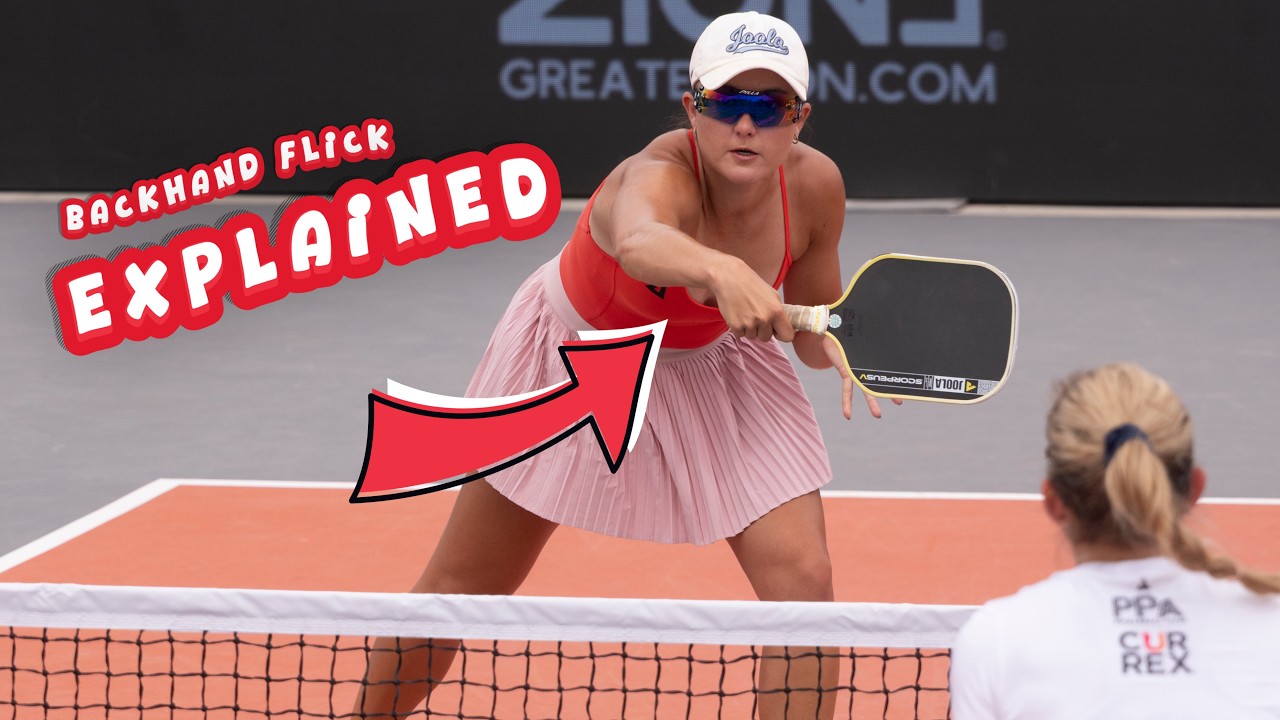
The Flick Volley: Finesse and Direction
When precision matters more than power, the flick volley provides exceptional control and placement options. This technique shines during soft exchanges and when redirecting pace rather than generating it.
Essential elements:
- Relaxed grip with slight continental adjustment
- Minimal backswing focusing on wrist positioning
- Quick snap through contact using forearm rotation
- Abbreviated follow-through
- Contact at various heights depending on ball trajectory
The flick volley allows for last-second direction changes and works particularly well against hard-hit balls where you're absorbing and redirecting energy.
The Roll Volley: Spin and Safety
The roll volley combines topspin with controlled pace, making it ideal for maintaining rally consistency while staying aggressive. This shot provides a safety margin through its arc and spin characteristics.
Technical components:
- Modified grip allowing for wrist flexibility
- Low-to-high swing path creating topspin
- Brushing contact rather than solid impact
- Extended follow-through over the ball
- Contact point varies based on desired spin amount
This variation excels when you need to clear the net with margin while maintaining offensive positioning.
Strategic Applications for Each Shot Type
Understanding when to deploy each volley type separates advanced players from intermediate ones. Context determines selection more than personal preference.
Situational Shot Selection
Use the punch volley when opponents provide attacking opportunities through high balls or weak returns. This shot works best during transition play and when you have time to set up properly.
Deploy the flick volley during fast exchanges where reaction time is limited. It's particularly effective against hard-driven balls and when court positioning favors placement over power.
Choose the roll volley when maintaining rally control while staying offensive. This shot provides consistency during extended exchanges and helps establish favorable positioning.
Common Technical Mistakes
Most backhand volley inconsistencies stem from using inappropriate techniques for specific situations. Players often default to one familiar motion regardless of ball characteristics or tactical requirements.
Avoid these frequent errors:
- Using identical grip pressure across all three shots
- Maintaining the same contact point regardless of shot type
- Following through identically for different objectives
- Ignoring ball pace when selecting technique
- Forcing power when placement would be more effective
Practice Progression for Mastery
Developing reliable backhand volleys requires systematic practice focusing on technique differentiation. Start by isolating each shot type before combining them in realistic scenarios.
Begin with stationary practice, emphasizing proper mechanics for each variation. Progress to moving drills that require quick shot selection and execution under pressure.
FAQ
Which backhand volley should beginners focus on first?
New players should master the punch volley initially, as it provides the most straightforward mechanics and clear feedback. Once comfortable, add the flick volley for defensive situations, then incorporate the roll volley for advanced play.
How do I know which shot to use during fast exchanges?
Ball height and pace determine selection. High, slower balls favor punch volleys, while fast, low balls work better with flick volleys. Roll volleys suit medium-paced balls where you want to maintain offense with safety.
Can I use the same grip for all three volley types?
While possible, slight grip adjustments optimize each shot. The continental grip works for punch volleys, while minor variations toward eastern backhand enhance flick and roll volleys depending on desired spin and control.