The difference between good pickleball players and great ones often comes down to one critical skill: knowing when and how to step into dinks at the kitchen line. While most recreational players remain planted at the non-volley zone, waiting to react to whatever comes their way, elite players are constantly moving forward, creating angles, and forcing their opponents into defensive positions.
Stepping in on dinks isn't about hitting harder—it's about positioning yourself to control the rally and dictate the pace of play. This tactical approach transforms you from a passive participant into an aggressive court controller.
The Psychology Behind Stepping In
When you step into the kitchen on a dink, you're doing more than just changing your court position. You're applying psychological pressure that forces your opponents to make quick decisions under duress. The visual of an opponent moving closer creates urgency and often leads to rushed shots and unforced errors.
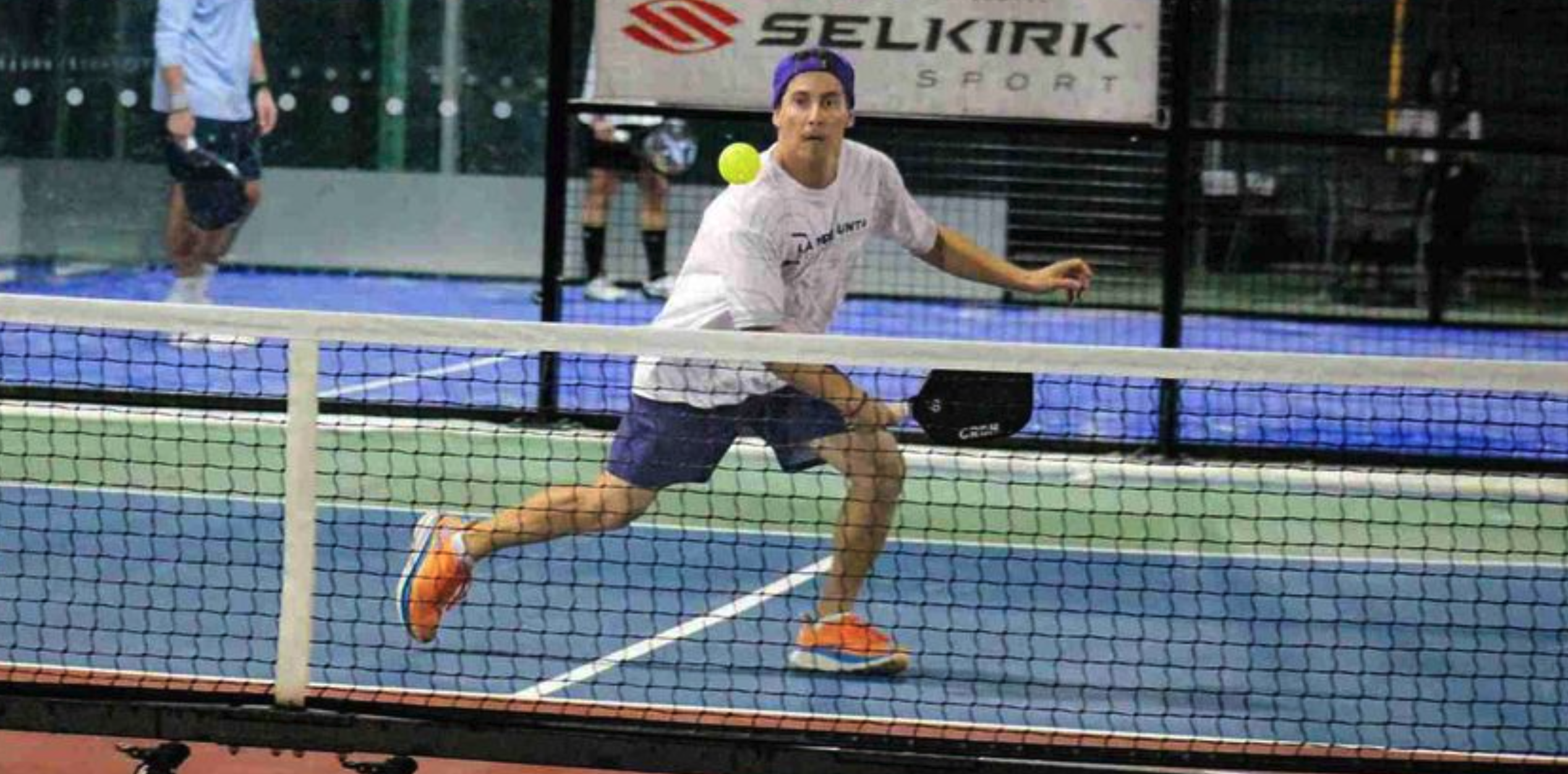
This forward movement also opens up previously unavailable angles. By closing the distance between you and the net, you can direct balls to areas of the court that become difficult or impossible for your opponents to defend effectively.
Timing Your Forward Movement
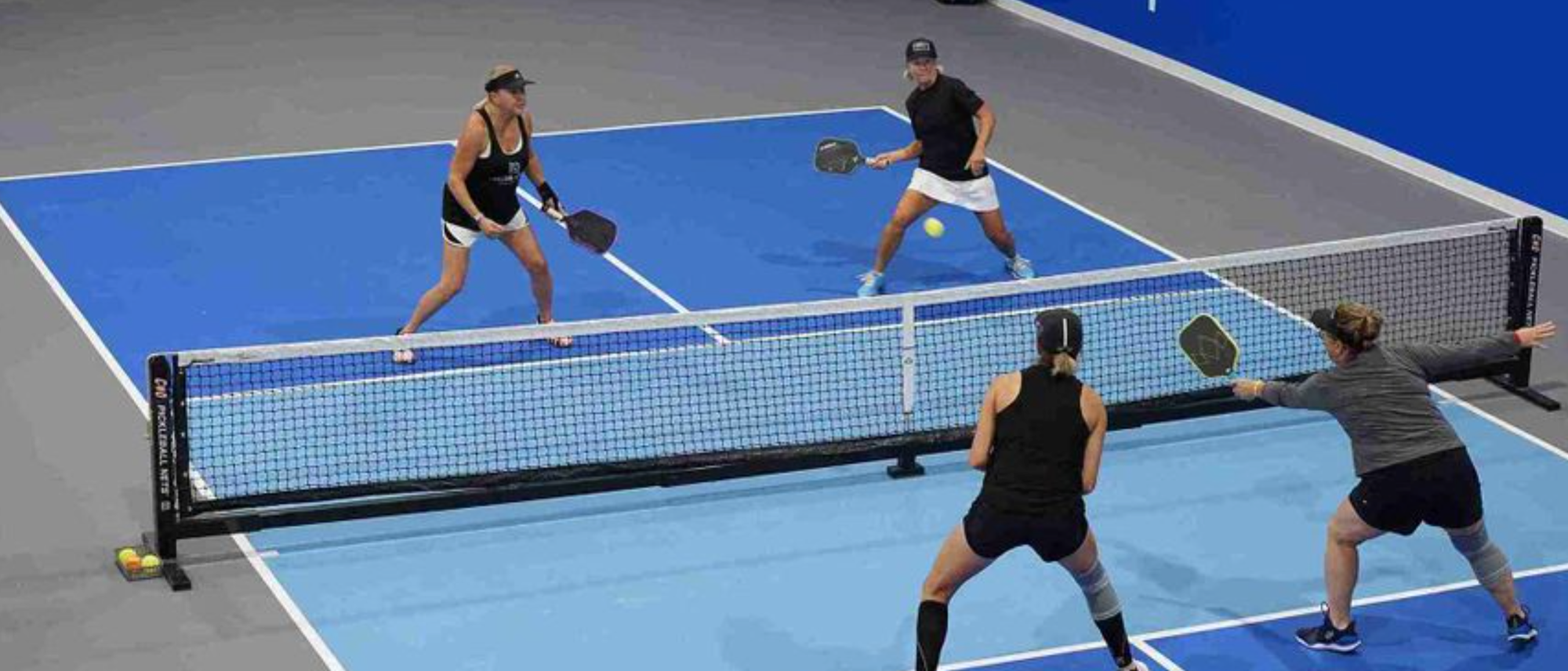
The key to successful step-in dinking lies in reading the incoming ball and timing your movement perfectly. Look for these optimal opportunities:
High Dinks
When your opponent hits a dink that rises above net level, this is your signal to move forward. The higher trajectory gives you extra time to position yourself while also providing a better angle for an attacking dink.
Short Dinks
Balls that land close to the net create natural stepping-in opportunities. These shots require you to move forward anyway, so use this momentum to establish an aggressive position for your return.
Predictable Patterns
During extended dinking rallies, watch for repetitive patterns from your opponents. When they consistently return dinks to the same area, you can anticipate and step in before they even make contact.
Essential Footwork Techniques
Proper footwork is the foundation of effective step-in dinking. Your movement should be controlled, balanced, and purposeful.
The Forward Lean
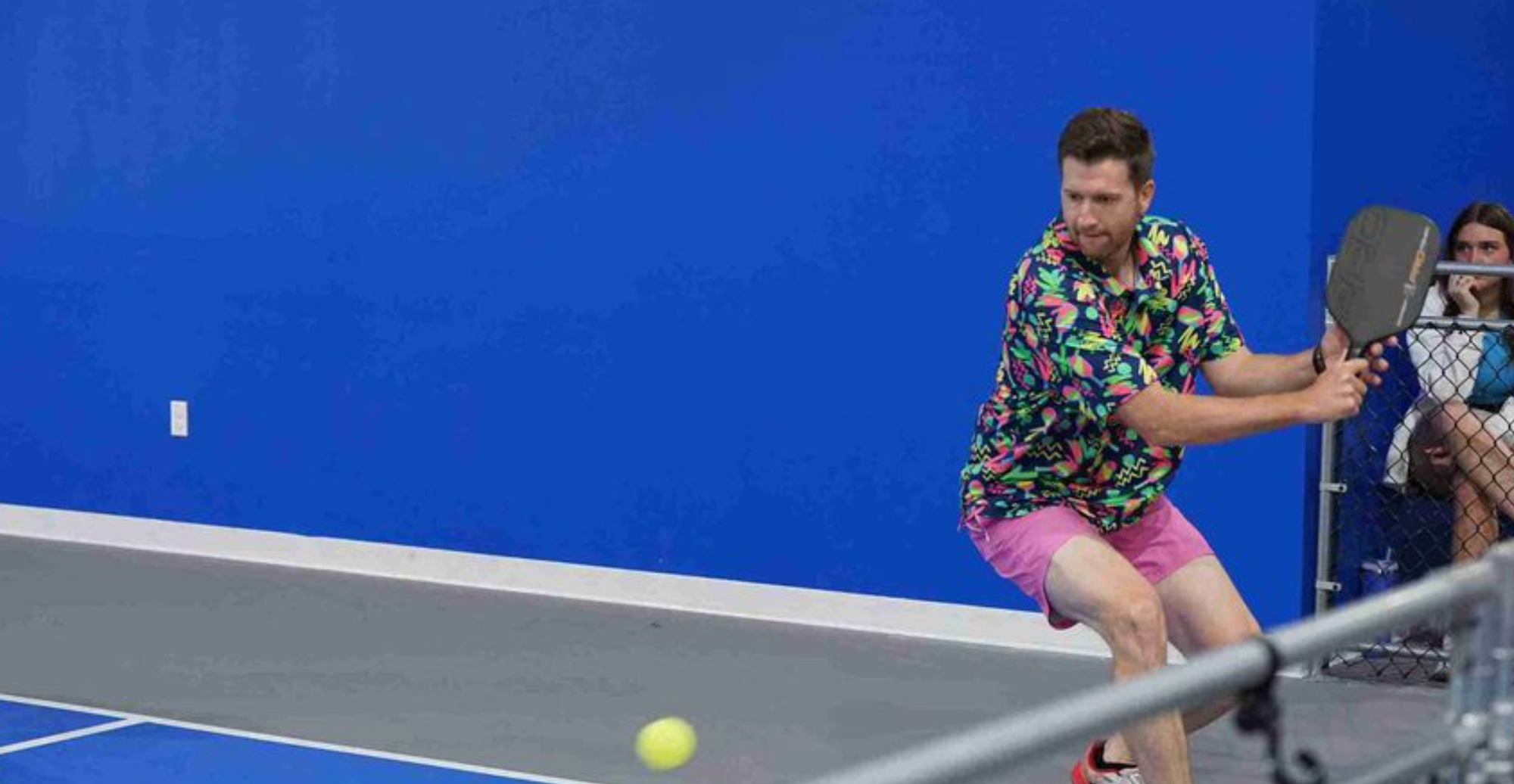
Start with a slight forward lean on the balls of your feet. This ready position allows for quick movement in any direction while maintaining balance for immediate paddle work.
Small, Quick Steps
Use small, shuffling steps rather than large strides. This keeps your center of gravity low and stable, ensuring you can make precise shots even while moving.
Recovery Position
After executing your stepped-in dink, immediately prepare to move backward or laterally. Your aggressive positioning may provoke a counter-attack that requires quick defensive adjustments.
Creating Pressure Through Angles
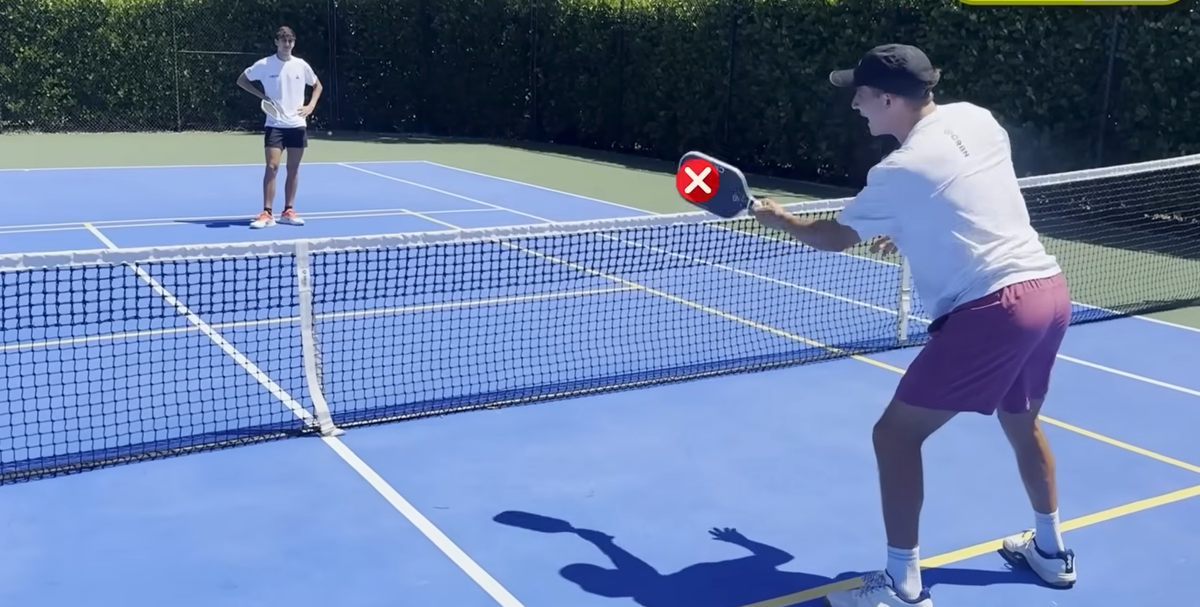
Once you've stepped into position, focus on creating sharp angles that pull your opponents wide or force them to cover more court. Cross-court dinks become more effective when hit from a forward position, as the angle becomes more severe and harder to return neutrally.
Consider targeting the area behind your opponents' feet or to their backhand side. From a stepped-in position, these targets become more accessible and put additional pressure on their movement and paddle positioning.
Common Mistakes to Avoid
Many players attempt to step in too aggressively, losing balance or overcommitting to shots that don't warrant forward movement. Remember that not every dink presents a stepping-in opportunity—patience and selective aggression are crucial.
Avoid stepping in when your opponents are in strong offensive positions or when the incoming dink is particularly low and well-placed. These situations often require solid defensive positioning rather than aggressive advancement.
Practice Drills for Step-In Dinking
Start with cooperative drilling where your partner feeds you predictable dinks that allow you to practice your forward movement and positioning. Gradually increase the pace and add defensive elements as your comfort level improves.
Work on quick transition drills that combine stepping in for offense with immediate recovery for defense. This develops the court awareness and movement patterns needed for game situations.
Frequently Asked Questions
When should I avoid stepping in on dinks?
Avoid stepping in when facing low, well-placed dinks, when your opponents are in strong attacking positions, or when you're off-balance from the previous shot. Defensive positioning is often more appropriate in these situations.
How do I know if I'm stepping in too aggressively?
Signs of over-aggressive stepping include frequent loss of balance, inability to recover for defensive shots, and hitting balls into the net due to poor positioning. Focus on controlled, purposeful movement rather than rushing forward on every opportunity.
What's the biggest benefit of mastering step-in dinking?
The primary advantage is transforming from a reactive player to a proactive one. You'll control more rallies, create better offensive opportunities, and apply consistent pressure that leads to opponent errors and easier put-away chances.