Want to gain an immediate advantage in pickleball without changing your third shot strategy? The secret lies in mastering serve variations that keep your opponents guessing from the very first ball.
Most recreational players fall into the same predictable pattern: hitting the identical serve every time with moderate pace, depth, and placement. This approach hands your opponent a gift—complete predictability that allows them to time their returns perfectly and potentially take control of the point.
The Psychology Behind Serve Variation
Effective serve variation works on multiple levels. Beyond the physical challenge of adapting to different spins, speeds, and placements, it creates mental pressure that compounds throughout the match. When opponents can't predict your serve pattern, they remain in reactive mode rather than developing an aggressive return strategy.
This psychological edge becomes particularly valuable in crucial moments—when you need to hold serve or break your opponent's rhythm during momentum swings.
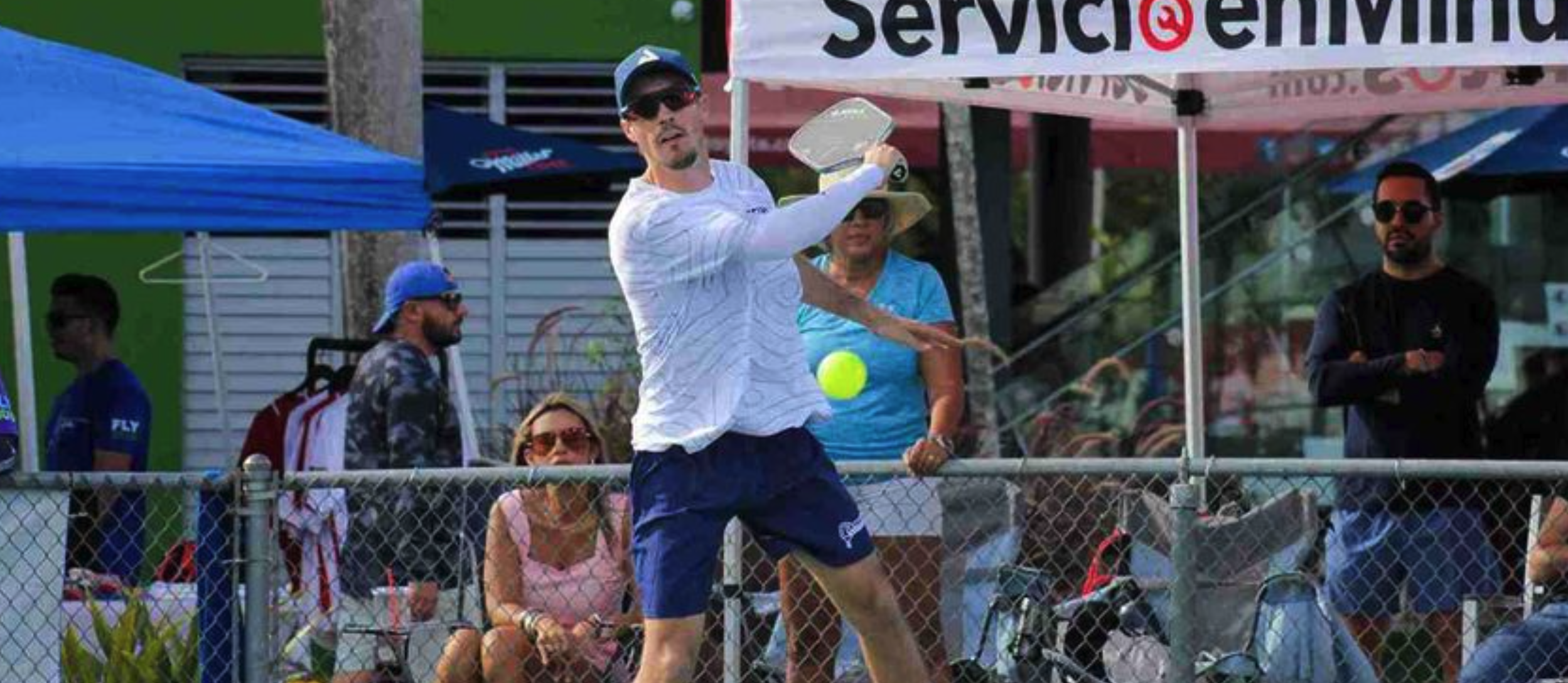
Spin Techniques That Disrupt Returns
Topspin Serves
Adding topspin to your serve creates a higher bounce that jumps toward your opponent after landing. This forces returners to adjust their contact point and timing, often resulting in returns that sit up perfectly for your third shot attack. Focus on brushing up on the ball with a low-to-high swing path while maintaining proper form.
Slice Serves
The slice serve moves away from your opponent and stays lower after bouncing. Right-handed players should target the outside corner of left-handed opponents (and vice versa) to maximize the pulling effect. The key is subtle wrist action at contact while keeping your serving motion fluid and legal.
Flat Power Serves
Occasionally mixing in a flat, hard serve can catch opponents off guard, especially after a sequence of spin serves. Target the deep corners or directly at their body to limit their return options and create defensive positioning.
Strategic Placement Patterns
Effective serve placement goes beyond simply hitting different areas of the service box. Develop patterns that build on each other throughout the match.
The Outside-Inside Sequence
Start with serves to the outside corners to pull opponents wide, then follow up with serves to the inside corner or directly at their body. This lateral movement disrupts their positioning and return preparation.
Short-Deep Combinations
Vary your depth systematically by mixing serves that land just past the kitchen line with deep serves near the baseline. Short serves force opponents forward and can result in weak returns that float high across the net.
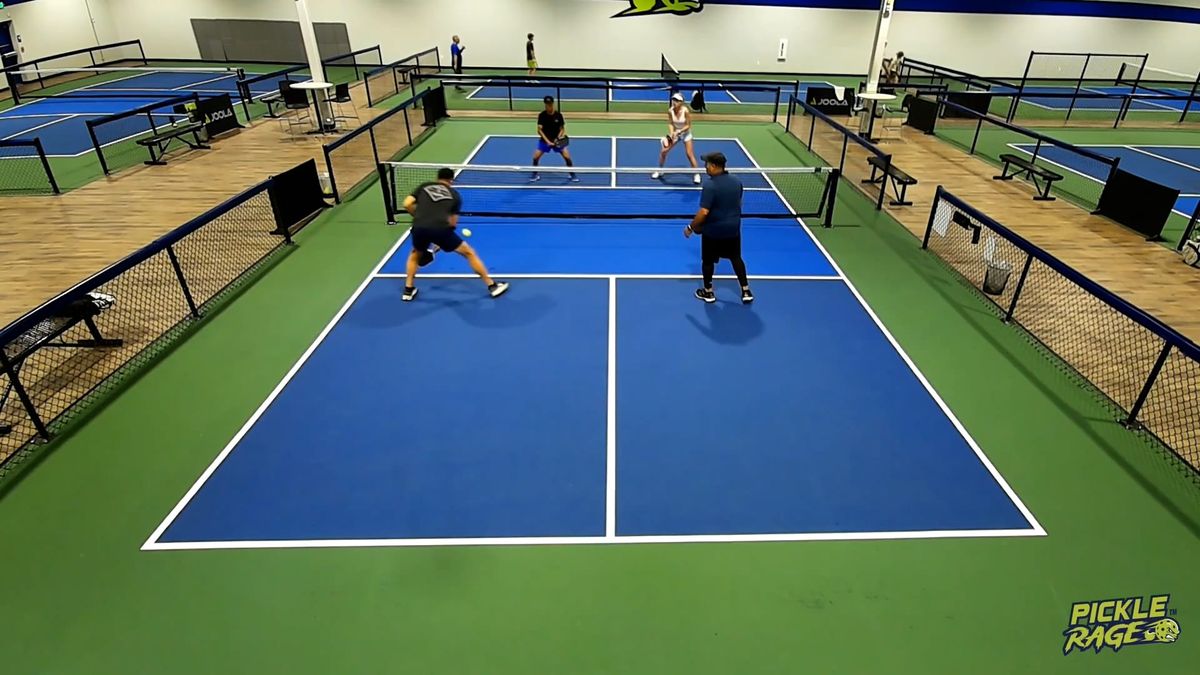
Pace Variation Tactics
Changing your serve speed keeps opponents from settling into a comfortable timing pattern. Practice transitioning smoothly between different pace levels while maintaining accuracy and legal form.
The Change-Up Effect
After establishing a rhythm with medium-pace serves, drop in an occasional slower serve with extra spin. This timing disruption often results in rushed returns or outright errors as opponents swing too early.
Strategic Power Placement
Reserve your hardest serves for specific situations: when you're behind in the score, after timeouts, or when opponents show signs of getting comfortable with your rhythm.
Reading Your Opponent's Weaknesses
Pay attention to how opponents handle different serve types during warm-ups and early games. Some players struggle with wide serves due to limited mobility, while others have difficulty with body serves or specific spin variations.
Take mental notes about which serves generate weak returns and which ones your opponents handle confidently. Use this information to develop targeted serving strategies for crucial points.
Practice Progression for Serve Mastery
Start by mastering one variation at a time in practice sessions. Begin with placement variations since they're easier to control, then gradually add spin and pace changes as your consistency improves.
Practice serving sequences rather than individual serves. For example, work on outside-inside patterns or spin-pace combinations that you can deploy during match situations.
Frequently Asked Questions
How many serve variations should I master before using them in matches?
Focus on perfecting 2-3 variations before introducing them in competitive play. It's better to execute a few serves excellently than to attempt many variations poorly. Once you're comfortable with your initial variations, gradually expand your repertoire.
When should I use my most effective serve variation during a match?
Save your most reliable "money serve" for crucial points like game point, break point, or when you need to regain momentum. Use your other variations to set up patterns and keep opponents guessing, but rely on your strongest serve when points matter most.
How do I know if my serve variations are working effectively?
Monitor the quality of returns you receive and your opponents' body language. Effective serve variation typically results in weaker returns, visible frustration, or opponents taking longer between points to reset mentally. Also track your service game holds and break point conversion rates.