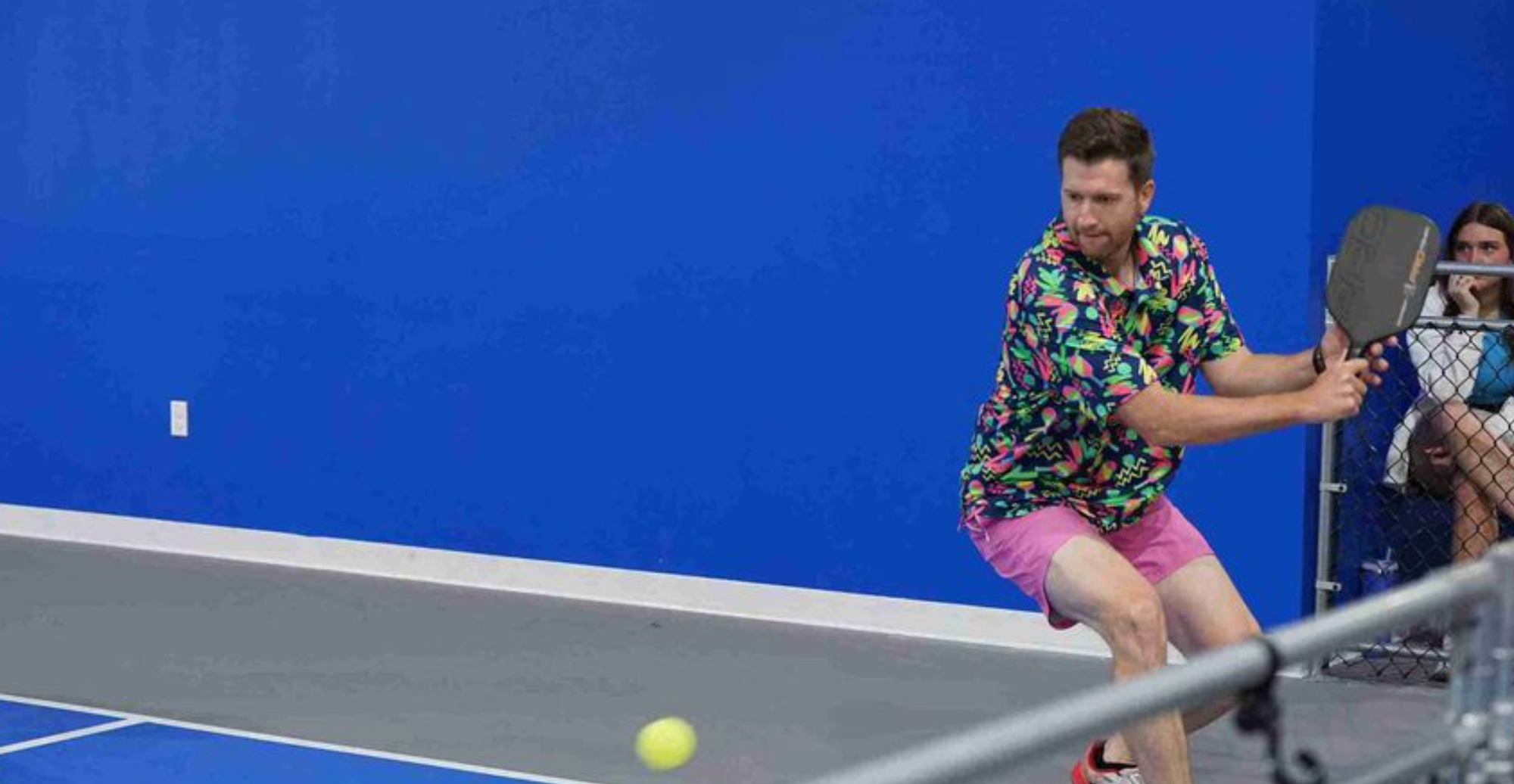
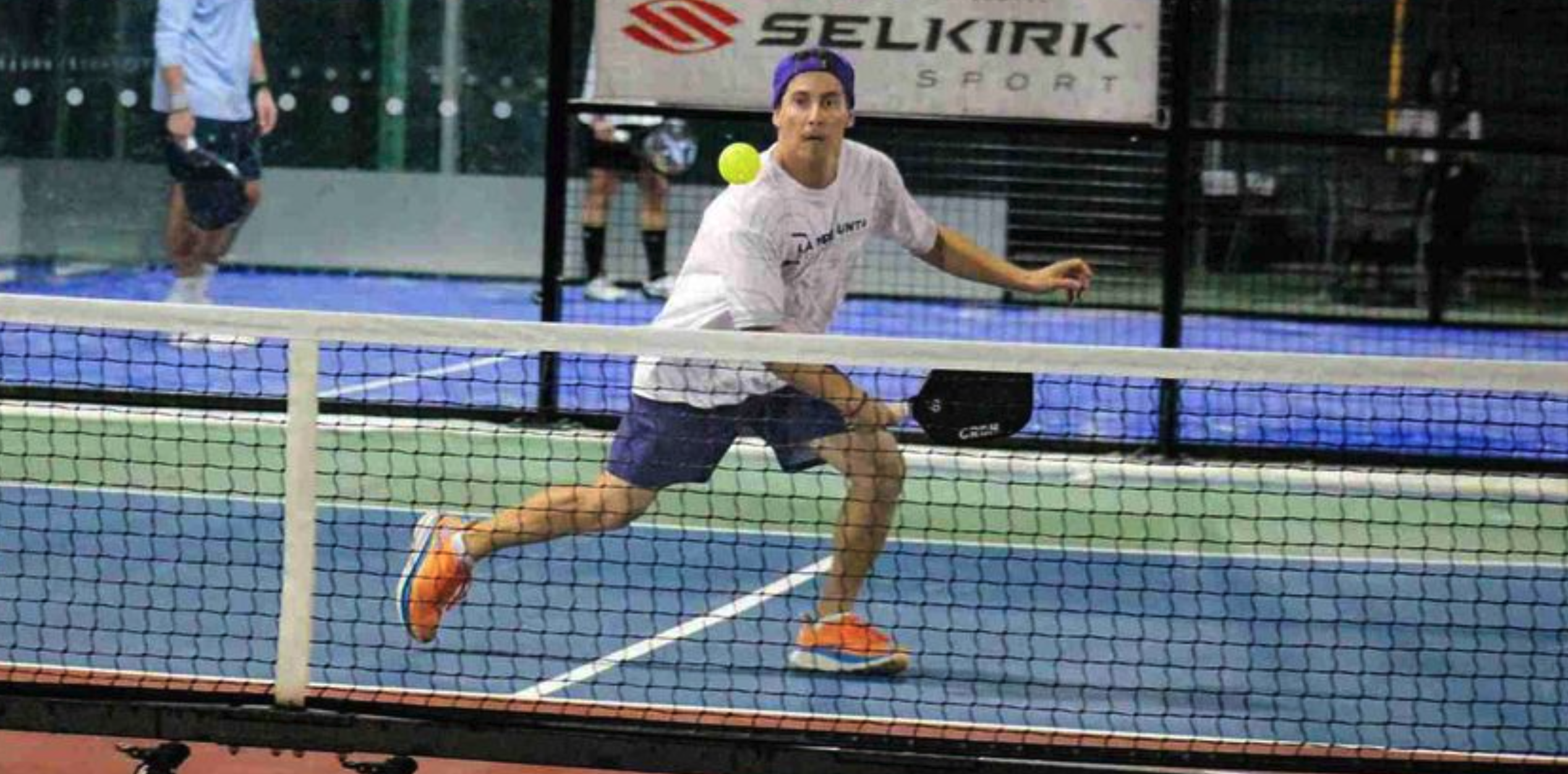
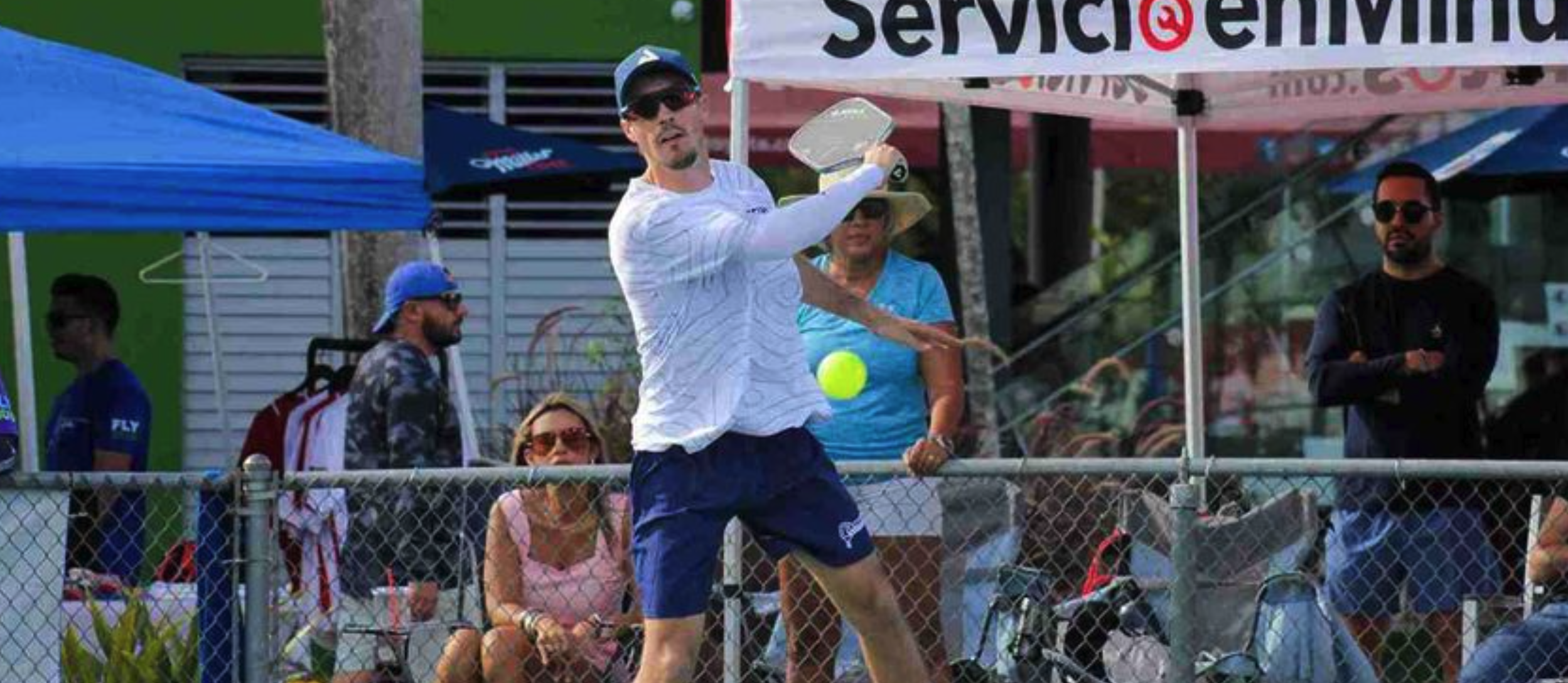
The kitchen line is where pickleball rallies are won and lost. Yet most players approach the non-volley zone with a defensive mindset, trading predictable cross-court dinks until someone makes an error or gets attacked. This reactive approach keeps you at the mercy of your opponents instead of controlling the point.
Strategic angle placement transforms dinking from a survival tactic into an offensive weapon. By understanding how to systematically move opponents and create openings, you'll shift from reactive to proactive play at the kitchen line.
The Strategic Framework for Kitchen Line Angles
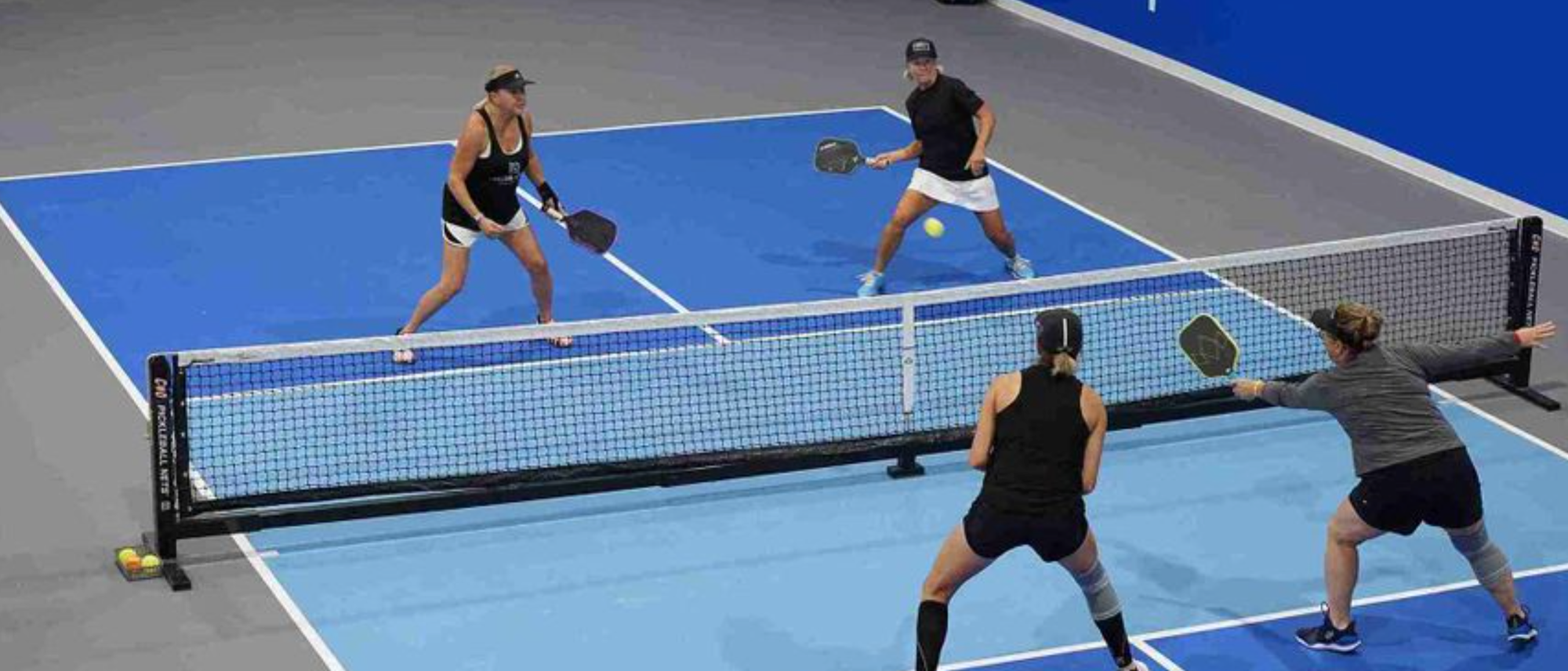
Effective angle play at the kitchen line operates on three core principles: positioning, timing, and target selection. Each dink should serve a purpose beyond simply keeping the ball in play.
Zone Mapping for Maximum Impact
Divide your opponent's side of the kitchen into strategic zones. The sharp cross-court angles near the sidelines create the most movement, while straight-ahead shots down the line can catch opponents off-guard when timed correctly.
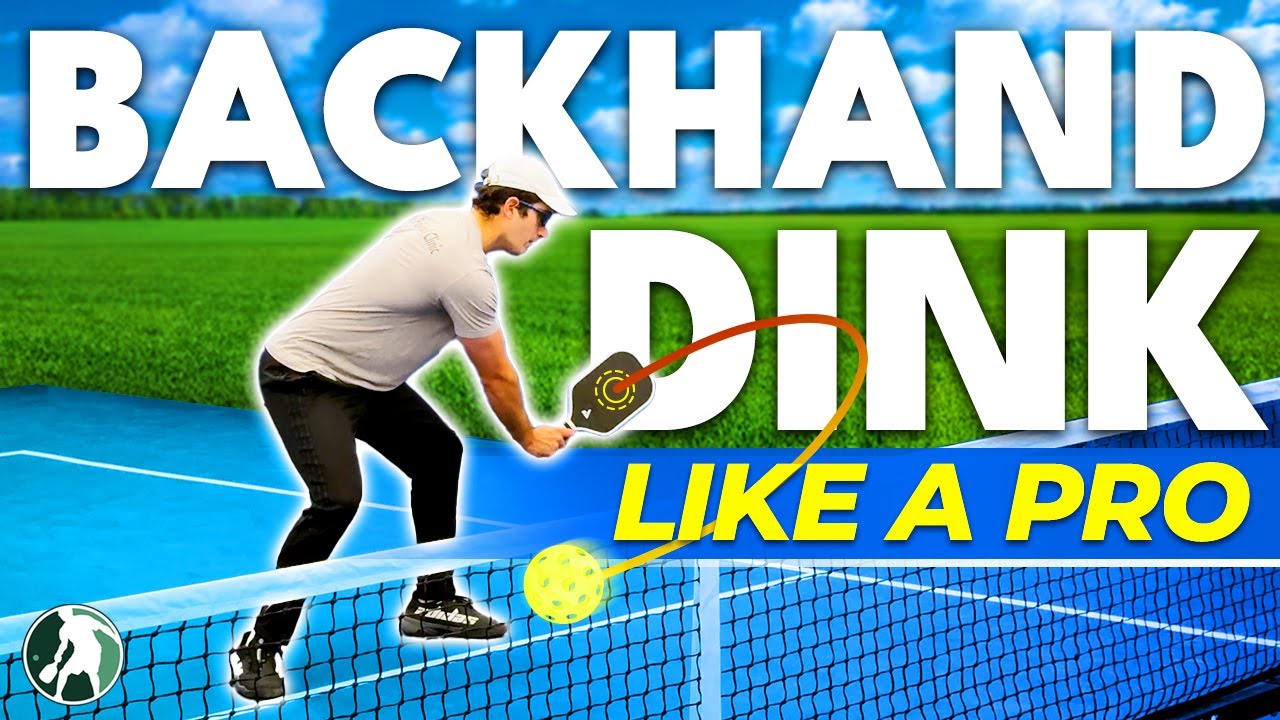
Understanding these zones allows you to sequence your shots methodically. Start with wider angles to move opponents laterally, then target the gaps created by their movement patterns.
Creating Movement Patterns
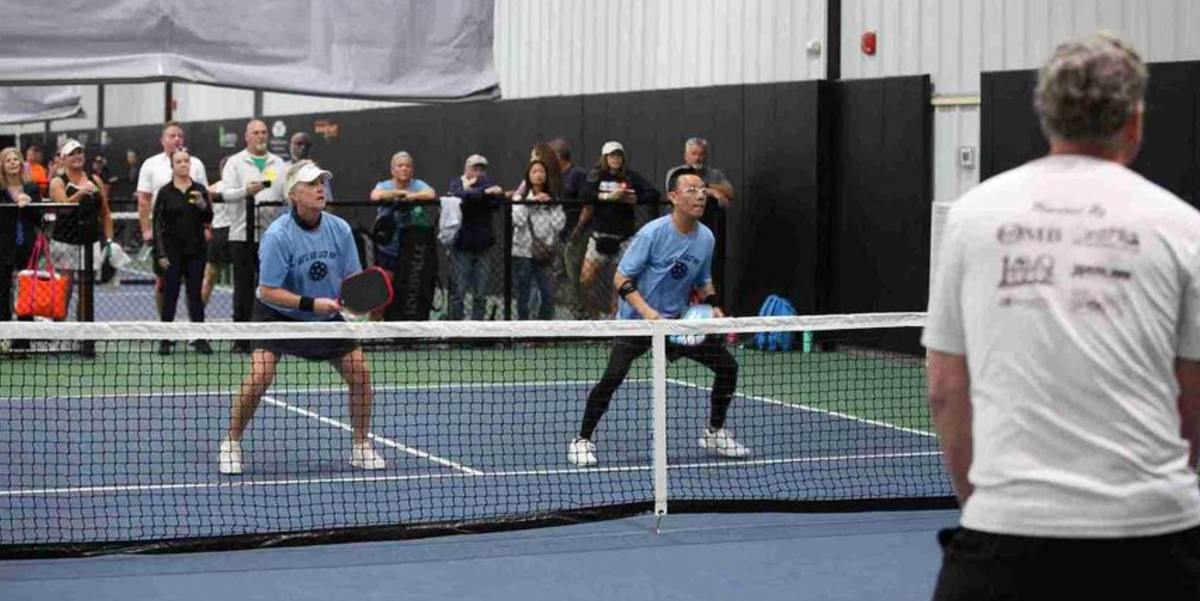
The key to winning at the kitchen line isn't hitting winners immediately—it's about creating sustainable advantages through intelligent shot sequences. Each angle you choose should set up your next opportunity.
The Setup-Exploit System
Begin rallies by establishing cross-court rhythm, then deliberately break that pattern. When opponents settle into predictable positioning, sharp angle changes force hurried movements and create exploitable weaknesses.
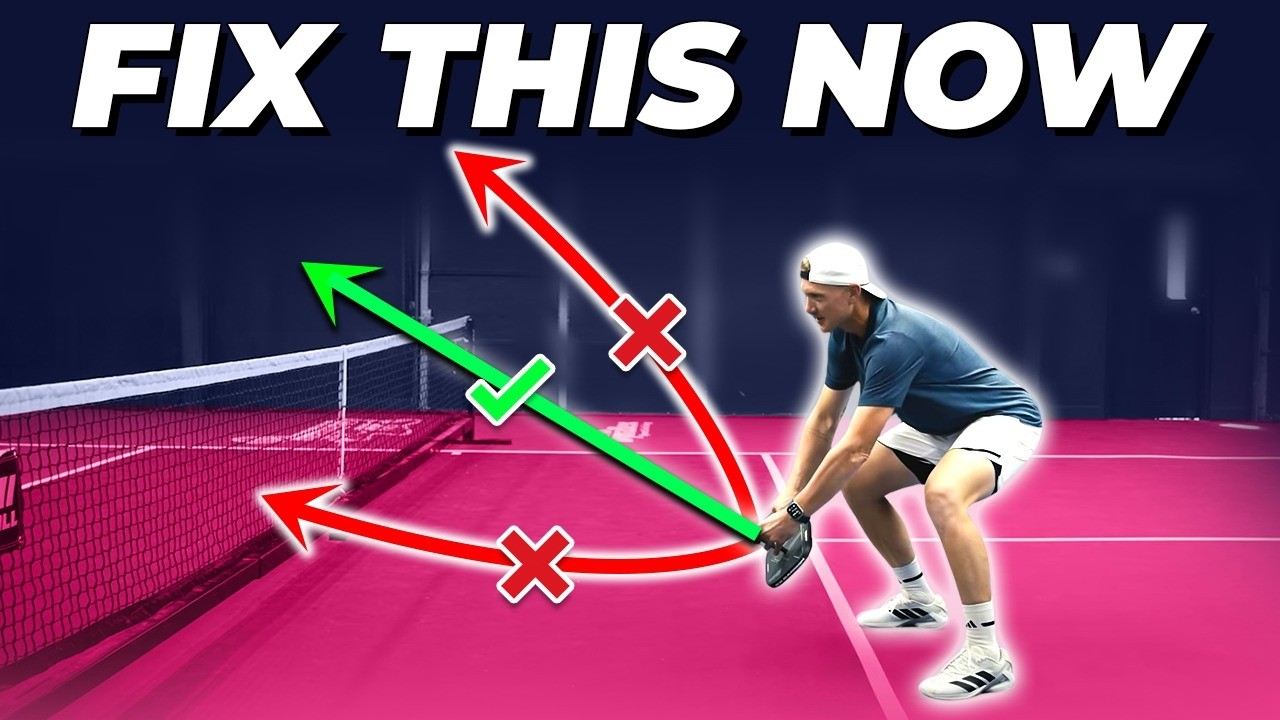
Watch for visual cues that indicate when opponents are off-balance or out of position. Their foot positioning, paddle preparation, and court coverage all provide information about optimal target zones.
Advanced Angle Techniques
The Directional Change Strategy
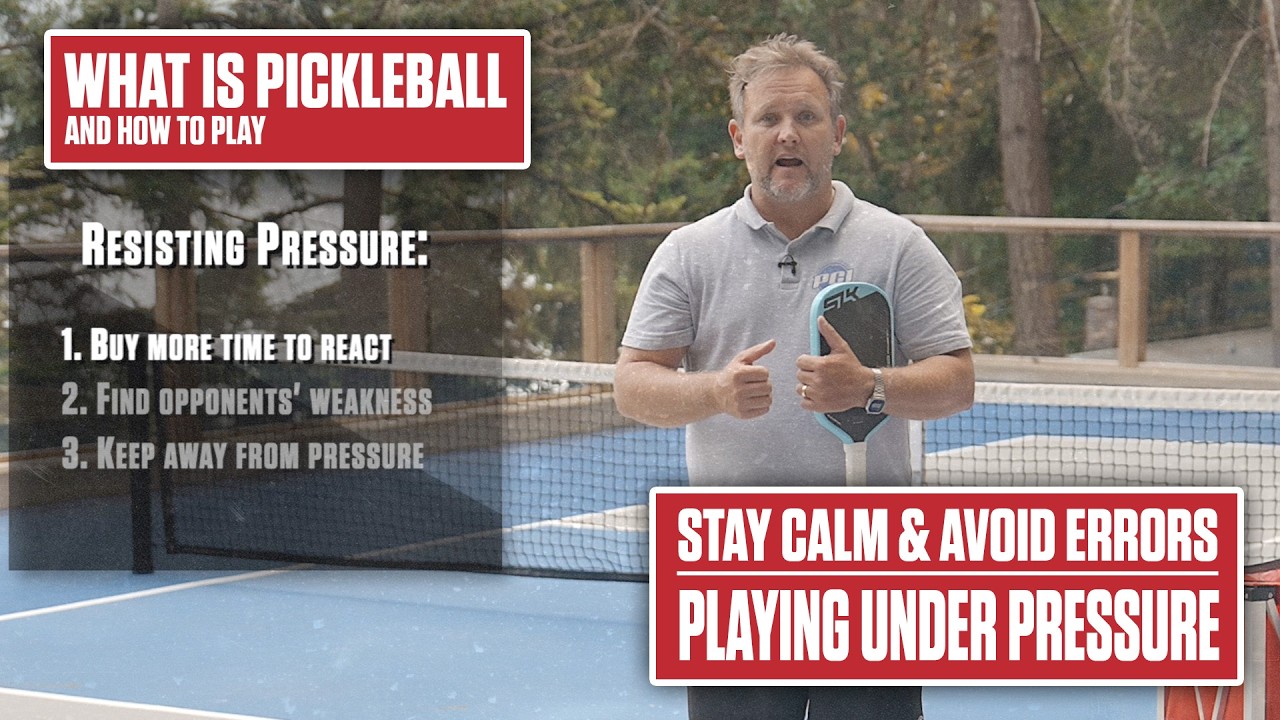
Master the art of switching from cross-court to down-the-line placement. This technique is most effective when opponents have committed their weight to covering anticipated cross-court shots.
Practice disguising your intentions by maintaining consistent paddle positioning until the moment of contact. Late directional changes prevent opponents from reading and reacting to your shot selection.
Height and Pace Variations
Combine angle changes with variations in shot height and pace. Lower, faster angles create time pressure, while higher, softer shots allow for better angle development but give opponents more reaction time.
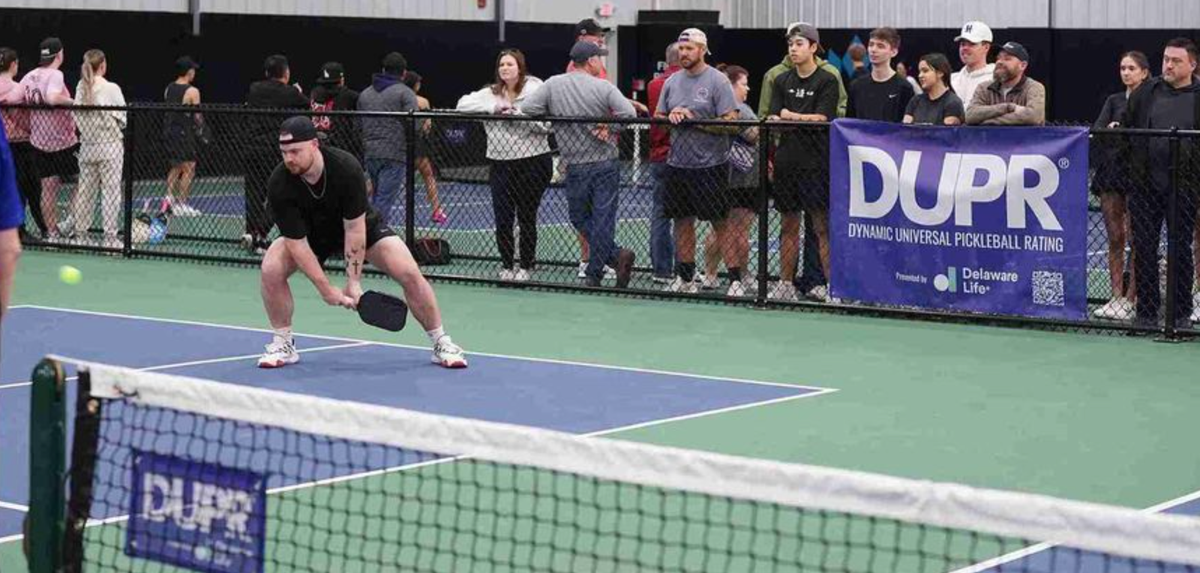
The most effective players seamlessly blend these elements, using pace to complement angle selection rather than relying on either element in isolation.
Reading and Reacting to Opponent Tendencies
Every player develops patterns at the kitchen line. Some favor backhand coverage, others struggle with wide forehand angles. Identifying these tendencies early in matches provides strategic advantages throughout the game.
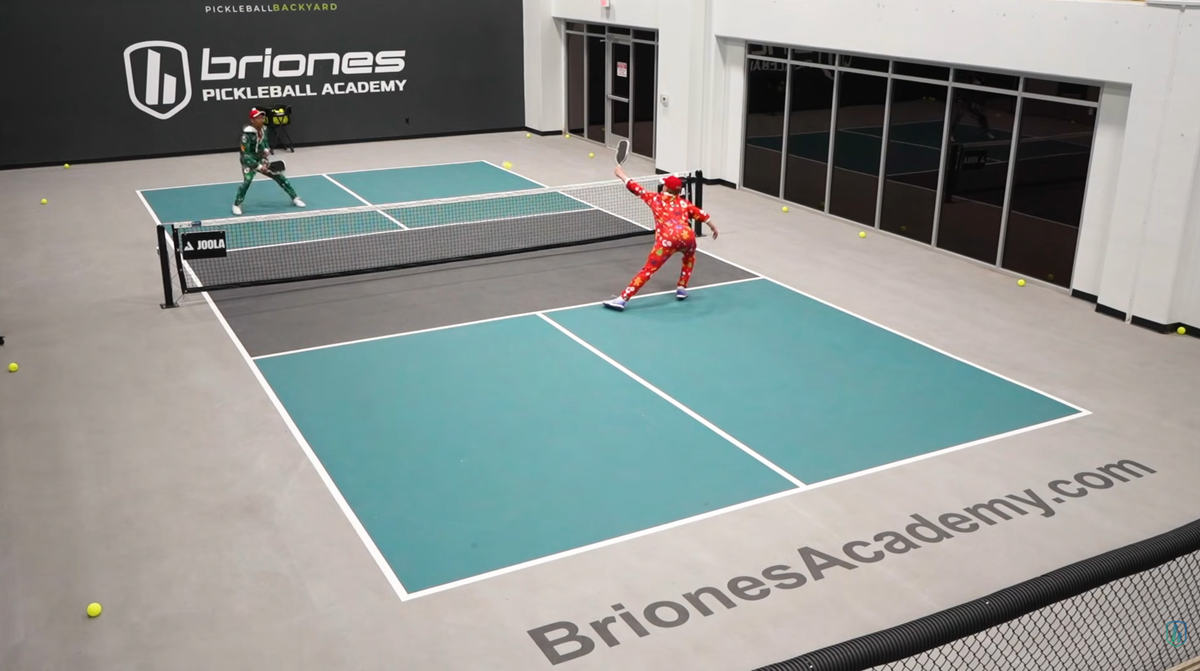
Pay attention to how opponents recover after being pulled wide. Do they immediately return to center court, or do they linger on one side? These recovery patterns reveal the timing for your next angle attack.
Practice Progressions for Angle Mastery
Developing consistent angle control requires systematic practice. Start with stationary target work, focusing on hitting specific zones repeatedly. Progress to movement-based drills that simulate match conditions.
Partner drills should emphasize realistic scenarios rather than isolated technique work. Practice transitioning between defensive dinking and offensive angle creation within the same rally.
Common Mistakes to Avoid
Many players attempt overly aggressive angles too early in rallies, resulting in unforced errors. Build your advantages gradually rather than forcing low-percentage shots.
Avoid falling into predictable angle patterns. If you consistently go cross-court three times before changing direction, observant opponents will anticipate and counter your strategy.
Frequently Asked Questions
When should I use sharp angles versus safer cross-court dinks?
Use sharp angles when opponents are out of position or off-balance, typically after you've established movement patterns with safer shots. Reserve aggressive angles for high-percentage opportunities rather than forcing them constantly.
How do I practice angle placement without a partner?
Set up targets in the corners and practice hitting specific zones from various court positions. Use a ball machine or wall practice to develop muscle memory for different angle trajectories and contact points.
What's the biggest mistake recreational players make with kitchen line angles?
Attempting to hit winners immediately instead of setting them up systematically. Focus on creating advantages through multiple shots rather than expecting single-shot solutions at the kitchen line.