The difference between predictable and dangerous pickleball players often comes down to one critical skill: the ability to disguise dinks effectively. This game-changing technique revolves around a simple yet powerful principle—maintain identical body positioning while varying your shot direction.
The Psychology Behind Dink Deception
Your opponents aren't studying your paddle face or trying to read your mind. They're analyzing your body language, stance, and preparation routine. Every subtle shift in your positioning telegraphs your intentions before you even make contact with the ball.
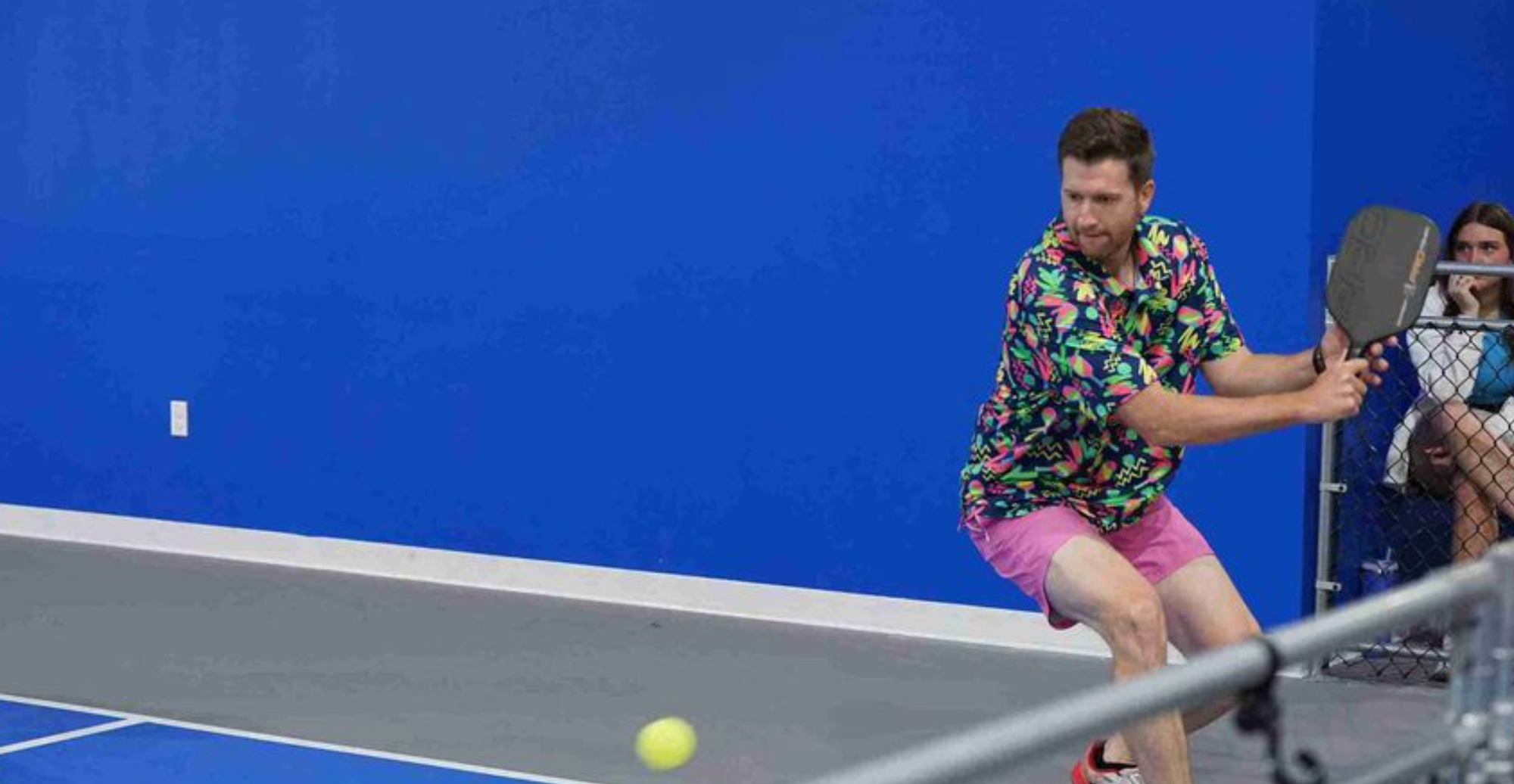
When you consistently set up the same way regardless of where you plan to place the dink, you eliminate these visual cues. Your opponents lose their ability to anticipate and position themselves advantageously, forcing them into reactive rather than proactive play.
Building Your Consistent Setup Foundation
Developing an effective disguised dink starts with establishing a neutral, repeatable body position that works for all three primary dink directions: crosscourt, down-the-line, and middle.
Optimal Body Positioning
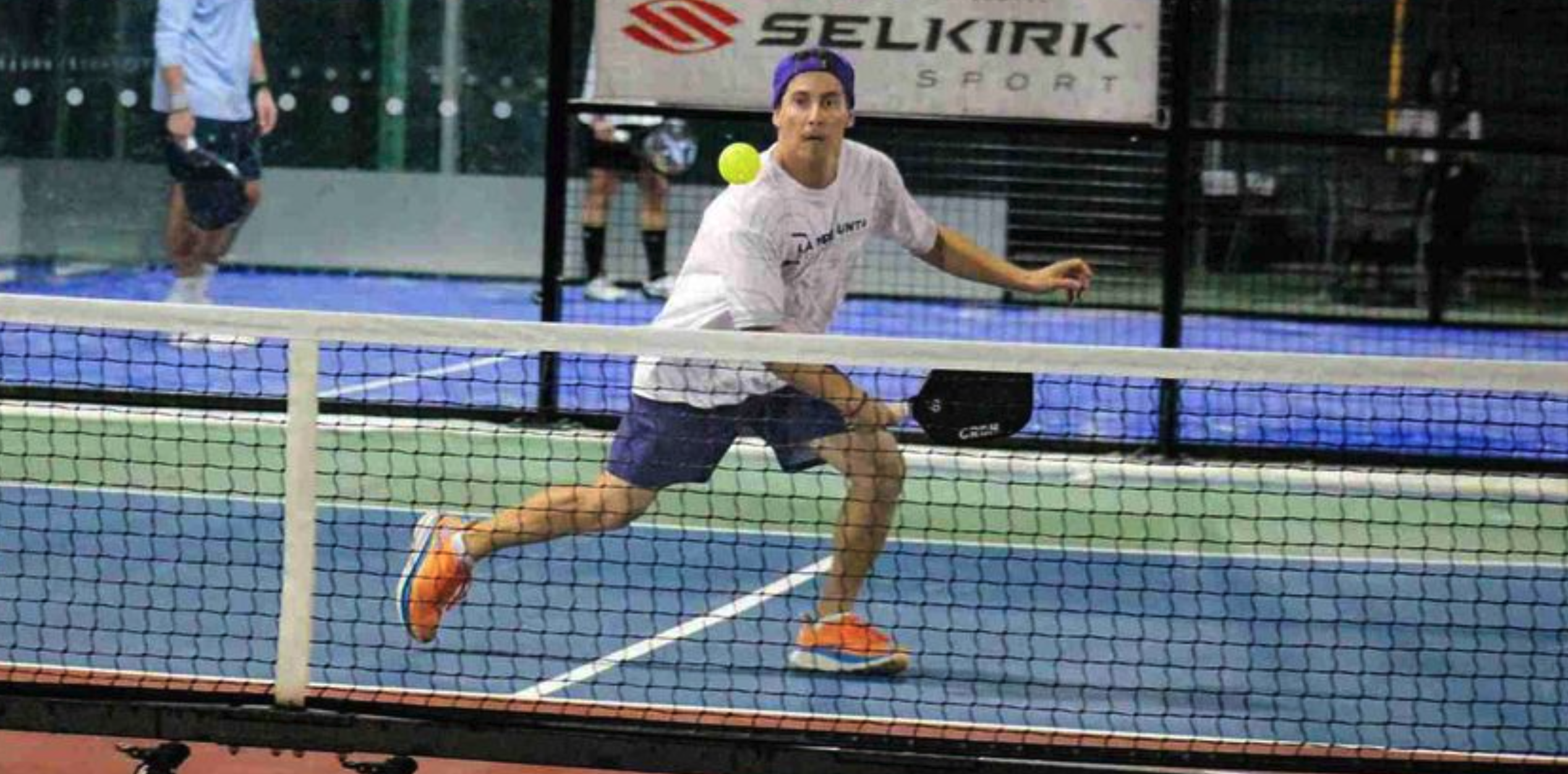
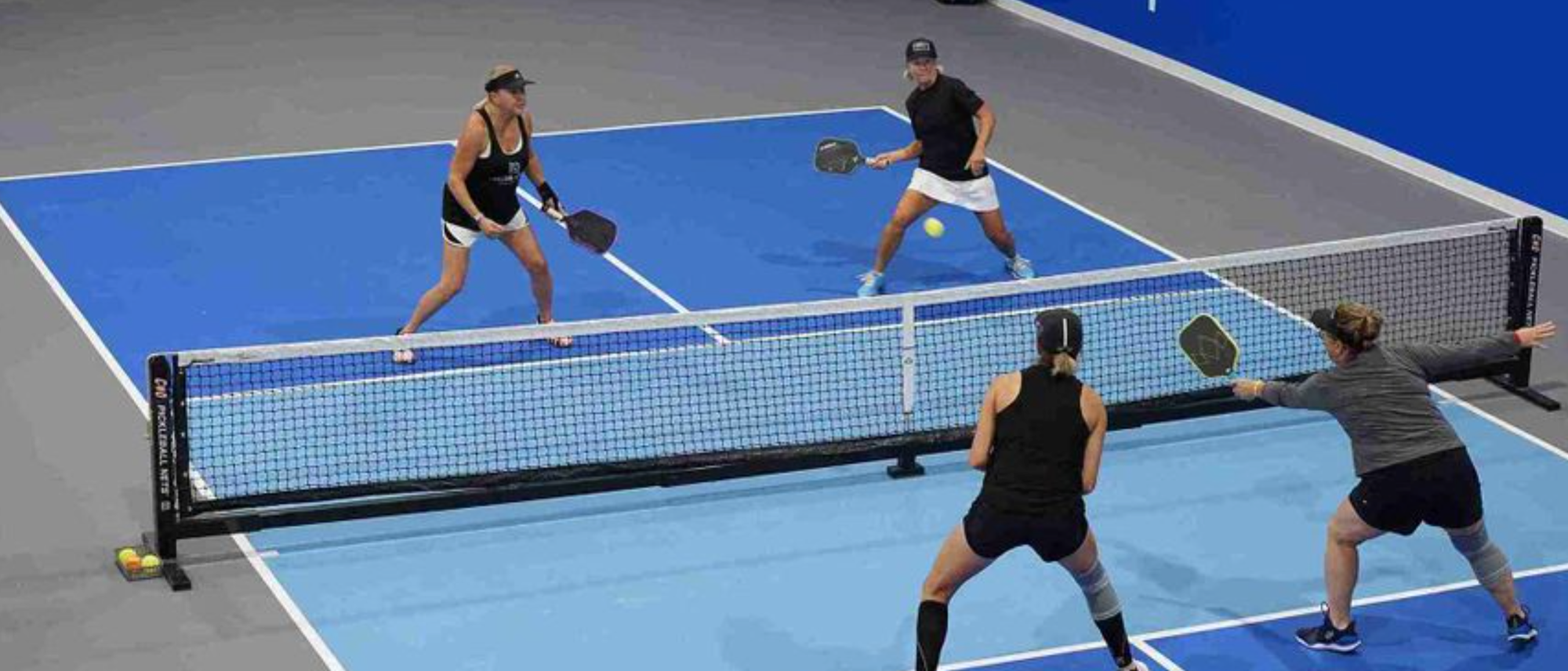
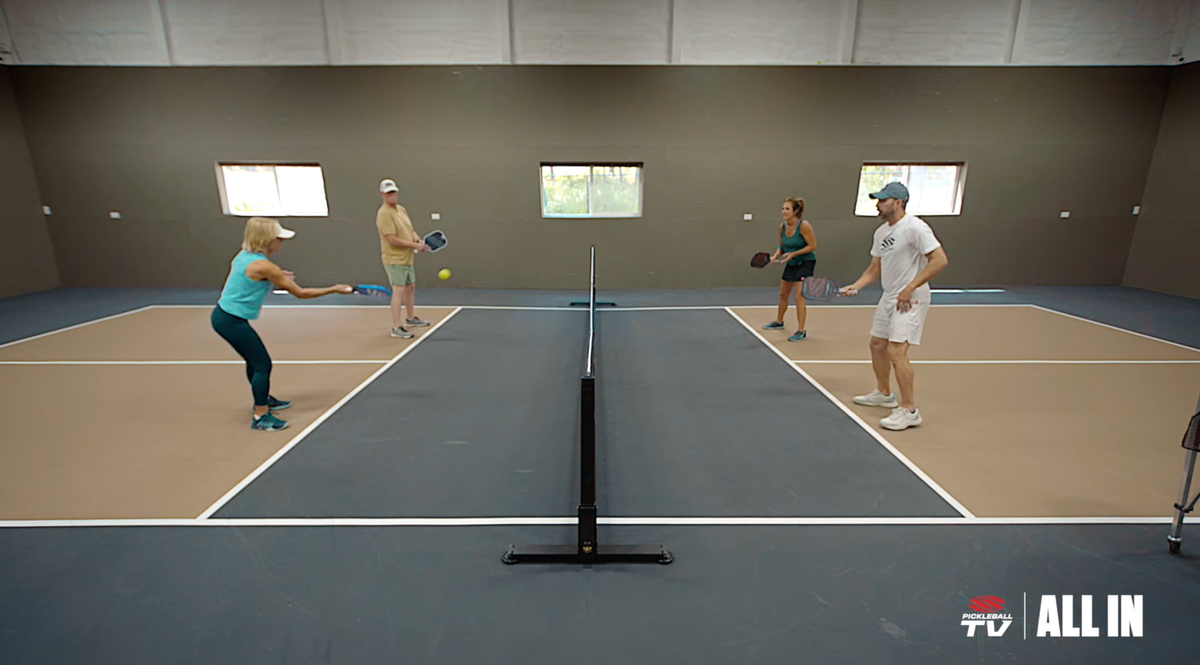
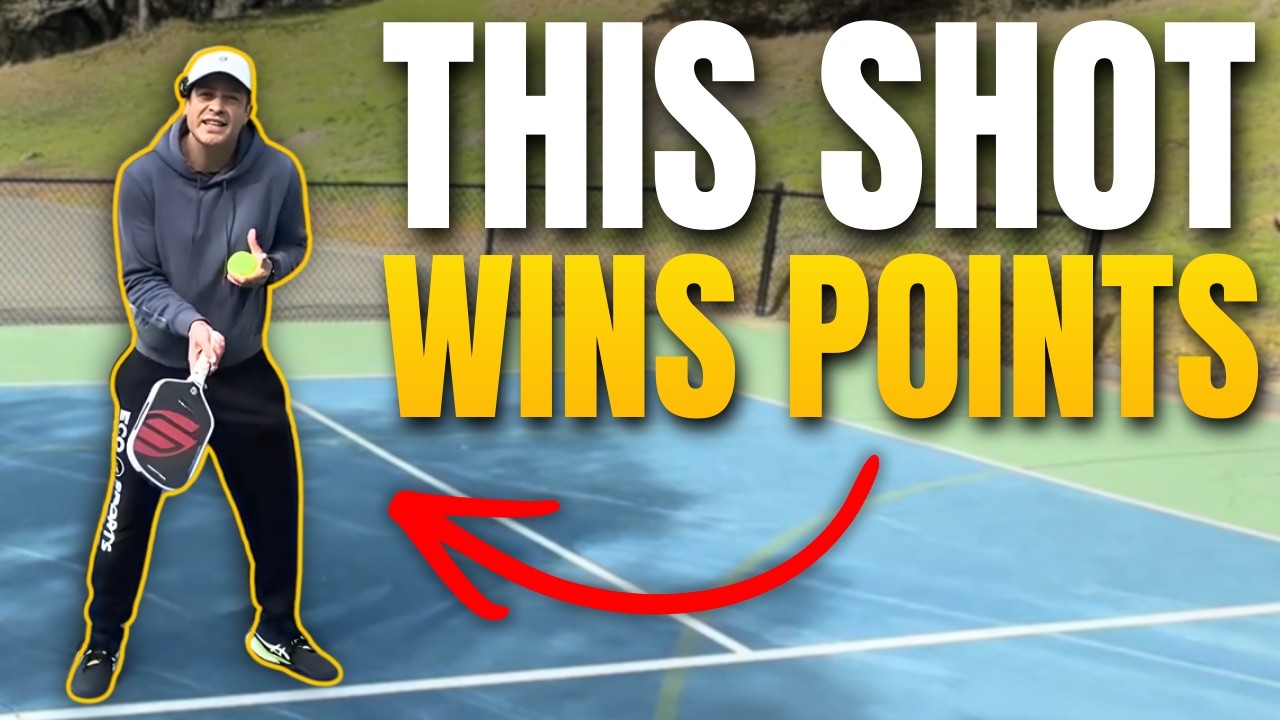
Position your feet with a slight stagger, maintaining equal weight distribution. Your shoulders should face the net at approximately a 45-degree angle—not squared up and not completely sideways. This positioning allows natural access to all areas of the court without requiring dramatic adjustments.
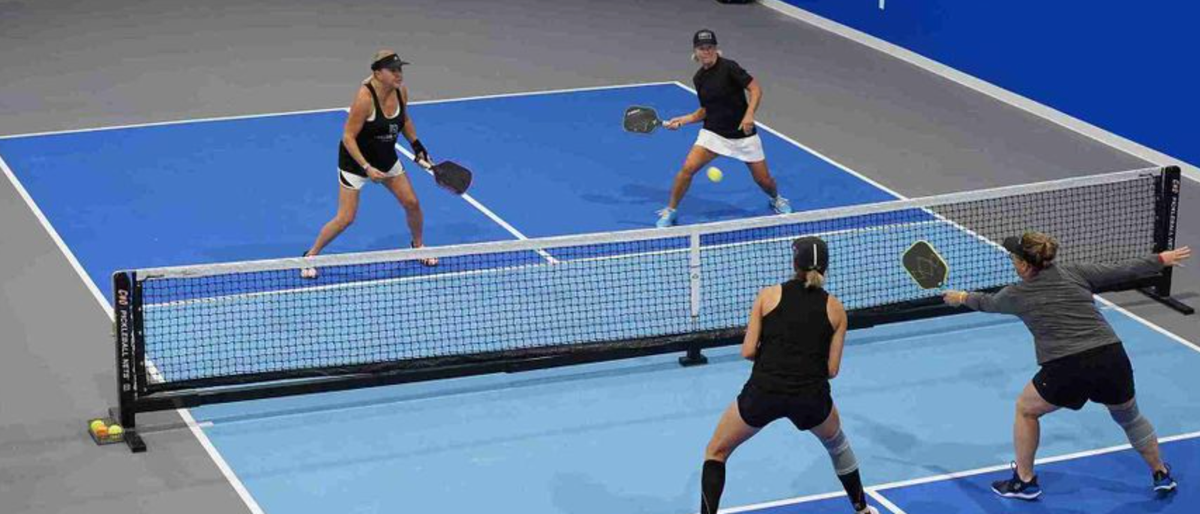
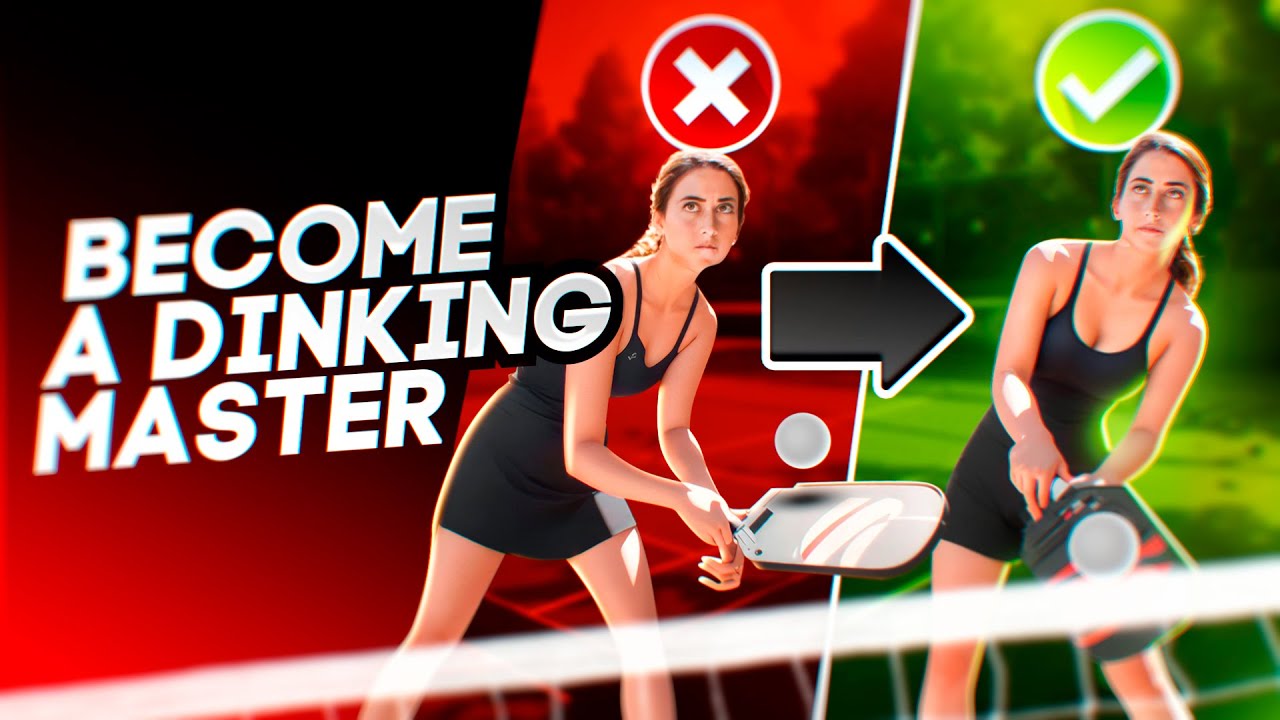
Keep your paddle positioned centrally in front of your body, roughly at waist height. This neutral paddle position serves as the foundation for all three dink directions without revealing your intentions.
The Setup Sequence
Practice this identical preparation routine regardless of your target:
- Approach the ball with the same footwork pattern
- Set your feet in the consistent stagger position
- Bring your paddle to the neutral starting position
- Maintain the same grip pressure and arm positioning
Executing Direction Changes
The magic happens in the final moment of contact. From your consistent setup, subtle paddle adjustments determine ball direction without telegraphing your intentions.
Crosscourt Dinks
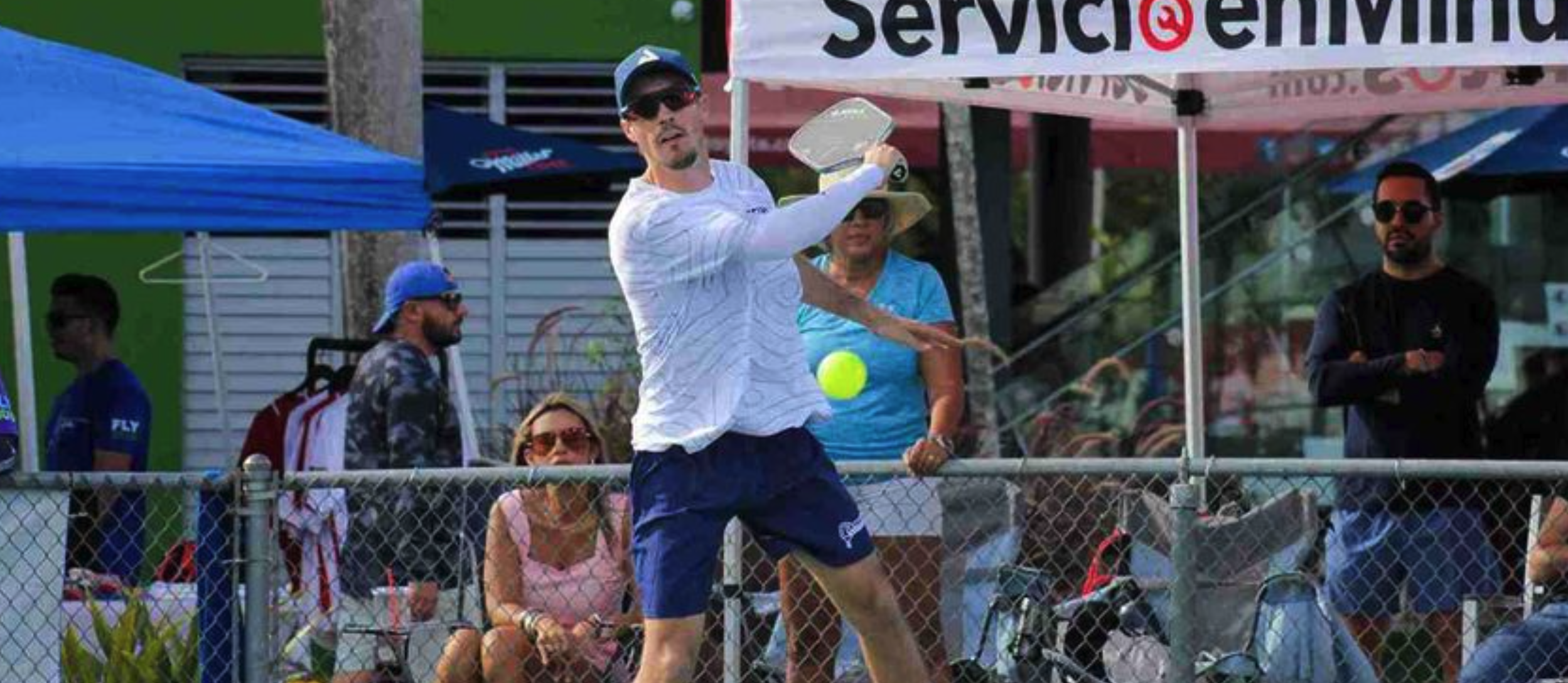
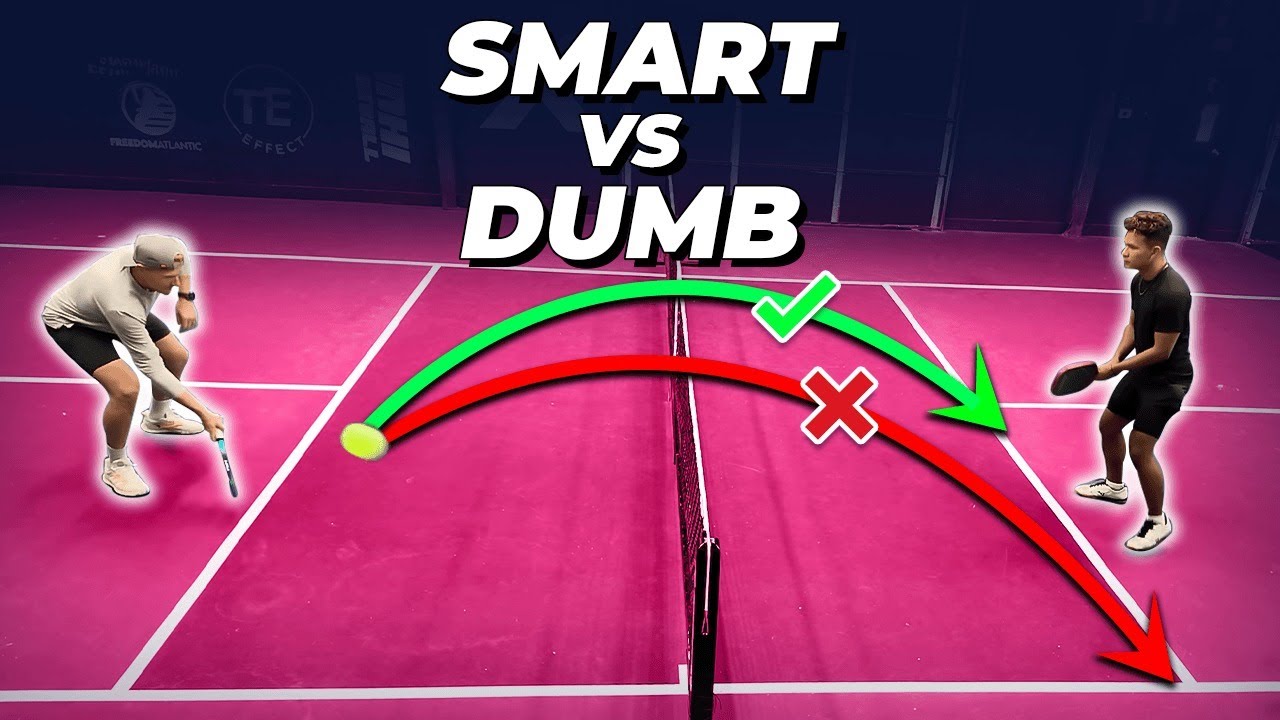
For crosscourt placement, make minimal contact adjustments. A slight opening of the paddle face and gentle follow-through across your body sends the ball diagonally without requiring dramatic positioning changes.

Down-the-Line Shots
Down-the-line dinks require closing the paddle face slightly and following through parallel to the sideline. The key is making this adjustment during contact rather than in your preparation phase.
Middle Targeting
Dinks aimed at the middle of the court utilize a square paddle face with a straight follow-through. This shot often proves most effective because opponents expect crosscourt or down-the-line placement.
Practice Drills for Disguise Mastery
Developing this skill requires deliberate practice focusing on consistency and deception.
Mirror Drill
Practice your setup routine in front of a mirror, ensuring identical positioning regardless of your intended target. This visual feedback helps identify and eliminate unconscious tells.
Target Rotation
Set up three targets representing crosscourt, down-the-line, and middle placements. Practice hitting each target from the same setup, focusing on last-second paddle adjustments rather than body movement.
Partner Recognition
Have a practice partner call out where they think you're aiming based on your setup. If they're consistently correct, you're still telegraphing your intentions and need to refine your disguise.
Common Mistakes to Avoid
Many players unconsciously shift their weight, change their grip, or adjust their stance based on their intended target. These subtle changes provide opponents with valuable information.
Another frequent error involves rushing the disguise. The deception works best when you maintain the same tempo and rhythm for all shots, not just the setup positioning.
Advanced Applications
Once you've mastered basic disguise, incorporate it into more complex strategies. Use consistent setups for varying shot speeds, spins, and heights to further expand your deceptive capabilities.
The psychological impact extends beyond individual points. As opponents realize they can't read your shots, their confidence decreases and positioning becomes more tentative, creating additional opportunities for winners.
Frequently Asked Questions
How long does it take to develop effective dink disguise?
Most players see improvement within 2-3 weeks of focused practice, but mastering the technique typically requires 1-2 months of consistent work. The key is practicing the setup routine until it becomes completely natural.
Should I use the same disguise technique for other shots?
Absolutely. The same principle applies to third shots, volleys, and even serves. Maintaining consistent body positioning while varying shot execution keeps opponents guessing throughout the entire point.
What if my natural stance doesn't work for all three directions?
Experiment with slight modifications to find a neutral position that accommodates all targets. Some players benefit from a more square stance, while others prefer a slight turn. The goal is finding your optimal compromise position.