Left side dinking represents one of the most misunderstood aspects of competitive pickleball doubles play. While recreational players often view it as simply covering more court real estate, elite competitors understand it as a sophisticated tactical system.
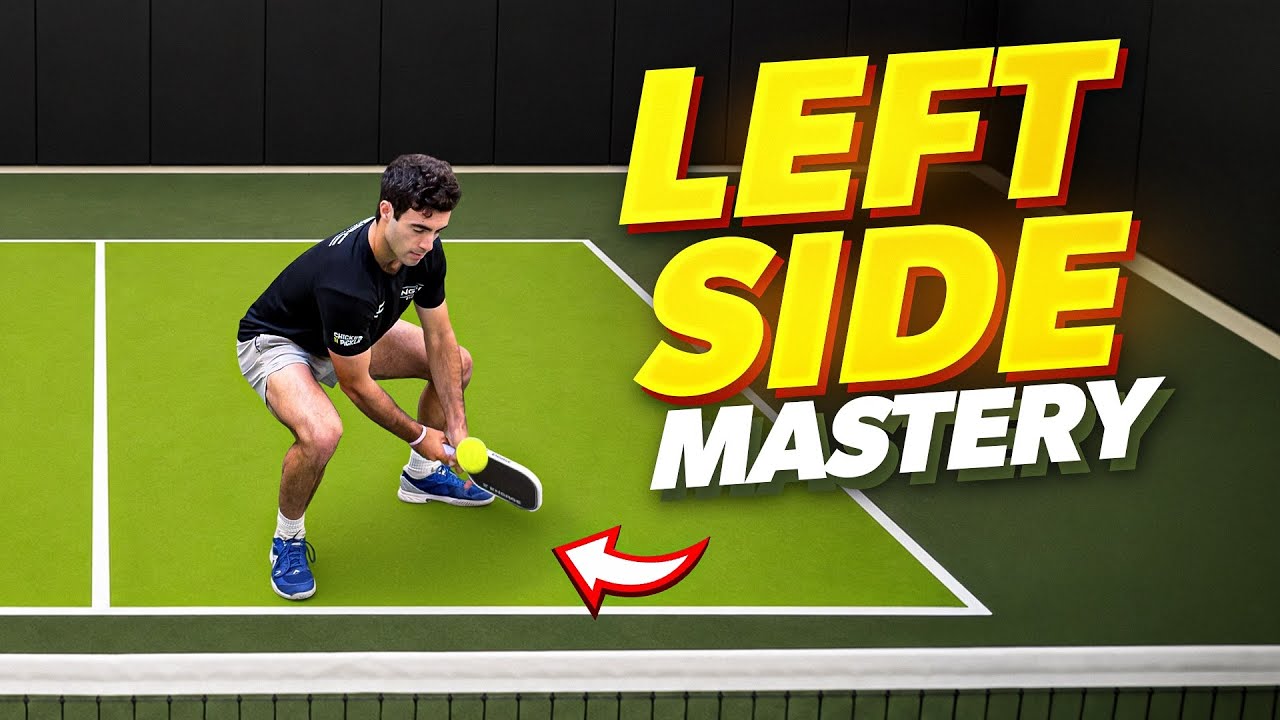
Professional instructor and APP tour player Richard Livornese reveals the technical foundations that separate intermediate players from advanced competitors in left side positioning and execution.
The Strategic Foundation of Left Side Play
Effective left side dinking begins with understanding court geometry and player responsibilities. Unlike recreational assumptions, the left side player doesn't simply chase every ball within reach. Instead, they operate within a calculated zone that maximizes team efficiency.
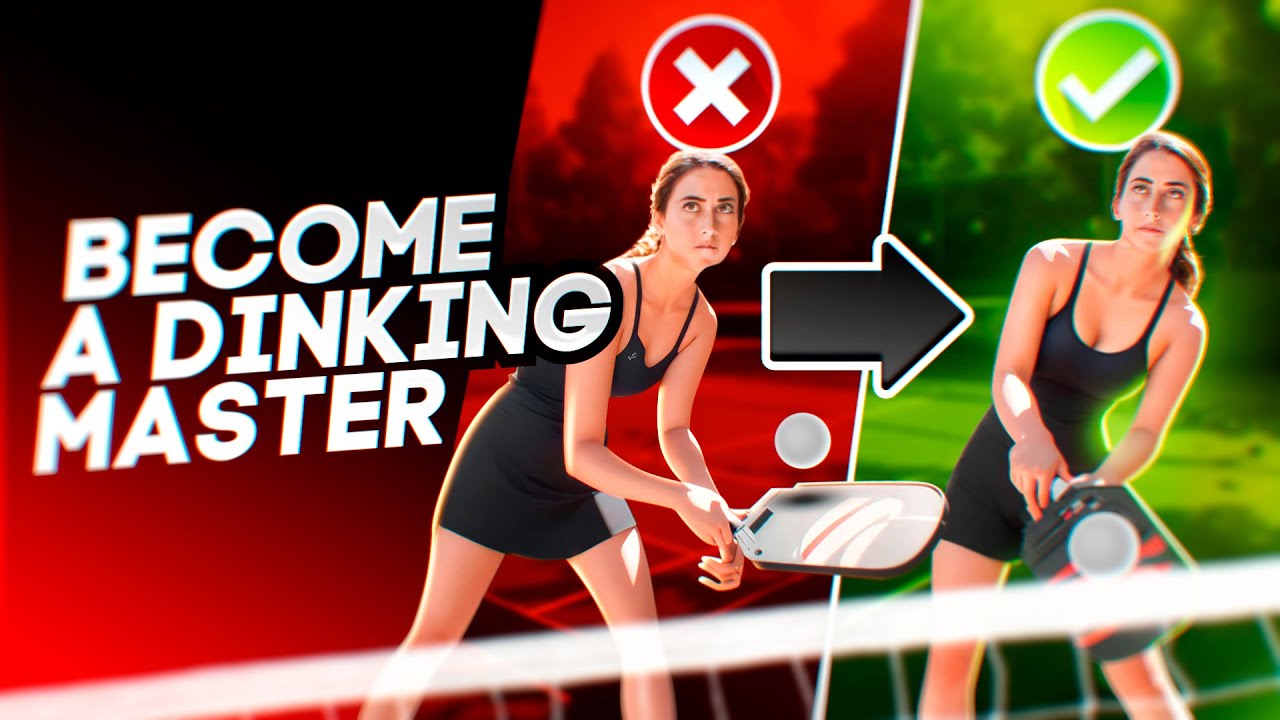
Strategic positioning involves maintaining optimal distance from the net while covering cross-court angles. This positioning allows for aggressive forward movement on short dinks while maintaining defensive stability against sharp-angled attacks.
Footwork Fundamentals for Left Side Success
Professional-level footwork patterns distinguish competent left side players from exceptional ones. The foundation involves three key movement principles:
- Split-step timing: Synchronizing movement preparation with opponent contact
- Lateral efficiency: Minimizing steps while maximizing court coverage
- Recovery positioning: Returning to optimal court position after each shot
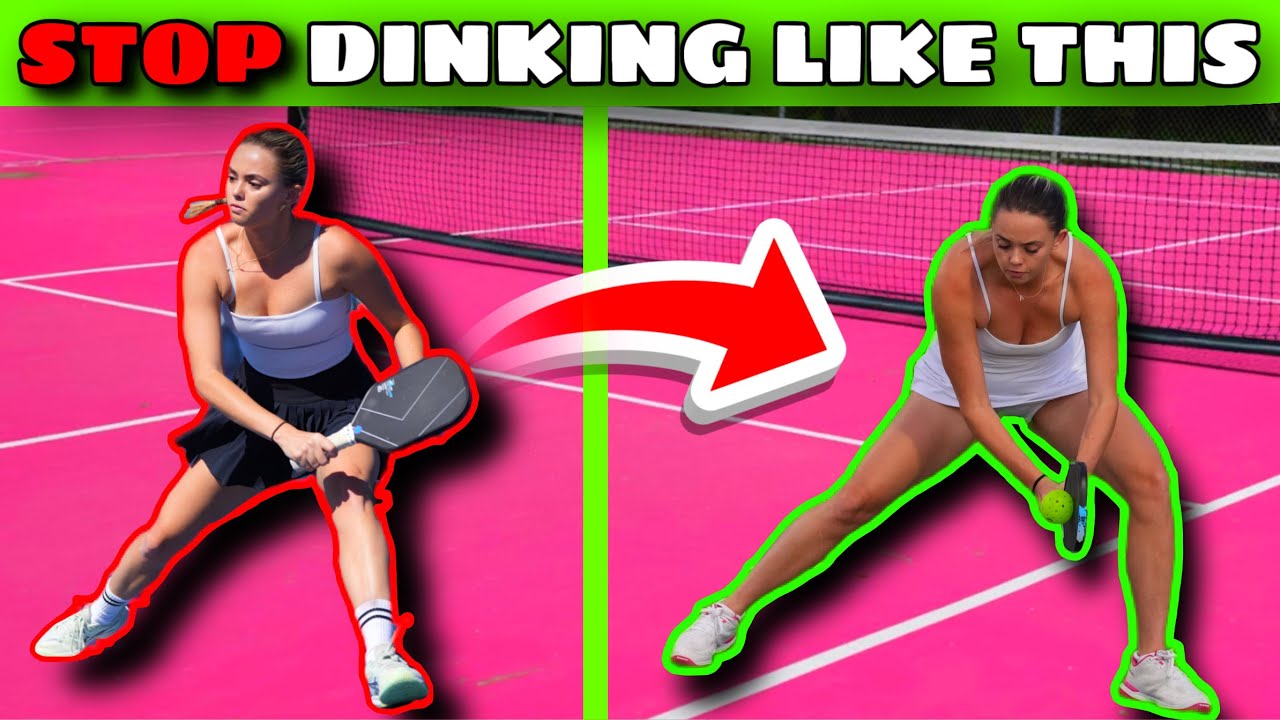
These movement patterns require consistent practice and conscious implementation during competitive play. Many players struggle with recovery positioning, leaving gaps in court coverage that experienced opponents exploit ruthlessly.
Advanced Shot Selection Strategies
Left side shot selection extends beyond basic dink placement. Elite players utilize three primary tactical approaches based on court position and opponent setup:
Cross-Court Control Patterns
Cross-court dinking from the left side creates natural angles that pressure opponents while maintaining rally safety. The geometry favors consistent depth control while opening opportunities for aggressive net play.
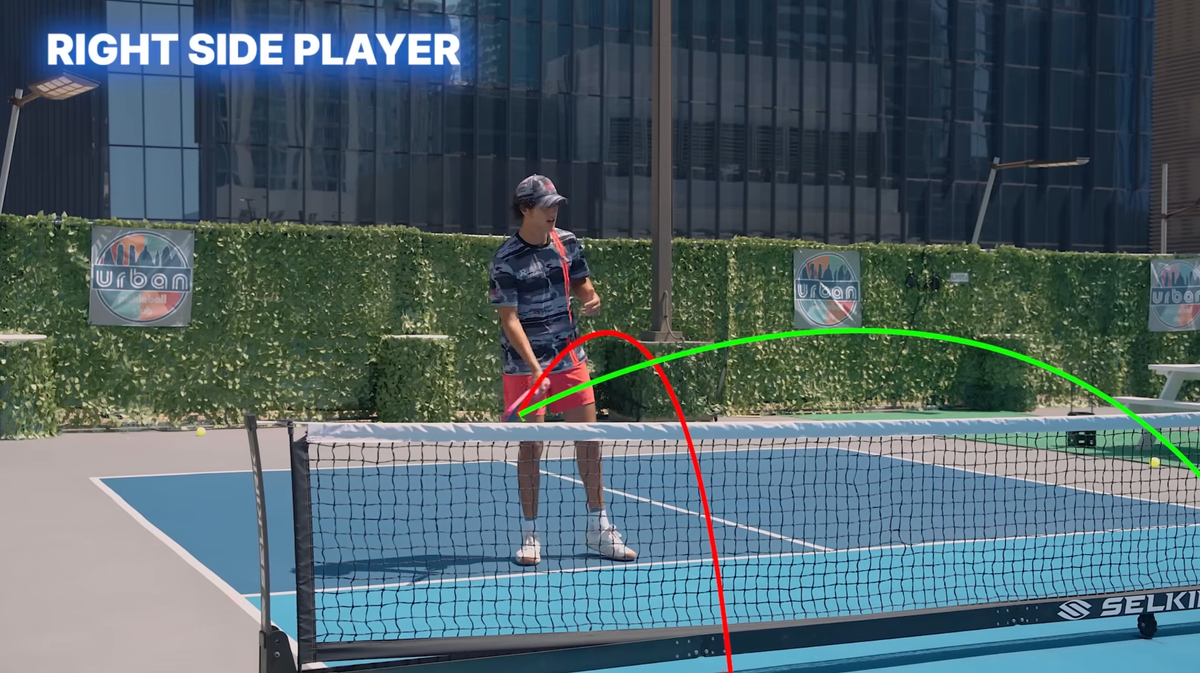
Successful cross-court patterns require precise paddle face control and consistent contact points. Players must resist the temptation to overhit, instead focusing on placement and spin variation.
Down-the-Line Pressure Tactics
Strategic down-the-line shots disrupt opponent rhythm and create confusion in their positioning. However, these shots require exceptional accuracy since margin for error decreases significantly compared to cross-court options.
Timing becomes crucial for down-the-line execution. The most effective opportunities emerge when opponents drift toward center court or commit too heavily to cross-court coverage.
Communication and Partnership Dynamics
Left side excellence depends heavily on seamless communication with the right side partner. This partnership involves both verbal and non-verbal coordination systems.
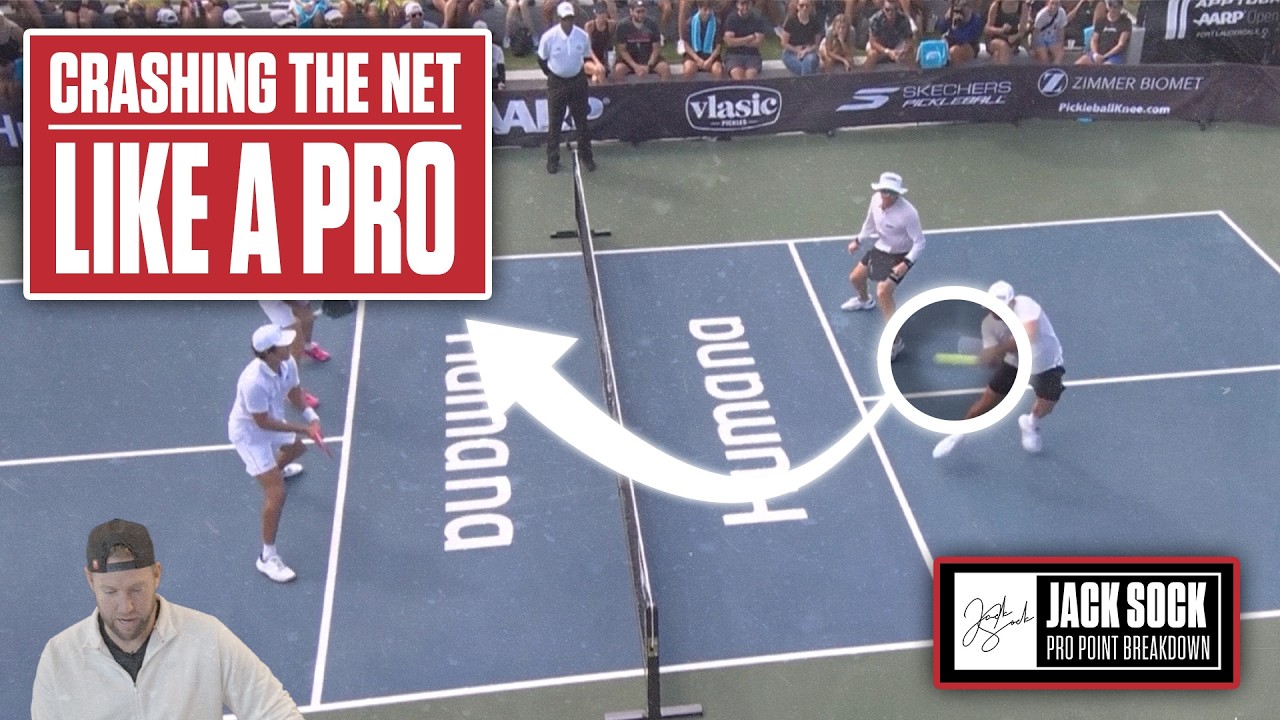
Effective teams develop pre-point discussions about court coverage responsibilities, particularly in middle zone situations where both players could potentially play the ball. Clear communication prevents confusion and maintains aggressive positioning.
Reading Partner Movement Patterns
Advanced left side players constantly monitor their partner's positioning and movement tendencies. This awareness allows for dynamic court coverage adjustments that maintain optimal team positioning throughout rallies.
Understanding partner strengths and limitations enables better tactical decisions. Some partnerships emphasize left side aggression, while others prioritize stability and consistency from that position.
Common Left Side Mistakes to Avoid
Several recurring errors plague developing left side players. Recognizing these patterns accelerates improvement and prevents the formation of difficult-to-break habits.
Overplaying balls represents the most frequent mistake. Eager left side players often poach shots better handled by their partner, creating court imbalances and communication breakdowns.
Insufficient aggression presents the opposite problem. Some players become too passive, allowing opponents to dictate rally tempo and court positioning through consistent pressure.
Frequently Asked Questions
Should left-handed players always play the left side in doubles?
Not necessarily. While left-handed players often have natural advantages on the left side due to forehand coverage patterns, team chemistry and individual skill sets should determine positioning. Some left-handed players excel on the right side, particularly those with strong backhand volleys.
How do I improve my left side dinking consistency under pressure?
Focus on shortened backswing techniques and consistent contact points during practice. Pressure situations often cause players to rush their preparation, leading to inconsistent results. Develop a reliable pre-shot routine and practice it extensively during drilling sessions.
What's the ideal court position for left side dinking?
Position yourself approximately 2-3 feet behind the non-volley zone line, slightly left of center court. This positioning provides optimal coverage for both cross-court and down-the-line shots while maintaining quick forward movement capability for short dinks.