Strategic shot placement separates tournament champions from recreational players more than any other skill in pickleball. While power and technique matter, knowing precisely where to direct every shot gives you complete control over each rally.
Most recreational players rely on instinct, hitting balls toward open court space without deeper strategic thinking. Elite players approach every shot with surgical precision, understanding that placement creates opportunities while limiting opponent options.
The Foundation of Winning Placement Strategy
Effective shot placement revolves around three core principles: court positioning, opponent movement patterns, and rally development. Each shot should serve a specific purpose in your overall game plan.
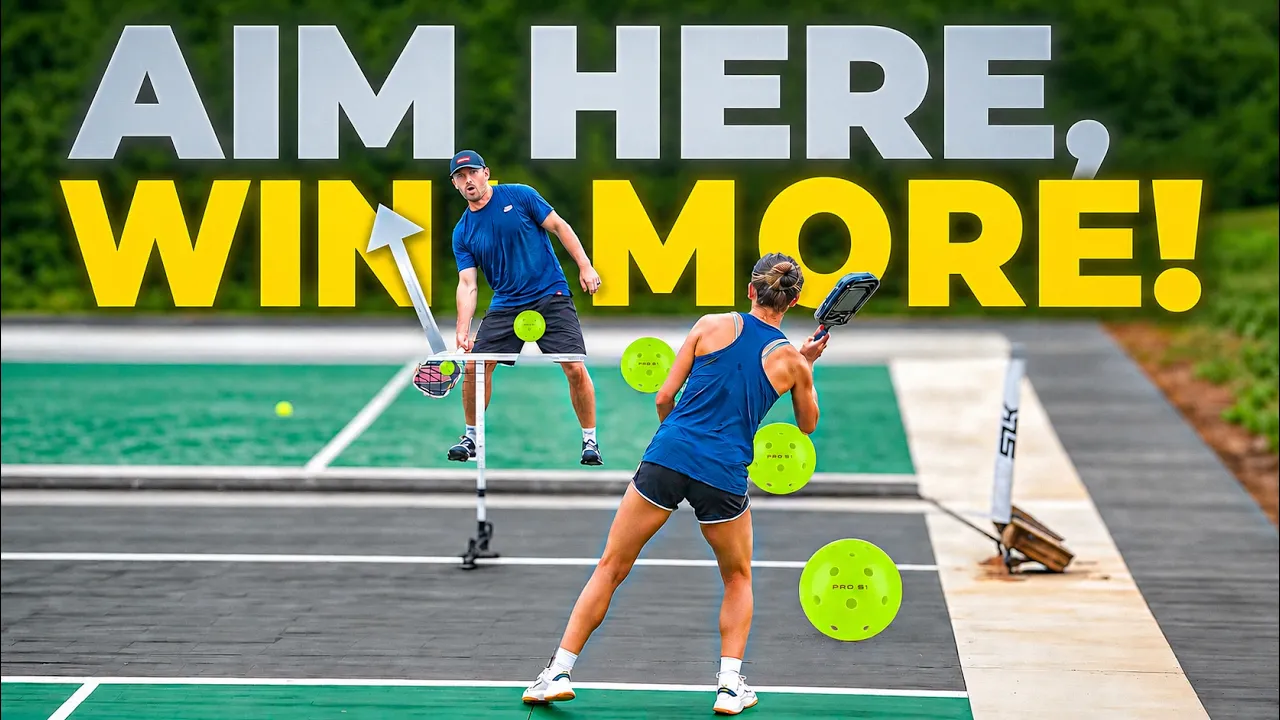
Smart placement forces opponents into uncomfortable positions, disrupts their rhythm, and creates openings for attacking shots. Rather than simply keeping balls in play, strategic placement transforms defense into offense.
Serve Placement: Starting Strong
Your serve sets the tone for every rally. Deep serves to the backhand corner immediately put returners on their heels, forcing weak returns that set up third-shot opportunities.
Vary your serve placement throughout matches. Target different zones systematically:
- Deep backhand: Forces awkward positioning and rushed returns
- Deep forehand: Prevents aggressive attacking returns
- Short serves: Disrupts timing and creates net opportunities
Return of Serve Mastery
Return placement directly impacts your ability to reach the kitchen line quickly. Aim returns deep and down the middle to minimize sharp angles while buying time to advance forward.
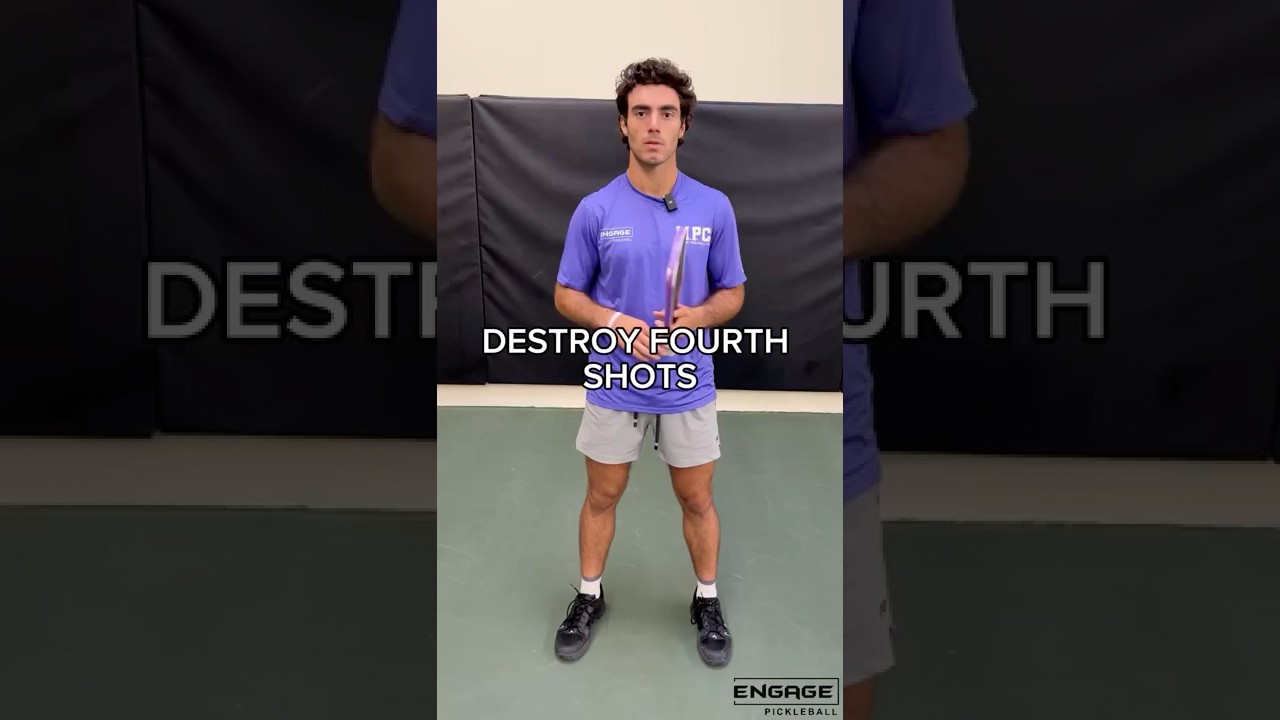
Middle returns create confusion between opponents about who should take the shot, often resulting in communication errors or weak replies.
Third Shot Strategy: The Game Changer
The third shot determines rally control more than any other stroke. Soft drops aimed at opponents' feet neutralize their net advantage and allow you to advance safely.
Third shot placement targets:
- Kitchen corners: Maximum distance for opponents to cover
- Between players: Creates hesitation and communication breakdowns
- Backhand zones: Exploits weaker strokes for most players
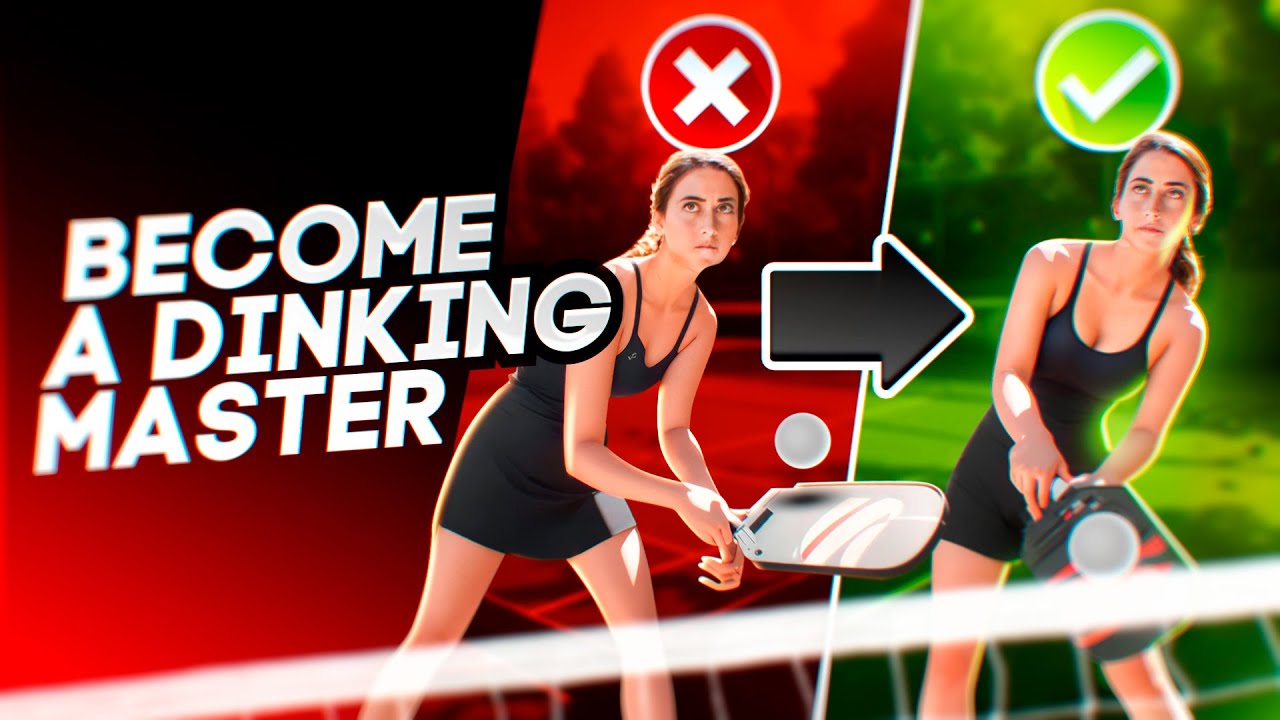
Dinking Placement: Precision at the Net
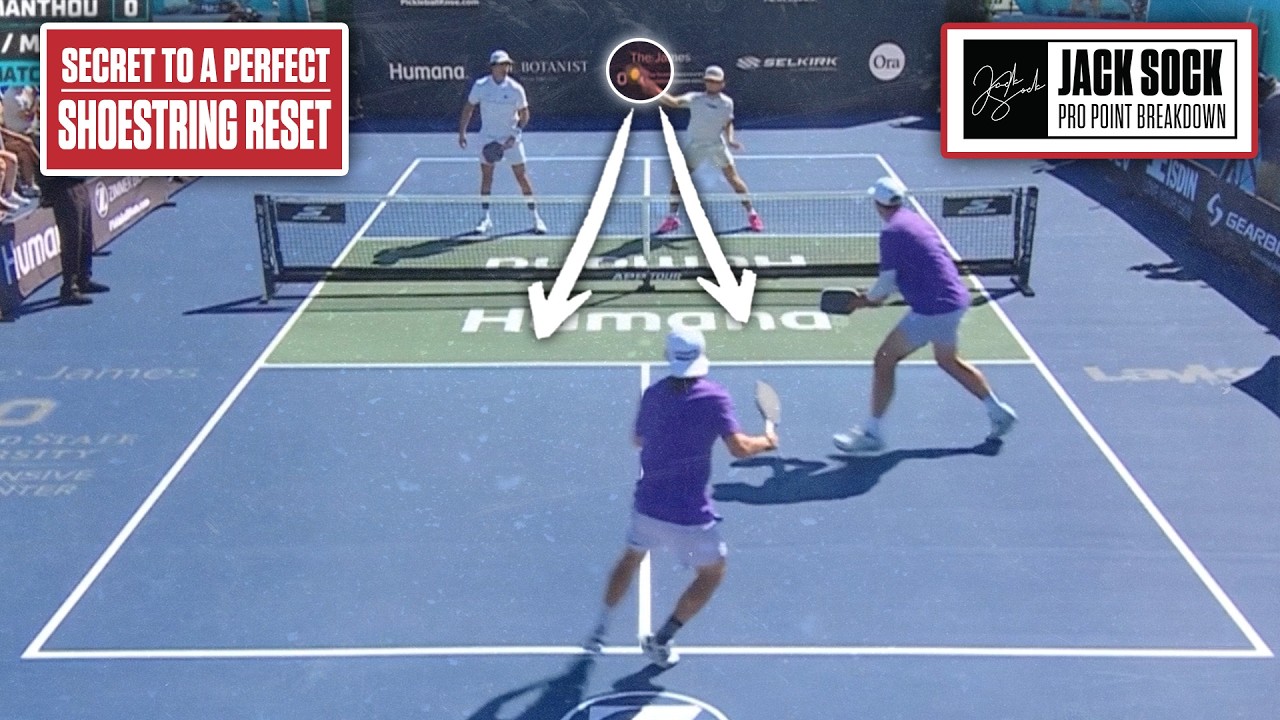
Dinking battles require patience and tactical awareness. Cross-court dinks provide the safest margin for error while setting up eventual attacking opportunities.
Advanced dinking placement involves:
- Kitchen line targeting: Forces opponents to hit up
- Sideline pressure: Stretches court coverage
- Pace variation: Disrupts opponent timing
Attacking Shot Placement
When opportunities arise for aggressive shots, target feet and sharp angles for maximum effectiveness. Attackers often rush these moments, choosing power over precision.
Smart attacking targets include:
- Open court spaces: Unreachable zones
- Body shots: Limit reaction time
- Behind opponents: Exploit forward momentum
Reading Your Opponents
Effective placement requires constant opponent assessment. Identify movement patterns, preferred shots, and court positioning tendencies to exploit weaknesses systematically.
Watch for:
- Favorite return locations
- Backhand vs. forehand preferences
- Net positioning habits
- Recovery speed after difficult shots
Practice Makes Permanent
Developing placement consistency requires focused practice. Use target zones during drilling sessions, gradually reducing target size as accuracy improves.
Set up cone markers or use court tape to create specific targets. Practice with purpose rather than simply hitting balls to develop muscle memory for strategic placement.
FAQ
What's the most important shot placement in pickleball?
The third shot drop placement is crucial because it determines whether you can successfully transition to the net and gain control of the rally.
Should I always aim for corners when placing shots?
Not always. While corners provide maximum court coverage challenges, middle shots can create confusion between opponents and offer safer margins for error.
How do I improve my shot placement consistency?
Practice with specific targets during every session, start with larger targets and gradually reduce size, and focus on placement over power during drills.