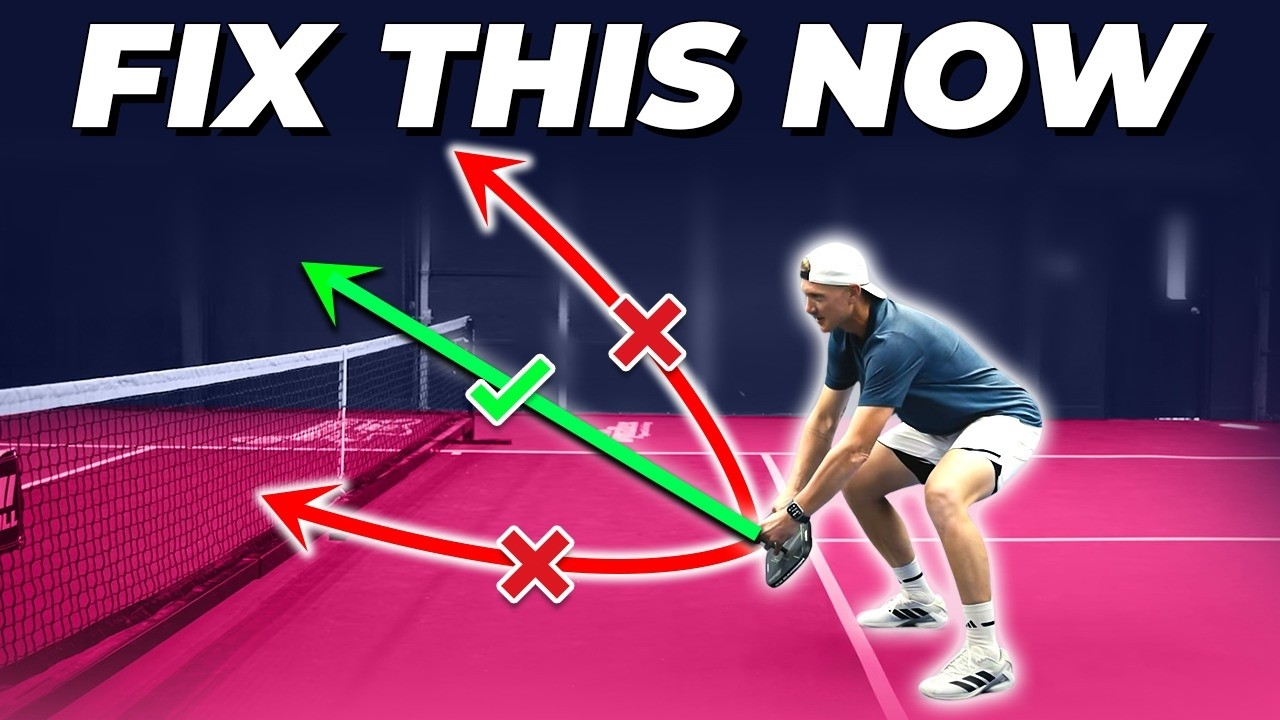
The kitchen is where pickleball matches are truly decided. While recreational players focus on power shots and dramatic volleys, pros understand that mastering the dink game is the pathway to consistent victories and higher-level play.
Advanced dinking isn't about hitting the softest possible shot—it's about wielding surgical precision to control your opponent's options while creating opportunities for yourself.
The Mental Game: Think Like a Chess Master
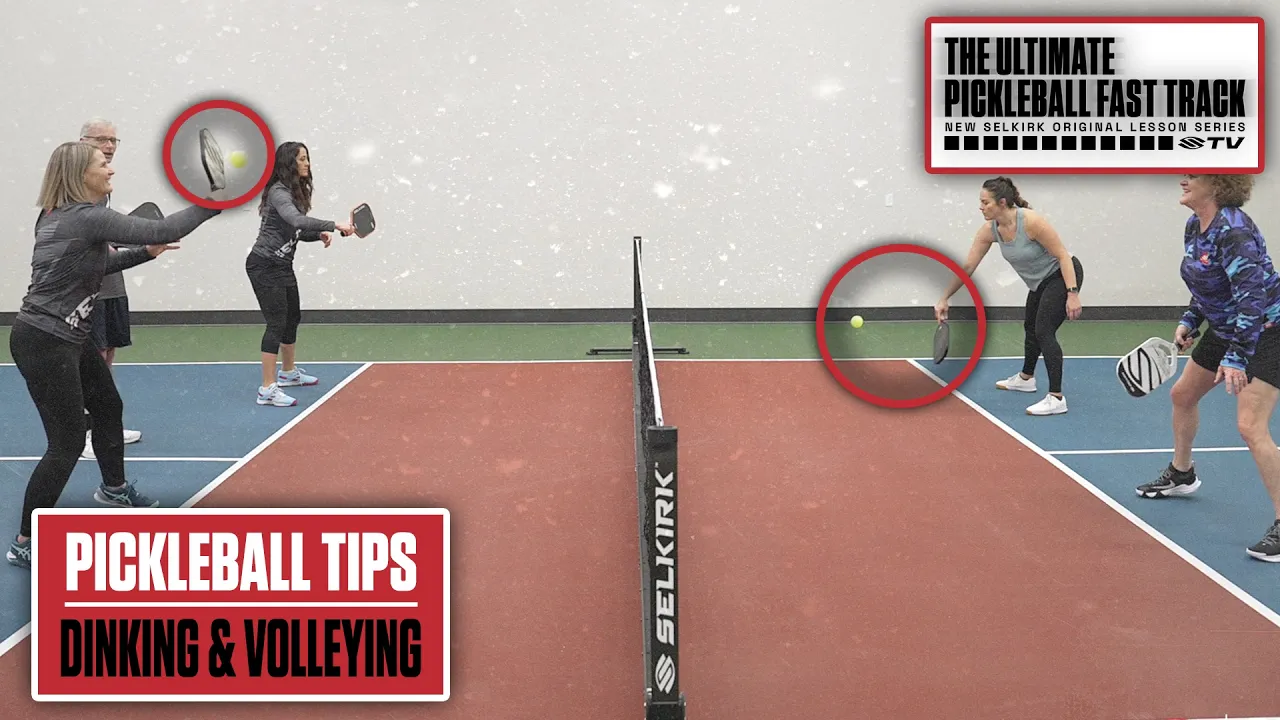
Professional players approach dinking with a strategic mindset that extends far beyond the immediate shot. Each dink serves multiple purposes: testing opponent positioning, creating angles, and building toward a winning opportunity.
The key mental shift: Stop thinking about ending the point quickly. Instead, focus on improving your position with every exchange. This patience often frustrates opponents into making errors or giving you attackable balls.
Precision Over Power: Technical Fundamentals
The most crucial technical element separating amateur and professional dinking is minimal paddle movement. Pros use compact, controlled motions that emphasize placement over pace.
Paddle Position and Grip
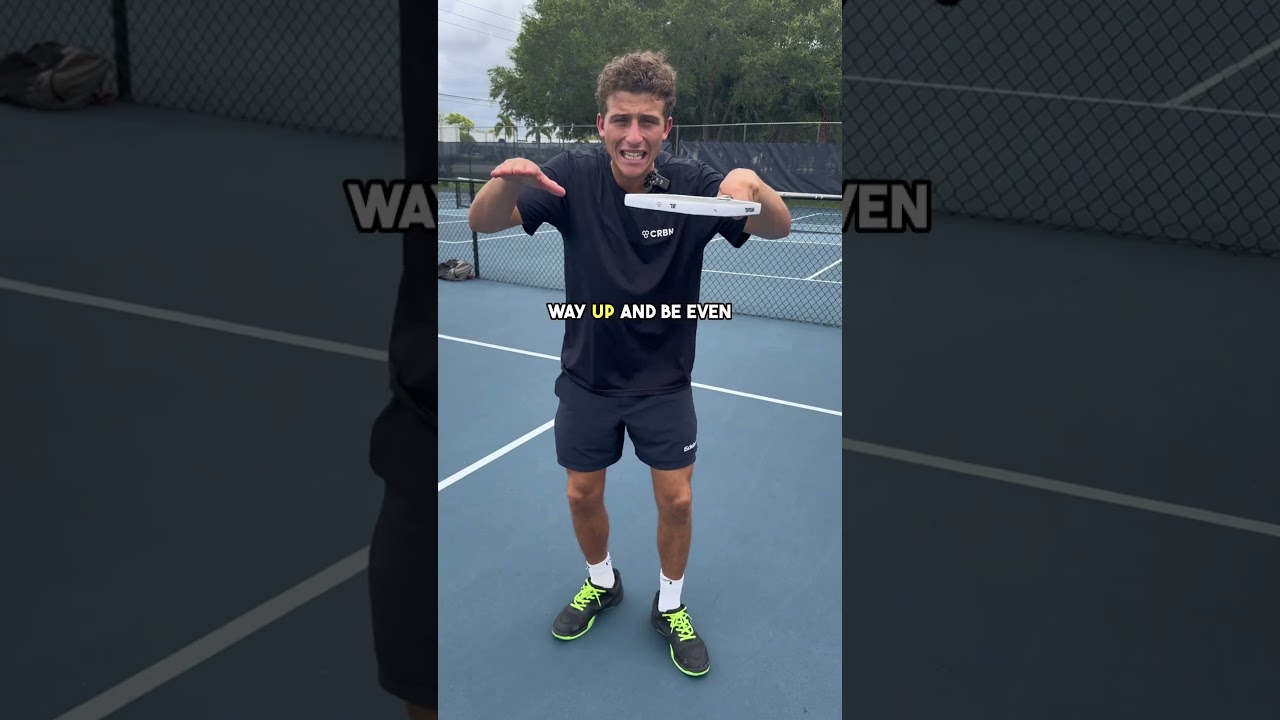
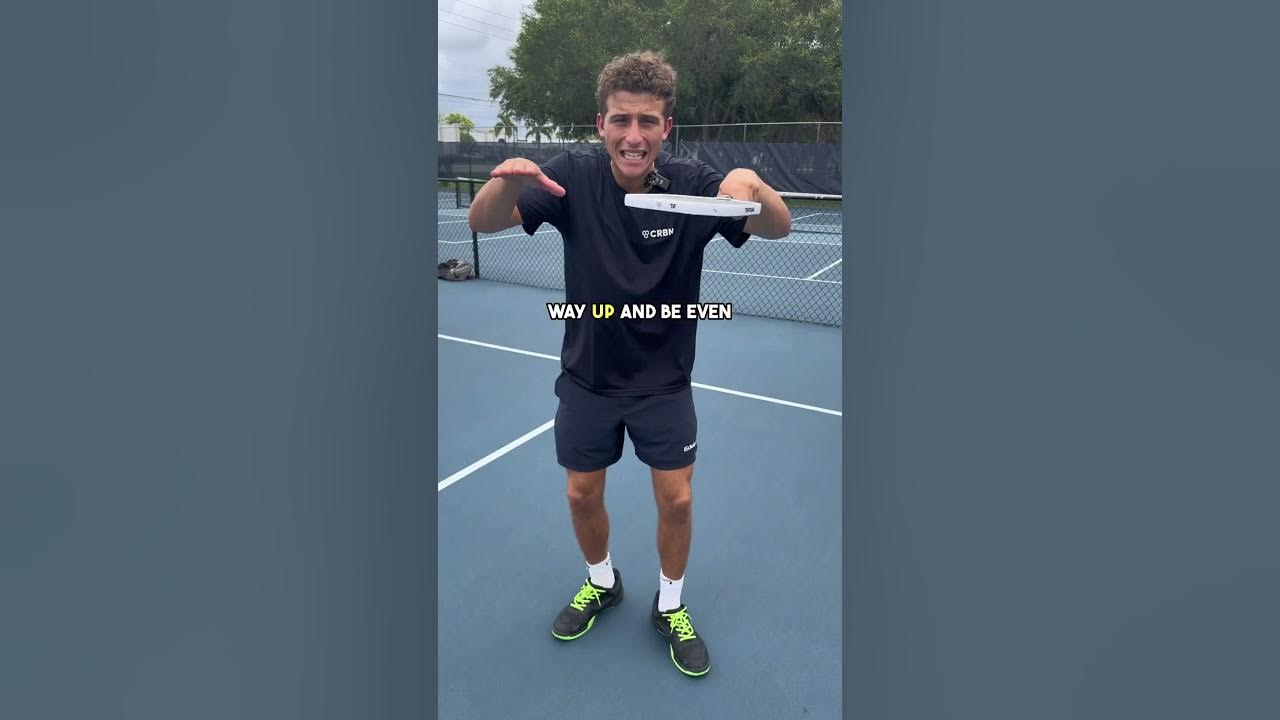
Maintain your paddle face slightly open with a continental grip. This setup allows for consistent contact point control while providing the subtle touch needed for precise placement. Your grip pressure should remain light—tension kills feel.
Body Positioning Secrets
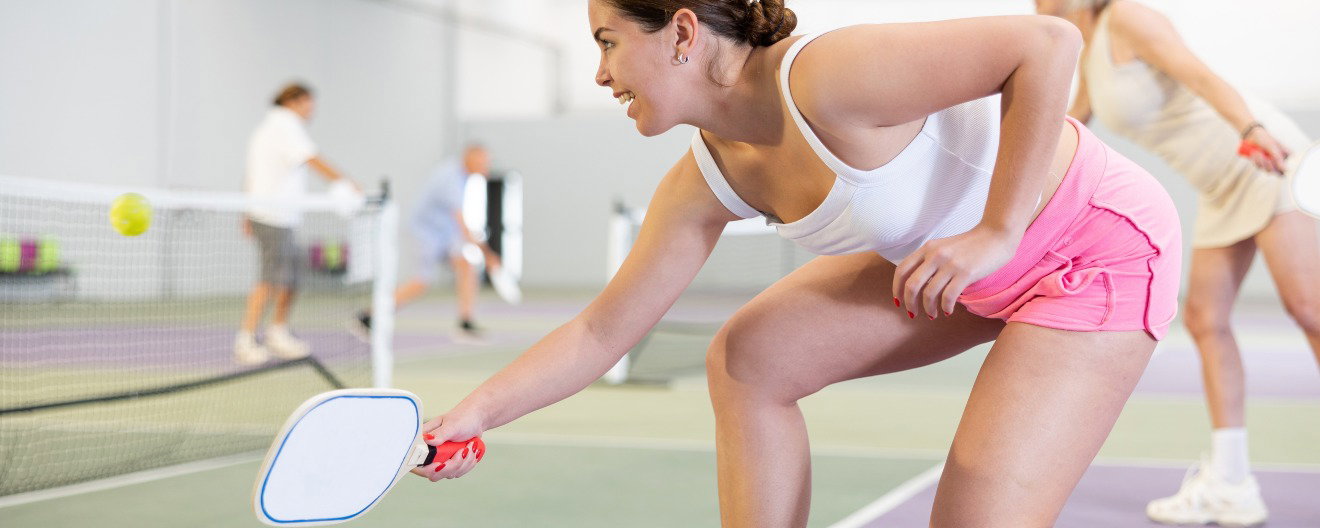
Advanced players position themselves differently during dink rallies. Rather than standing perfectly parallel to the net, angle your body slightly to create better reach and balance. Keep your weight slightly forward on the balls of your feet.
Advanced Dinking Patterns and Strategies
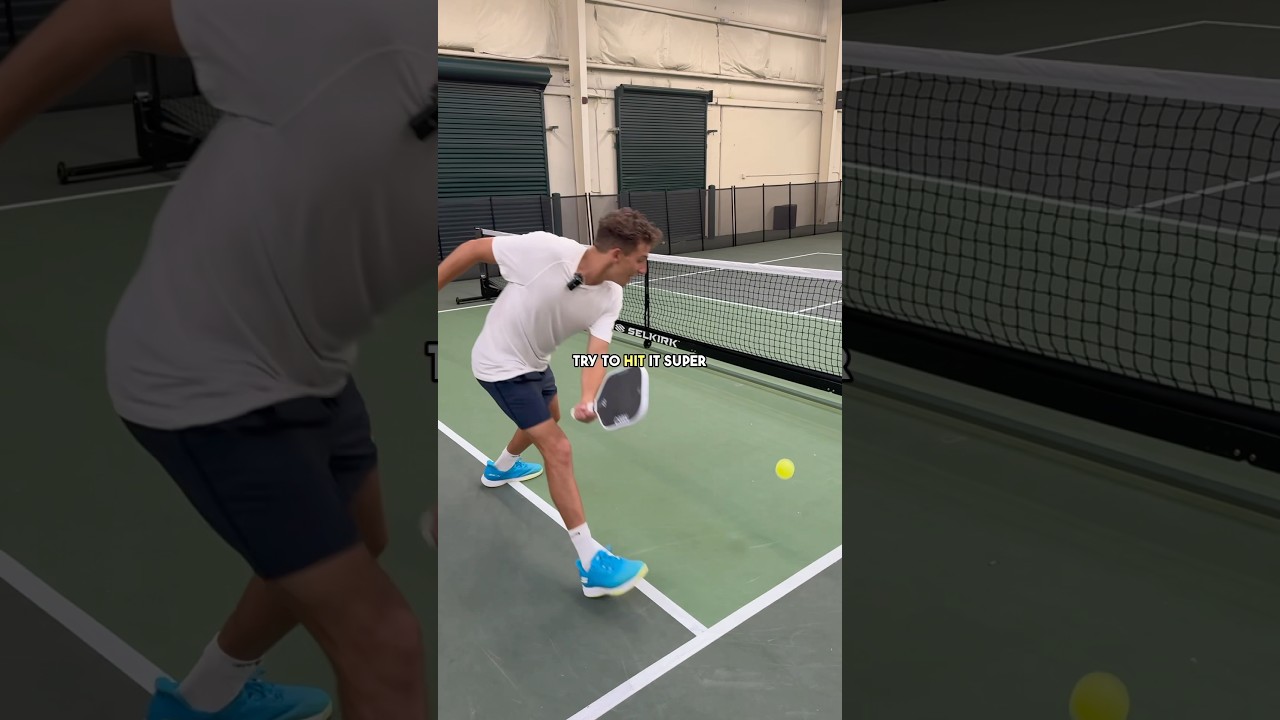
Professional dinking involves deliberate patterns designed to create specific outcomes. Understanding these sequences elevates your game dramatically.
The Cross-Court Foundation
Start most dink exchanges cross-court, as this provides the largest margin for error and opens more angles. Use cross-court dinks to establish rhythm while observing your opponent's movement patterns and weaknesses.
Strategic Direction Changes
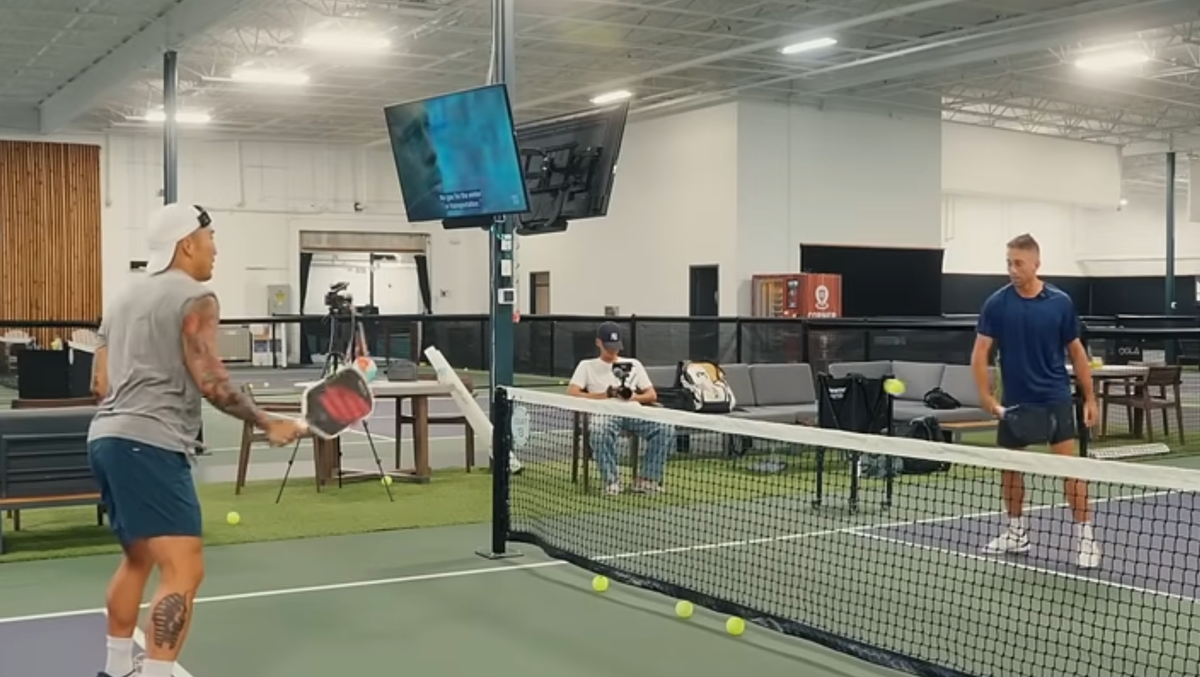
Once you've established cross-court rhythm, strategic direction changes become powerful weapons. The key is timing—change direction when your opponent is moving or slightly off-balance, not when they're set and ready.
Pro tip: The most effective direction changes happen after 3-5 cross-court exchanges, when opponents settle into predictable movement patterns.
Reading Your Opponent's Weaknesses
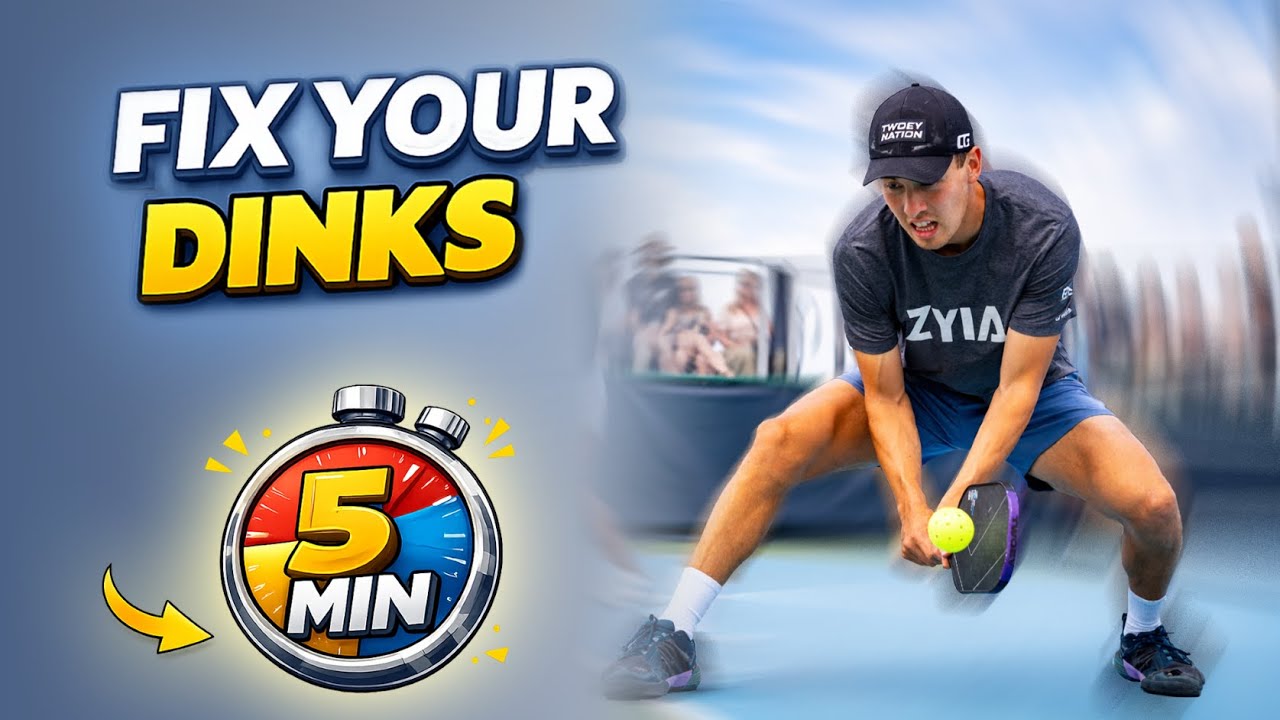
Elite players constantly gather information during dink rallies. Watch for these telling signs:
- Footwork patterns: Does your opponent favor one side or struggle with wide shots?
- Paddle position: Are they dropping their paddle too low or holding it too high?
- Balance issues: Do they lean too far forward or struggle with shots to their backhand?
This intelligence gathering allows you to construct points methodically rather than hoping for lucky outcomes.
Creating Attackable Opportunities
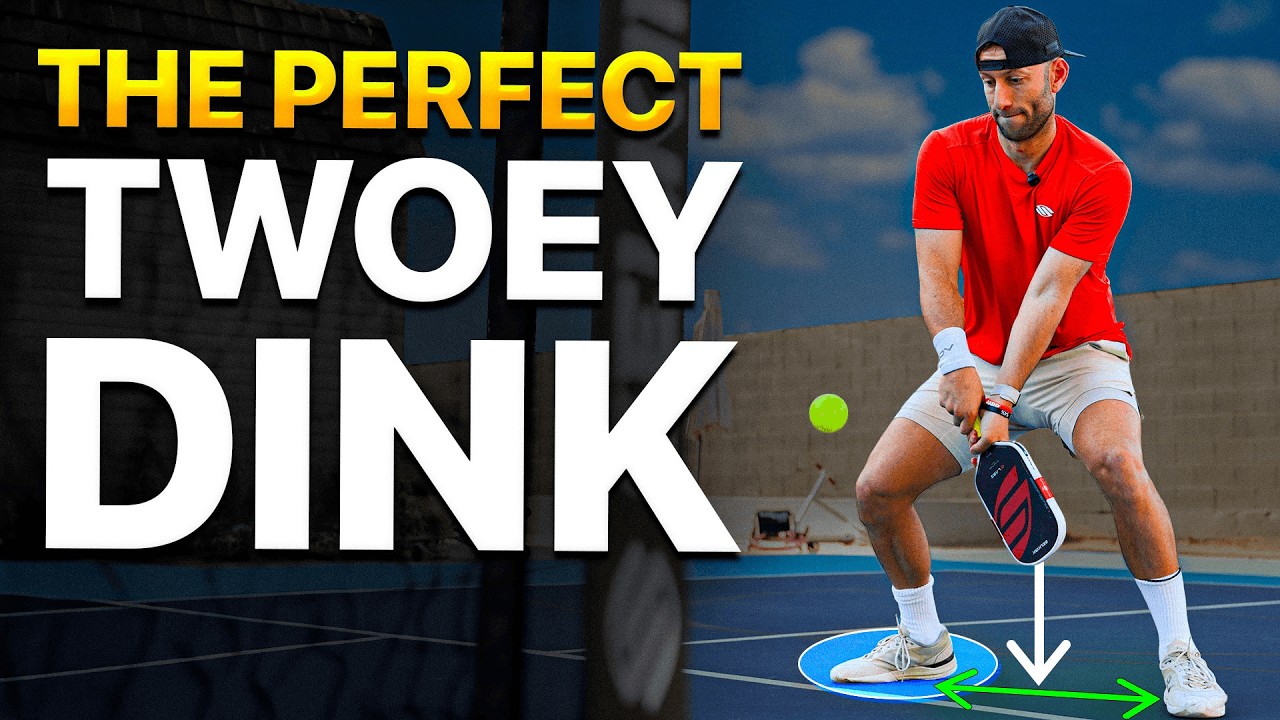
The ultimate goal of advanced dinking is creating balls you can attack. This happens through:
Height Variation
Vary your dink heights subtly. Lower dinks force opponents to hit up, potentially creating pop-ups. Slightly higher dinks can draw them forward, opening up passing shots.
Pace Changes
Incorporate slight pace variations to disrupt opponent timing. A slightly firmer dink after several soft ones can push them back or create awkward contact points.
Common Advanced Dinking Mistakes
Even experienced players make crucial errors that limit their effectiveness:
- Over-dinking: Continuing to dink when attackable balls appear
- Predictable patterns: Using the same sequences repeatedly
- Poor recovery: Not resetting position quickly after each shot
Practice Drills for Pro-Level Improvement
Dedicated practice with specific drills accelerates your dinking development. Focus on consistency first, then add complexity through target practice and pattern work.
The path to advanced dinking mastery requires patience, practice, and strategic thinking. By implementing these professional techniques and maintaining focus on precision over power, you'll develop the kitchen control that wins matches at every level.
Frequently Asked Questions
How long does it take to develop advanced dinking skills?
Most players see significant improvement in 3-6 months with regular practice, but mastering pro-level dinking typically requires 1-2 years of focused development.
What's the biggest mistake recreational players make when dinking?
The most common error is trying to end points too quickly instead of building toward better opportunities through patient, strategic play.
Should I practice dinking drills alone or with partners?
Both approaches are valuable. Solo wall practice builds consistency and touch, while partner drills develop tactical awareness and real-game scenarios.