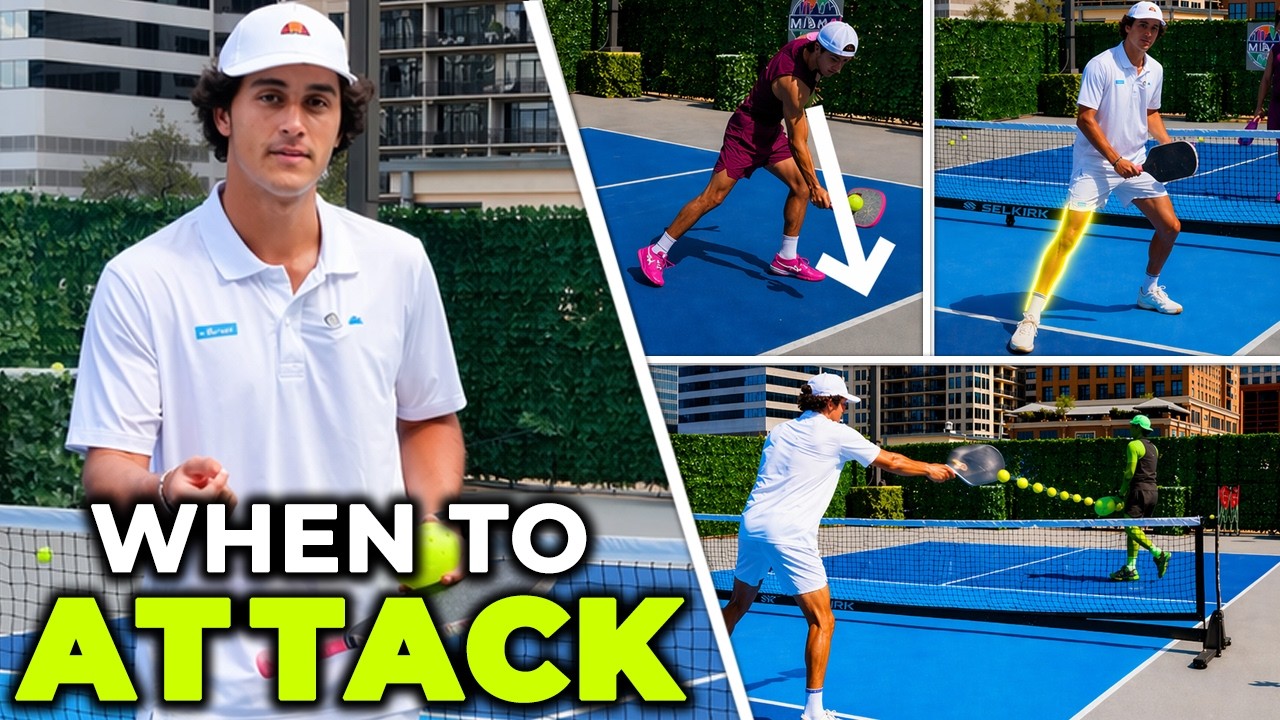
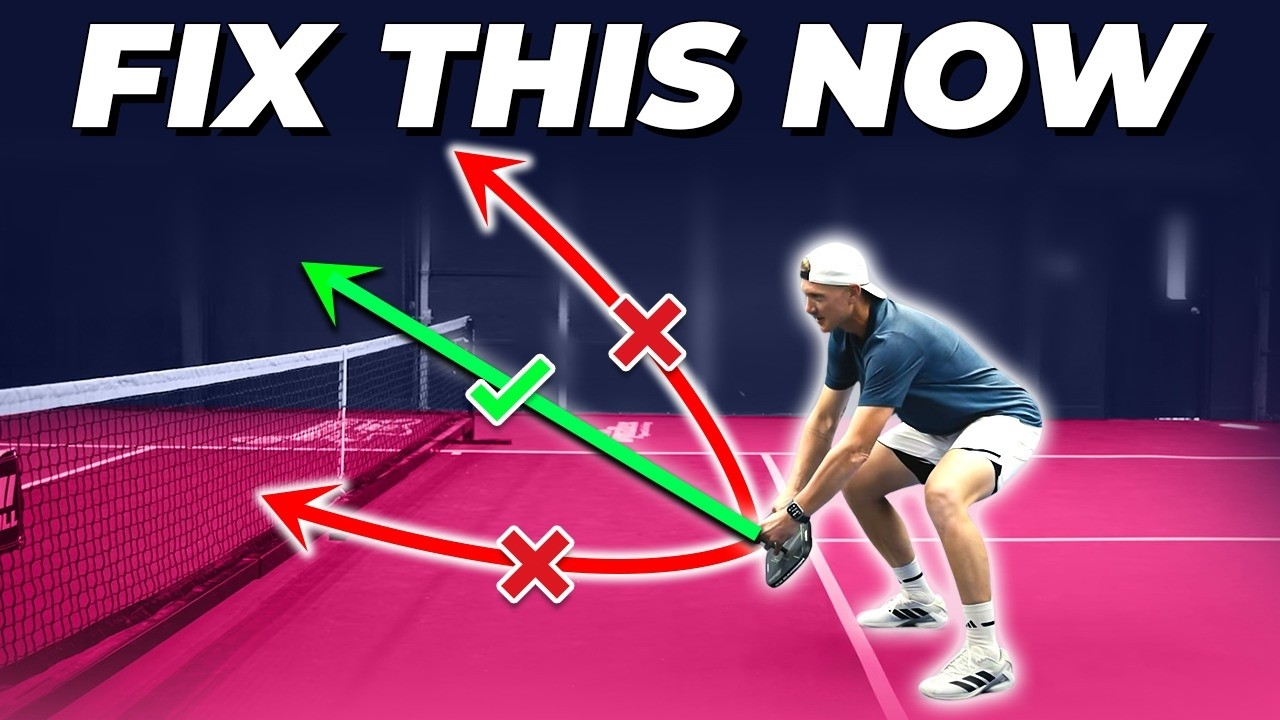
Professional pickleball player and coach Tanner Tomassi has spent four years grinding through competitive tournaments, analyzing his game, and working with players at every skill level. Through all that experience, one lesson stands above the rest: proactive pickleball consistently outperforms reactive play.
This revelation isn't about having the perfect serve, flawless footwork, or the latest premium paddle. Instead, it centers on a fundamental shift in mindset that can transform any player's game immediately.
What Proactive Pickleball Really Means
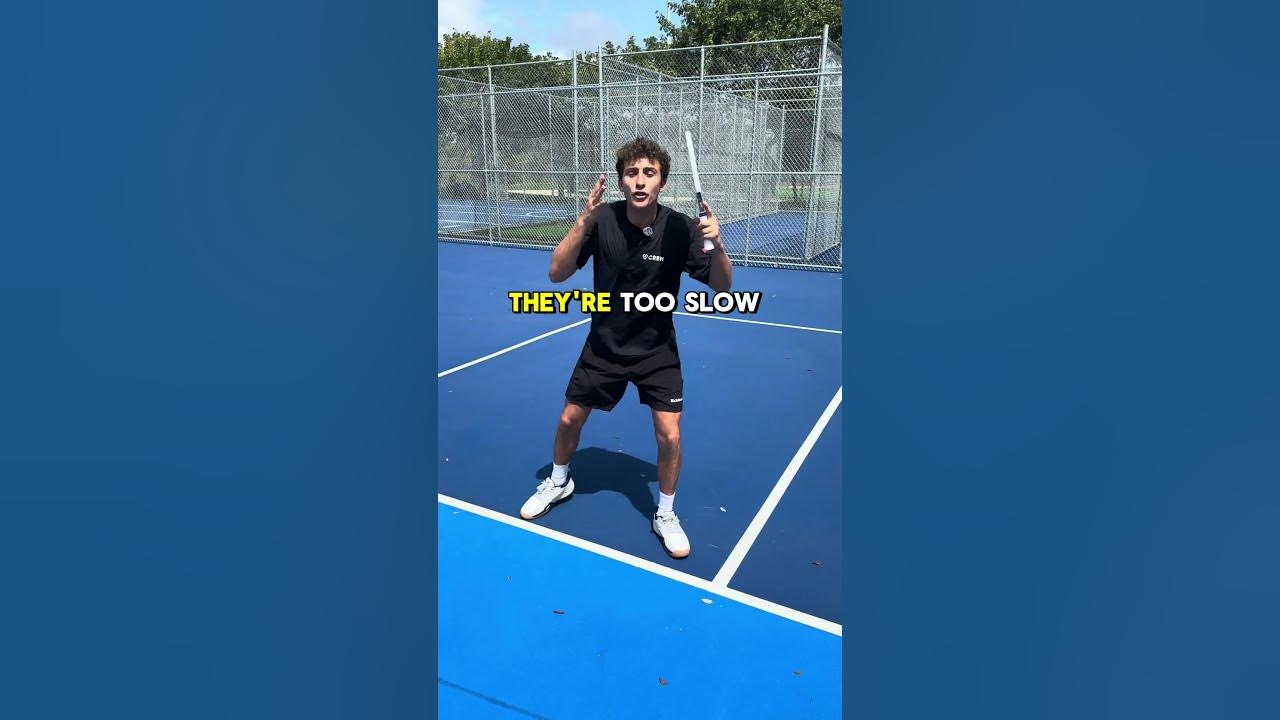
Proactive pickleball goes beyond simply being aggressive. It's about controlling the rhythm and flow of each point rather than responding to what your opponents dictate. This approach involves three core elements:
- Mindset: Thinking two shots ahead instead of reacting to the current ball
- Positioning: Moving to where the ball will be, not where it currently is
- Initiative: Creating opportunities rather than waiting for them to appear
According to Tomassi, this distinction separates recreational players from competitive ones more than any technical skill. Players who master proactive thinking can overcome superior athleticism or equipment advantages.
The Problem with Reactive Play
Most pickleball players fall into reactive patterns without realizing it. They wait for their opponents to make mistakes, respond to shots instead of anticipating them, and position themselves based on where the ball currently sits.
This reactive approach creates several problems:
- You're always one step behind in positioning
- Your opponents control the pace and strategy
- You miss opportunities to create winning shots
- Games become more about luck than skill
Reactive players often plateau because they're not actively working to improve their court positioning or strategic thinking. They focus on perfecting their technique while ignoring the mental game that drives success.
Implementing Proactive Strategies
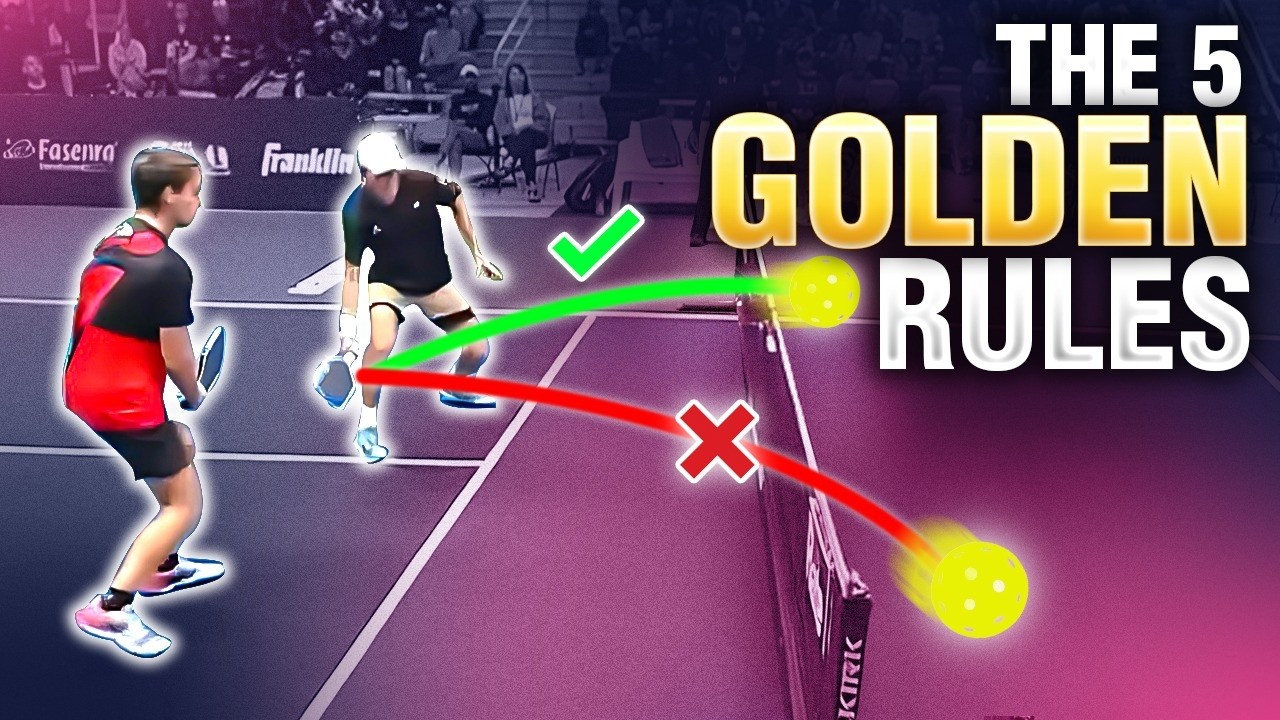
Transitioning from reactive to proactive play requires practice and intentional focus. Here are key strategies that any player can implement:
Anticipate Shot Patterns
Start recognizing common shot sequences and positioning yourself accordingly. If your opponent consistently hits cross-court returns, move toward that area before they make contact with the ball.
Hunt for Weaknesses
Instead of waiting for your opponents to make errors, actively target their weaker sides or uncomfortable positions. This forces them into defensive positions and creates offensive opportunities.
Control the Kitchen Line
Proactive players work to establish and maintain net position rather than hoping for the perfect opportunity to advance. They create chances to move forward through strategic shot placement.
Mental Game Transformation
The shift to proactive play requires rewiring your mental approach to each point. This means:
- Planning your next shot while the current ball is in play
- Constantly evaluating court positioning for all four players
- Looking for patterns in your opponents' games
- Making deliberate choices about shot selection and placement
This mental engagement makes the game more dynamic and enjoyable while dramatically improving results. Players report feeling more confident and in control when they adopt proactive strategies.
Beyond Individual Technique
What makes Tomassi's insight so valuable is that it transcends individual skills. A player with average technique but strong proactive instincts can consistently defeat more technically skilled reactive players.
This principle applies at every level, from beginners learning basic positioning to advanced players competing in tournaments. The fundamentals of thinking ahead, controlling tempo, and creating opportunities remain constant regardless of skill level.
The beauty of proactive pickleball is its immediate applicability. Players can start implementing these concepts in their very next game, often seeing results within a single session.
Frequently Asked Questions
How long does it take to develop proactive playing habits?
Most players notice improvements within 2-3 weeks of conscious practice. However, fully developing proactive instincts typically takes 2-3 months of consistent focus during games and practice sessions.
Can beginners implement proactive strategies effectively?
Absolutely. Beginners can start with simple concepts like moving toward anticipated shot locations and thinking one shot ahead. These foundational habits will accelerate their overall development significantly.
Does proactive play work in doubles and singles equally?
Yes, though the specific applications differ. In doubles, proactive play focuses more on communication and coordinated positioning, while singles emphasizes court coverage and shot selection anticipation.