The pickleball serve has undergone a complete transformation in recent years, shifting from a basic "just get it in" approach to a sophisticated offensive weapon that can dictate the entire point before the rally begins.
Modern pickleball demands more than basic consistency from your serve. Today's top players use strategic depth, controlled power, and precise placement to immediately pressure opponents and create advantageous court positions.
Why the Traditional Serve Falls Short
The old-school pickleball serve focused purely on getting the ball over the net and into the service box. While this conservative approach minimized errors, it also handed opponents easy opportunities to attack with aggressive returns.
Championship-level players now recognize that a weak serve is essentially gifting your opponent the first offensive shot. In competitive play, this passive approach leads to immediate defensive positioning and lost points.
The Modern Serve Mechanics
Grip and Stance Foundation
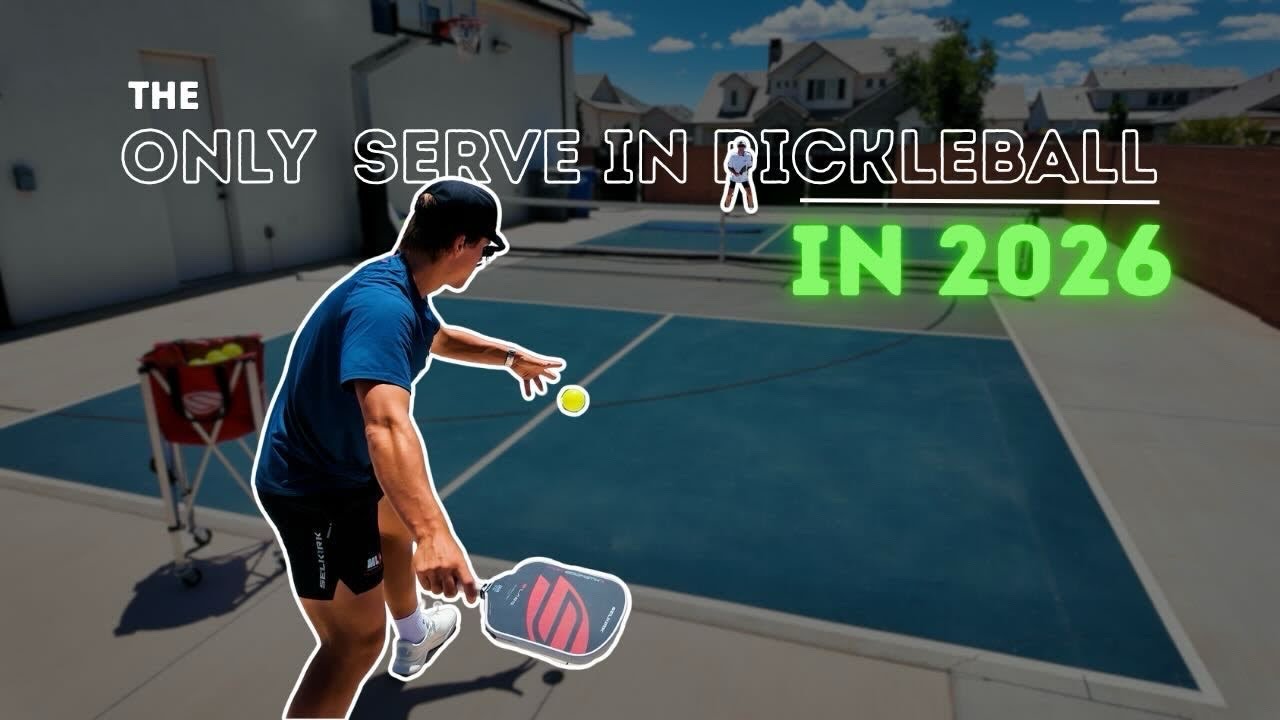
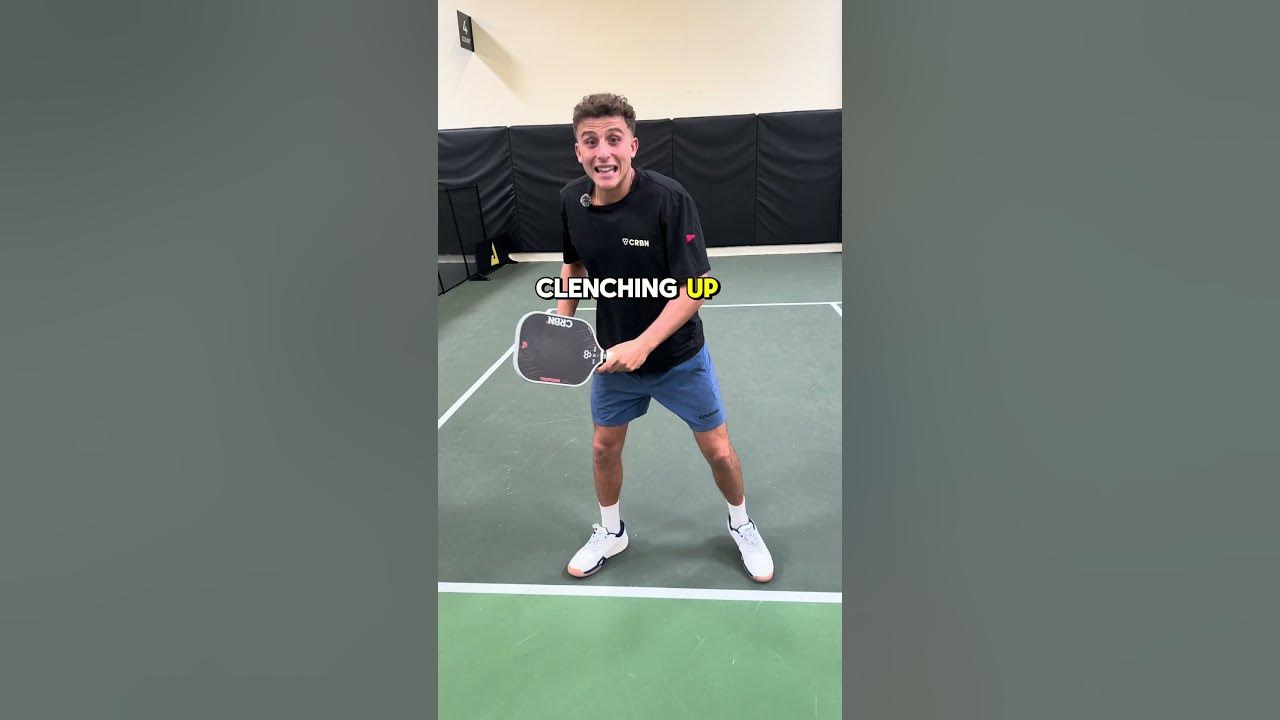
Start with a continental grip, positioning your paddle face slightly open at contact. Your stance should be square to the baseline, with feet shoulder-width apart for optimal balance and power transfer.
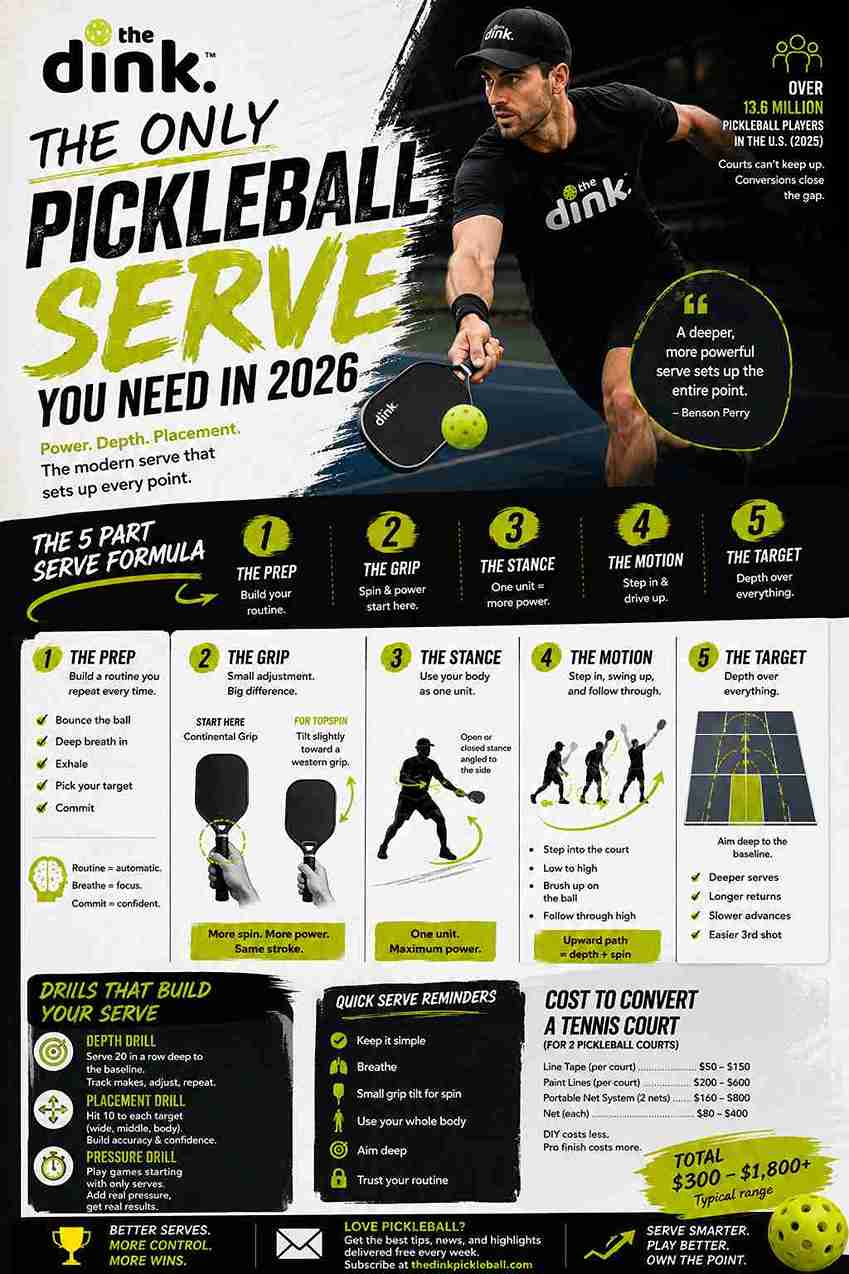
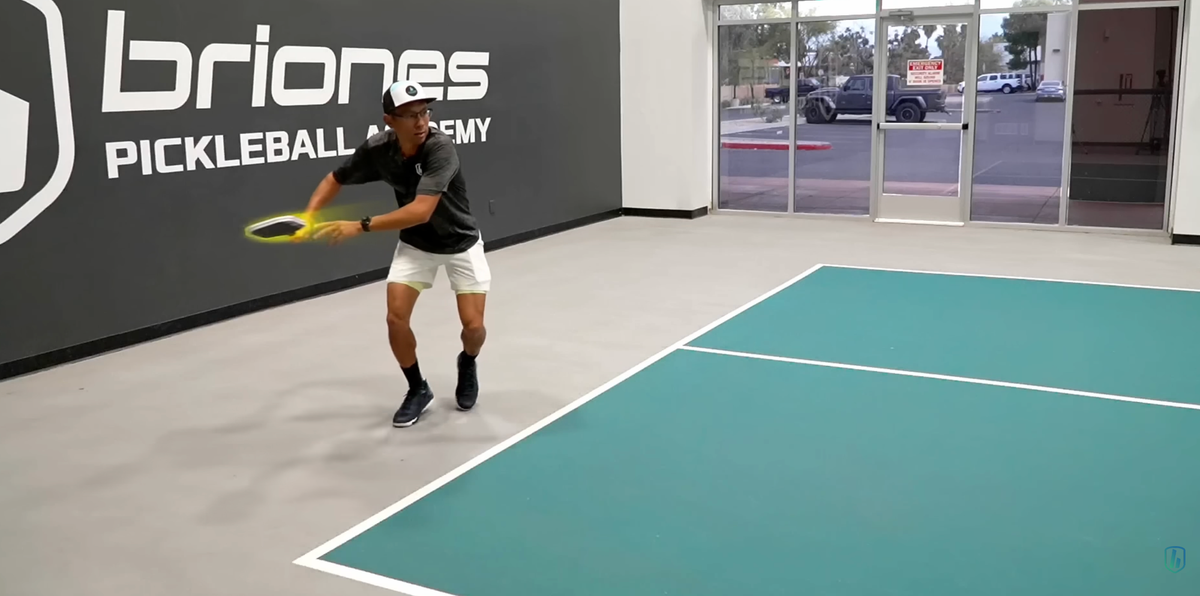
The serving motion begins with a smooth pendulum swing, keeping your paddle face controlled throughout the entire motion. Unlike tennis, pickleball requires an underhand motion, but this doesn't mean sacrificing power or precision.
Contact Point and Follow-Through
Strike the ball at the highest point of your natural swing arc, ensuring contact occurs below your waist as required by pickleball rules. The key is maintaining a consistent contact point while generating forward momentum through your entire body.
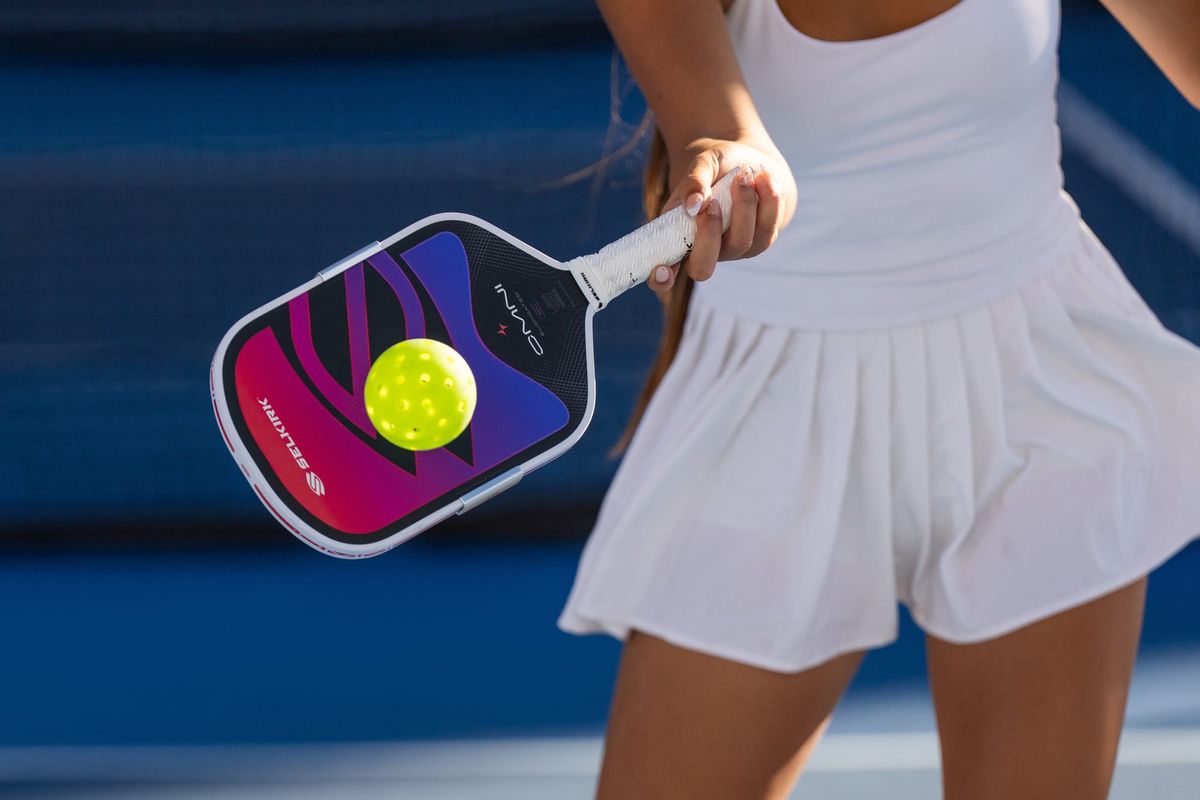
Your follow-through should extend toward your target, with the paddle finishing high and across your body. This motion creates the necessary topspin and depth to push your opponent deep into their backcourt.
Strategic Targeting for Maximum Impact
Deep Corner Placement
Target the deep corners of the service box, particularly the backhand side of your opponent. This forces them to hit their return from an uncomfortable position while moving backwards, limiting their offensive options.
Deep serves create longer return distances, giving you more time to reach the non-volley zone and establish offensive positioning for the third shot.
Body Targeting
Occasionally serve directly at your opponent's body, especially when they position themselves wide to cover corner shots. This tactic can jam their return motion and create weak replies.
Power Development Without Sacrificing Control
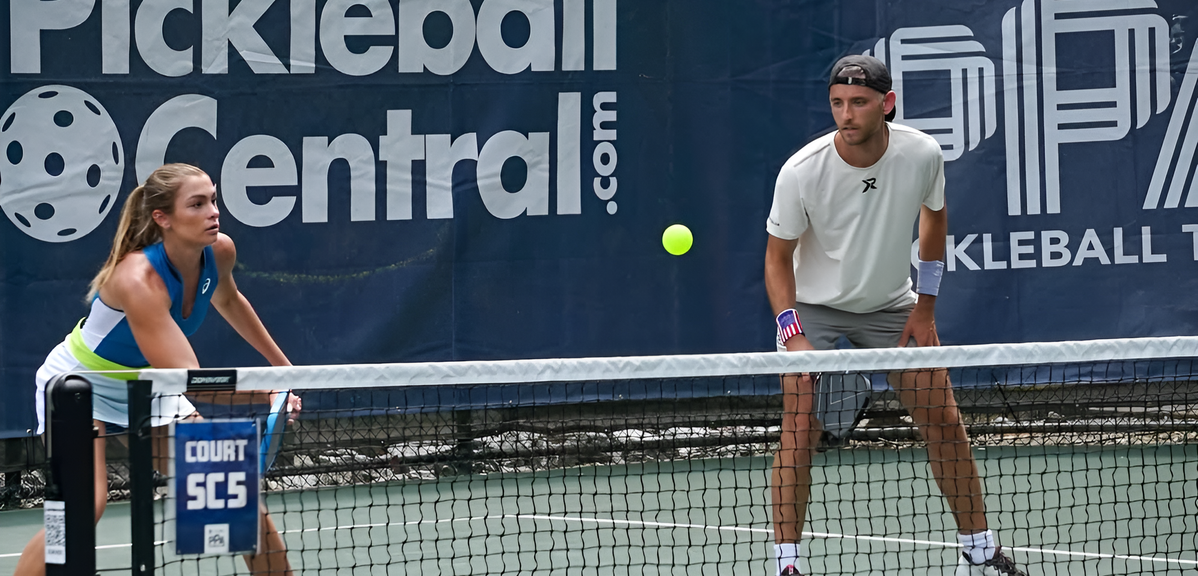
Generating serve power comes from proper kinetic chain usage rather than arm strength alone. Start your motion with a slight weight shift to your back foot, then drive forward through your legs and core.
The paddle acceleration should occur naturally through this body rotation, creating effortless power while maintaining accuracy. Focus on smooth acceleration rather than explosive contact for optimal consistency.
Essential Practice Drills
Target Zone Repetition
Place targets in the deep corners of both service boxes and practice hitting 10 consecutive serves to each target. Track your accuracy percentage and gradually increase your serving pace while maintaining precision.
Depth Control Drill
Practice serving to land within two feet of the baseline consistently. This drill develops the touch and power balance necessary for putting pressure on returners without overhitting.

Serve and Transition
Practice your complete serving sequence: serve deep, split-step, then move forward toward the non-volley zone. This drill integrates serving with court positioning for realistic match scenarios.
Mental Approach and Match Implementation
Develop a consistent pre-serve routine that includes target visualization and breathing control. This mental preparation ensures you execute your technical training under match pressure.
Start each point with clear intention about where you're serving and why. Random serving reduces effectiveness compared to strategic targeting based on your opponent's positioning and weaknesses.
Frequently Asked Questions
How often should I vary my serve placement during matches?
Vary your serve placement approximately 70% deep corners, 20% body serves, and 10% short serves to keep opponents guessing while maintaining pressure through depth.
What's the biggest mistake recreational players make with their serve?
The most common error is serving too conservatively short in the service box, which gives opponents easy attacking opportunities. Focus on consistent depth over extreme placement.
How can I add more power without losing accuracy?
Power should come from your body rotation and kinetic chain, not just arm swing. Practice serving with smooth acceleration while maintaining your consistent contact point and follow-through pattern.