The forehand counter stands as one of pickleball's most demanding yet rewarding shots, particularly challenging for players using the continental grip. This essential skill can revolutionize your performance in hands battles at the kitchen line and give you the upper hand in controlling game tempo.
Many players struggle with this shot because they make fundamental errors: swinging with excessive motion, panicking under pressure, or failing to understand how to properly absorb and redirect incoming pace. In today's increasingly fast-paced game, mastering the forehand counter has become crucial for winning firefights and dictating play on your terms.
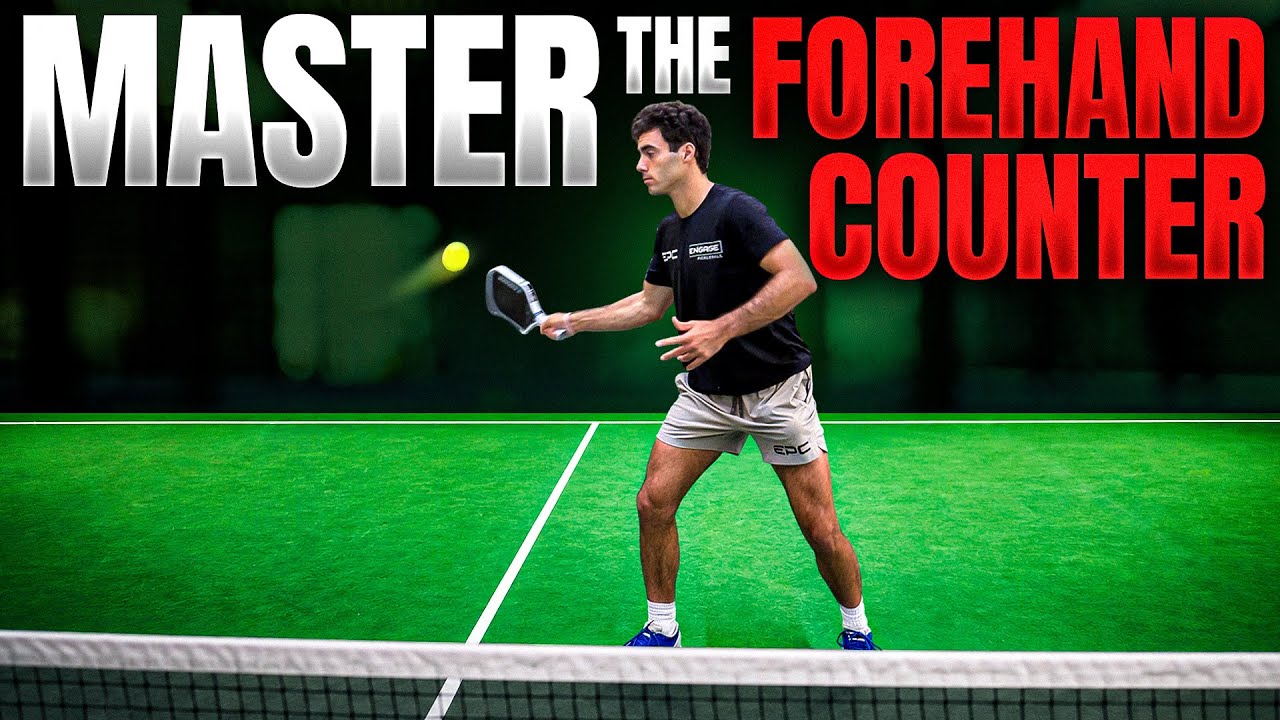
Why the Forehand Counter Matters
The modern pickleball game has evolved dramatically, with players generating more pace and aggression than ever before. The ability to effectively counter aggressive shots separates recreational players from competitive ones. When executed properly, the forehand counter allows you to:
- Turn defensive positions into offensive opportunities
- Maintain control during high-speed exchanges
- Reduce unforced errors under pressure
- Dictate the pace and placement of rallies
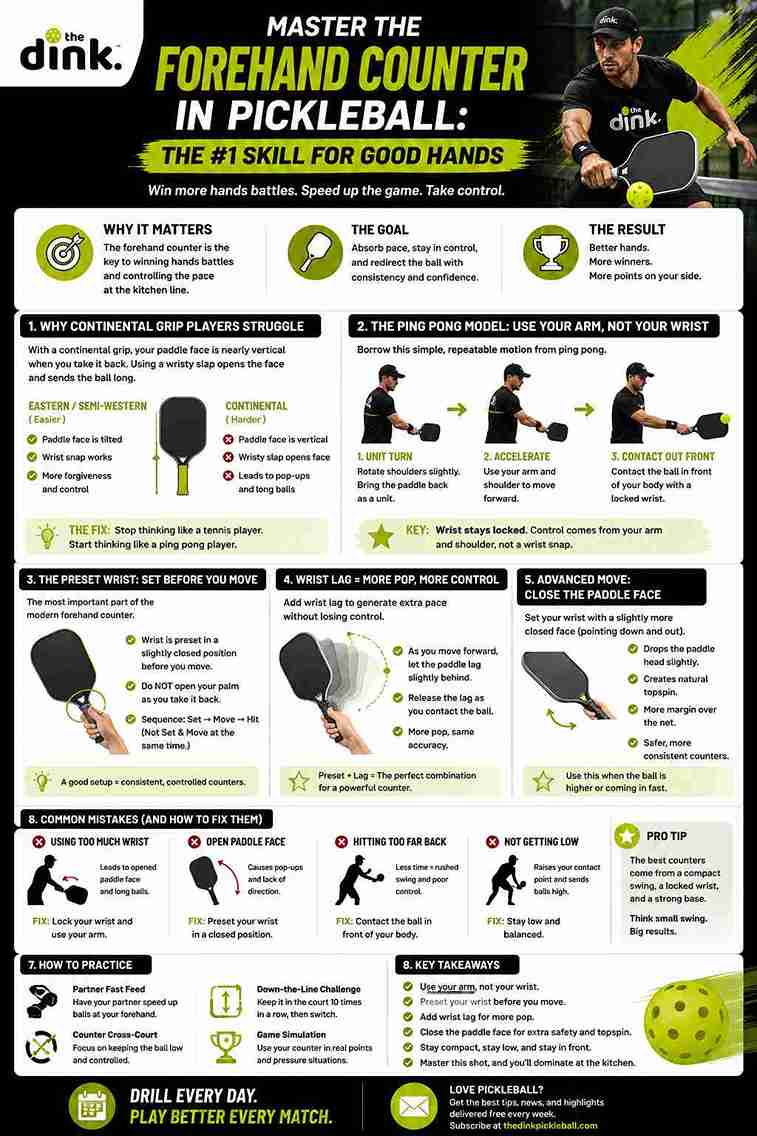
Common Mistakes That Kill Your Counter Game
Oversized Swing Mechanics
The biggest error players make is treating the counter like a groundstroke. When faced with incoming pace, many players instinctively take large backswings, resulting in mistimed shots and loss of control. The counter requires compact, efficient movements that allow for quick reactions.
Mental Panic and Poor Decision Making
Fast exchanges can overwhelm players mentally, leading to rushed decisions and poor shot selection. Successful countering requires calm decision-making and trust in your technique, even under pressure.
Inadequate Pace Absorption
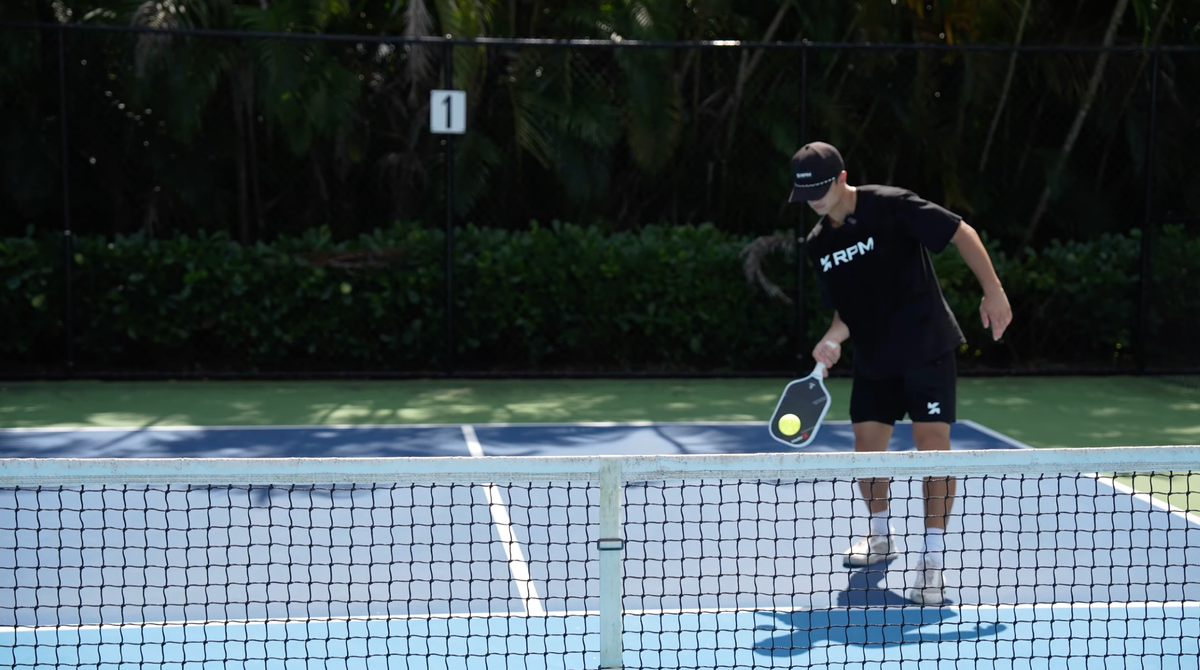
Many players try to add power to already fast-moving balls instead of redirecting the existing energy. Understanding how to absorb and redirect pace is fundamental to consistent countering.
Essential Technique for Forehand Counters
Grip and Paddle Position
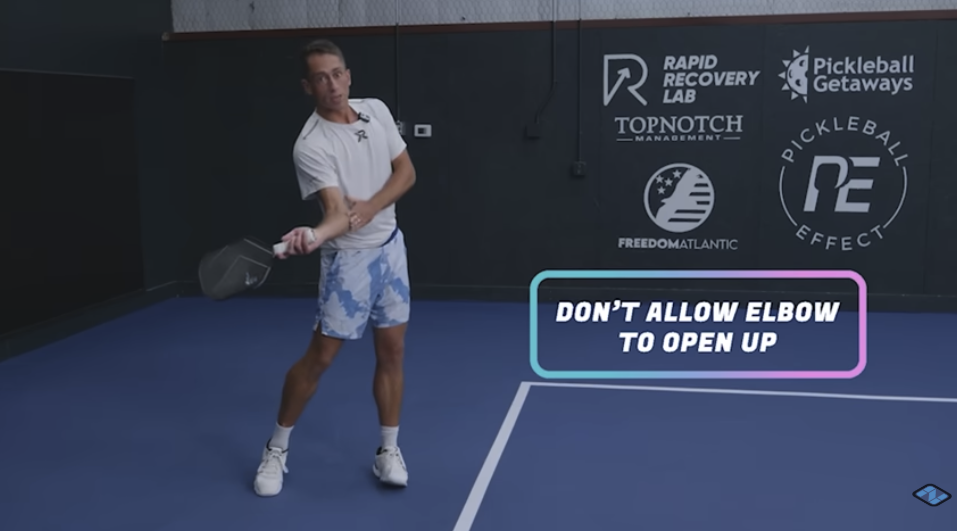
Continental grip players face unique challenges with forehand counters, but proper paddle positioning can overcome these difficulties. Keep your paddle face slightly open and maintain a firm wrist throughout the motion.
Body Mechanics and Footwork
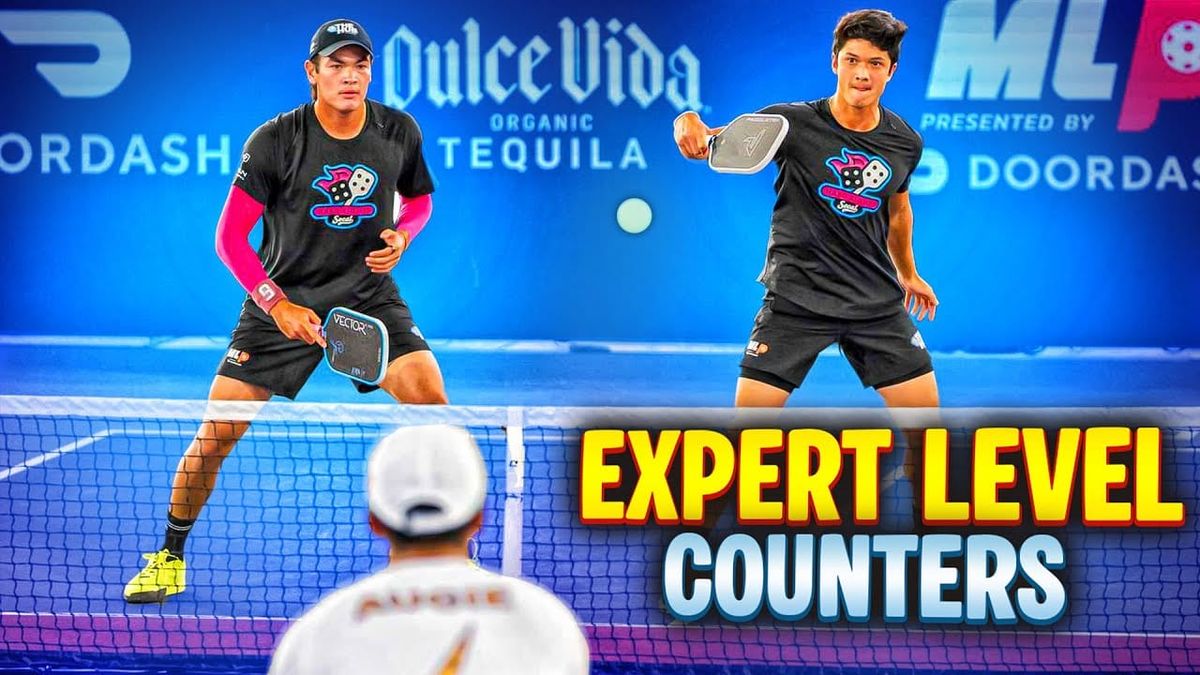
Successful countering starts with proper positioning. Keep your feet active and maintain a low, athletic stance. Your body should act as a stable platform while your paddle does the precision work.
Contact Point and Follow-Through
Make contact with the ball slightly in front of your body, using a short, controlled swing. The follow-through should be minimal and directed toward your target. Focus on placement over power.
Practice Drills for Counter Development
Developing reliable counters requires specific practice techniques. Start with controlled feeding drills where a partner provides consistent pace, allowing you to focus on technique without the pressure of variable speeds.
Progress to random feeding exercises that simulate game conditions. Practice countering from different positions and angles to build adaptability. Wall practice can also help develop the quick reflexes needed for effective countering.
Strategic Applications in Match Play
The forehand counter becomes most valuable when used strategically. Look for opportunities to redirect aggressive attacks cross-court or down the line, keeping your opponents off balance. Use counters to slow down overly aggressive opponents or to speed up passive players.
Remember that the goal isn't always to win the point immediately. Sometimes, a well-placed counter simply keeps you in the rally and forces your opponent to make the next aggressive move.
Frequently Asked Questions
How do I avoid popping up my forehand counters?
Focus on keeping your paddle face slightly closed at contact and making sure you're not lifting the ball. Practice with a shorter backswing and emphasize driving through the ball rather than lifting it.
Should I change my grip for forehand counters?
While continental grip players face more challenges, changing grips mid-rally isn't practical. Instead, focus on adjusting your paddle angle and contact point to compensate for grip limitations.
How can I improve my reaction time for faster counters?
Reaction time improves through repetitive practice and anticipation skills. Work on reading your opponent's paddle face and body language to get early preparation time for your counter shot.