Professional pickleball players don't just practice randomly—they use specific training methodologies that build muscle memory and sharpen game instincts. The pattern drill stands out as one of the most effective training techniques for developing counter-attacks and court anticipation skills.
Understanding the Pattern Drill Framework
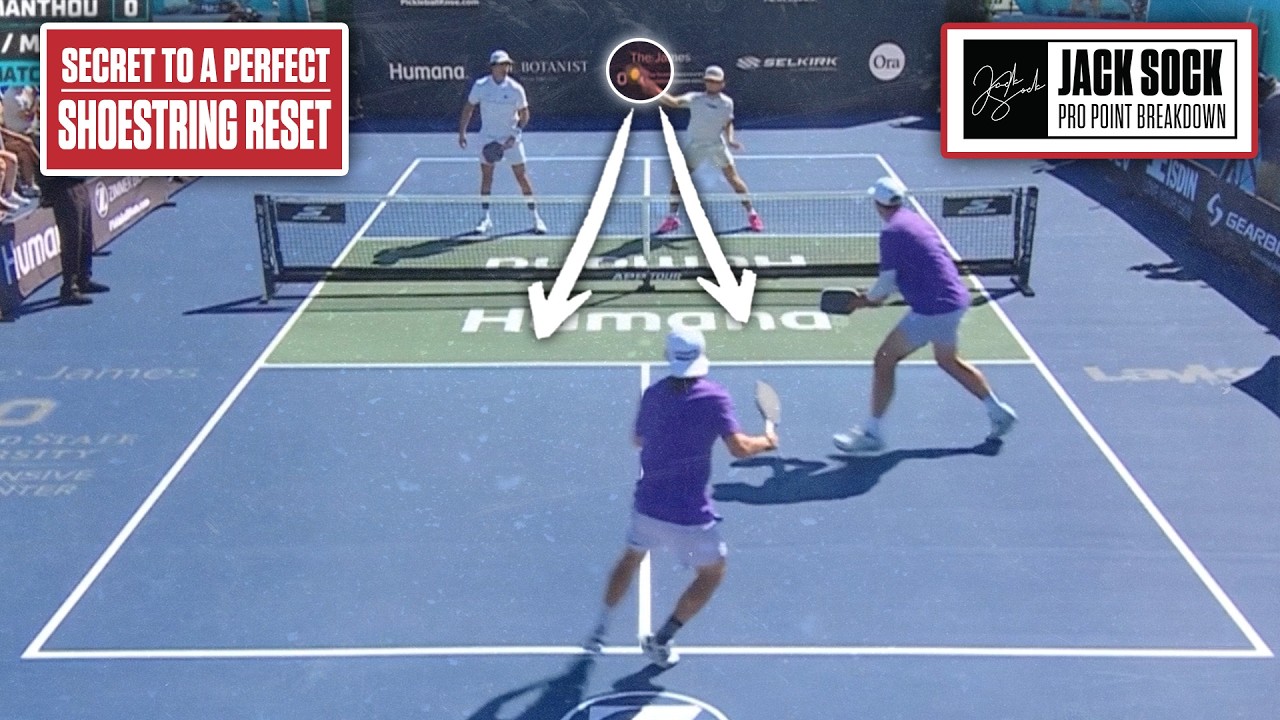
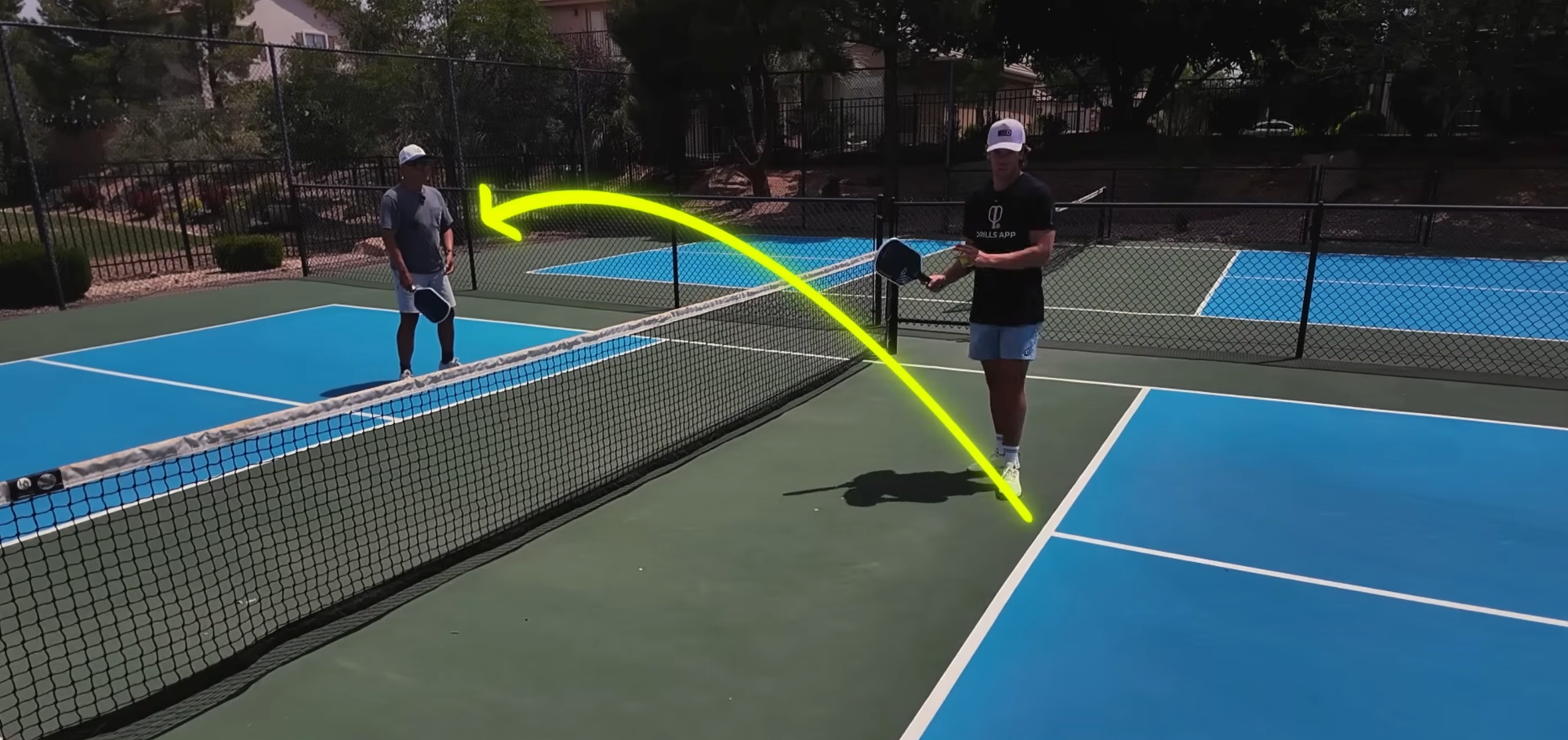
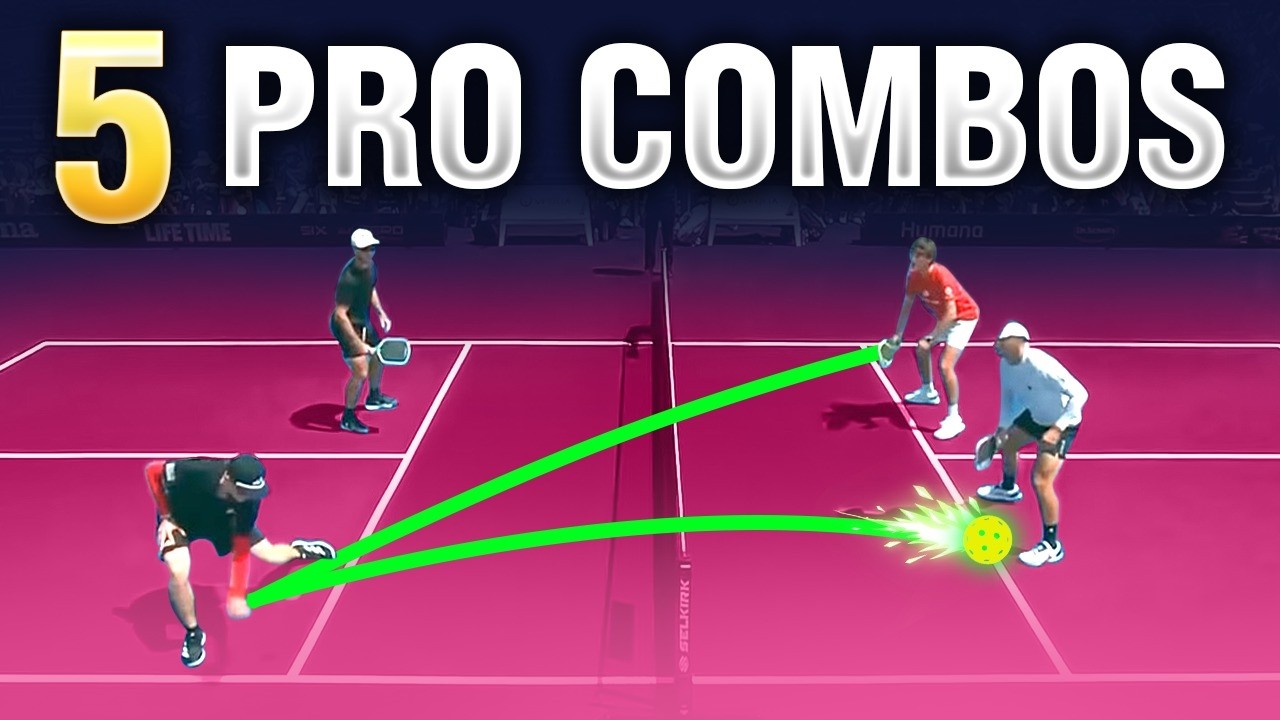
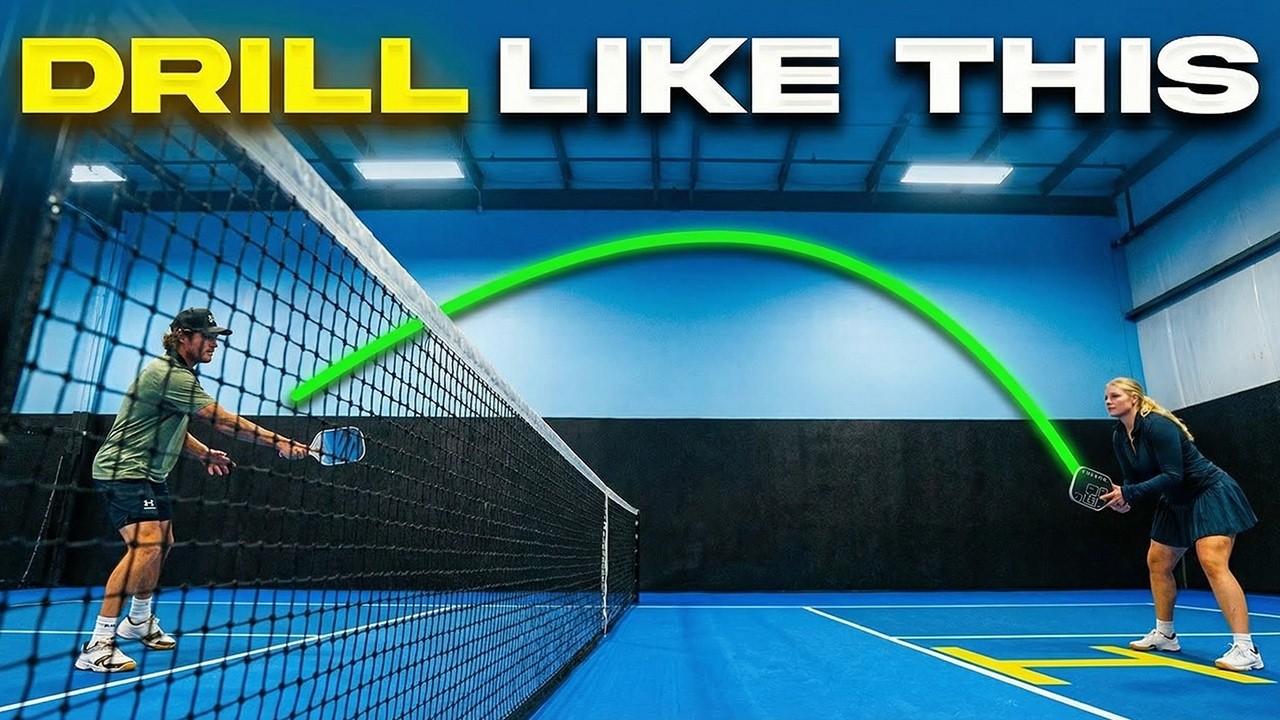
A pattern drill creates a controlled training environment where one player initiates an attack to a predetermined court location, the opponent responds with a counter, and the rally continues naturally from there. This isn't random ball-bashing or unstructured play—it's strategic practice designed to build specific skills.

The genius of this training method lies in its controlled variables. Unlike regular gameplay where ball placement is unpredictable, pattern drills eliminate location uncertainty. This allows players to focus on other critical elements like reading body language, adjusting to ball speed variations, and developing lightning-fast counter responses.
Key Components of Effective Pattern Training
Structured Attack Initiation
The drill begins with a designated attacker targeting specific court zones. This consistency helps the defending player anticipate general ball direction while still requiring them to react to variables like spin, speed, and exact placement within that zone.
Counter Development Focus
Since defenders know the general attack direction, they can concentrate on perfecting their counter techniques. This builds confidence in defensive positioning and helps develop multiple response options for similar attack patterns.

Benefits for Competitive Players
Pattern drills offer several advantages over traditional practice methods. Players develop faster recognition skills as they learn to read subtle cues that indicate specific shot types. The repetitive nature builds automatic responses, reducing reaction time during high-pressure situations.
Additionally, these drills help players understand cause-and-effect relationships in shot selection. When you consistently practice countering cross-court attacks, you develop intuitive knowledge about which responses work best against different ball speeds and spins.
Implementation Strategy for Maximum Results
Progressive Difficulty Levels
Start with basic patterns using moderate speeds and clear target zones. As skills improve, increase ball speed, vary spin types, and gradually reduce target zone sizes. This progressive approach ensures steady skill development without overwhelming beginners.
Role Rotation System
Both players should experience attacking and defending roles during practice sessions. This dual perspective helps attackers understand defensive challenges while giving defenders insight into offensive timing and placement strategies.
Common Pattern Drill Variations
Cross-court attack patterns help players practice defending against sharp-angle shots while developing consistent counter-attack placement. Down-the-line patterns focus on straight-shot defense and quick directional changes.
Advanced players can incorporate multi-shot patterns where specific sequences repeat, building longer rally skills and endurance alongside technical development.
Measuring Training Progress
Track improvement through consistency metrics like successful counter percentage and rally length averages. Video analysis can reveal subtle improvements in footwork, paddle preparation, and shot selection timing that might not be immediately obvious during practice.
Quality pattern drill sessions typically last 15-20 minutes per specific pattern, allowing sufficient repetition without inducing fatigue that degrades technique quality.
Frequently Asked Questions
How often should I incorporate pattern drills into practice sessions?
Include pattern drills 2-3 times per week as part of your regular training routine. They work best when combined with other skill-building exercises rather than as standalone practice sessions. Consistency over several weeks produces the most noticeable improvements.
Can beginners benefit from pattern drills or are they only for advanced players?
Beginners can absolutely benefit from simplified pattern drills. Start with slower speeds and larger target zones, focusing on basic positioning and paddle preparation. The controlled environment actually helps new players develop proper technique faster than purely random practice.
What's the biggest mistake players make when running pattern drills?
The most common error is making drills too complex too quickly. Start simple with clear, achievable patterns and gradually add complexity. Also, avoid practicing patterns for too long without breaks—quality repetitions matter more than quantity when building muscle memory.