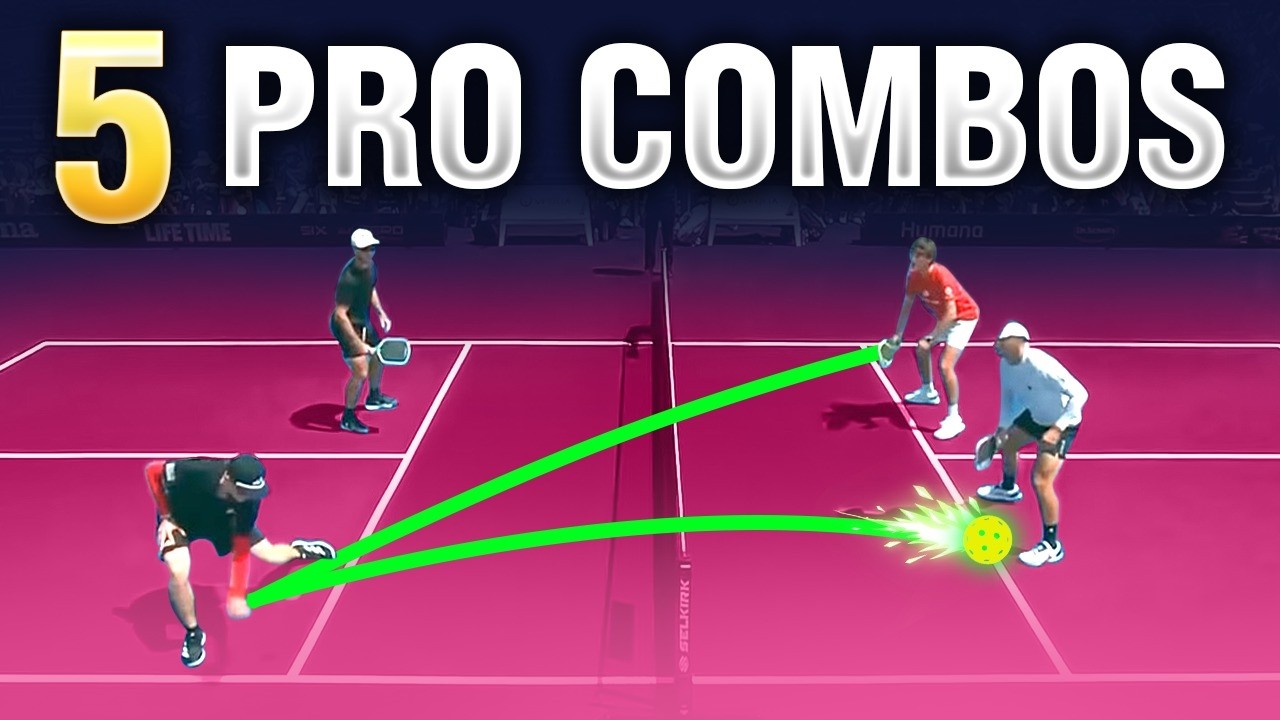
The mid-court reset shot stands as pickleball's most critical and distinctive technique, separating recreational players from competitive ones. This transition zone shot serves as your bridge from defense to offense, enabling you and your partner to advance from the vulnerable mid-court area to the strategic advantage of the kitchen line.
Why Professional Players Prioritize Reset Shot Practice
Professional pickleball players dedicate more practice time to the reset shot than any other technique in their arsenal. This prioritization stems from the shot's fundamental role in match strategy and point construction. The reset shot transforms defensive positions into offensive opportunities, making it the cornerstone of advanced pickleball play.
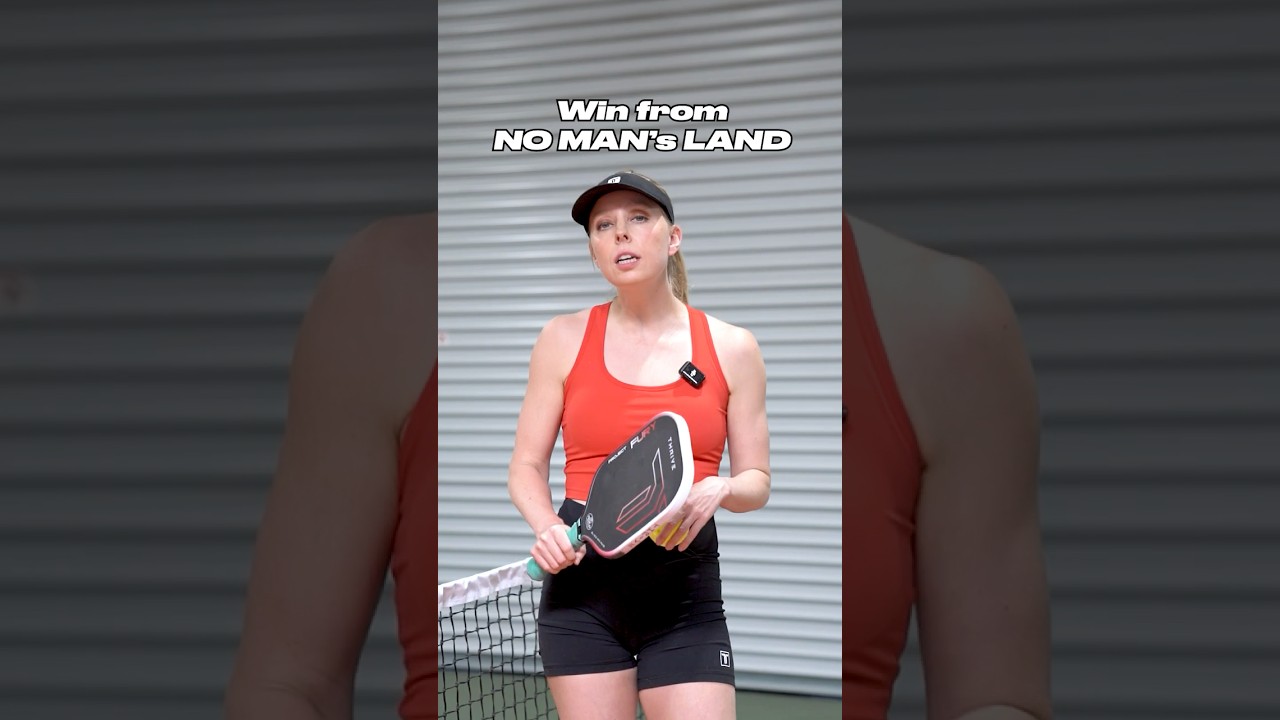
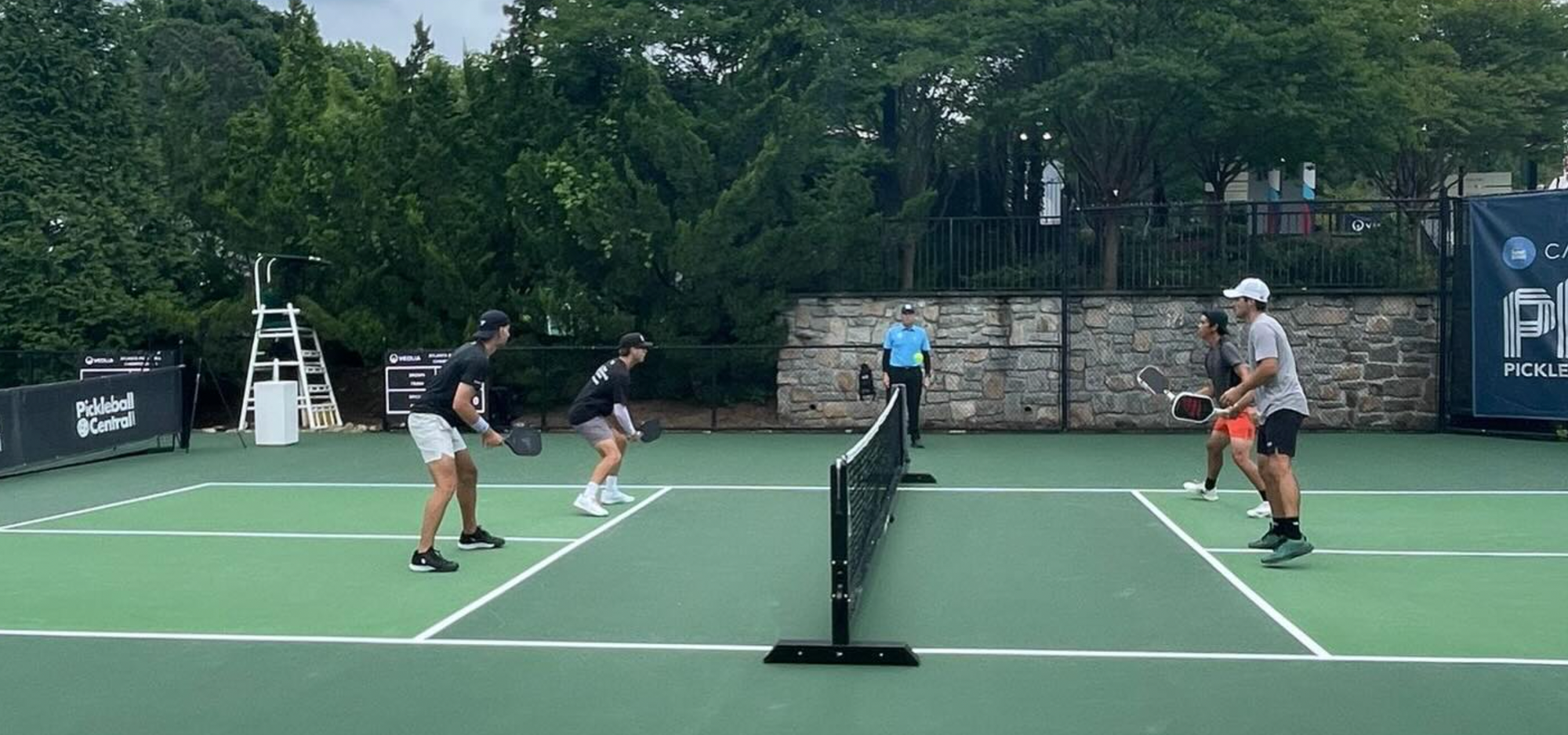
The transition zone, also known as "no man's land," presents players with their most challenging shot-making scenarios. Successfully executing resets from this area determines whether you'll advance to the kitchen for offensive play or remain trapped in defensive positions.
The Philosophy Behind Effective Reset Shots
Master players understand a crucial principle: "It's better to hit the world's highest, worst reset that clears the net and forces your opponent to make the next aggressive move than to miss the ball into the net." This philosophy emphasizes consistency over perfection, recognizing that maintaining rally momentum trumps attempting spectacular shots.
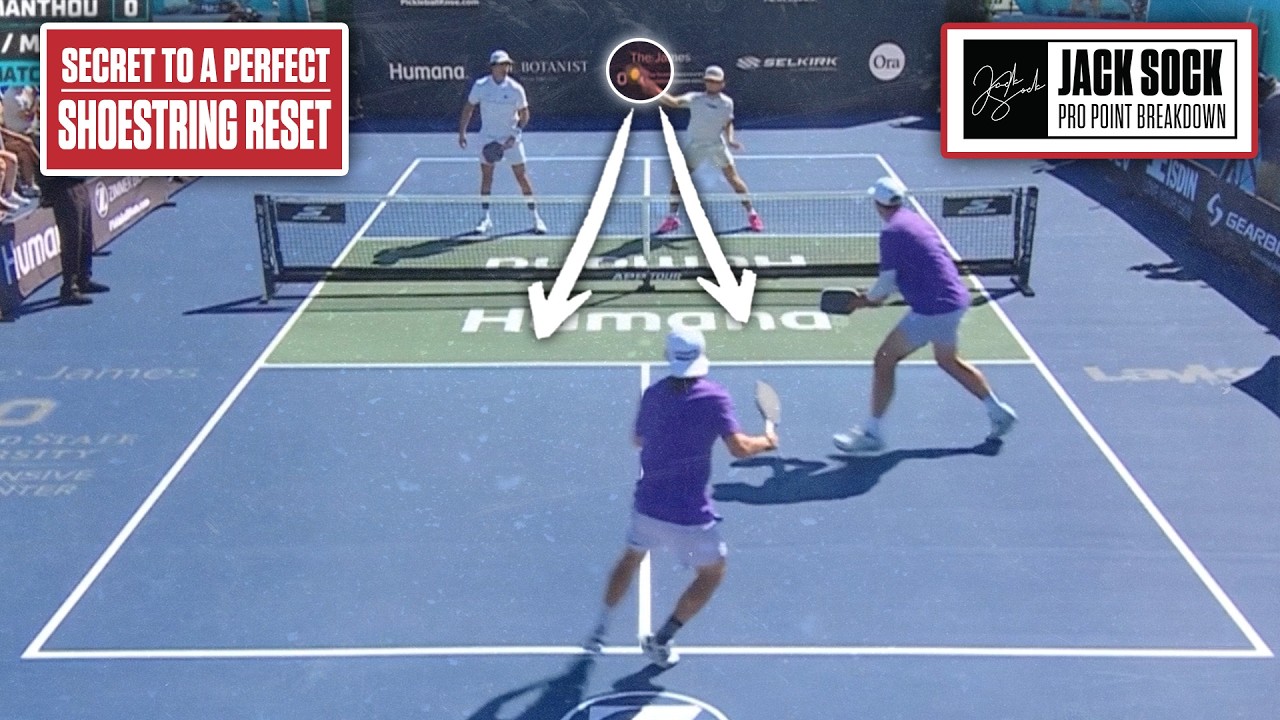
The reset shot's primary objective isn't to win points immediately but to neutralize your opponent's offensive advantage. By successfully resetting the pace and trajectory of aggressive shots, you create opportunities for better court positioning and eventual offensive strikes.
Key Technique #1: Athletic Ready Position
Adopt the mindset and stance of a baseball or softball fielder preparing for a ground ball. This athletic position provides several advantages:
- Lower center of gravity for better balance and reaction time
- Bent knees allowing for quick directional changes
- Weight distributed evenly on the balls of your feet
- Hands positioned ready to react to various ball trajectories
This ready position enables you to handle the wide variety of shots you'll encounter in the transition zone, from hard-driven balls to soft drops requiring forward movement.
Key Technique #2: Controlled Contact and Follow-Through
The second fundamental involves precise paddle control during ball contact. Focus on these elements:
Paddle Face Management: Maintain a slightly open paddle face to ensure the ball clears the net with appropriate arc. Many players err by closing the paddle face too much, resulting in net shots.
Soft Hands Approach: Absorb the incoming ball's pace rather than adding power. Think of your paddle as a shock absorber, allowing the ball's momentum to dictate the reset's pace.
Target Selection: Aim for your opponent's feet or the area just behind the kitchen line. This placement forces your opponents to hit upward, giving you time to advance to better court positions.
Common Reset Shot Mistakes to Avoid
Understanding frequent errors helps accelerate your reset shot development:
Overhitting: Adding unnecessary pace to reset attempts often results in balls sailing long or providing easy attacking opportunities for opponents.
Poor Footwork: Failing to establish proper positioning before attempting the reset compromises shot quality and consistency.
Targeting Errors: Aiming too high gives opponents easy offensive opportunities, while aiming too low increases net error risks.
Practice Drills for Reset Shot Mastery
Incorporate these practice methods to develop reliable reset shots:
Wall Practice: Stand 10-15 feet from a wall and practice soft, controlled shots that bounce once before reaching the wall. This develops touch and consistent contact.
Partner Feeding: Have a partner feed balls from the kitchen while you practice resets from various transition zone positions.
Live Point Play: During games, focus specifically on reset execution rather than point outcomes to build muscle memory and confidence.
Frequently Asked Questions
How high should a reset shot travel over the net?
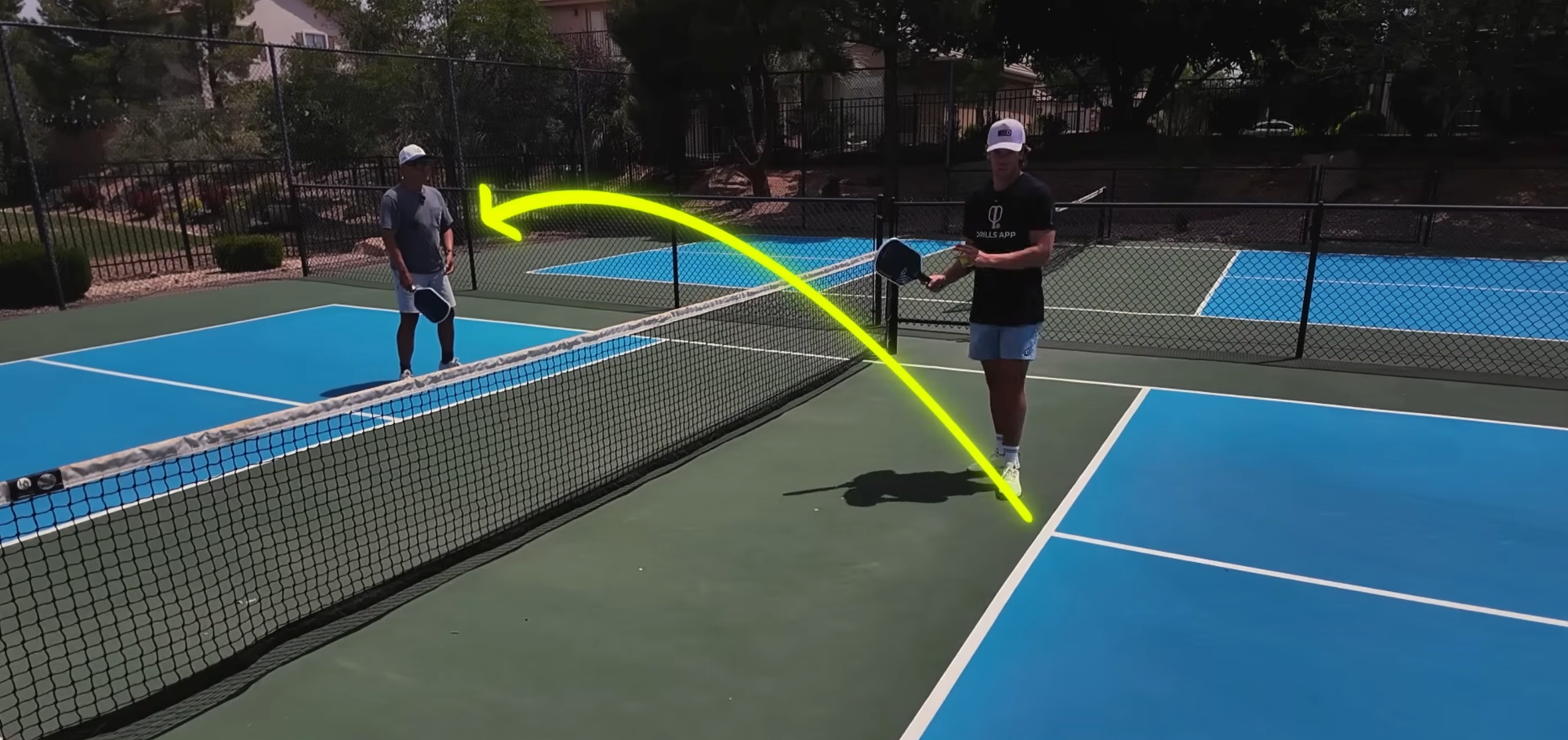
Aim for 2-4 feet of net clearance on reset shots. While this seems high, it ensures the ball clears the net consistently and lands in your target area near your opponent's feet. Remember, a high reset that stays in play is infinitely better than a perfect-looking shot that hits the net.
When should I attempt a reset shot versus going for a winner?
Attempt reset shots when you're in the transition zone facing aggressive shots, when you're off-balance, or when your opponents have the offensive advantage at the kitchen line. Save winner attempts for when you're well-positioned at the kitchen line with your opponents in defensive positions.
What's the biggest mistake recreational players make with reset shots?
The most common error is trying to hit perfect, low resets instead of focusing on consistency. Recreational players often aim too close to the net or try to add pace, resulting in frequent errors. Focus on clearing the net with margin and maintaining rally continuity rather than hitting perfect shots.