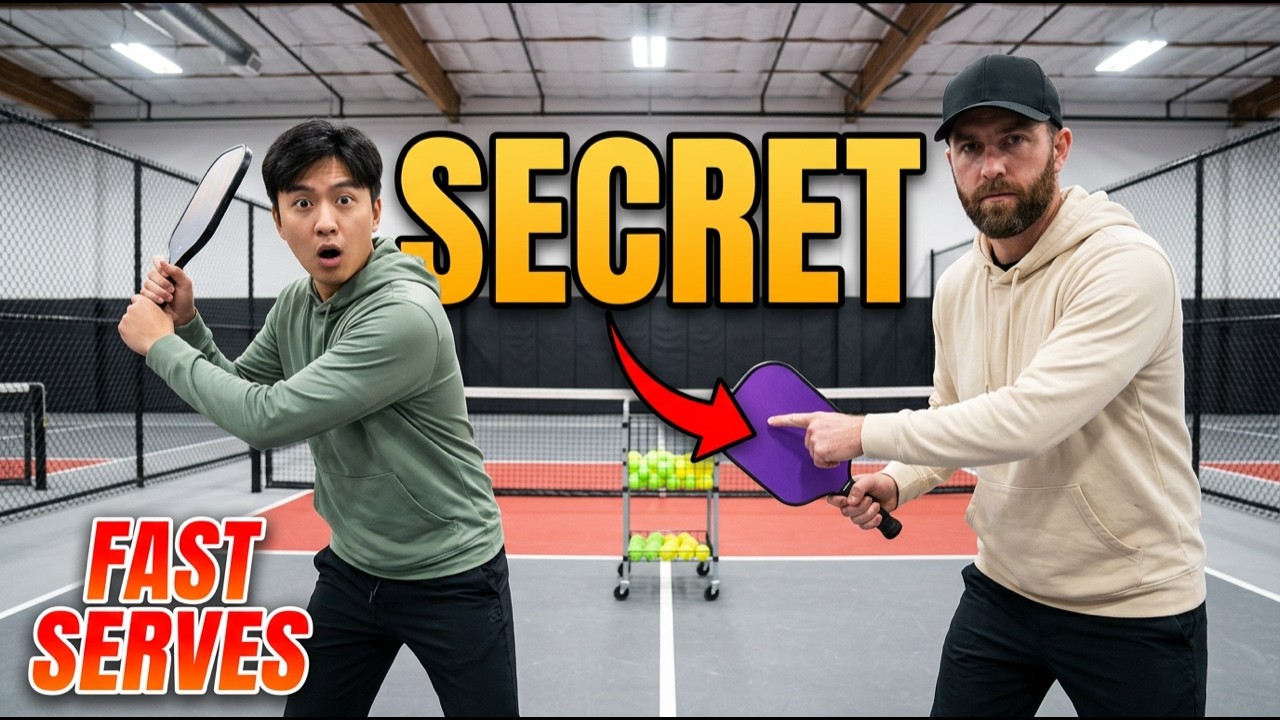
The spin serve stands as one of pickleball's most formidable weapons, capable of disrupting opponents' rhythm and creating immediate advantages on the court. When executed properly, this advanced serving technique can transform your game from predictable to virtually unstoppable.
Whether you're competing at recreational or competitive levels, mastering the spin serve will force opponents to reconsider their positioning and return strategies. The secret lies not in raw power, but in understanding the precise mechanics that generate unpredictable ball movement.
Understanding Spin Serve Fundamentals
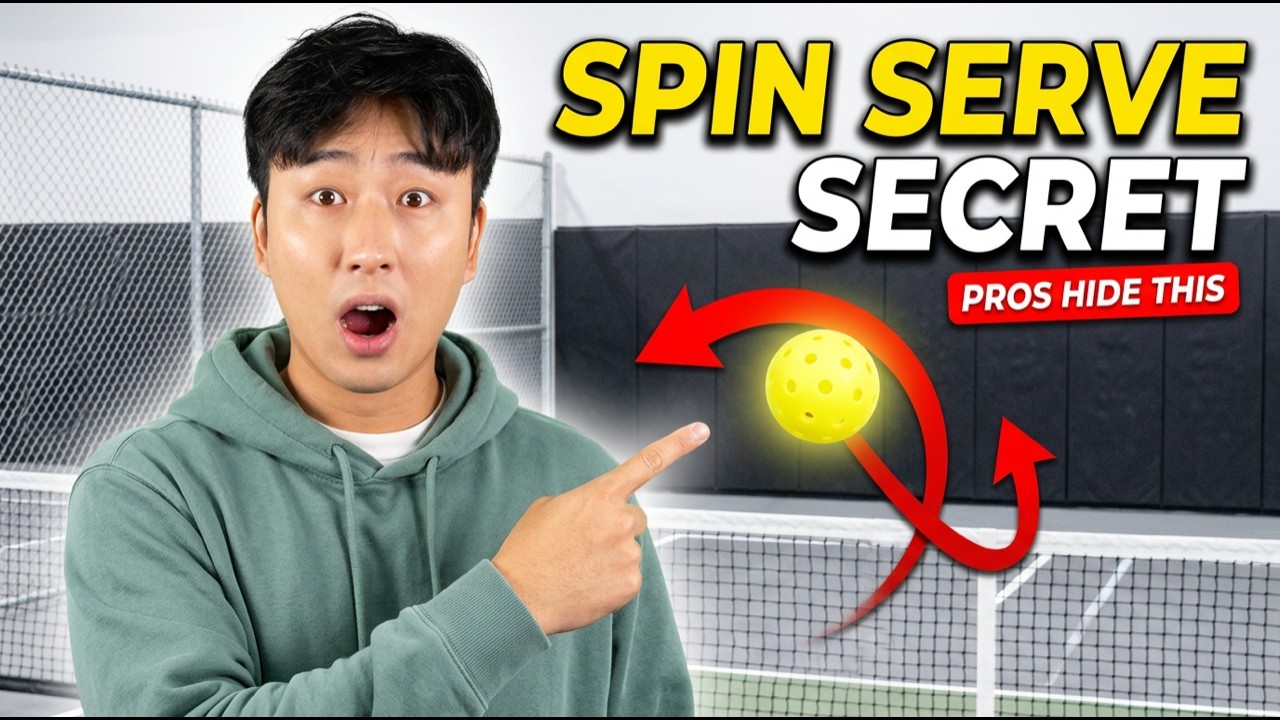
The spin serve differs dramatically from conventional serves in its ability to change direction after bouncing. While standard serves follow predictable trajectories, spin serves introduce variables that challenge even experienced players' anticipation skills.
Three primary spin types dominate pickleball serving: topspin, sidespin, and underspin. Each creates distinct ball behavior that can exploit different weaknesses in opponent positioning. Topspin serves dive sharply after clearing the net, sidespin serves curve laterally, and underspin serves maintain lower trajectories with unexpected bounces.

Step 1: Perfect Your Grip and Stance
Establishing the correct foundation begins with grip modification. Unlike standard serves that utilize neutral grips, spin serves require subtle adjustments that enable paddle face manipulation during contact. The continental grip provides optimal versatility for generating various spin types.
Your stance should emphasize stability while allowing for rotational movement. Position your feet shoulder-width apart with your non-dominant foot slightly forward. This setup enables the hip and shoulder rotation essential for imparting spin effectively.
Paddle Position and Preparation
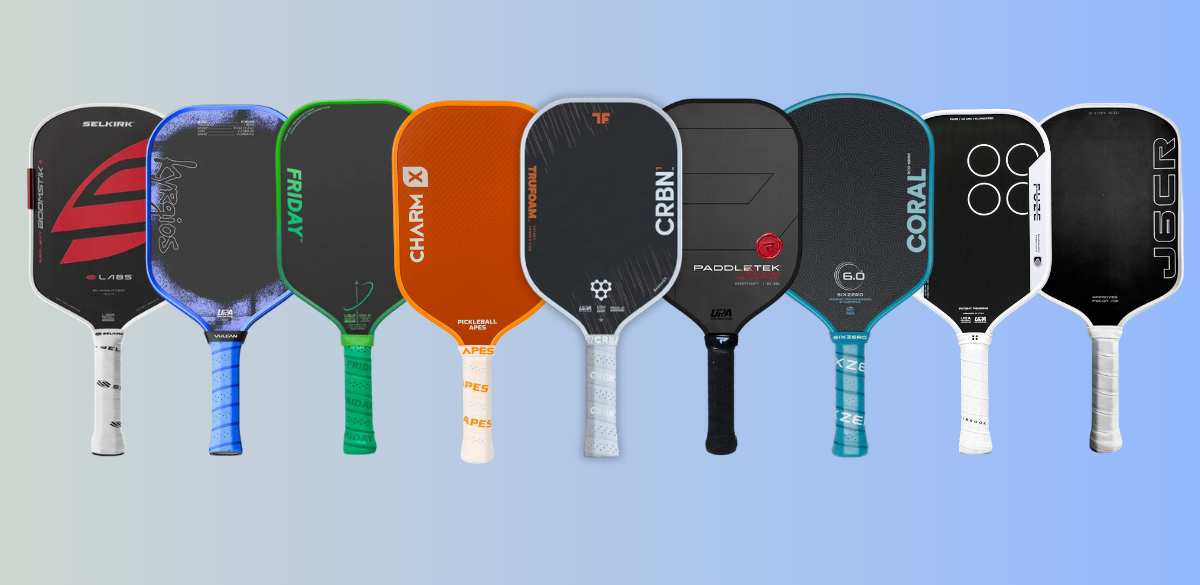
Hold the paddle with relaxed tension, avoiding the death grip that restricts wrist mobility. The paddle face angle during preparation determines your spin direction—slightly closed for topspin, angled for sidespin, or opened for underspin variations.
Step 2: Master the Contact Point Technique
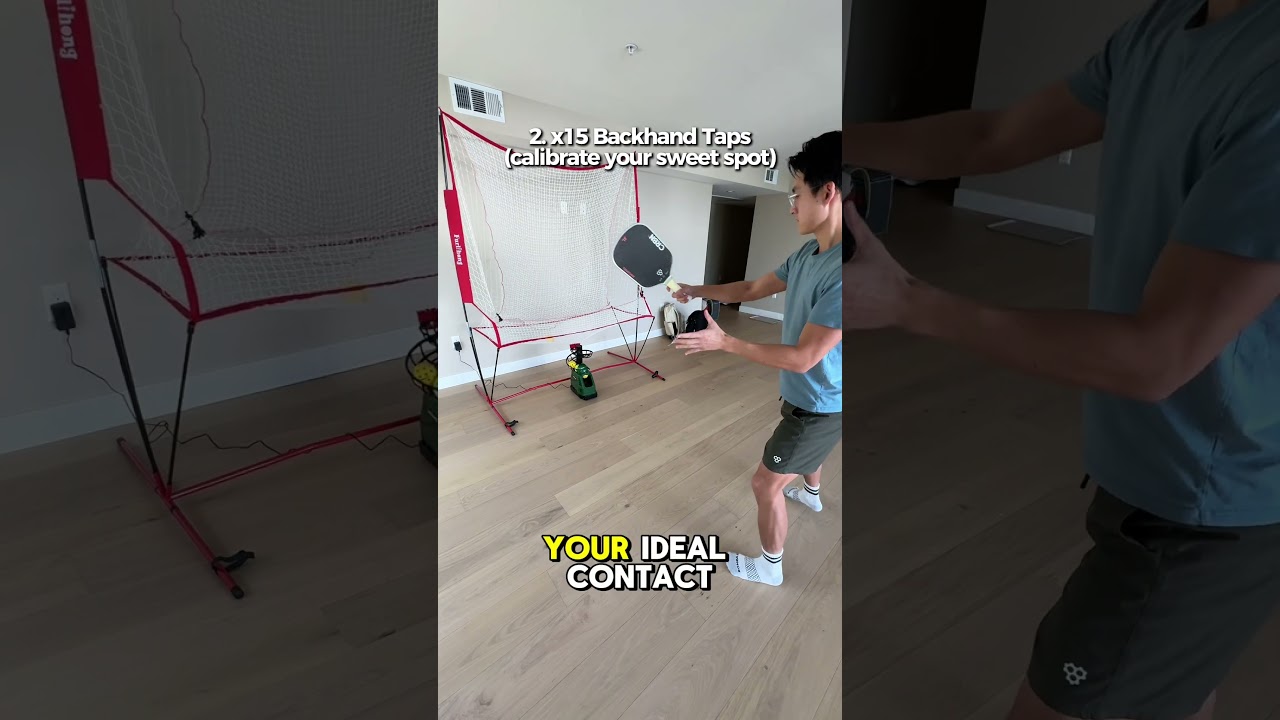
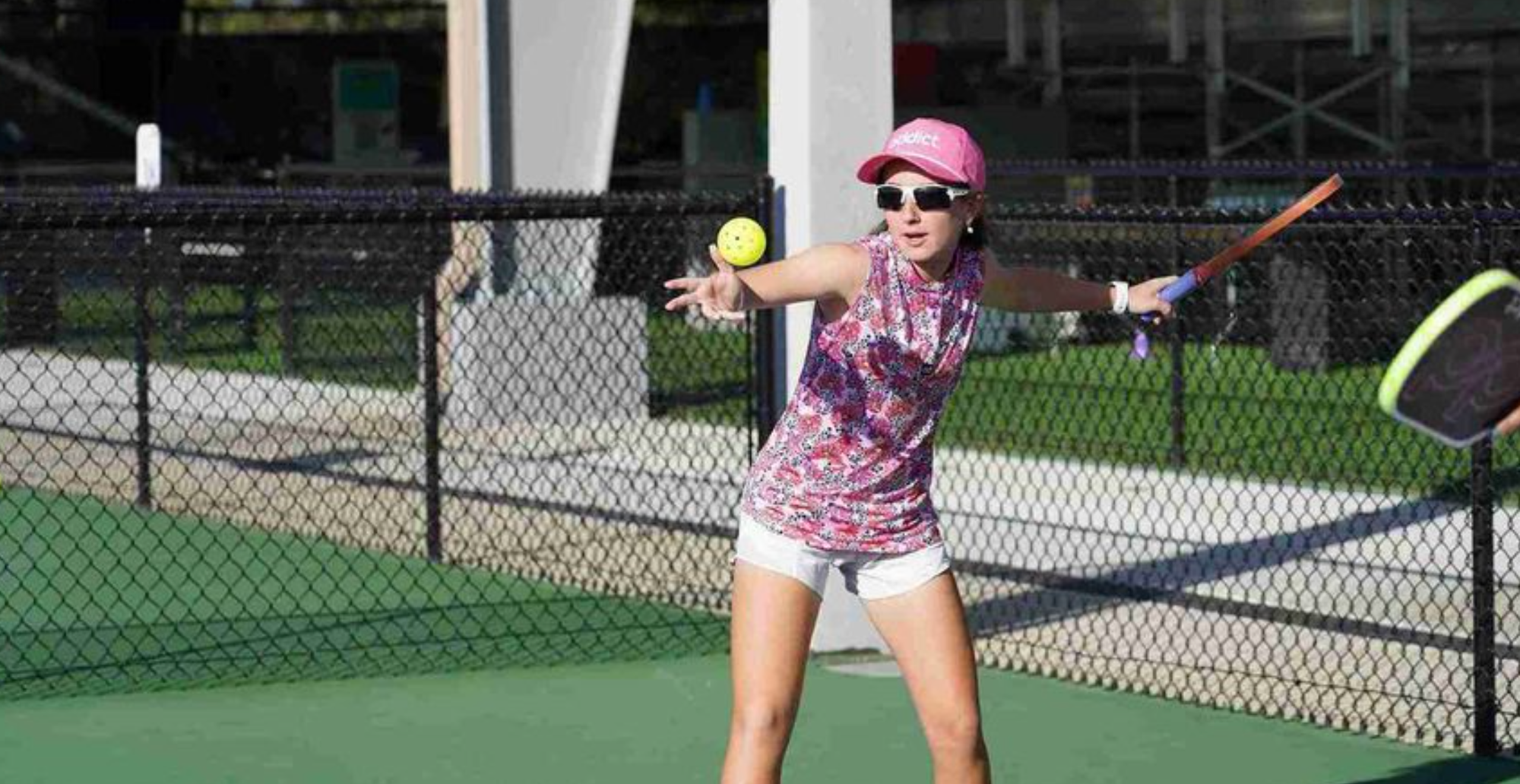
The moment of ball contact separates successful spin serves from failed attempts. Unlike standard serves where contact occurs at the ball's center, spin serves require precise contact points that create rotational force.
For topspin serves, contact the ball's lower portion while brushing upward with your paddle face. This upward motion combined with forward momentum generates the topspin rotation that causes dramatic ball dip after crossing the net.
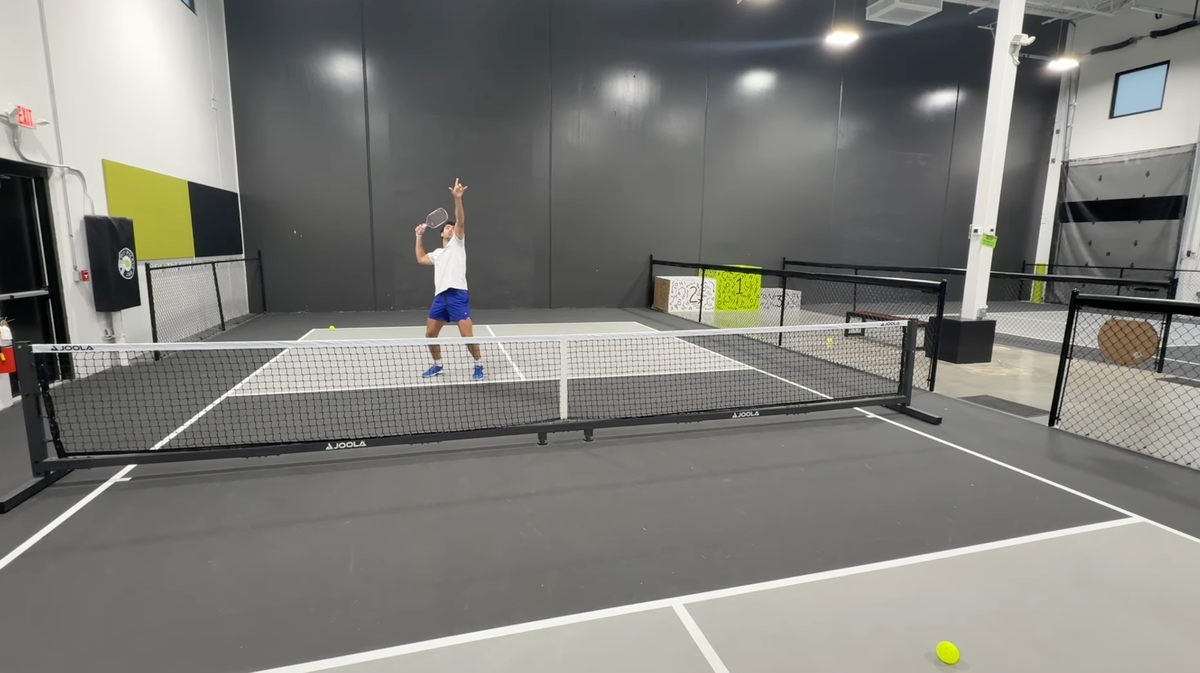
Sidespin serves demand lateral paddle movement across the ball's surface. Contact slightly off-center while moving the paddle horizontally creates the sideways rotation that curves the ball's flight path unexpectedly.
Timing and Rhythm Development
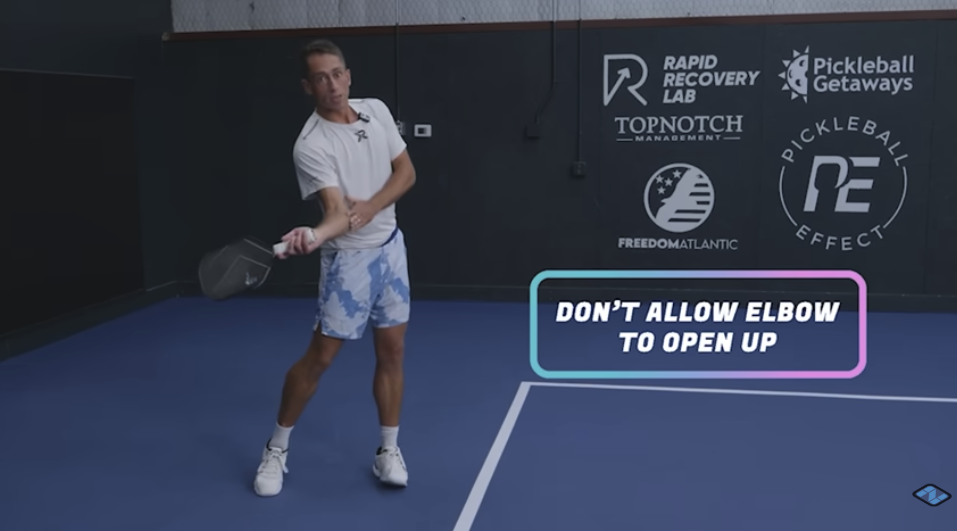
Consistent timing requires repetitive practice to develop muscle memory. Focus on smooth, controlled movements rather than aggressive swings. The spin comes from technique, not force—a gentle brush often produces more rotation than violent contact.
Step 3: Strategic Placement and Variation
Effective spin serving extends beyond technique into strategic court positioning. Understanding where to place different spin types maximizes their disruptive potential against various opponent styles.
Target the service box corners with sidespin serves to pull opponents wide, creating open court areas for your next shot. Use topspin serves against aggressive returners who position themselves forward—the sharp downward bounce forces them backward.
Vary your spin types unpredictably to prevent opponent adaptation. Mixing conventional serves with spin variations keeps returners guessing and prevents them from timing your patterns effectively.
Practice Drills for Consistency
Dedicate specific practice sessions to spin serve development. Start with stationary ball drops to perfect your contact points before progressing to full serving motions. Use targets in service boxes to improve placement accuracy while maintaining spin quality.
Common Mistakes to Avoid
Many players attempt to generate spin through excessive force, resulting in inconsistent contact and poor ball control. Focus on brush contact rather than solid hits—the paddle should glide across the ball's surface rather than striking it directly.
Another frequent error involves neglecting placement for spin. Even perfectly executed rotation becomes ineffective when served directly to opponent strengths. Combine technical proficiency with strategic targeting for maximum impact.
Frequently Asked Questions
How long does it take to develop a consistent spin serve?
Most players require 4-6 weeks of focused practice to achieve basic consistency with spin serves. Advanced placement and variation typically develop over 2-3 months of regular training.
Can spin serves be used effectively at all skill levels?
Yes, spin serves provide advantages at every level. While execution may vary in complexity, even basic spin can disrupt opponent timing and create strategic advantages from recreational through tournament play.
What's the most important aspect of spin serve development?
Consistent contact point technique outweighs all other factors. Perfect your brush contact before focusing on power or placement—proper technique naturally develops the other elements over time.