Why Your Backhand Punch Matters More Than You Think
The backhand punch stands as pickleball's most undervalued weapon. While players obsess over flashy forehand drives and third-shot drops, they're missing a crucial opportunity to dominate from their non-dominant side. A well-executed backhand punch can change the entire dynamic of a point, forcing opponents out of position and creating offensive opportunities.
Most recreational players treat their backhand as a defensive afterthought, automatically running around shots to hit forehands instead. This predictable pattern limits court coverage and telegraphs intentions to savvy opponents. Breaking free from this limitation starts with understanding that your backhand punch can generate serious power and precision with the right foundation.
Foundation: Grip and Stance Fundamentals
Your grip serves as the foundation for backhand power generation. The continental grip, where your base knuckle sits on the top bevel of the paddle handle, provides the optimal balance of control and power for backhand punches. This grip allows for quick transitions between shots without constant readjustment.
Stance positioning proves equally critical. Plant your feet shoulder-width apart with your non-dominant foot slightly forward. This athletic position enables proper weight transfer during the swing, maximizing power generation from your core and legs rather than relying solely on arm strength.
Body Positioning for Maximum Impact
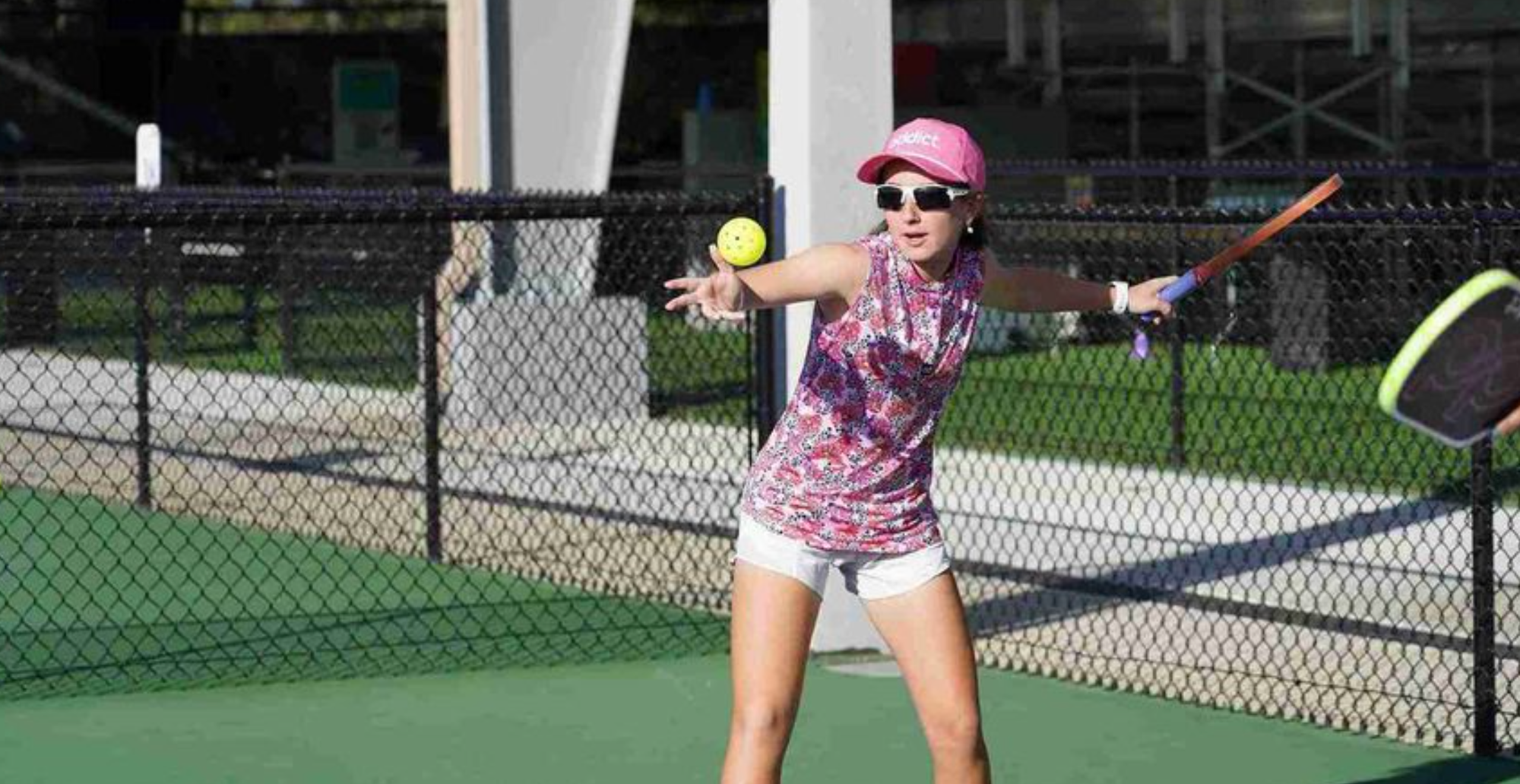
Turn your shoulders perpendicular to the net, creating space for a full swing path. Your paddle should start low and finish high, following an upward trajectory that imparts topspin on the ball. This upward motion prevents shots from sailing long while adding the spin needed for consistent depth and bounce.
Power Generation Techniques
True backhand power originates from your kinetic chain, not just your arm. Begin the motion by pushing off your back foot, transferring weight forward as you rotate your hips and shoulders. This sequential movement creates a whip-like effect that amplifies power as it travels through your body to the paddle.
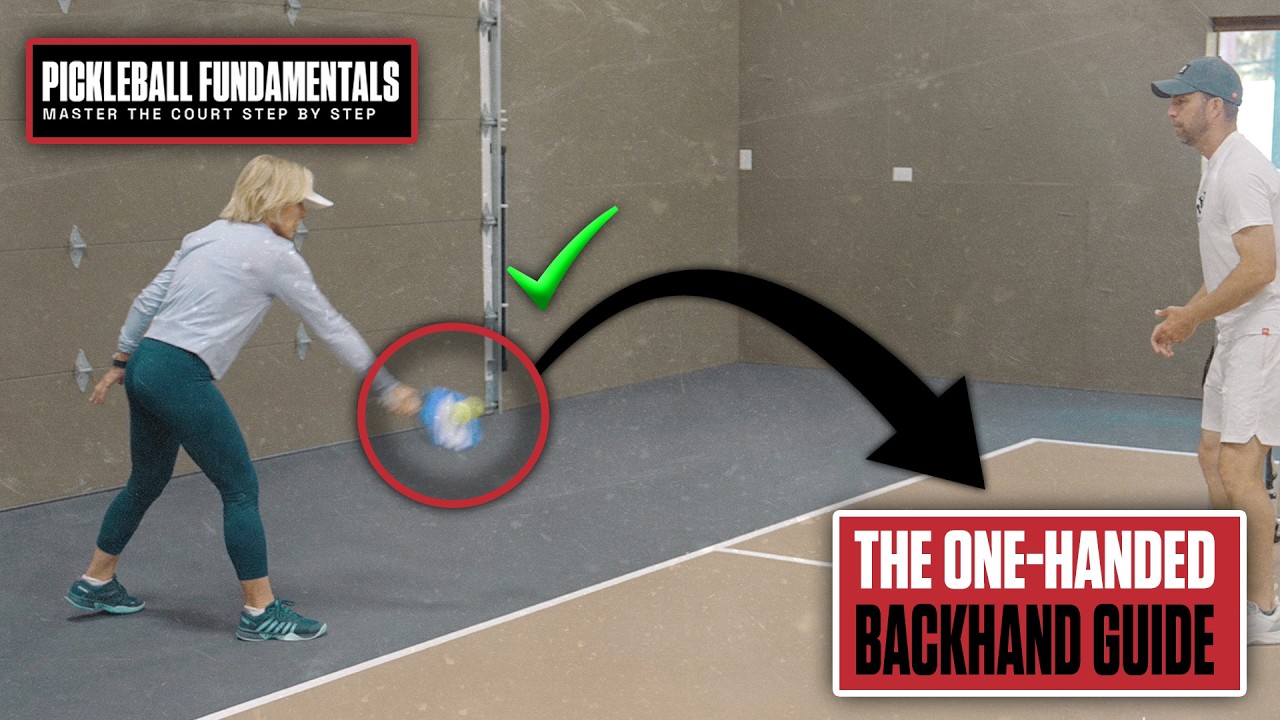
The contact point determines shot quality more than swing speed. Meet the ball at waist height, slightly in front of your body, with your paddle face square to your target. Early preparation allows you to achieve this ideal contact position consistently, even under pressure.
Follow-Through for Control
Complete your swing with a full follow-through, finishing with your paddle high and pointing toward your target. This extended motion ensures maximum power transfer and helps maintain accuracy even on aggressive shots. Stopping the swing early results in weak, inconsistent shots that lack penetration.
Progressive Training Drills
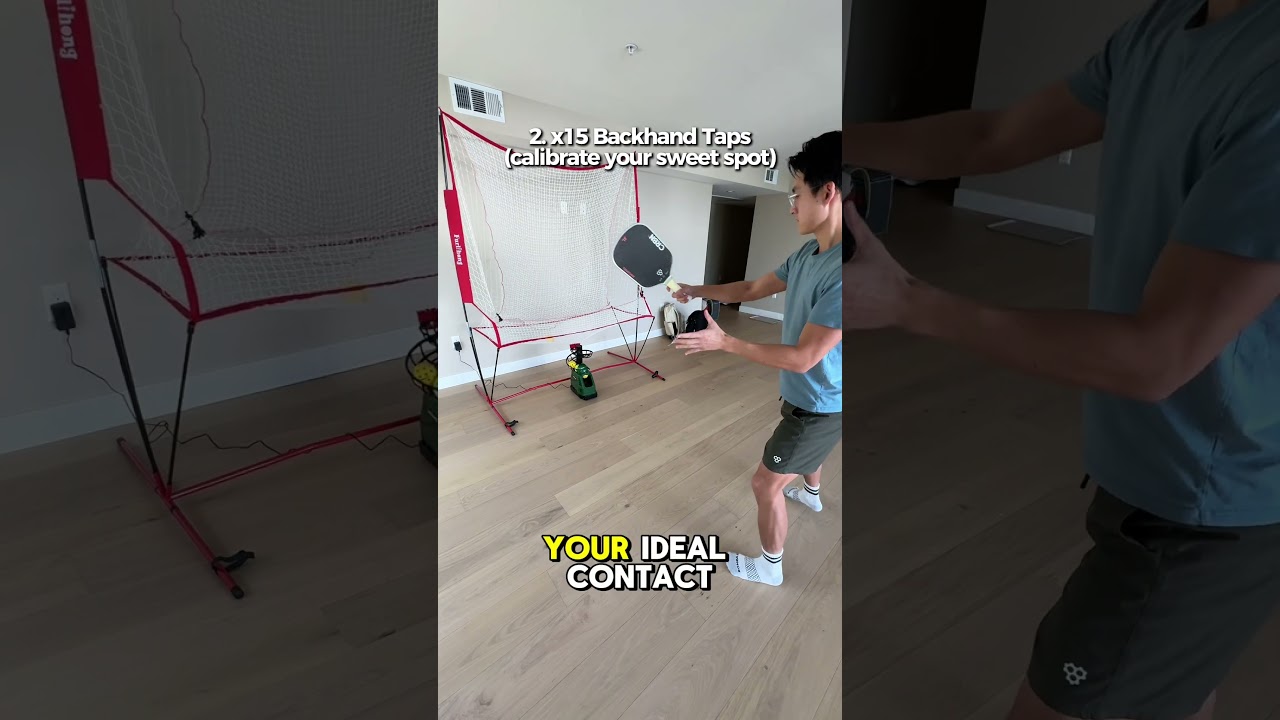
Start with stationary ball drops to groove your swing mechanics without the pressure of moving balls. Drop balls at your ideal contact point and focus on smooth, consistent swings with proper follow-through. Master this foundation before progressing to more dynamic drills.
Wall practice accelerates improvement by providing unlimited repetitions. Stand three feet from a wall and punch balls with varying speeds, focusing on consistent contact points and swing paths. The immediate feedback helps identify and correct mechanical flaws quickly.
Partner Feeding Exercises
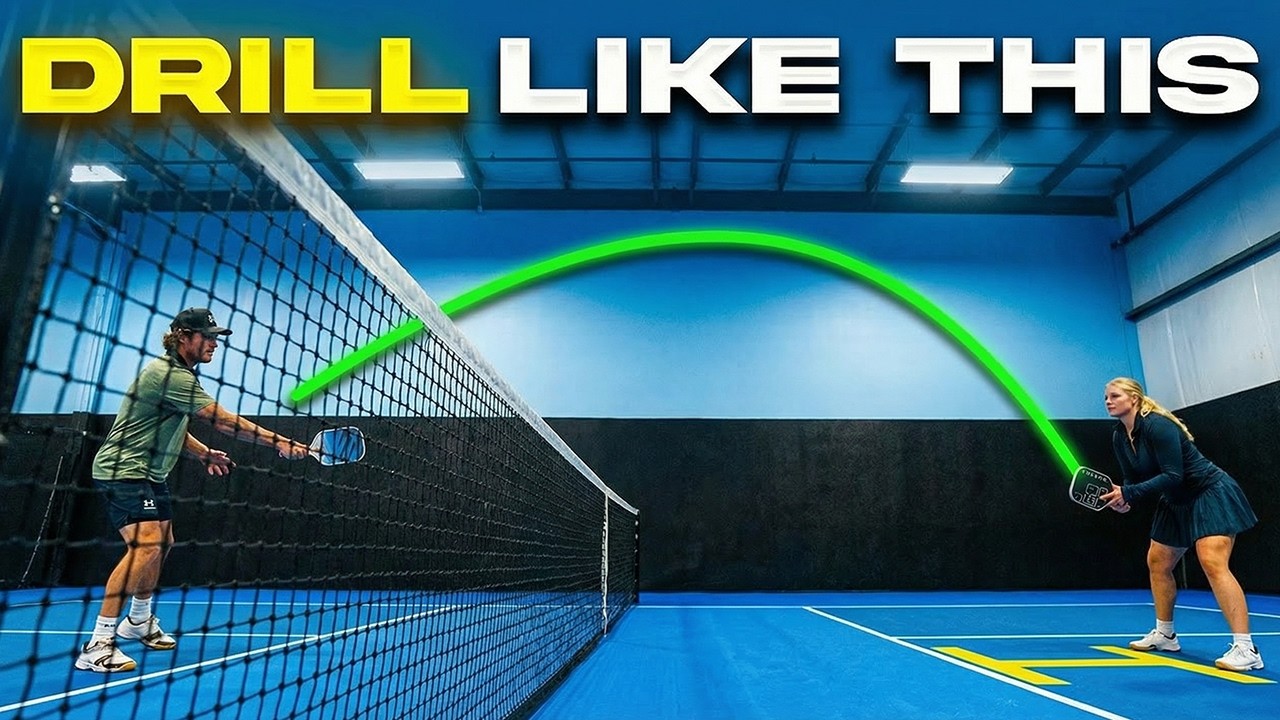
Have a partner feed balls from across the net, starting with predictable feeds to your backhand side. Focus on footwork and preparation rather than power initially. As consistency improves, request feeds with varying pace and placement to simulate match conditions.
Cross-court target practice develops both power and accuracy. Set up targets in the opposite corner and aim for consistent placement while maintaining aggressive pace. This drill mimics common match scenarios where backhand punches prove most effective.
Common Mistakes to Avoid
Rushing the preparation phase leads to poor contact points and inconsistent results. Give yourself time to set up properly, even if it means taking shorter swings initially. Proper positioning trumps swing speed every time.
Over-gripping the paddle restricts natural swing flow and reduces power generation. Maintain a relaxed grip pressure, firm enough for control but loose enough to allow wrist snap through contact.
Frequently Asked Questions
How long does it take to develop a reliable backhand punch?
With consistent daily practice, most players see significant improvement within 4-6 weeks. Focus on quality repetitions rather than quantity, emphasizing proper mechanics over power initially.
Should I use the same grip for all backhand shots?
The continental grip works well for most backhand shots, including punches, drives, and volleys. This consistency eliminates grip changes during fast exchanges and simplifies technique development.
When should I choose a backhand punch over other shot options?
Use backhand punches when you have time to set up, the ball bounces at waist height or higher, and you want to apply pressure or change the pace of play. Avoid punching from defensive positions or when off-balance.