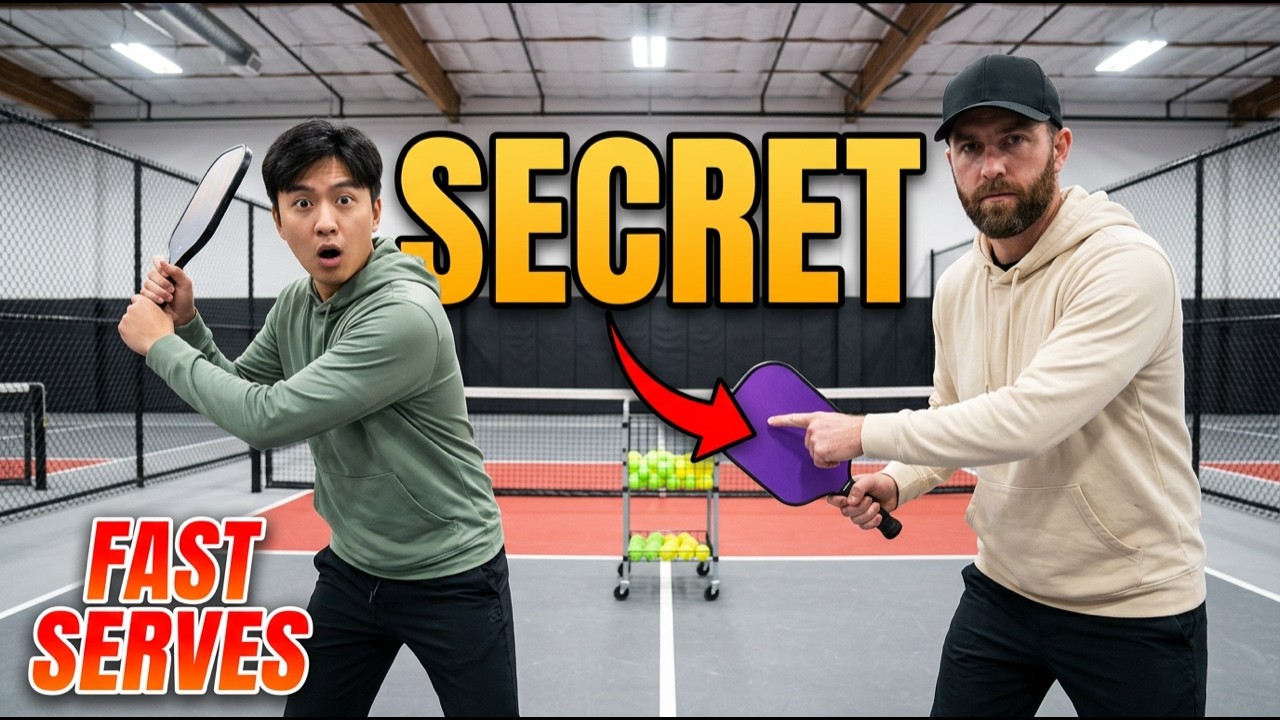
Mixed doubles pickleball doesn't require complex strategies to achieve professional-level results. PPA Tour champions Mari Humberg and Ryan Fu have developed a straightforward three-shot sequence that revolutionizes how teams handle pressure situations and convert defensive positions into offensive advantages.
Understanding the Targeting Reality in Mixed Doubles
Every mixed doubles team faces the same fundamental challenge: opponents will identify and attack the perceived weaker player or the partner in a compromised court position. This targeting approach represents sound strategic thinking rather than personal animosity.
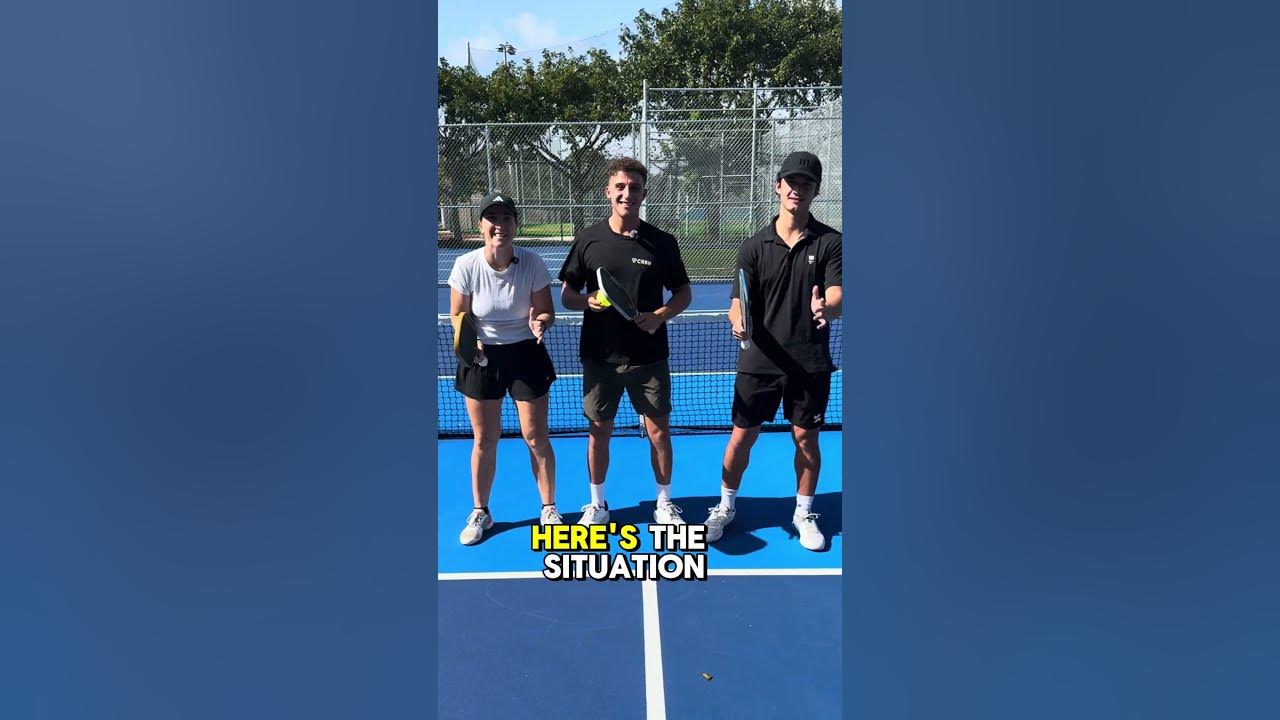
The key insight from top professionals is that avoiding targeting situations proves counterproductive. Instead, successful teams develop systematic responses that transform these pressure moments into scoring opportunities. When opponents focus their attacks on one player, they create predictable patterns that prepared teams can exploit.
The Three-Shot Pattern Breakdown
Humberg and Fu's strategy centers on a deliberate sequence that involves both partners while gradually shifting court control. This pattern works because it addresses the natural instincts that often hurt recreational players under pressure.
Shot One: The Controlled Response
When receiving aggressive shots, the targeted player's first priority involves maintaining ball control rather than attempting immediate offense. This shot should prioritize placement over power, creating a manageable situation for the sequence to develop. The key lies in avoiding the crosscourt rally trap that keeps the same player under continuous pressure.
Shot Two: The Partner Integration
The second shot deliberately involves the non-targeted partner, shifting the opponents' focus and breaking their rhythm. This transition shot creates confusion in the opposing team's targeting strategy while establishing better court positioning for both players.
Shot Three: The Offensive Conversion
The final shot in the sequence represents the payoff moment where teams convert their improved positioning into offensive pressure. By this point, the opponents have lost their targeting focus, and the previously pressured team now controls the rally dynamics.
Implementation Keys for Tournament Success
Professional implementation of this strategy requires specific technical and tactical adjustments that separate recreational attempts from tournament-level execution.
Communication Protocols
Successful teams establish clear communication signals that trigger the three-shot sequence. These predetermined signals eliminate hesitation and ensure both partners understand their roles within the pattern. Practice sessions should emphasize these communication elements until they become automatic responses.
Court Positioning Fundamentals
The strategy's effectiveness depends heavily on proper court positioning throughout the sequence. Partners must maintain optimal spacing that allows for smooth transitions between defensive and offensive phases while keeping opponents guessing about shot direction and placement.
Advanced Applications and Variations
Once teams master the basic three-shot pattern, several advanced variations can further enhance effectiveness against different opponent styles and game situations.
Against aggressive net players, the sequence can incorporate more lobs and overhead opportunities. When facing patient baseline teams, the pattern emphasizes quicker transitions and more aggressive third shots. These adaptations maintain the core strategy while addressing specific tactical challenges.
Practice Drills for Pattern Mastery
Developing muscle memory for this strategy requires targeted practice drills that simulate tournament pressure. Teams should practice the sequence starting from various court positions and against different attack patterns to build comprehensive response capabilities.
Regular drilling sessions should progress from controlled feeding to live ball scenarios, gradually increasing pressure and complexity. This progression ensures teams can execute the pattern effectively during competitive matches when stress levels peak.
Frequently Asked Questions
How long does it take to master this three-shot pattern?
Most recreational teams see improvement within 2-3 weeks of focused practice, but tournament-level execution typically requires 6-8 weeks of consistent drilling and match application.
Can this strategy work against higher-level opponents?
Yes, the pattern's effectiveness actually increases against skilled opponents because they rely more heavily on targeting strategies, making their attacks more predictable and easier to counter with systematic responses.
What's the biggest mistake teams make when learning this pattern?
The most common error involves rushing the sequence, particularly trying to become offensive too quickly in shot one or two rather than allowing the pattern to develop properly through all three phases.