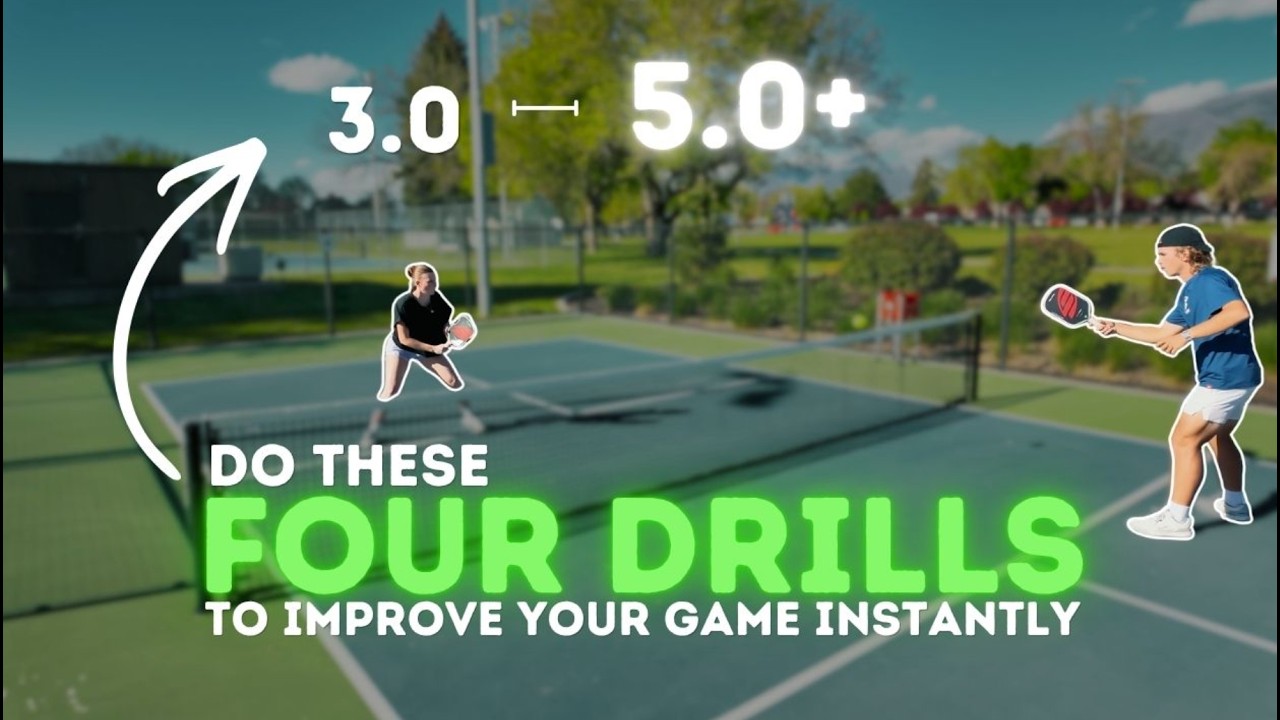
Struggling with lightning-fast serves that seem impossible to return? You're not alone. Many pickleball players make the mistake of trying to match power with power, but that's exactly the wrong approach.
The secret to returning fast serves lies in technique, not strength. By mastering proper positioning, paddle angles, and body mechanics, you can transform those intimidating serves into opportunities for offensive returns.
Why Fast Serves Feel Impossible to Return
Most players fail at returning fast serves because they panic and abandon their fundamentals. When a serve comes screaming toward you at high speed, the natural instinct is to swing harder and faster. This creates tension in your body and reduces your reaction time.
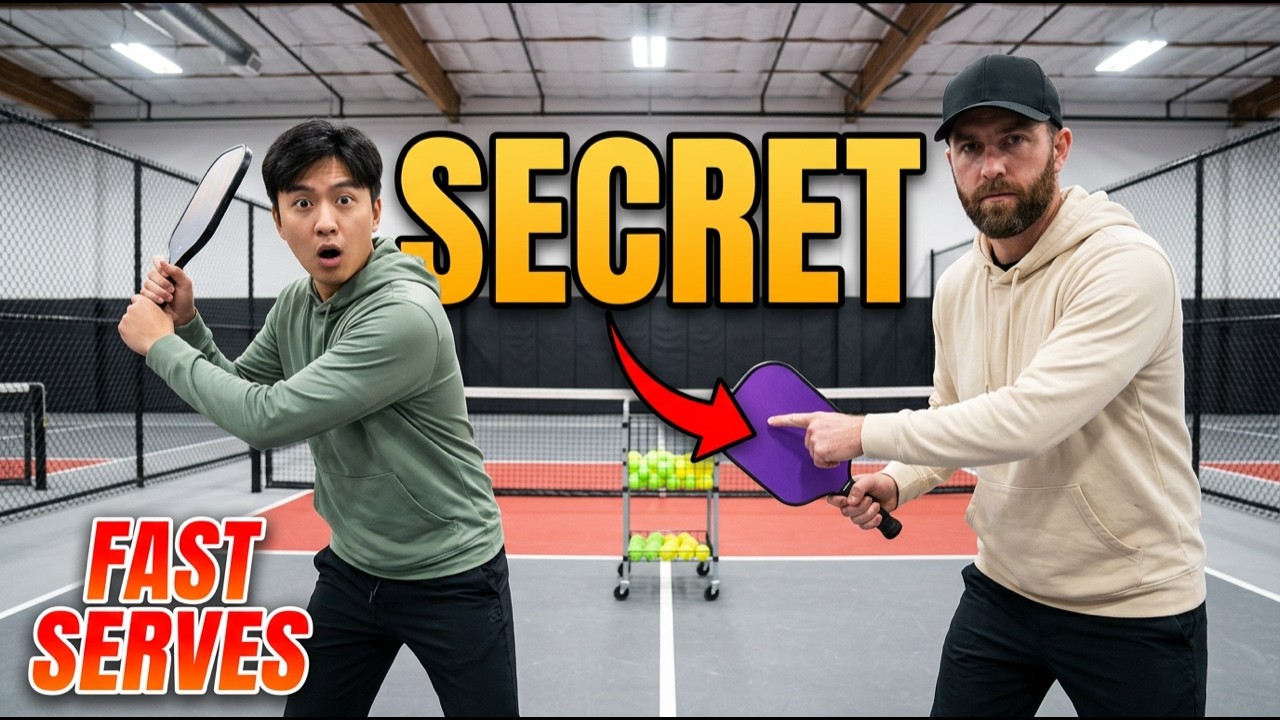
NCCP-certified coaches emphasize that fast serve returns are about redirecting energy, not creating it. Your opponent has already provided the power – your job is to control and redirect that energy with precision.
The 5-Step Fast Serve Return System
Step 1: Perfect Your Ready Position
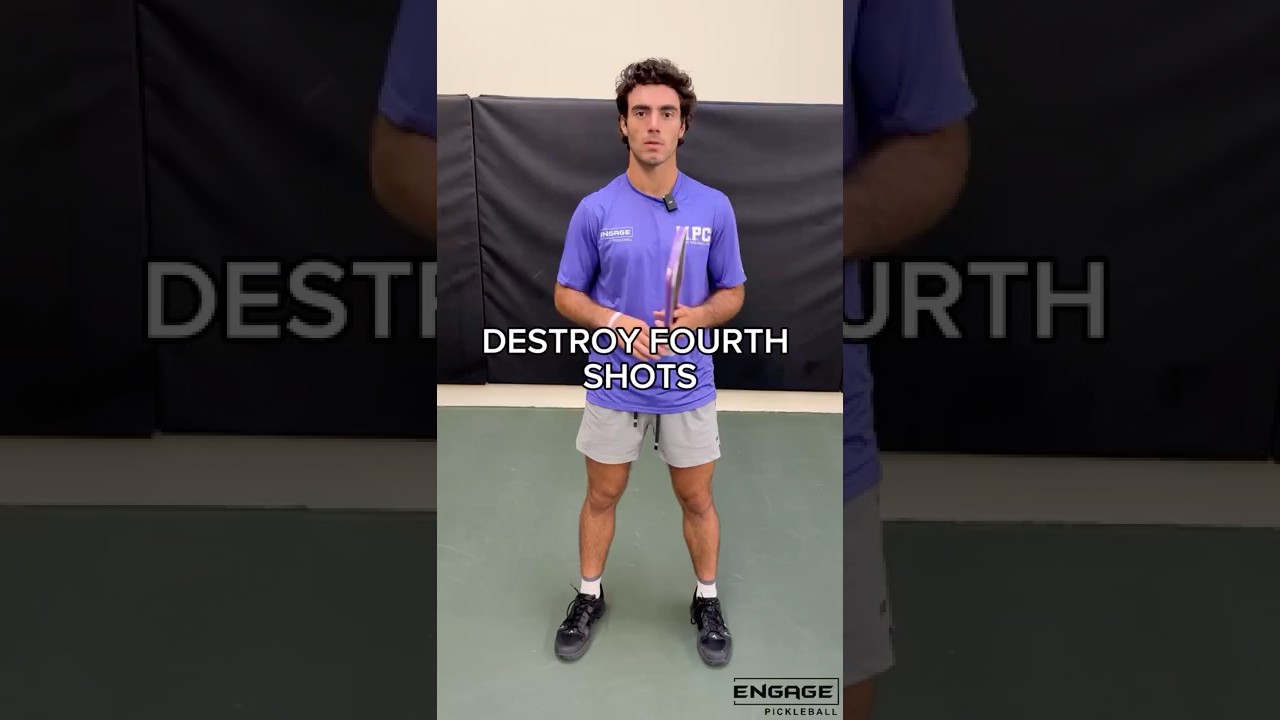
Position yourself approximately 2-3 feet behind the baseline, with your weight slightly forward on the balls of your feet. Hold your paddle at chest height with both hands, creating a stable platform for quick reactions.
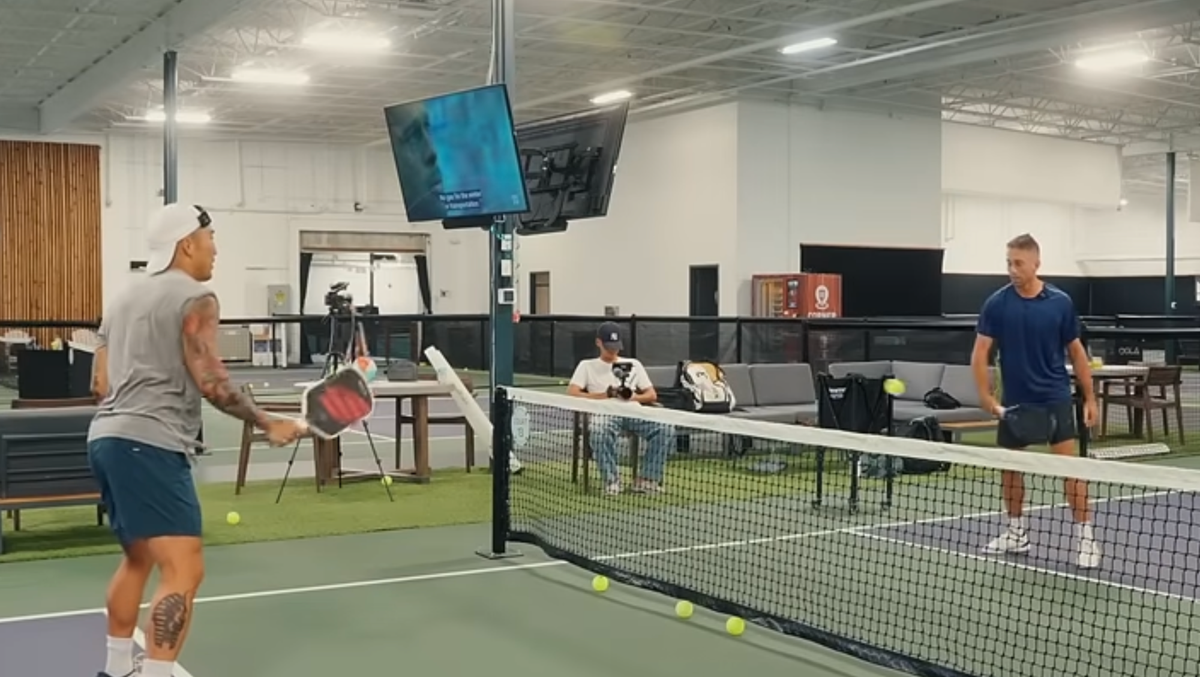
Your stance should be athletic – knees slightly bent, shoulders relaxed, and paddle face neutral. This ready position allows you to move quickly in any direction while maintaining balance.
Step 2: Read the Serve Early
Watch your opponent's paddle contact point and body language to anticipate serve direction and speed. Early recognition gives you precious milliseconds to prepare your return strategy.
Focus on the server's shoulder angle and paddle face at contact. These visual cues will help you predict whether the serve is heading to your forehand, backhand, or body.
Step 3: Use the Block Return Technique
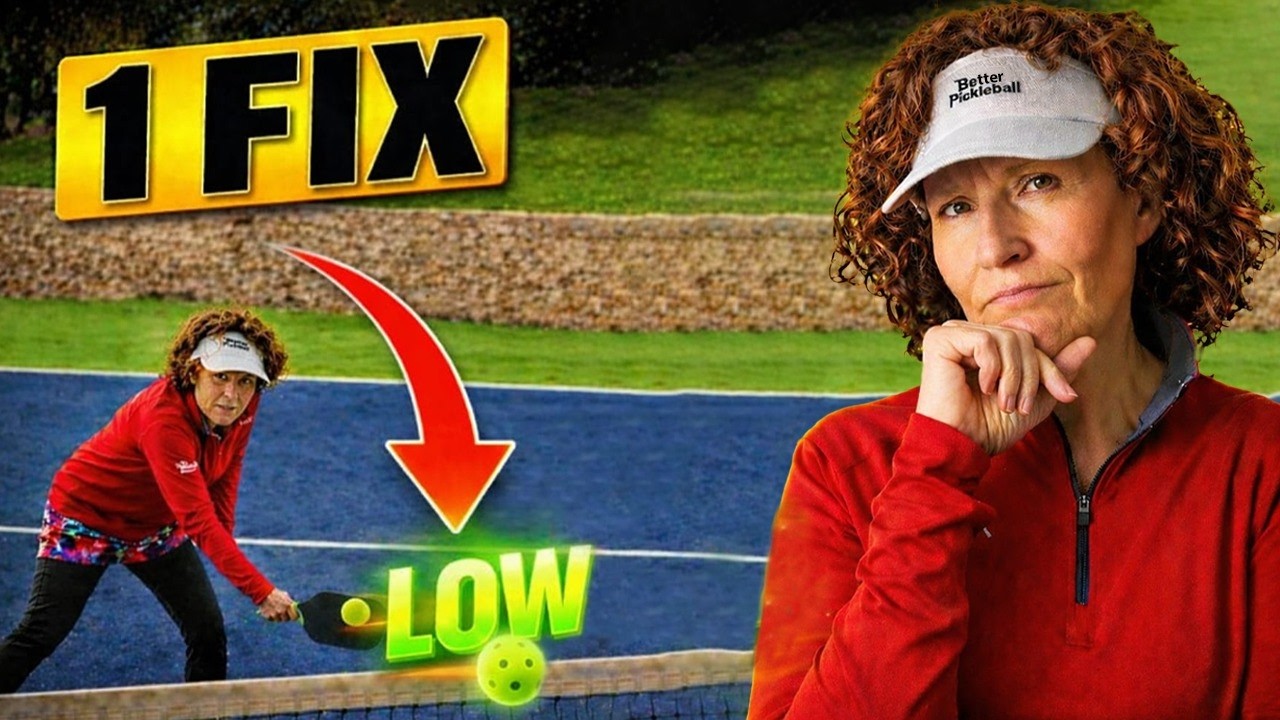
For extremely fast serves, employ the block return – a compact motion that uses the serve's own pace. Keep your backswing minimal and focus on paddle angle rather than swing speed.
Angle your paddle face slightly upward to create lift and depth on your return. The goal is to send the ball deep into your opponent's court, forcing them back and giving you time to recover.
Step 4: Master Body Positioning
Turn your body sideways to the incoming serve, creating a larger hitting zone and better balance. This position also allows you to step into the shot if time permits, adding controlled power to your return.
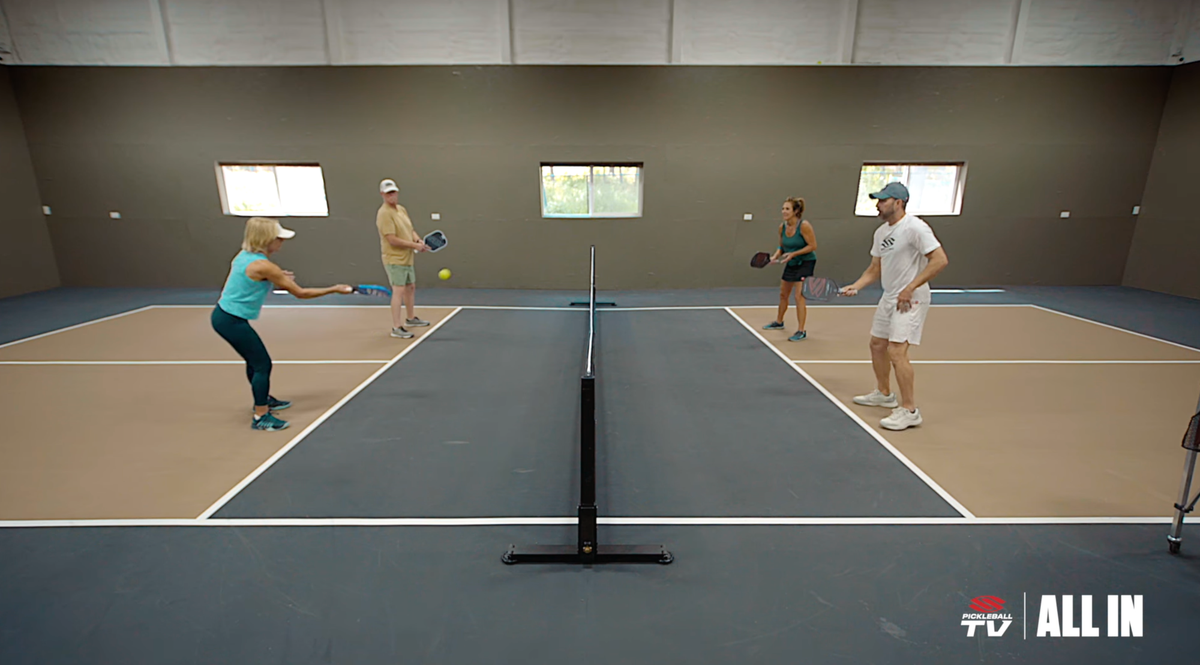
Keep your non-dominant foot slightly forward and be prepared to adjust your position based on the serve's trajectory. Small steps are better than large lunges when dealing with fast serves.
Step 5: Follow Through with Purpose
Complete your return with a controlled follow-through toward your target. Even on defensive returns, maintain direction and depth by following through across your body.
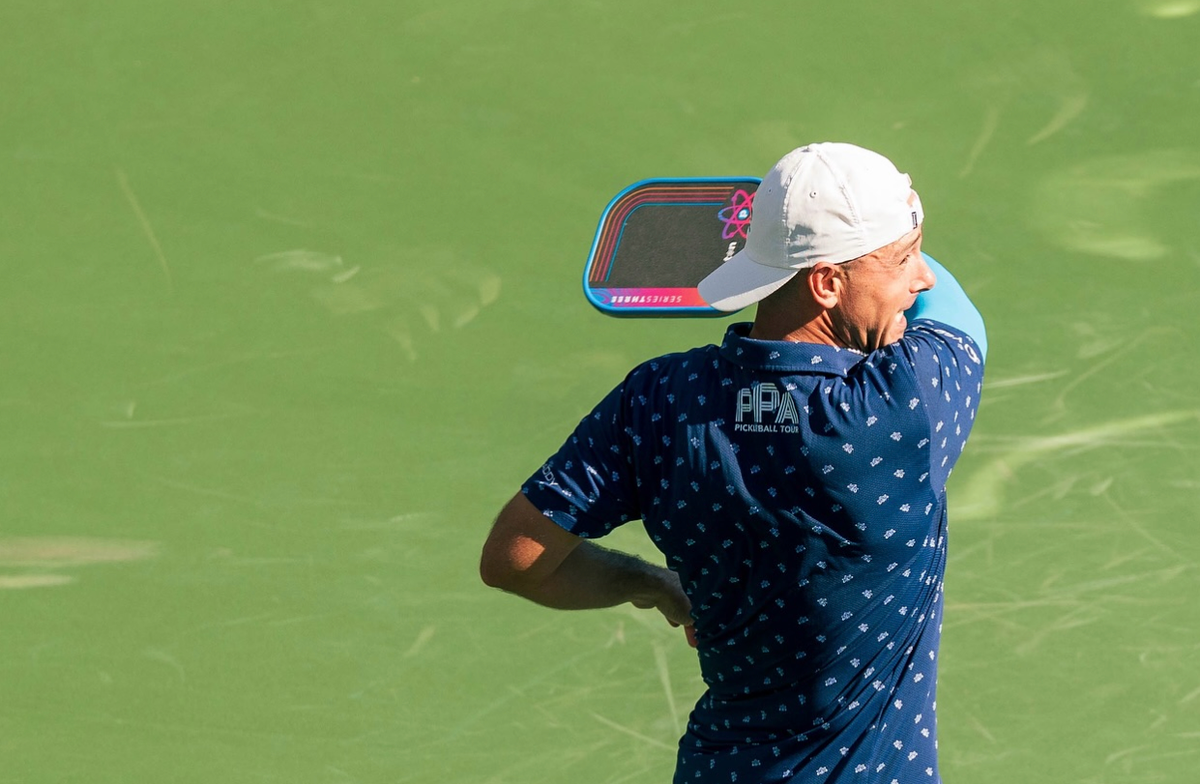
Your follow-through should be compact but deliberate, helping you maintain balance while preparing for the next shot in the rally.
Advanced Tips for Consistent Returns
Once you've mastered the basics, focus on these advanced concepts:
Paddle Grip Pressure: Maintain a firm but not tight grip. Excessive tension reduces feel and control, while too loose a grip leads to mishits.
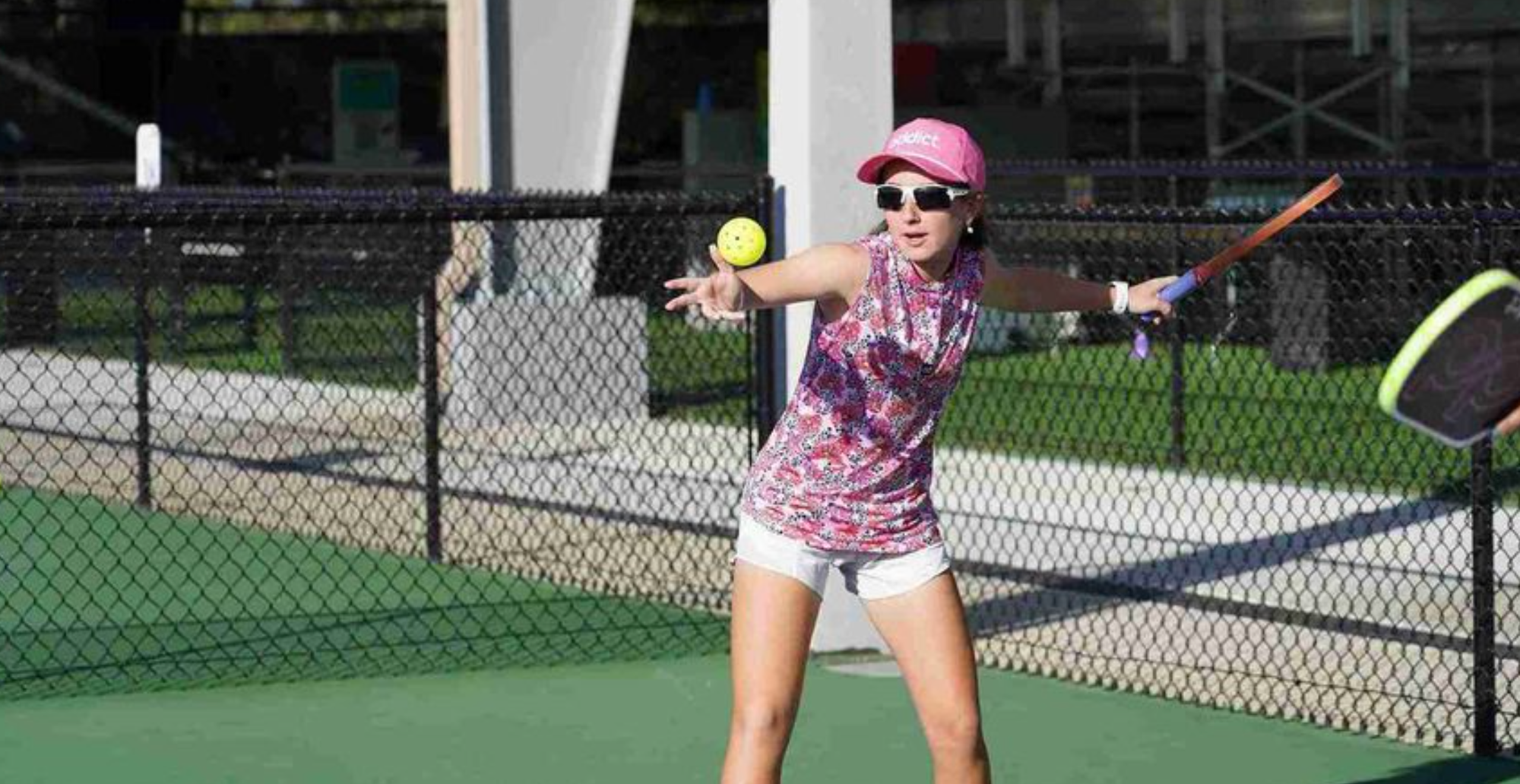
Eye Focus: Keep your eyes on the ball through contact. Many players look up too early, causing timing errors on fast serves.
Recovery Position: After your return, immediately move toward the baseline and prepare for the next shot. Fast servers often follow up with aggressive third shots.
Common Mistakes to Avoid
Don't attempt to hit winners off fast serves unless you're in perfect position. Focus on getting the ball back deep and letting the rally develop.
Avoid backing up too far from the baseline. While you need reaction time, being too far back makes it difficult to return serves that land short.
Practice Drills for Improvement
Work with a partner to practice returns at progressively faster speeds. Start with moderate pace and gradually increase the intensity as your technique improves.
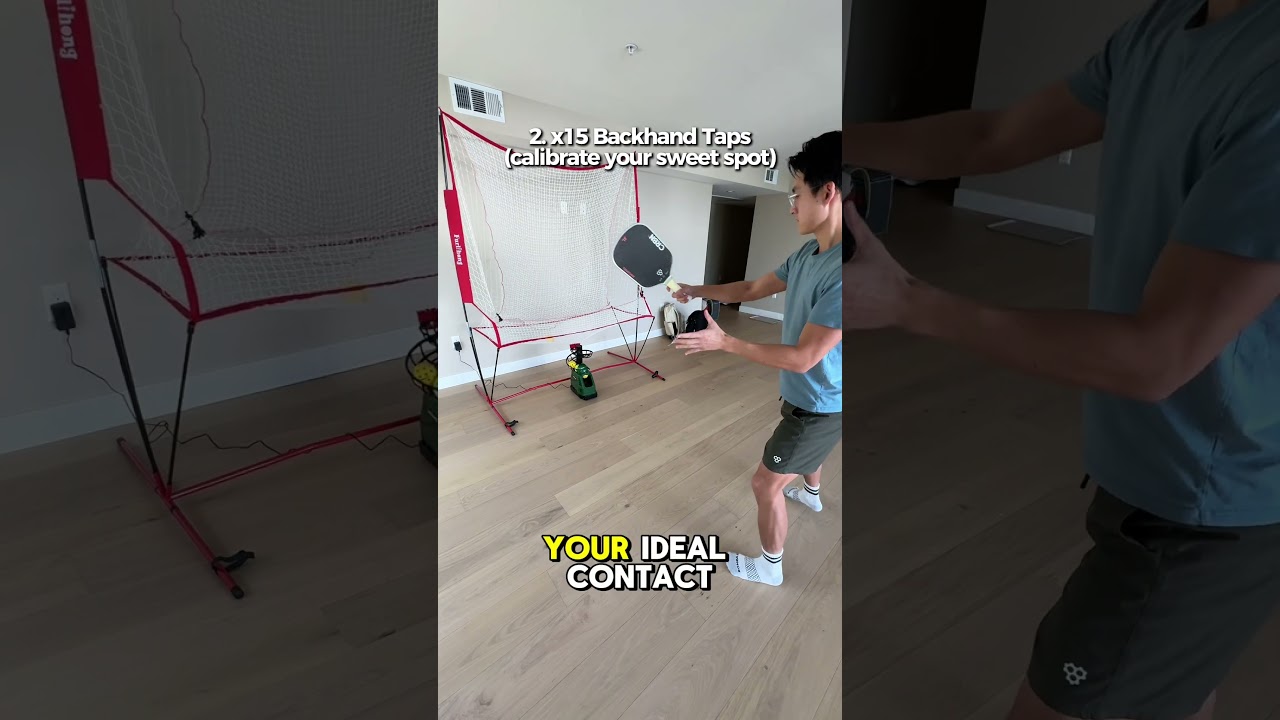
Use a ball machine or wall practice to develop consistent paddle angles and timing. Repetition is key to building muscle memory for high-pressure situations.
Frequently Asked Questions
Should I use different techniques for forehand vs. backhand fast serve returns?
The fundamental principles remain the same, but many players find backhand block returns more natural due to the shorter swing path. Practice both sides equally to avoid weaknesses.
How do I return serves that are both fast and have heavy spin?
Focus on reading the spin early and adjusting your paddle angle accordingly. For topspin serves, open your paddle face more; for slice serves, keep the face more neutral and be ready for the ball's sideways movement.
When should I attempt an aggressive return versus a defensive block?
Attempt aggressive returns only when you're in perfect position and the serve sits up slightly. If you're stretched or the serve is at maximum pace, prioritize getting the ball back deep and in play.