Professional pickleball players don't just casually switch sides during their careers—and there's a compelling reason why. According to top pros like Hayden Patriquin and Gabe Tardio, playing the right side isn't simply a positional change; it's an entirely different tactical universe with its own set of geometric puzzles and strategic demands.
The complexity of right-side play has become so pronounced that many elite players now specialize exclusively in one position, treating the transition between sides like learning a completely new sport.
The Geometry Problem: Why Angles Work Against Right-Side Players
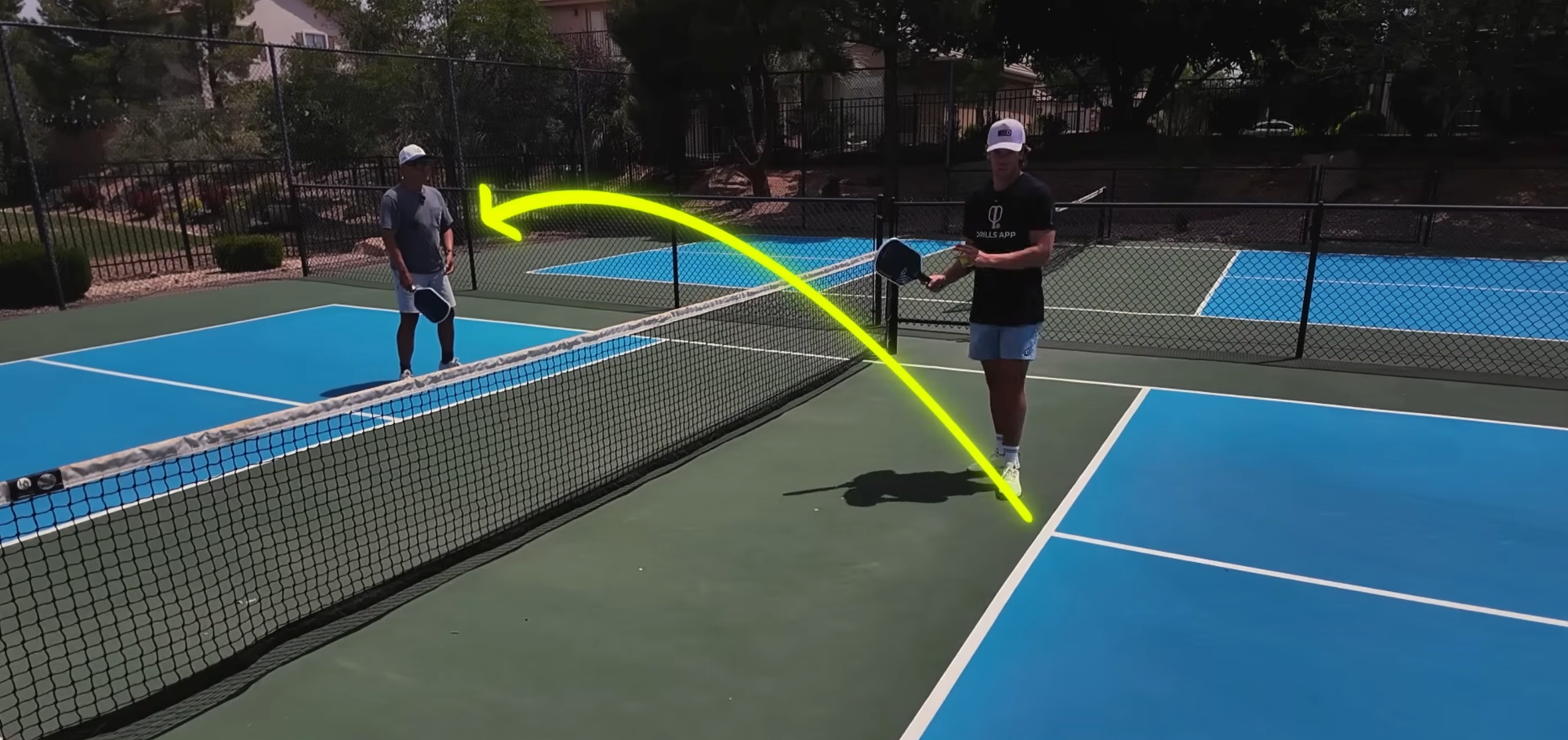
The fundamental challenge of right-side pickleball lies in court geometry and how it interacts with paddle mechanics. For right-handed players positioned on the right side, the natural biomechanics create a strategic disadvantage that left-side players simply don't encounter.
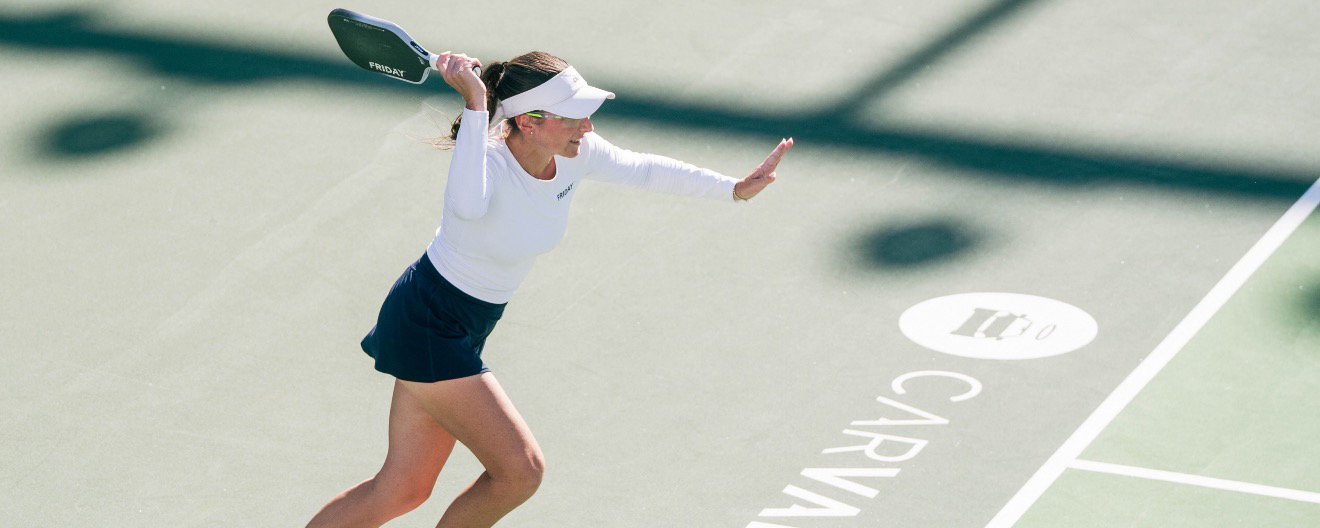
When attacking from the right side, right-handed players must work against their body's natural rotation to create sharp cross-court angles. This geometric constraint limits both power generation and placement options, forcing players to develop entirely different stroke patterns and court positioning strategies.
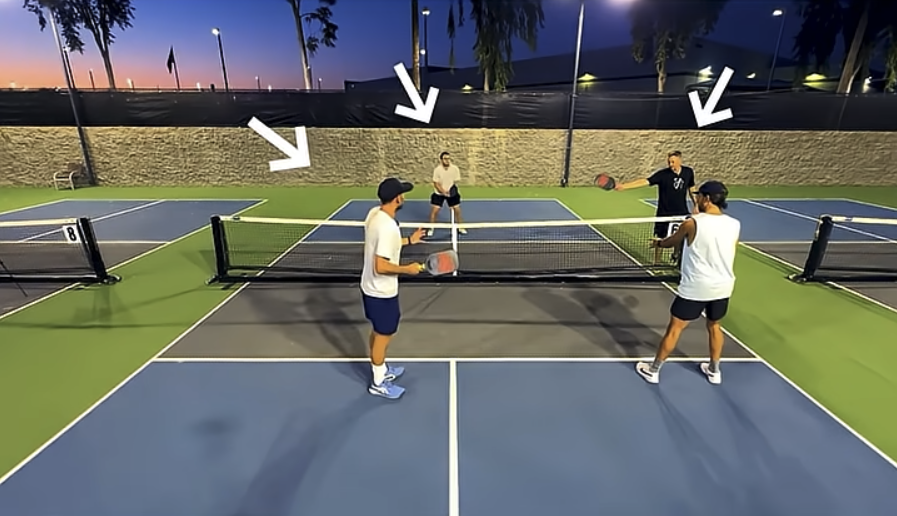
The backhand-heavy nature of right-side defense compounds these challenges. While left-side players can rely on their dominant forehand for most defensive plays, right-side players must master backhand consistency under pressure—a significantly more demanding technical requirement.
Attack Pattern Complexity
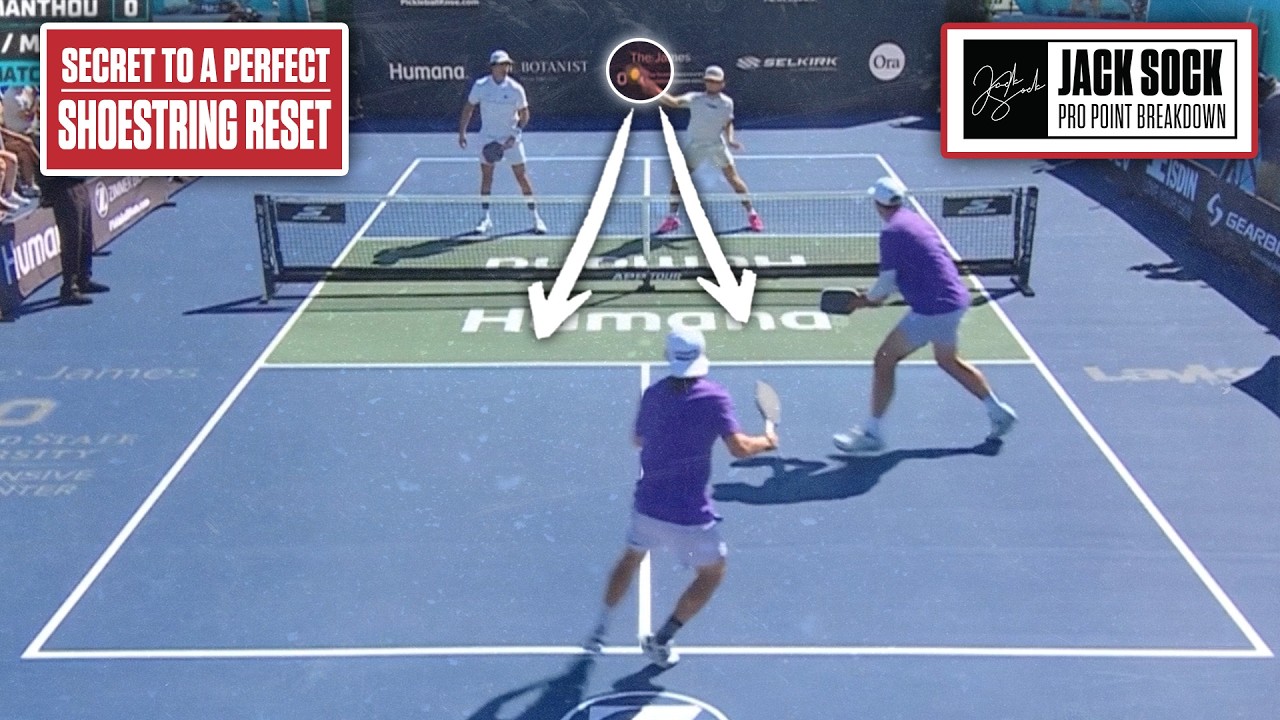
Elite players emphasize that right-side attack patterns require more sophisticated shot selection and court awareness. The angles available for offensive plays are more constrained, demanding greater precision and tactical creativity.

Unlike left-side players who can leverage natural forehand mechanics for aggressive shots, right-side players must develop nuanced touch and placement skills. This includes mastering the art of working with limited angles while maintaining offensive pressure—a delicate balance that takes years to perfect.
Defensive Responsibilities and Court Coverage
The defensive demands of right-side play create another layer of complexity. Right-side players typically handle more backhand-heavy defensive sequences, requiring exceptional consistency and court coverage under pressure.
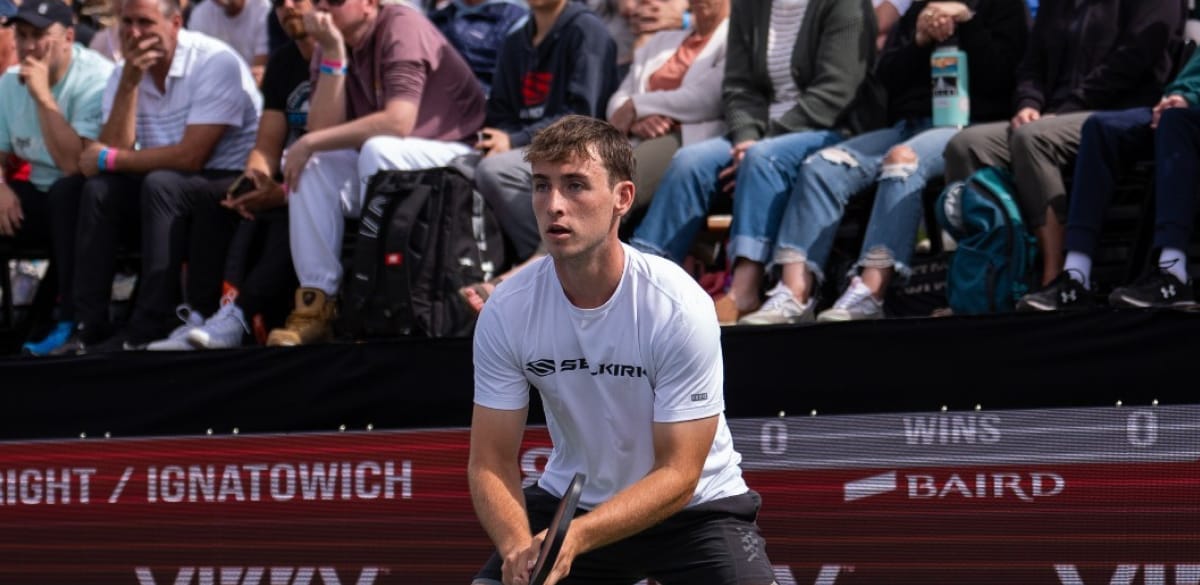
Professional analysis reveals that right-side players face more challenging defensive scenarios due to how opponents naturally target the geometric weaknesses inherent to the position. This constant pressure demands superior fitness, technique, and mental fortitude.
Why Pros Specialize in One Side
The tactical complexity explains why professional partnerships often feature players who have spent years mastering their respective sides. The skill sets required for elite right-side play differ so significantly from left-side demands that switching positions mid-career represents a substantial strategic risk.
Players like Patriquin and Tardio have invested countless hours developing the specific techniques, court sense, and tactical understanding required for their chosen positions. This specialization allows them to maximize their partnership's effectiveness while minimizing the geometric and tactical disadvantages.
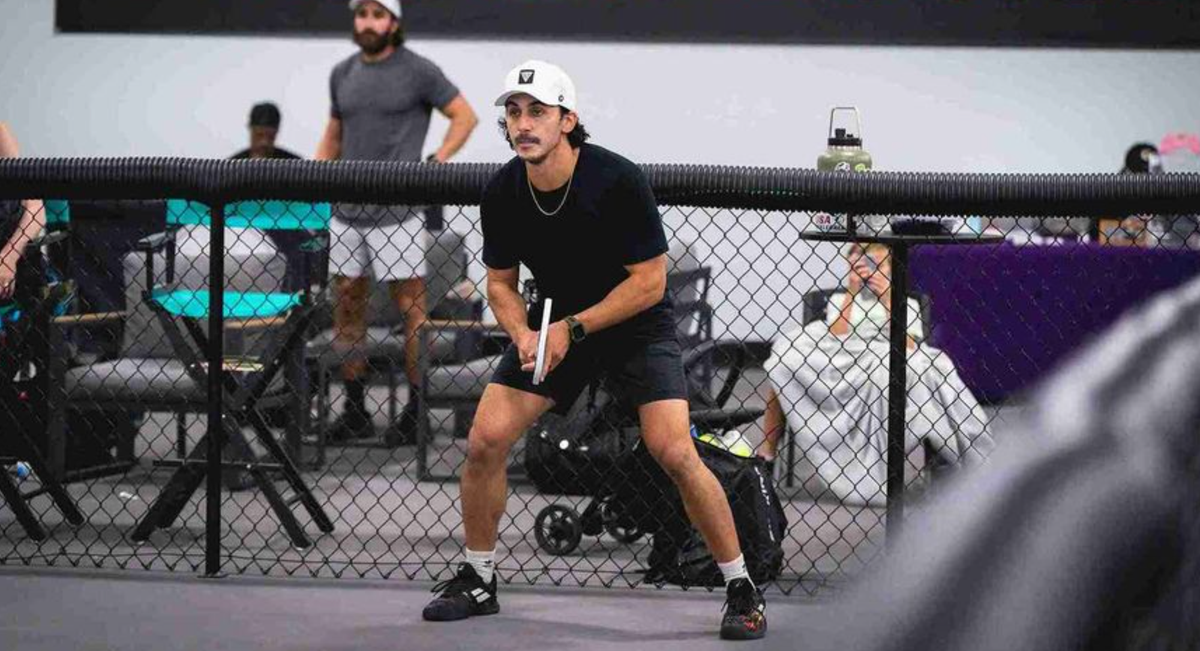
Training Implications for Amateur Players
For recreational players, understanding these positional complexities can dramatically improve doubles strategy. Rather than randomly switching sides, players should consider their natural strengths and weaknesses when determining optimal positioning.
Right-handed players considering right-side specialization should focus extensively on backhand development, angle management, and defensive consistency. The technical demands are higher, but mastering right-side play can provide a significant competitive advantage due to the position's complexity.
The Modern Doubles Evolution
This positional specialization represents a broader evolution in competitive pickleball strategy. As the sport matures, tactical sophistication continues to increase, with positional mastery becoming as important as individual shot-making ability.
The geometric challenges and tactical demands of right-side play illustrate how pickleball strategy has evolved beyond simple recreational doubles into a complex strategic sport requiring position-specific expertise.
Frequently Asked Questions
Should right-handed players avoid playing the right side?
Not necessarily. While right-side play presents additional challenges for right-handed players, mastering these complexities can provide competitive advantages. The key is understanding the specific technical and tactical demands required for success.
How long does it take to master right-side positioning?
Professional players suggest that developing elite right-side skills takes significantly longer than left-side mastery due to the geometric and technical complexities involved. Recreational players should expect months of focused practice to develop competency.
Can left-handed players benefit from right-side positioning?
Left-handed players often find right-side play more natural due to favorable geometric alignments with their dominant hand. However, they still must master the tactical complexities and defensive responsibilities inherent to the position.