Success in pickleball doubles isn't determined by how hard you can swing your paddle or how fast you can move. The difference between winning and losing comes down to three fundamental elements: strategic positioning, clear communication, and intelligent shot selection.
Professional player Michael Loyd, who has secured over 135 victories on the Pro Tour since 2023, emphasizes that most recreational players don't lose matches due to poor execution of shots. Instead, they lose because of preventable strategic errors that leave them vulnerable and their partners exposed.
The Foundation of Doubles Strategy
Understanding doubles strategy requires recognizing that pickleball is a game of percentages and positioning. Every shot you make should serve a purpose beyond simply getting the ball over the net. The most successful doubles teams operate as a unified front, making coordinated decisions that maximize their strengths while exploiting opponent weaknesses.
Critical Positioning Mistakes
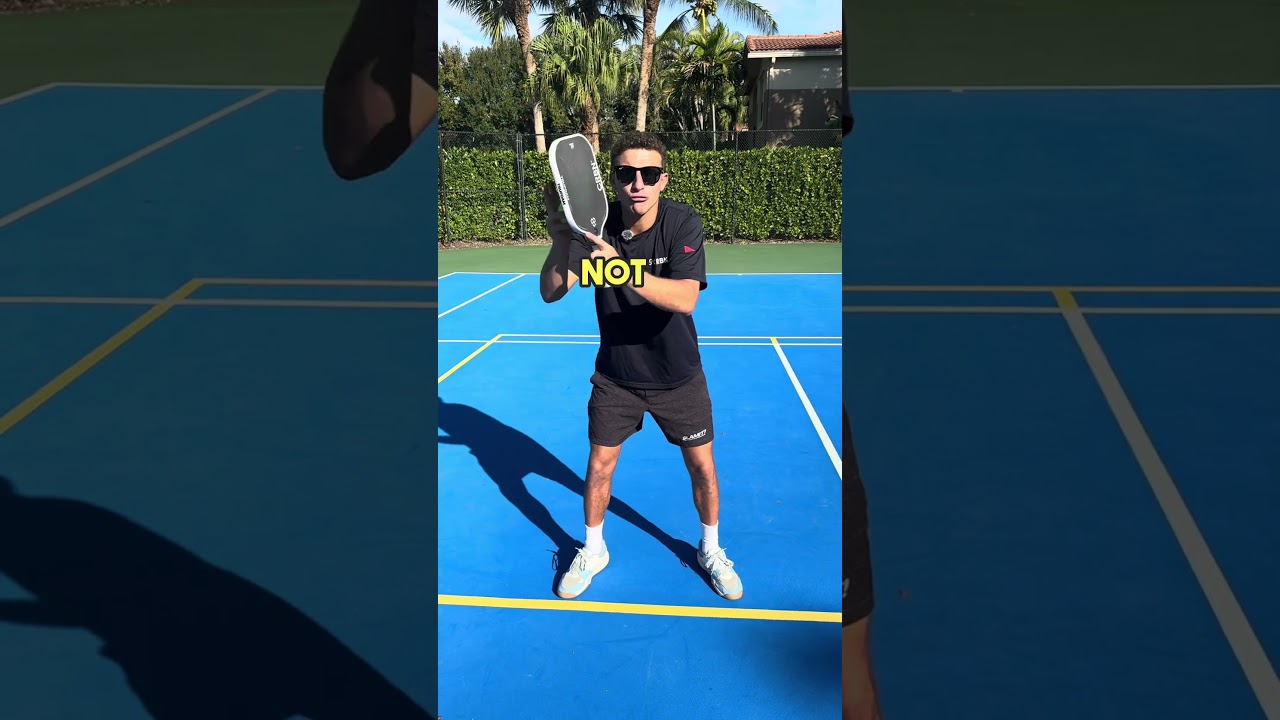
1. Standing Too Close Together
Many beginners gravitate toward their partner, creating massive gaps on the court. This clustering allows opponents to hit easy winners down the sidelines or through the middle with minimal effort.
2. Wrong Kitchen Line Positioning
Players often position themselves either too far from the non-volley zone or crowd the line inappropriately. Proper kitchen line positioning requires maintaining the right distance to handle both dinks and drives effectively.
3. Failing to Move as a Unit
Successful doubles teams move together laterally, maintaining consistent court coverage. When one player shifts left or right, their partner should mirror that movement to prevent gaps.
Communication Breakdowns
4. Silent Play
Tennis players might succeed with minimal verbal communication, but pickleball doubles demands constant dialogue. Teams must call shots, claim balls, and alert partners to opponent positioning throughout each point.
5. Unclear Ball Responsibility
The middle of the court becomes a liability when partners haven't established who takes shots hit directly between them. Develop predetermined systems for handling middle balls based on forehand/backhand positioning.
Shot Selection Errors
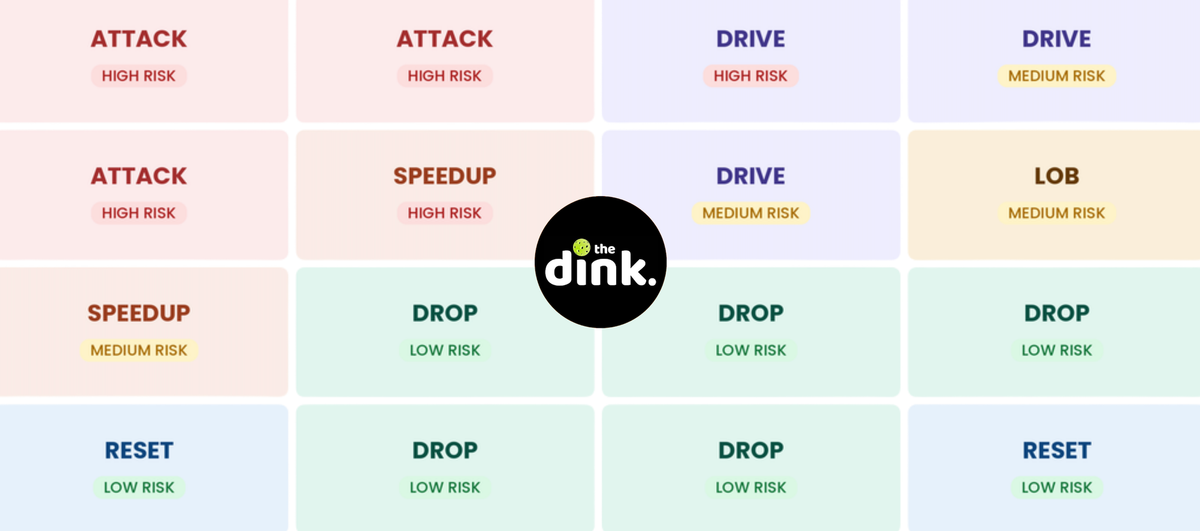
6. Attacking Low Percentage Shots
Beginners often attempt aggressive shots from disadvantageous positions. Learning when to reset points with safer shots versus when to attack aggressively separates developing players from recreational ones.
7. Neglecting the Third Shot
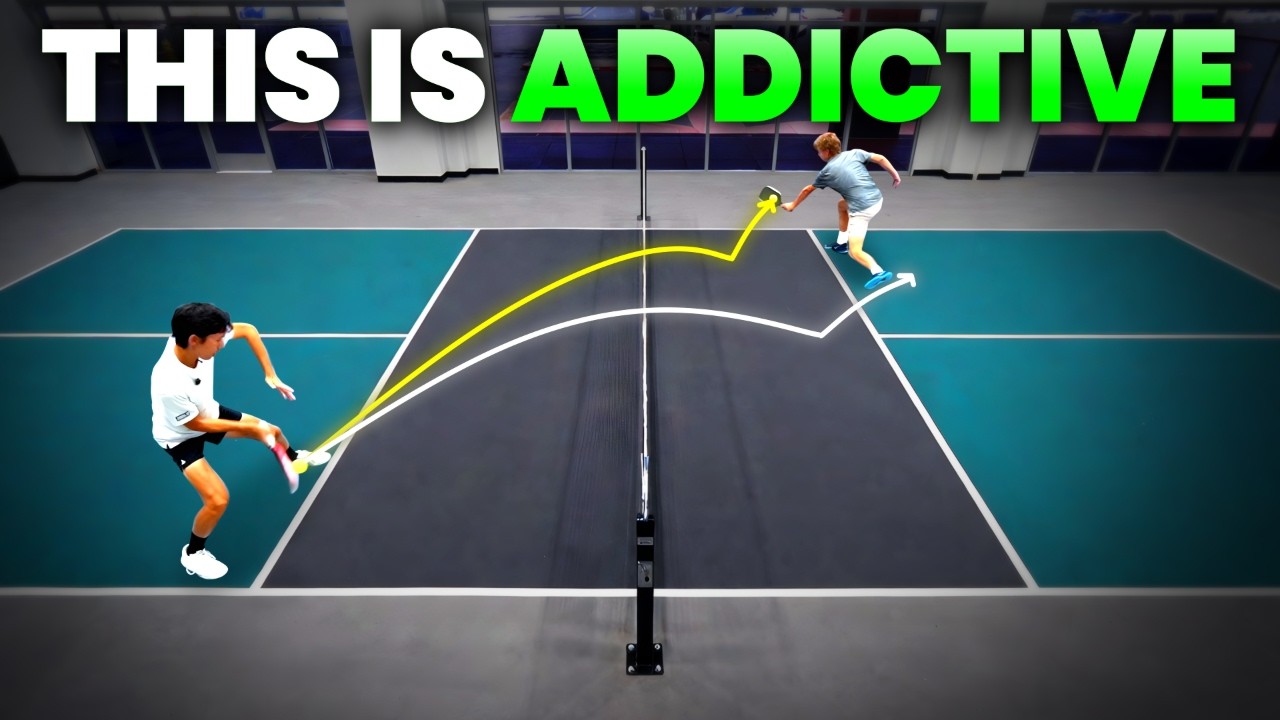
The third shot drop or drive sets the tone for entire points. Players who consistently mishit or poorly place their third shots find themselves defending from the baseline while opponents control the kitchen.
Tactical Awareness Problems
8. Ignoring Opponent Weaknesses
Observant teams identify opponent limitations early and exploit them systematically. This might mean targeting a player's backhand, attacking their mobility, or pressuring their communication.
9. Poor Transition Timing
Knowing when to advance to the kitchen line versus when to stay back requires reading the game situation. Premature advances result in easy putaways, while hesitant transitions surrender court position.
10. Reactive Instead of Proactive Strategy
Strong doubles teams dictate points rather than simply responding to opponent shots. This means varying pace, changing angles, and forcing opponents to play your preferred style of points.
Building Better Doubles Habits
Correcting these mistakes requires deliberate practice and honest self-assessment. Start by focusing on one or two areas during practice sessions rather than attempting to fix everything simultaneously. Video analysis of your matches can reveal patterns you might not notice during play.
Remember that developing solid doubles strategy takes time. Even professional players continuously refine their positioning, communication, and shot selection based on opponent adjustments and game situations.
Frequently Asked Questions
How long does it take to improve doubles strategy?
Most players see noticeable improvements in positioning and communication within 4-6 weeks of focused practice. However, developing advanced tactical awareness typically requires several months of consistent play and analysis.
Should both partners play the same style?
Successful doubles teams often feature complementary styles rather than identical approaches. One player might excel at aggressive net play while their partner provides consistent baseline support, creating a balanced team dynamic.
What's the most important aspect of doubles strategy for beginners?
Communication stands as the foundation of effective doubles play. Teams that talk consistently about ball responsibility, court positioning, and opponent tendencies immediately gain advantages over silent partnerships, regardless of individual skill levels.