The difference between recreational and competitive pickleball isn't just about power or technique—it's about making the right decisions at crucial moments. While many players focus solely on perfecting their strokes, the real game-changer lies in understanding when and how to execute each shot strategically.
Why Shot Selection Trumps Raw Power
Strategic thinking separates players who remain stuck at intermediate levels from those who advance to competitive play. You can spend countless hours drilling your forehand, but without proper decision-making skills, those technical improvements won't translate to match success.
The key insight from top coaching academies is that strategic decisions are learned skills, not natural instincts. This means every player can develop better game sense through focused practice and understanding of tactical principles.
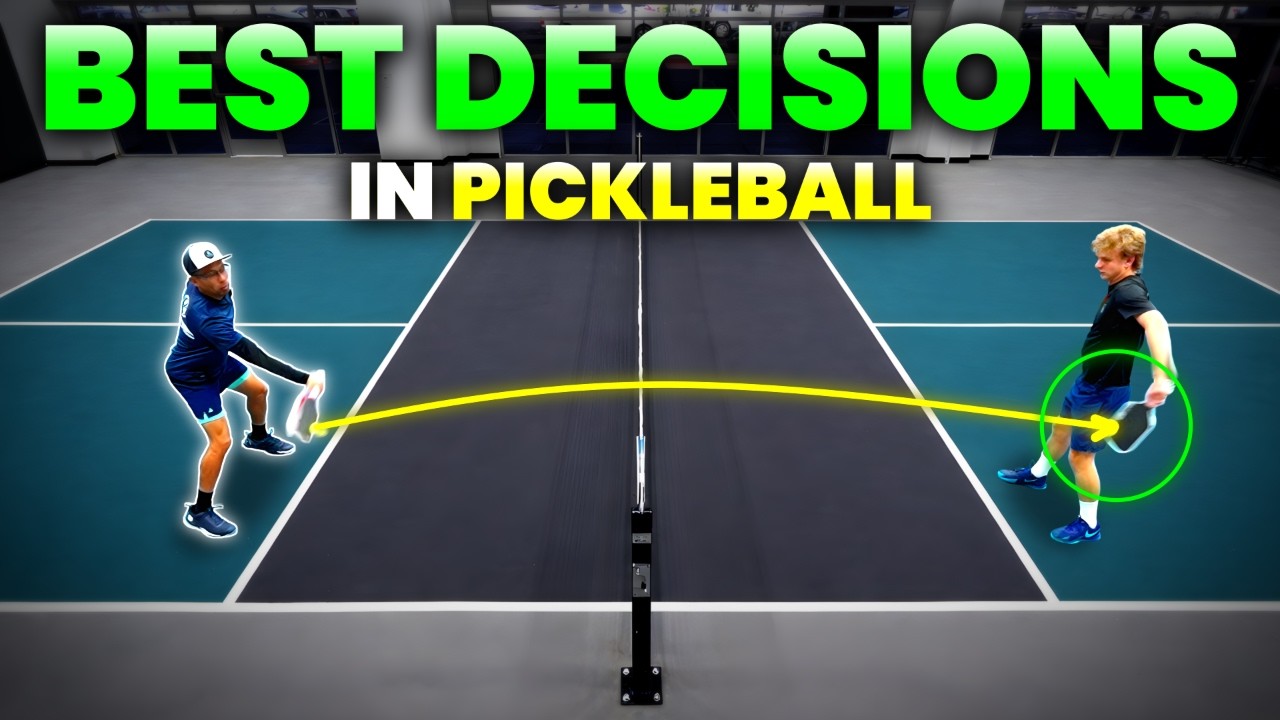
The Four Critical Shot Decisions
When to Drive Aggressively
Driving hard makes sense when you receive a ball above net height with a clear angle to your opponent's feet or sideline. However, many players default to power shots even from defensive positions, leading to unforced errors and lost points.
The best time to drive is when you're in an offensive position and can maintain control of the point. Avoid driving when you're off-balance, hitting upward, or facing opponents positioned well at the net.
Mastering the Third Shot Drop
The drop shot is your transition tool from the baseline to the net. Execute this shot when returning serves or hitting from deep court positions where aggressive shots would likely result in errors.
Focus on consistency over perfection with drops. A mediocre drop that lands in play is infinitely better than an attempted winner that finds the net or flies long.
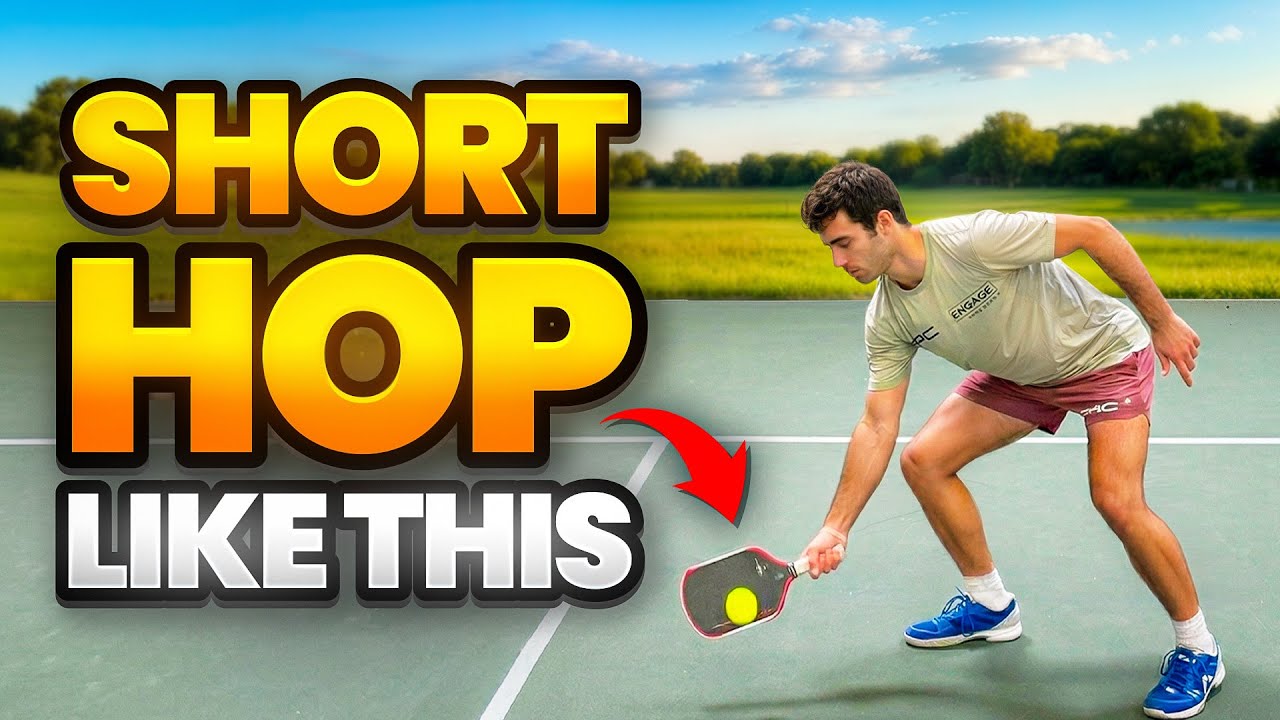
Reset Shot Timing
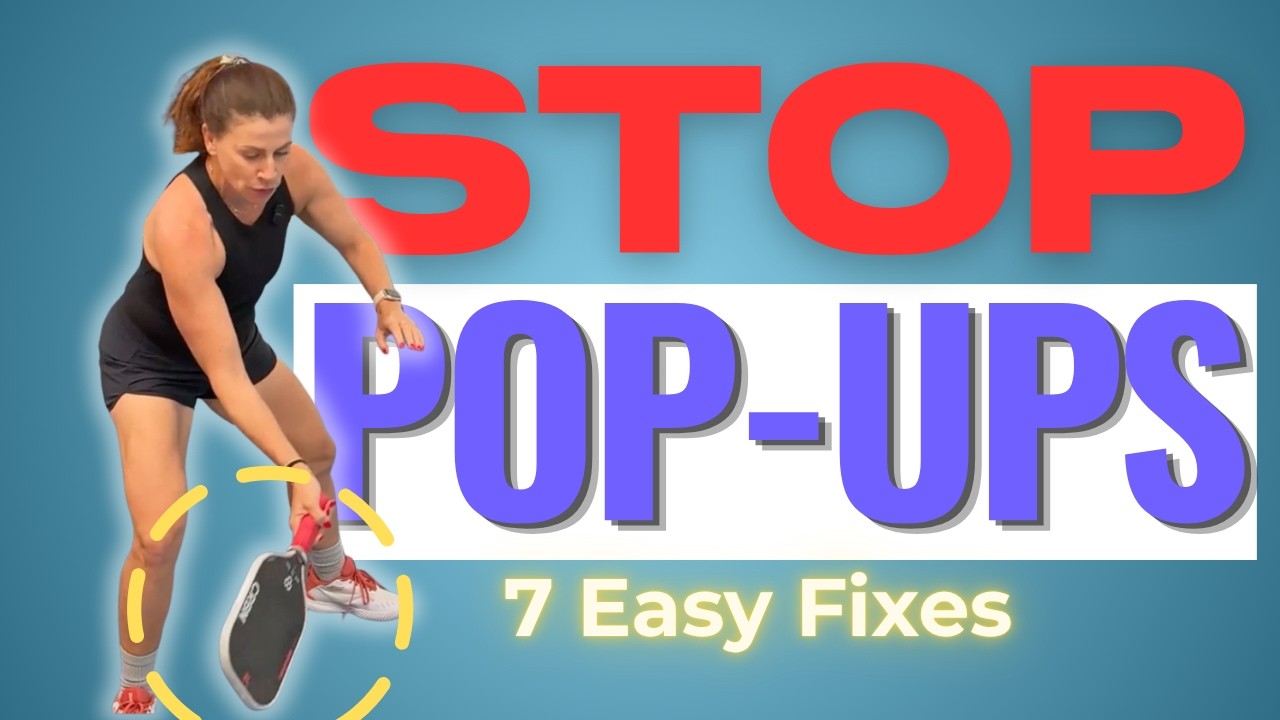
Reset shots become crucial when you're under pressure and need to neutralize your opponent's attack. These defensive shots should arc high enough to clear the net while dropping soft enough to prevent easy put-aways.
Use resets when facing aggressive drives, when pulled wide off the court, or when your opponents have established strong net positions. The goal is buying time to recover court position.
Recognizing Attack Opportunities
Attack shots work best when your opponents hit balls that bounce above net height in your strike zone. Look for short balls, weak returns, and any shot that allows you to step forward and hit downward.
Patience is crucial here. Many players force attacks from poor positions, resulting in errors. Wait for the right opportunity rather than creating forced shots from defensive positions.
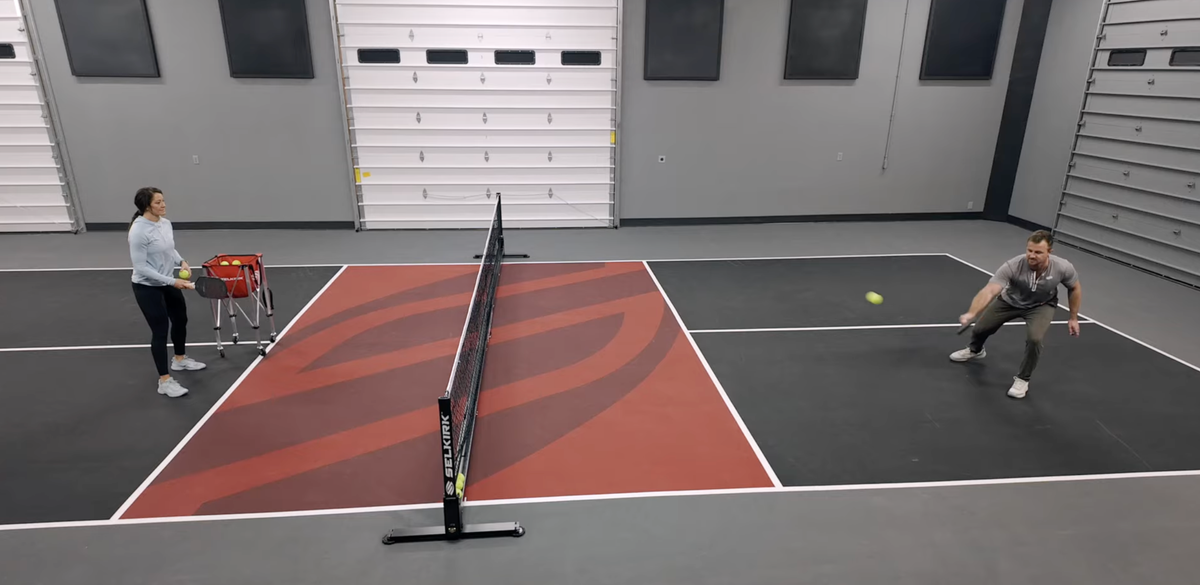
Developing Court Awareness
Strategic decision-making requires constant assessment of court positioning—both yours and your opponents'. Before each shot, quickly evaluate:
- Your position relative to the net and sidelines
- Your opponents' court coverage and vulnerabilities
- The height and angle of the incoming ball
- Your own balance and preparation time
This assessment happens in split seconds, but developing this habit transforms your tactical awareness dramatically.
Practice Strategies for Better Decision Making
Improving shot selection requires deliberate practice scenarios that simulate match pressure. Focus on situational drills rather than repetitive stroke practice:
Practice transition scenarios from baseline to net, emphasizing proper shot selection at each position. Work on defensive sequences where you must reset and recover before counterattacking.
Play point-based games with specific tactical goals, such as winning points only through patient building rather than forcing winners. This develops the discipline needed for smart shot selection under pressure.
Mental Game and Decision Speed
Advanced players make decisions quickly without sacrificing accuracy. This comes from pattern recognition developed through experience and focused practice.
Train your decision-making by playing with more advanced players who force faster tactical adjustments. Observe how they position themselves and choose shots in various situations.
Frequently Asked Questions
How long does it take to develop better shot selection skills?
Most players notice improvement in decision-making within 4-6 weeks of focused tactical practice. However, developing consistently good court sense typically takes several months of deliberate practice and match experience.
Should I prioritize technique or strategy in my practice sessions?
Balance both elements, but emphasize strategic practice once you have basic stroke competency. Poor decisions will undermine even excellent technique, while smart shot selection can overcome minor technical limitations.
What's the biggest decision-making mistake recreational players make?
The most common error is attempting aggressive shots from defensive positions. Players often try to hit winners when they should focus on staying in the point and waiting for better opportunities to attack.