Nothing ruins a solid rally faster than watching your perfectly positioned dink sail high into the air, giving your opponent an easy putaway. If you're tired of seeing your dinks turned into attackable shots, you've found the right solution.
Coach Jess from Athena Pickleball has developed a systematic approach to fixing dink pop-ups that works for players at every level. These seven techniques focus on immediate, practical adjustments you can make during play—no complex technical overhauls required.
Understanding Why Dinks Pop Up
Before diving into the fixes, it's crucial to understand that dink pop-ups stem from predictable mechanical issues. Most players struggle with paddle angle, contact point, or body positioning—all correctable problems once you know what to look for.
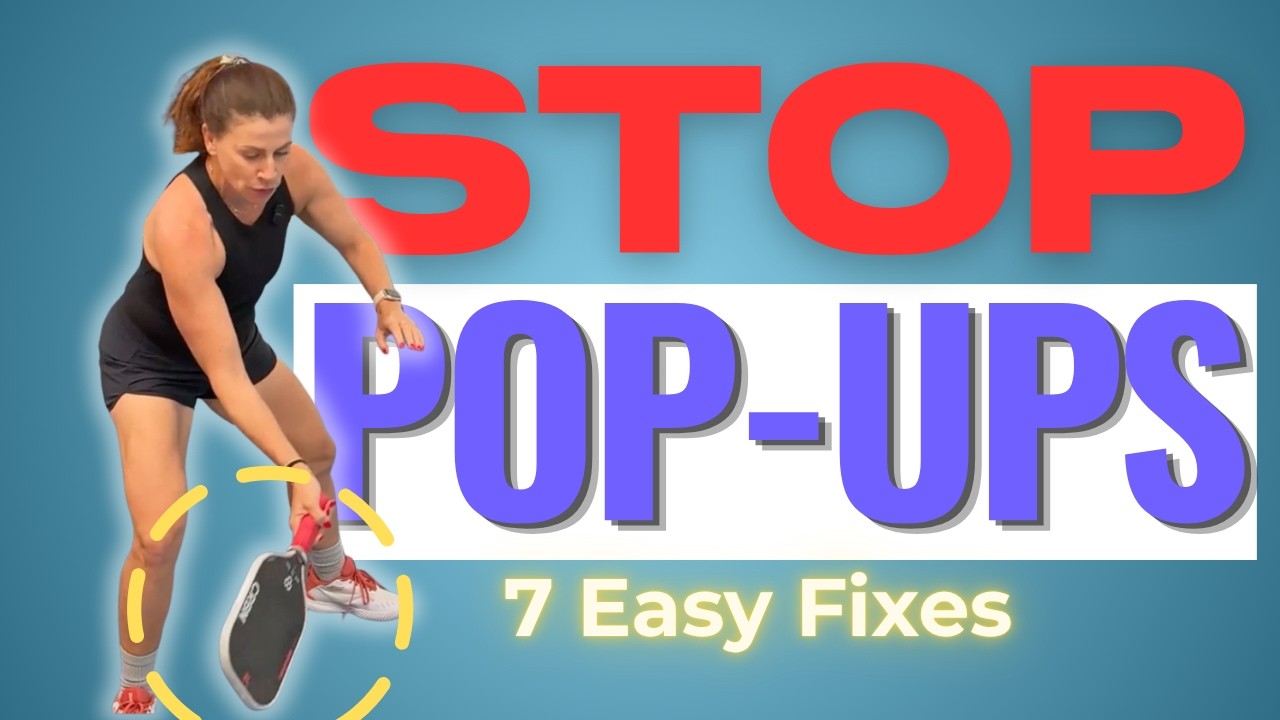
Fix #1: Adjust Your Paddle Face Angle
The most common culprit behind pop-ups is an open paddle face at contact. When your paddle tilts backward even slightly, it creates lift that sends the ball upward. Focus on keeping your paddle face perpendicular to the ground or slightly closed, especially when receiving higher balls.
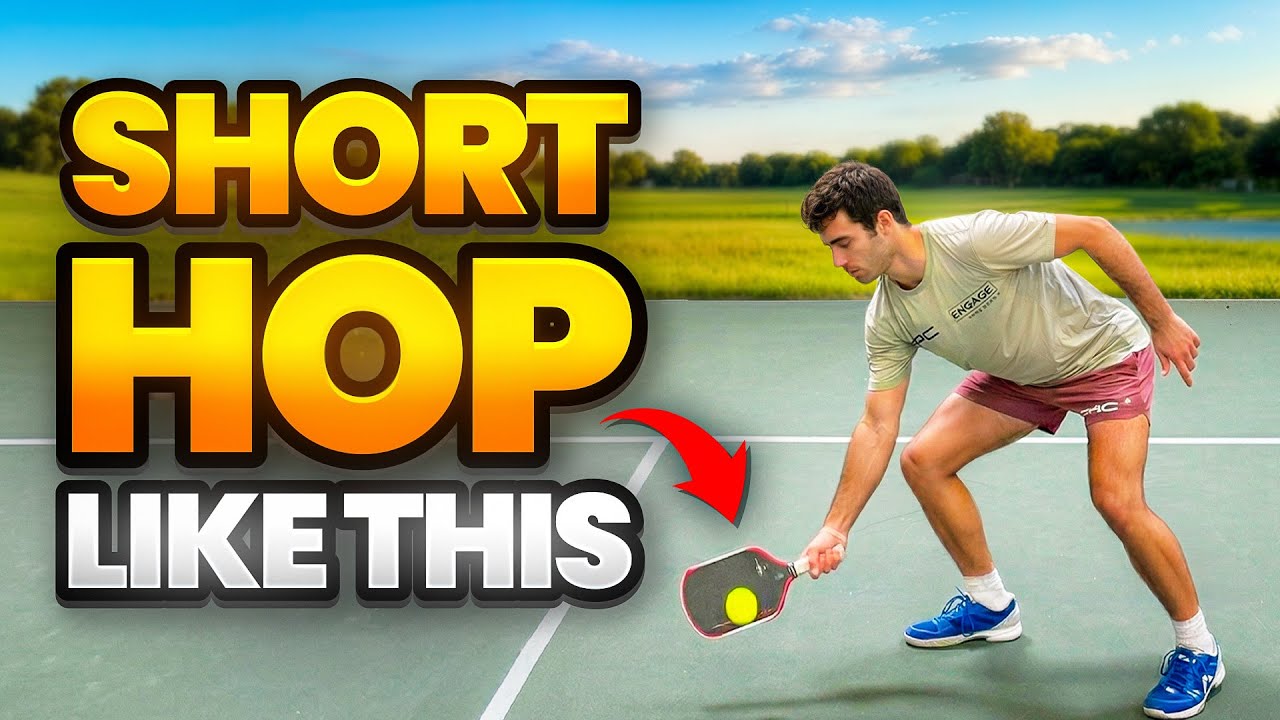
Fix #2: Move Your Contact Point Forward
Late contact forces you to scoop the ball, creating unwanted height. Establish your contact point well in front of your body, ideally at knee level or below. This forward position naturally promotes a downward swing path and better control.
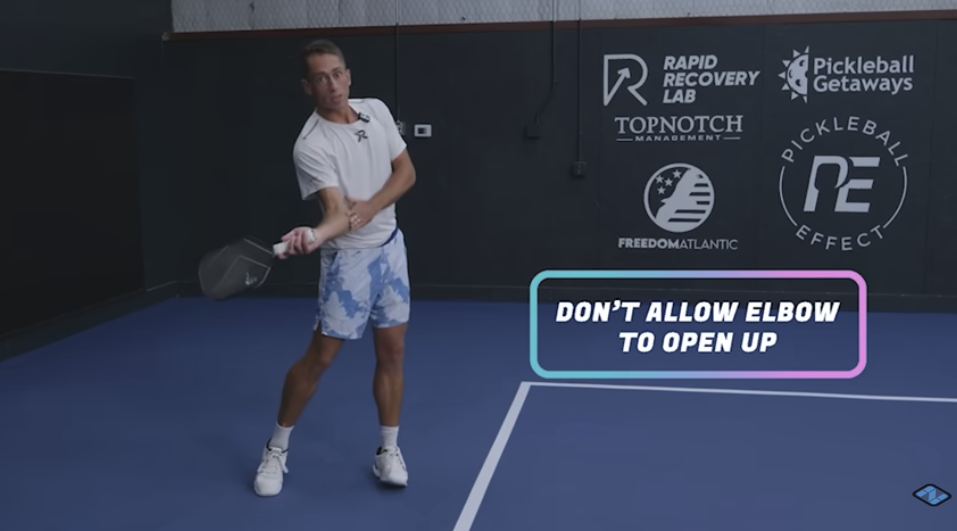
Fix #3: Control Your Follow-Through Direction
Many players follow through upward out of habit from groundstroke technique. For dinks, your follow-through should move forward and slightly downward, finishing below shoulder height. This motion helps drive the ball into the net rather than over it.
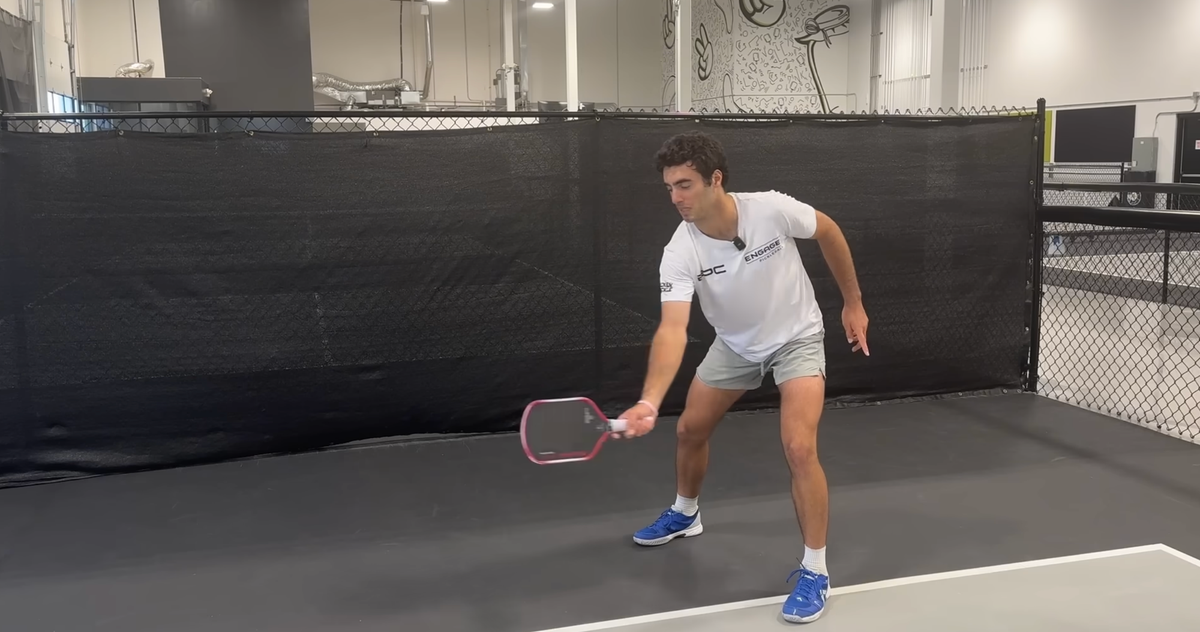
Fix #4: Soften Your Grip Pressure
Tension in your grip translates to tension in your shot, often resulting in jerky motions that send balls skyward. Maintain a relaxed grip that allows for subtle paddle adjustments and smooth acceleration through contact.
Fix #5: Lower Your Body Position
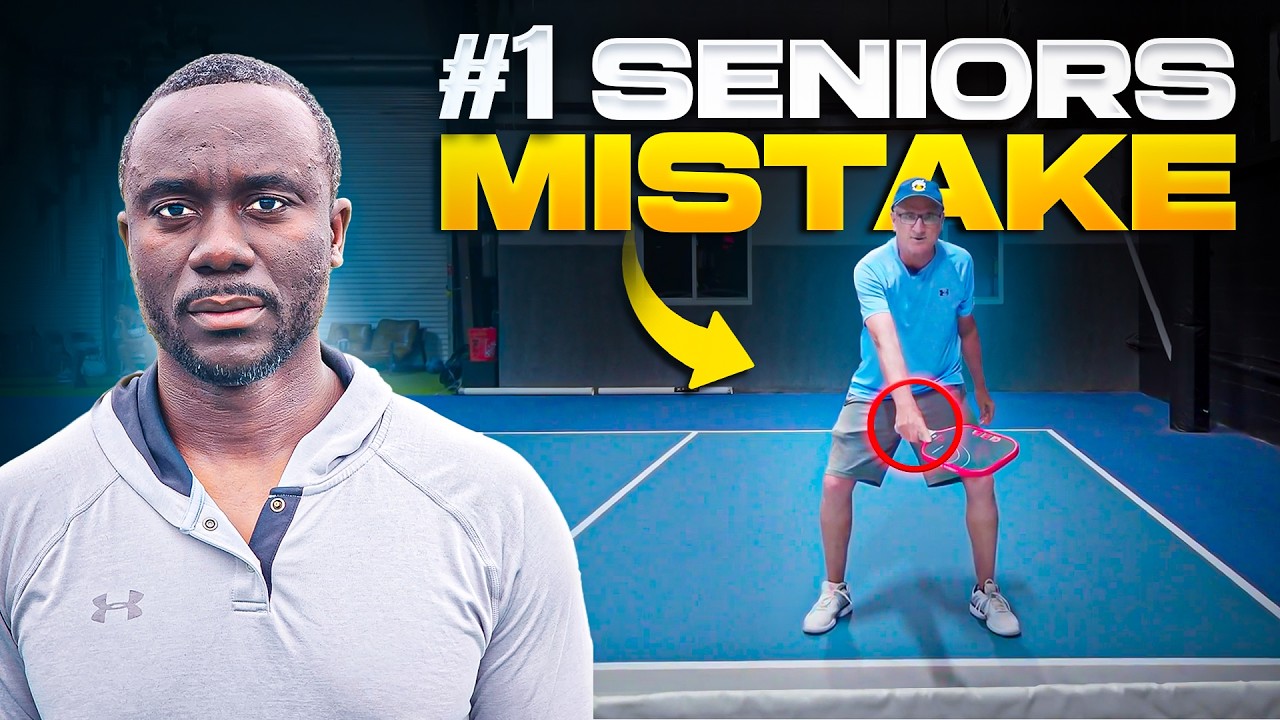
Standing too upright forces you to reach down for low balls, compromising your paddle angle. Bend your knees and lower your center of gravity to match the ball's height, allowing for more natural swing mechanics.
Fix #6: Time Your Split Step Correctly
Poor timing on your split step leaves you off-balance during contact. Execute your split step as your opponent makes contact, then move decisively to position yourself properly for your dink. Balanced footwork leads to balanced shots.
Fix #7: Practice Purposeful Placement
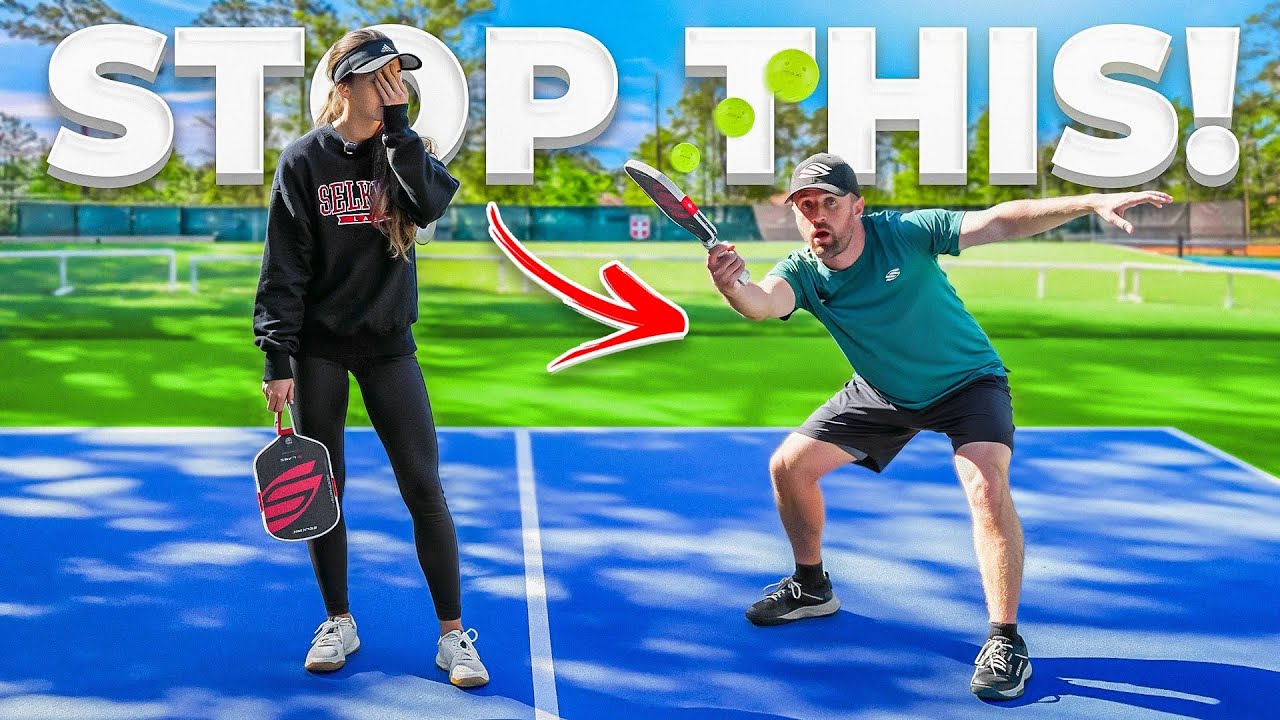
Random dinking without targets reinforces bad habits. Choose specific landing zones for each dink—deep corners, opponent's feet, or short angles. Having a clear target helps your brain coordinate the proper mechanics automatically.
Implementing the Fixes
Don't attempt to change everything simultaneously. Select one or two fixes that address your most obvious issues and practice them consistently. Once those become natural, add another element to your improvement plan.
The key to lasting improvement is understanding that dink control comes from precision, not power. Focus on consistency and placement over pace, and you'll find your pop-ups decreasing dramatically.
Practice Drills for Better Dinks
Incorporate specific drills that reinforce these mechanics. Cross-court dinking with targets, wall practice for paddle face control, and slow-motion shadow swings all help groove the correct movement patterns.
Remember, even professional players occasionally pop up dinks. The difference is they recognize the mistake immediately and make quick adjustments. Develop this same self-awareness in your game.
Frequently Asked Questions
How long does it take to fix dink pop-ups?
Most players see immediate improvement within 2-3 practice sessions when focusing on one specific fix at a time. Complete mastery typically develops over 4-6 weeks of consistent practice.
Should I change my grip for better dink control?
Your grip type matters less than grip pressure. Most successful players use a continental grip with light pressure, but focus on relaxation over grip style changes.
What's the biggest mistake players make when trying to fix pop-ups?
Attempting to fix everything at once leads to confusion and inconsistency. Address one mechanical issue at a time for faster, more sustainable improvement.