The divide between intermediate players who plateau and those who advance to competitive levels often comes down to one crucial shot: the two-handed backhand. This fundamental technique can transform your court positioning, defensive capabilities, and overall game strategy.
Why Intermediate Players Struggle with Backhand Shots
Picture this scenario: you're positioned at the baseline when your opponent delivers a perfectly placed third shot drop to your backhand corner. Your heart rate spikes, and instinct takes over. Most intermediate players rely solely on a one-handed backhand approach, which often results in weak, defensive returns that gift opponents easy net positioning.
This reactive playing style creates a vulnerability that experienced players recognize immediately. Once they identify your backhand weakness, they'll systematically target that side, transforming your court position into their offensive launching pad.
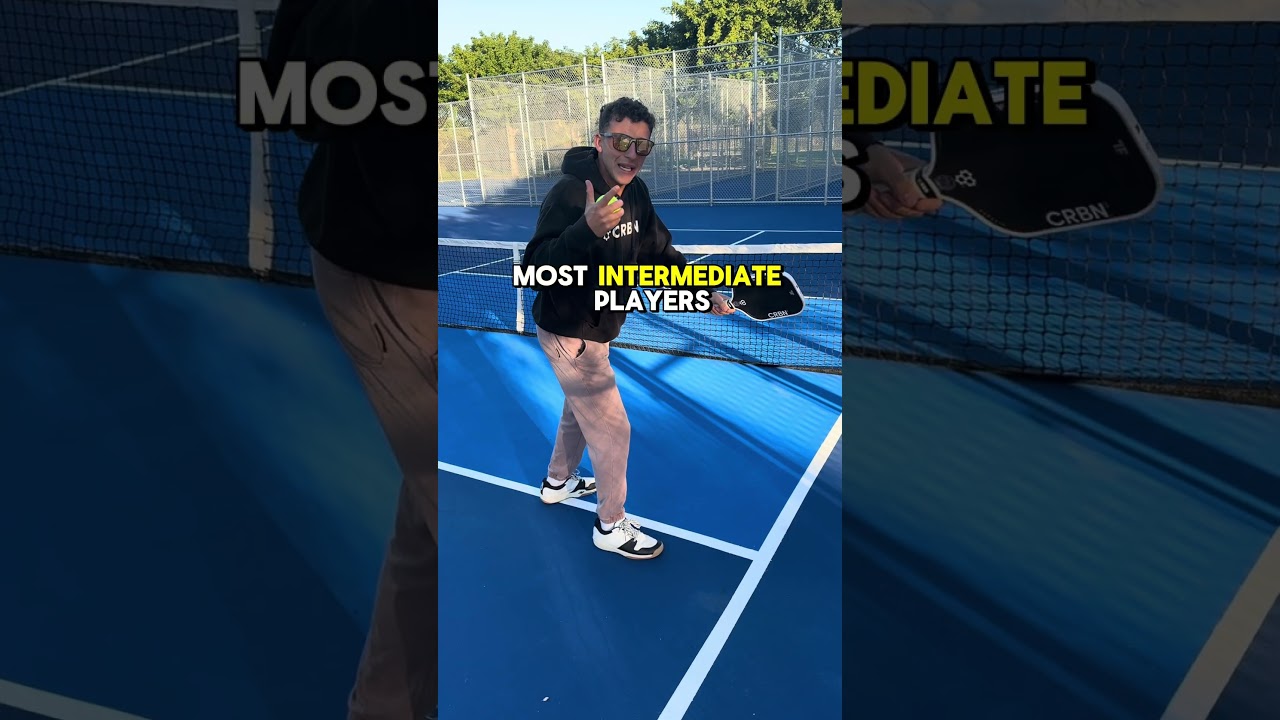
The Strategic Advantage of Two-Handed Technique
Advanced players understand that the two-handed backhand isn't just about power—it's about control and versatility. This technique provides several key advantages:
Enhanced Stability and Control
Using both hands creates a more stable paddle platform, allowing for consistent contact point and better ball placement. This stability translates into more accurate cross-court shots and improved defensive positioning.
Increased Shot Variety
The two-handed grip enables players to execute multiple shot types from the same setup: drives, drops, blocks, and even offensive attacks. This unpredictability keeps opponents guessing and prevents them from camping on your backhand side.
Better Court Coverage
With improved backhand confidence, players naturally position themselves more aggressively, covering wider angles and transitioning to net play more effectively.
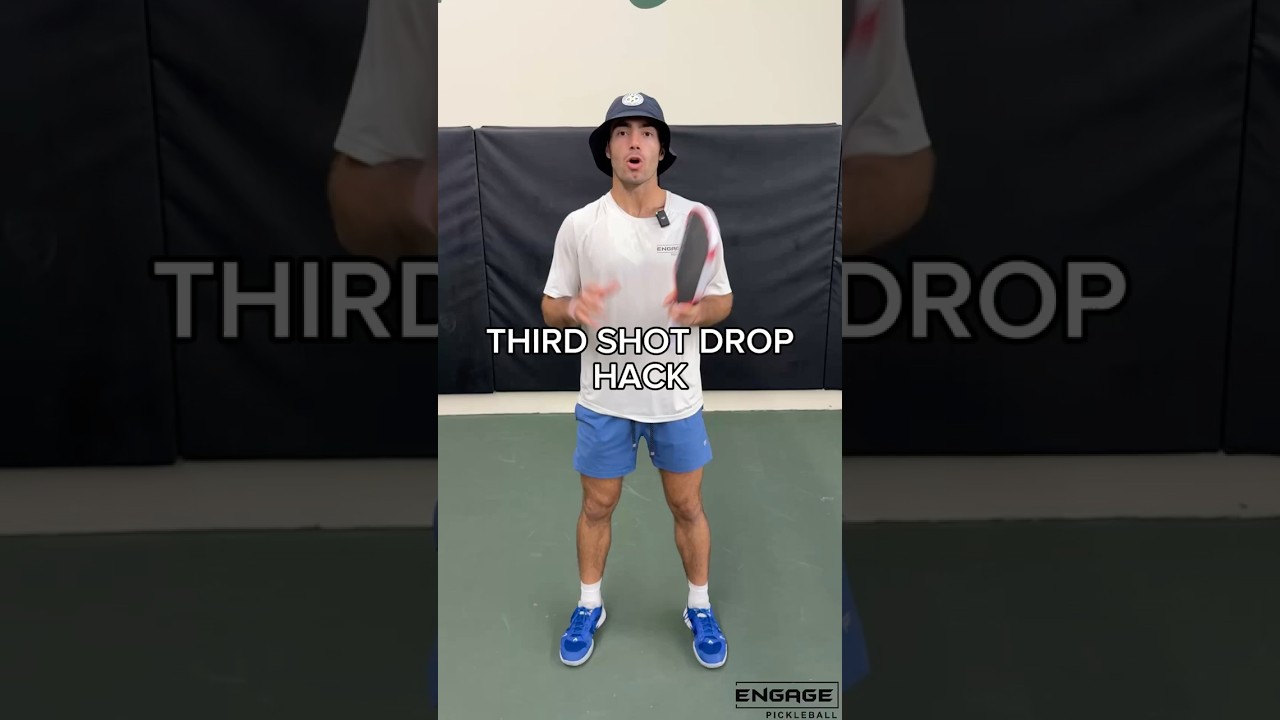
Technical Fundamentals for Success
Mastering the two-handed backhand requires attention to several technical elements that separate effective execution from common mistakes.
Grip and Hand Positioning
Your dominant hand should maintain your standard grip, while the non-dominant hand provides support and additional control. The key is finding the balance where both hands contribute without fighting each other during the swing.
Body Rotation and Weight Transfer
Unlike one-handed backhands that rely heavily on arm strength, the two-handed version emphasizes core rotation and proper weight transfer. This biomechanical advantage generates more consistent power while reducing injury risk.
Follow-Through Pattern
The follow-through should feel natural and balanced, with both hands working together through contact and beyond. This coordinated movement ensures better ball control and sets you up for quick recovery.
Practice Strategies That Accelerate Learning
Developing an effective two-handed backhand requires structured practice that builds muscle memory and situational awareness.
Start with stationary ball feeding drills, focusing on contact point consistency before adding movement. Progress to cross-court rallies that emphasize placement over power, then incorporate game-speed scenarios that simulate match pressure.
The breakthrough moment occurs when you stop thinking about technique and start reacting instinctively. This transition typically happens after consistent practice sessions where the movement pattern becomes automatic.
Common Mistakes That Slow Progress
Many players attempt to rush the learning process, leading to technical flaws that become difficult to correct later. Avoid over-gripping the paddle, which creates tension and reduces feel. Similarly, don't try to generate excessive power initially—focus on clean contact and consistent placement.
Another frequent error involves neglecting footwork. The two-handed backhand requires proper positioning, so invest time in movement patterns that set up successful shots.
Frequently Asked Questions
How long does it take to develop a reliable two-handed backhand?
Most players see significant improvement within 4-6 weeks of consistent practice, though complete comfort in match situations may take 2-3 months depending on practice frequency and quality.
Should I abandon my one-handed backhand completely?
Not necessarily. Many advanced players use both techniques situationally. The two-handed version excels in defensive situations and when you need extra control, while one-handed shots can be effective for reach and certain angles.
Can older players successfully transition to a two-handed backhand?
Absolutely. The two-handed technique often reduces strain on the shoulder and elbow, making it an excellent option for players concerned about injury prevention while improving their game.