Traditional pickleball drills can feel monotonous and disconnected from real game situations. Many players struggle to see improvement despite hours of repetitive practice. Fortunately, innovative coaches are developing alternative training methods that deliver faster, more sustainable results.
Why Traditional Drills Fall Short
Standard pickleball drills often isolate specific skills without considering game context. Players may excel at cross-court dinks during practice but struggle to execute the same shots under pressure. This disconnect occurs because traditional drills lack the dynamic elements present in actual gameplay.
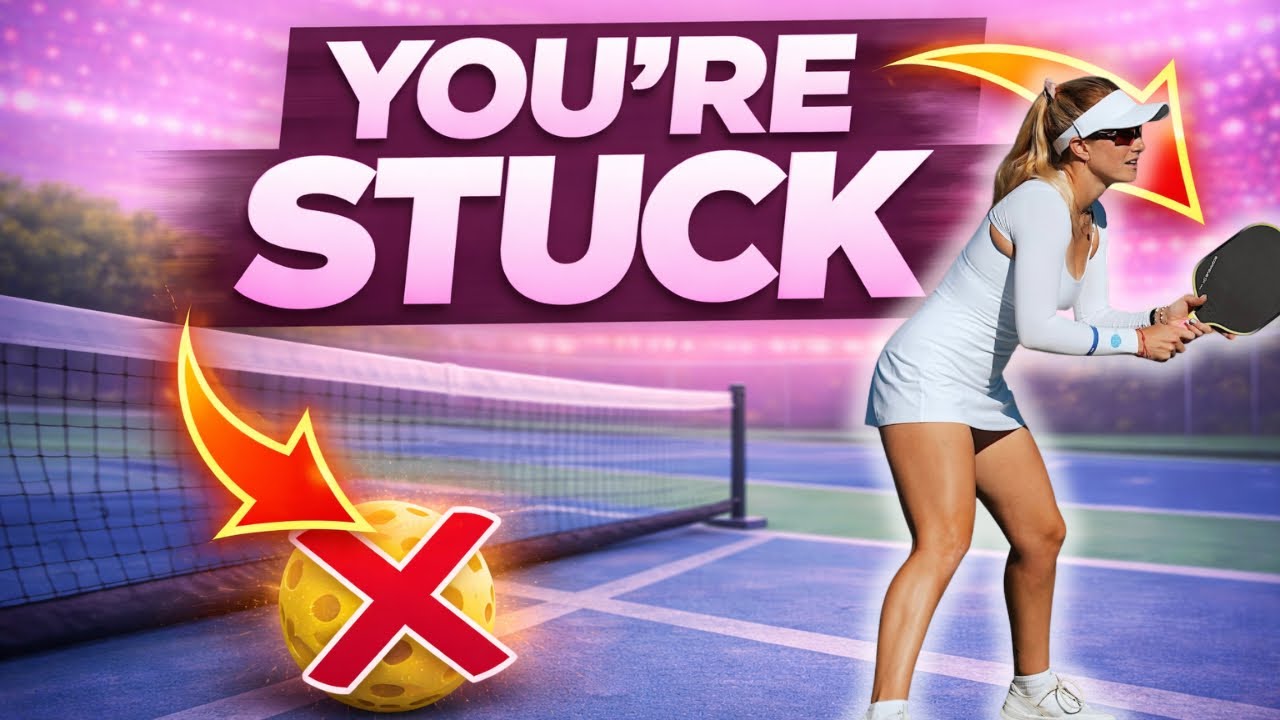
Modern training approaches address these limitations by incorporating realistic scenarios, decision-making opportunities, and adaptive responses that mirror competitive play.

Alternative #1: Intentional Practice Sessions
Rather than mindlessly repeating shots, intentional practice focuses on specific objectives with measurable outcomes. This method transforms routine exercises into purposeful skill development.
How to Implement Intentional Practice
Begin each session by identifying one specific weakness in your game. Instead of practicing general dinking, focus on "improving third-shot drop consistency to land within two feet of the net." This targeted approach creates clear success metrics and maintains engagement throughout practice.
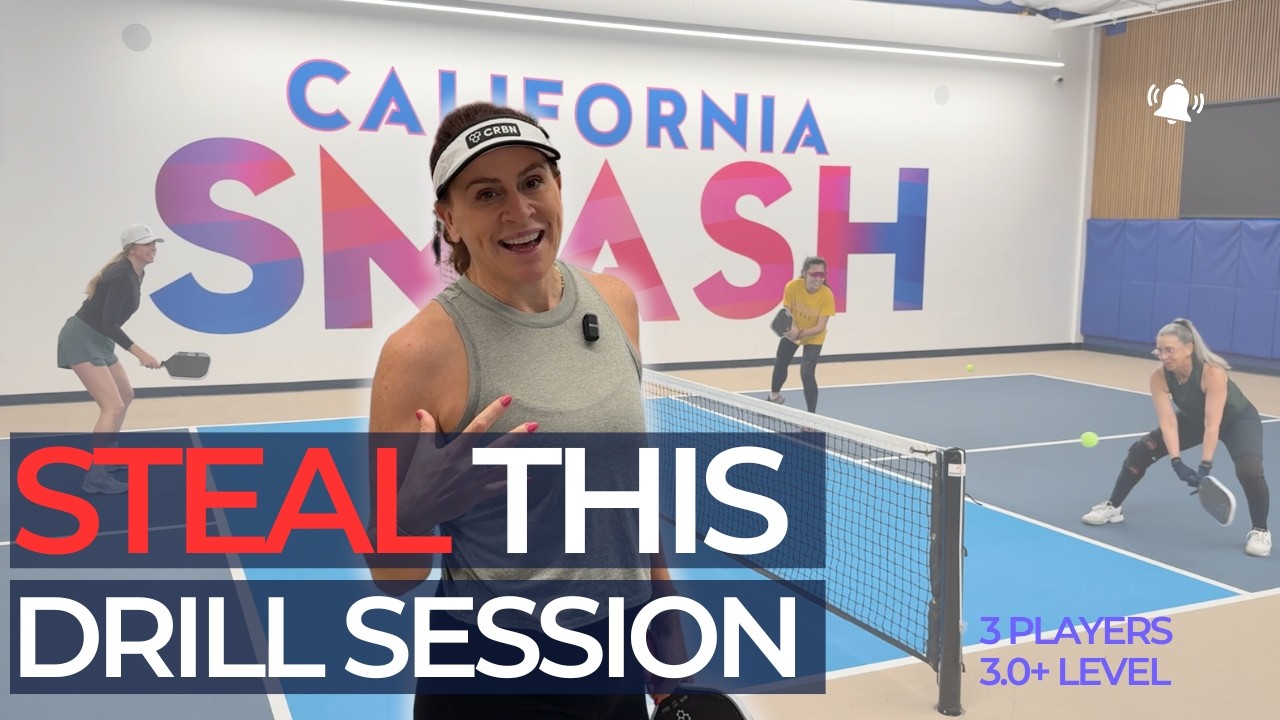
Track your progress using simple measurements like shot placement accuracy or consistency percentages. This data-driven approach helps identify patterns and validates improvement over time.
Alternative #2: Extended Strategic Warm-Ups
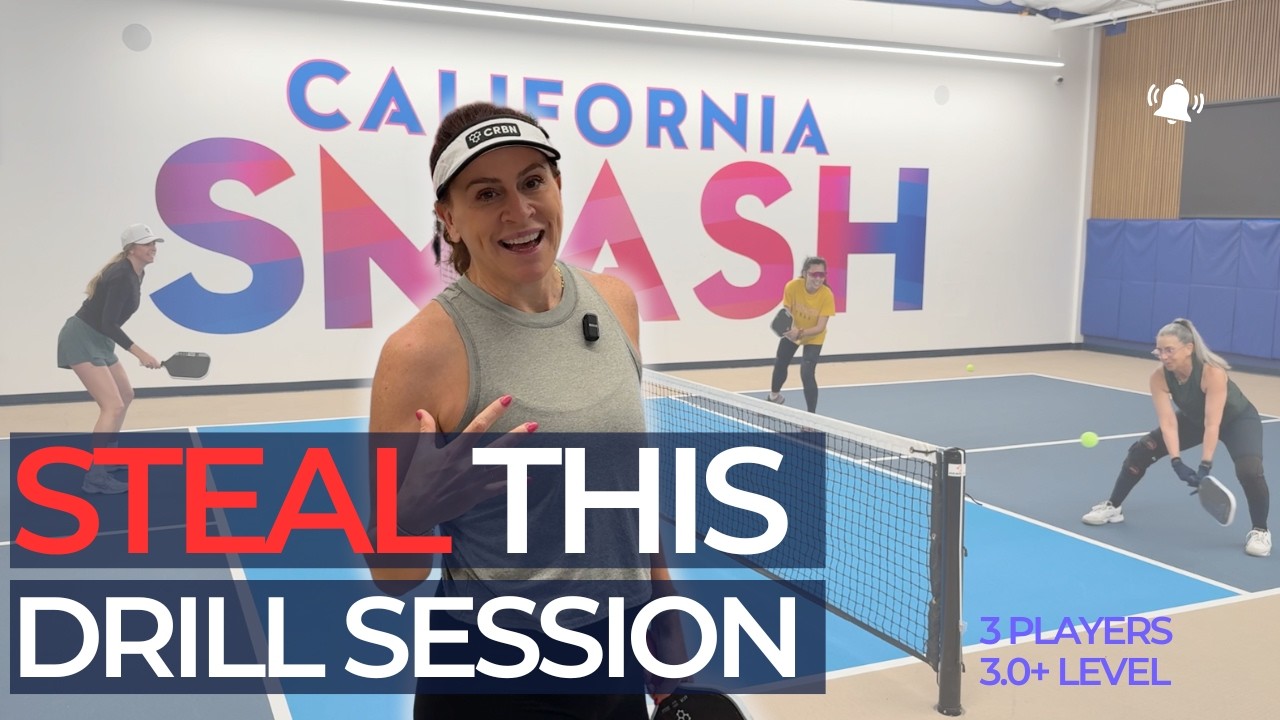
Transform your warm-up routine into skill-building opportunities by extending the duration and adding progressive challenges. This method seamlessly blends physical preparation with technical development.
Progressive Warm-Up Structure
Start with basic groundstrokes for 5-10 minutes, then gradually introduce variations like cross-court targeting, pace changes, and directional shifts. Spend 15-20 minutes building complexity while your body naturally prepares for more intensive play.

This extended warm-up serves dual purposes: physical readiness and skill reinforcement. Players often report better shot consistency throughout their entire session when using this approach.
Alternative #3: Situational Court Positioning
Instead of practicing shots from static positions, this method emphasizes movement patterns and positioning decisions that occur during actual games. Players learn to read situations and respond appropriately while maintaining proper court position.
Dynamic Positioning Exercises
Practice transitioning from baseline to kitchen line while maintaining defensive positioning against various shot types. Focus on footwork patterns, paddle preparation, and visual tracking simultaneously.
Incorporate partner communication and strategic positioning for doubles play. This holistic approach develops court awareness alongside technical skills, creating more complete players.
Measuring Success with Alternative Methods
These alternative approaches require different success metrics compared to traditional drills. Rather than counting successful repetitions, focus on adaptability, decision-making speed, and performance under varying conditions.
Monitor improvement through game-like scenarios and match performance rather than isolated skill demonstrations. Players using these methods often report faster improvement in competitive situations compared to practice-only environments.
Implementation Tips for Maximum Effectiveness
Start by replacing one traditional drill session per week with alternative methods. Gradually increase the frequency as you become comfortable with the new approaches.
Partner with other players who embrace innovative training methods. The collaborative nature of these alternatives requires committed practice partners for optimal results.
Document your experiences and adjust methods based on what works best for your learning style and skill level. These alternatives work best when customized to individual needs rather than following rigid structures.
Frequently Asked Questions
How long does it take to see results from these alternative methods?
Most players notice improved game performance within 2-3 weeks of consistent practice using these methods. The key is maintaining regular sessions and tracking specific metrics rather than relying on subjective feelings of improvement.
Can beginners use these alternative training methods effectively?
Yes, beginners often benefit more from these methods than traditional drills because they develop game sense alongside technical skills from the start. However, some basic stroke mechanics should be established before implementing advanced situational training.
Do these methods work for both singles and doubles play?
These alternative approaches are highly adaptable for both game formats. The intentional practice and positioning methods can be specifically tailored to emphasize singles court coverage or doubles communication and teamwork as needed.