Why Middle Court Coverage Separates Champions from Casual Players
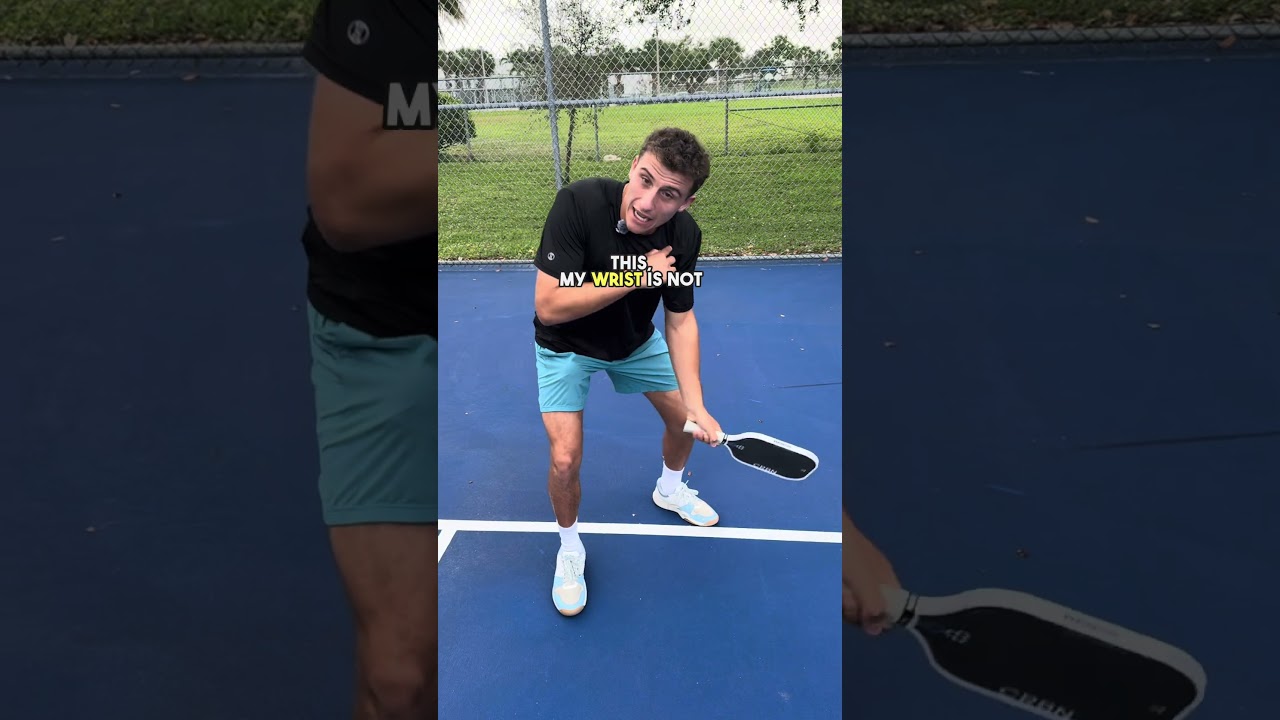
The middle of the pickleball court is where games are won and lost. It's the danger zone where most aggressive shots are targeted, and players who can't effectively cover this space quickly find themselves on the losing end of rallies. Professional player Tanner Tomassi has identified three crucial elements that separate elite middle court coverage from amateur attempts.
Mastering middle coverage isn't just about being in the right place—it's about combining precise footwork, intelligent paddle control, and game-changing anticipation skills. These three components work together to create an impenetrable defensive wall that can transform your doubles game.
Pro Tip #1: Master Your Footwork Foundation
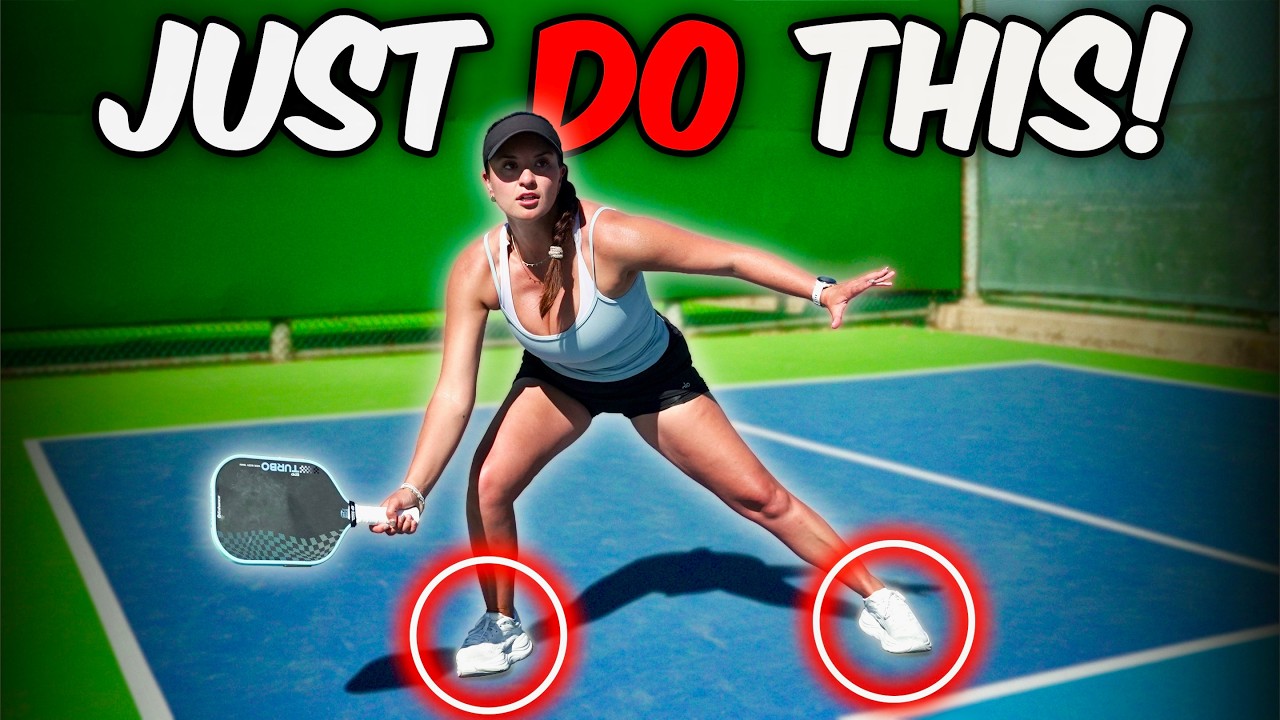
Effective middle coverage starts with your feet, not your paddle. The best players understand that proper footwork creates the platform for everything else that follows.
The Split-Step Strategy
Professional players use a split-step technique just before their opponents make contact with the ball. This small hop allows you to react quickly in either direction, giving you the agility needed to cover middle court attacks effectively.
Key footwork fundamentals include:
- Maintaining a balanced athletic stance with feet shoulder-width apart
- Keeping your weight on the balls of your feet for quick directional changes
- Using small, controlled steps rather than large lunges to maintain balance
- Positioning yourself slightly closer to the middle than your traditional side coverage
Pro Tip #2: Perfect Your Paddle Control Techniques
Once your footwork is solid, paddle control becomes the next critical element in middle court mastery. The middle court presents unique challenges that require specific paddle techniques.
The Ready Position Advantage
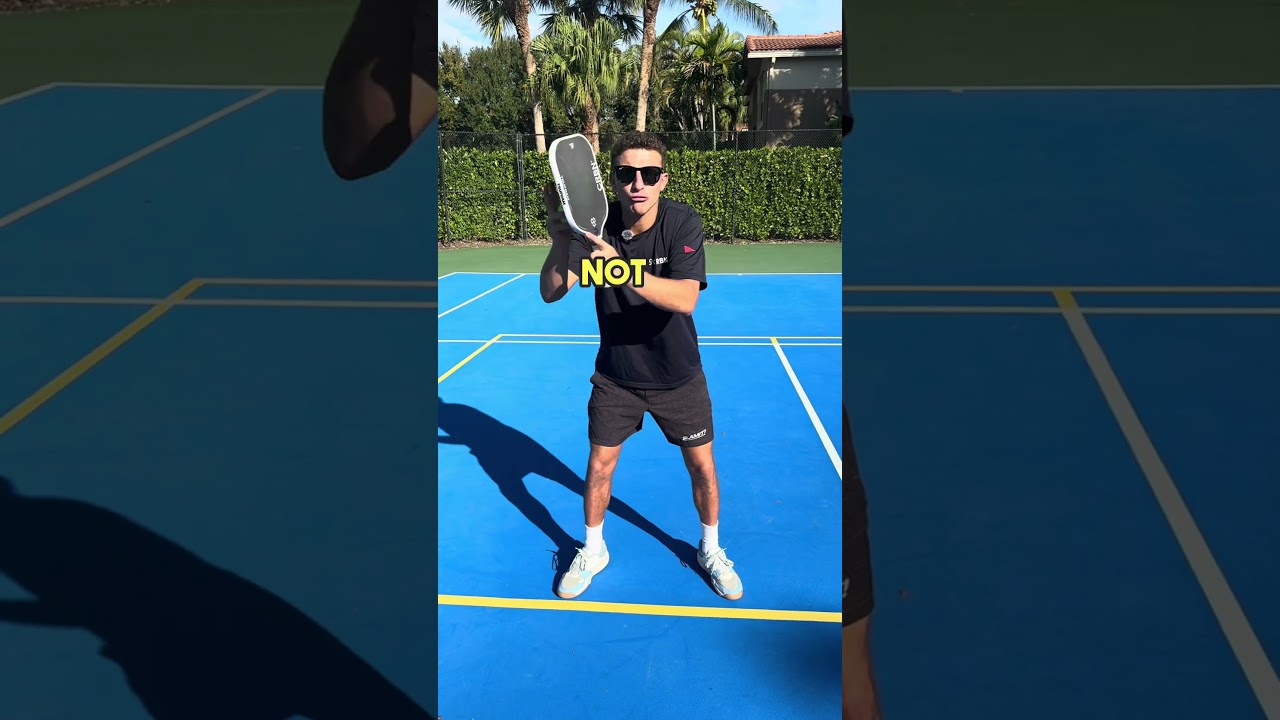
Professional players maintain their paddle in a neutral ready position when covering the middle—not too high, not too low, but perfectly centered to react to both high and low attacks.
Essential paddle control elements include:
- Keeping your paddle face slightly angled upward for quick defensive reactions
- Maintaining a firm but flexible grip that allows for rapid adjustments
- Using compact swing motions to handle fast-paced middle court exchanges
- Developing ambidextrous comfort for both forehand and backhand middle shots
Pro Tip #3: Develop Game-Changing Anticipation Skills
The most advanced aspect of middle court coverage is anticipation—reading your opponents' intentions before they execute their shots. This mental game separates good players from great ones.
Reading Opponent Patterns
Elite players constantly analyze their opponents' tendencies, body language, and setup patterns to predict where the next shot will go. This allows them to begin moving toward the ball before it's even struck.
Anticipation strategies include:
- Watching your opponent's paddle angle and body positioning during setup
- Identifying patterns in their shot selection throughout the match
- Recognizing high-percentage attack scenarios that typically target the middle
- Communicating with your partner about coverage responsibilities and switches
Putting It All Together: Integrated Middle Coverage
The magic happens when these three elements work in harmony. Professional players don't think about footwork, paddle control, and anticipation as separate skills—they've integrated them into one fluid defensive system.
Practice Drills for Middle Mastery
To develop these integrated skills, focus on drills that combine all three elements. Practice middle court coverage with a partner feeding balls to different areas while you work on reading their body language, adjusting your footwork, and controlling your paddle response.
Start slowly and gradually increase the pace as your muscle memory develops. Remember that mastering middle court coverage takes time and consistent practice, but the results will dramatically improve your competitive game.
Frequently Asked Questions
How do I know when to cover the middle versus staying in my lane?
Communication with your partner is key. Generally, the player with the better angle or closer positioning should take middle shots. Establish clear signals and practice switching responsibilities during rallies to avoid confusion during competitive play.
What's the most common mistake players make in middle coverage?
The biggest mistake is over-committing to one direction too early. Many players guess where the ball is going instead of reading the actual shot development, leading to being caught out of position when opponents change direction at the last second.
Should both players move toward the middle simultaneously?
No, this creates dangerous gaps on the sides. One player should shift slightly toward middle coverage while the other maintains wider court coverage. The key is coordinated movement that maintains overall court coverage while strengthening middle defense.