Are you stuck in endless cross-court dinking battles that never seem to end? You're not alone. Most recreational pickleball players rely on the same predictable dinking strategy, hoping their opponent will eventually make a mistake.
The truth is, constantly pulling your opponent wider with cross-court dinks often backfires. You lose control of the point, create gaps in your positioning, and give your opponents easy opportunities to attack. Here's how to break free from this pattern and start winning more points at the net.
Why Traditional Cross-Court Dinking Fails
The standard "pull them wide" approach seems logical on paper. The theory is simple: hit cross-court dinks that gradually move your opponent further from the center, eventually forcing a weak return or an outright miss.
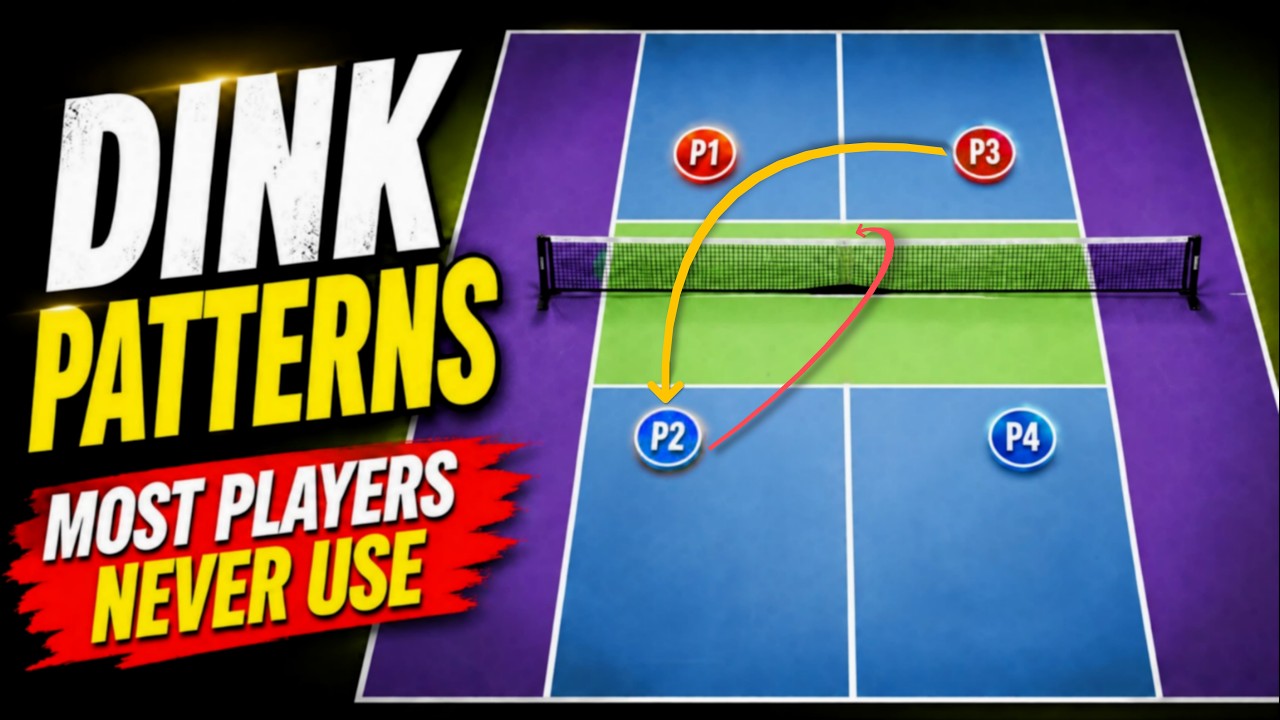
However, this strategy creates several problems:
- The ball travels further from the net, making it easier for opponents to attack
- You lose court positioning and create gaps between you and your partner
- Your opponent gets comfortable with the predictable rhythm
- You end up making more unforced errors than your opponents
Pattern #1: The Middle Squeeze
Instead of always going wide, target the middle area between your opponents. This dinking pattern forces them to communicate and decide who takes the shot, often leading to confusion and weak returns.
The middle squeeze works because it:
- Eliminates sharp angles that favor your opponents
- Forces awkward positioning and footwork
- Creates indecision between partners
- Keeps the ball closer to the net for better control
Execute this pattern by aiming your dinks about 2-3 feet inside the sidelines, right in the "seam" between your opponents.
Pattern #2: The Inside-Out Sequence
This advanced pattern starts with a dink to the middle or inside shoulder of your opponent, then immediately follows with a cross-court dink to the opposite side.

The inside-out sequence is effective because the first shot sets up the second. When you dink to their inside shoulder, your opponent's natural return angle is limited. They're forced into a predictable response, allowing you to anticipate and attack with your next shot.
Key execution points:
- First dink should target the opponent's backhand side (usually inside shoulder)
- Keep the first shot low and close to the net
- Be ready to move and attack the anticipated weak return
- Follow up with a sharp cross-court angle or continue the sequence
Pattern #3: The Reset and Attack
This pattern combines patience with aggression. Start with consistent, controlled dinks to establish rhythm, then change pace and placement when your opponent gets comfortable.
The reset and attack pattern works in three phases:
Phase 1: Establish Control
Begin with 3-4 steady cross-court dinks to settle into the rally. Focus on consistency and keeping the ball low.
Phase 2: Change the Pattern
Suddenly switch to straight-ahead dinks or target the middle. This change disrupts your opponent's timing and positioning.
Phase 3: Attack the Mistake
When your opponent gives you a higher ball due to the pattern change, attack with a controlled drive or sharp angle.
Implementing These Patterns in Your Game
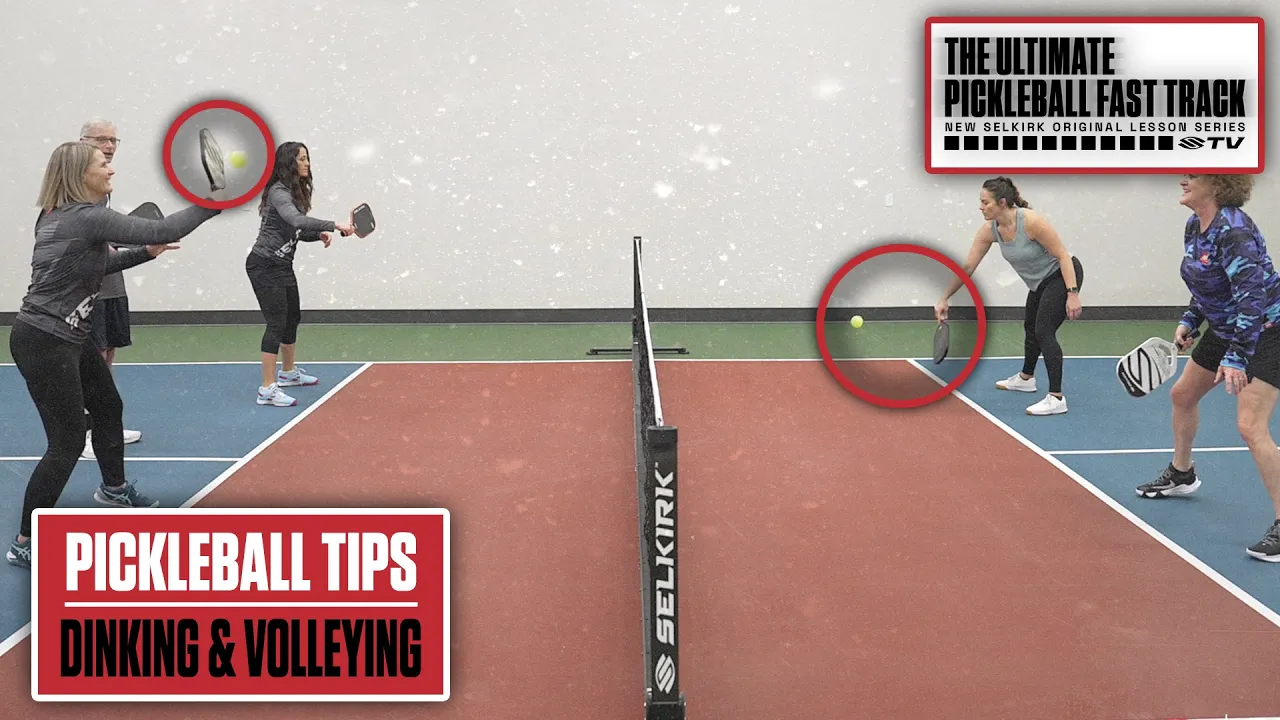
Start by practicing these patterns during warm-up and drilling sessions. Focus on one pattern per practice session until it becomes natural. Remember that the goal isn't to hit winners immediately – it's to create better opportunities through strategic shot placement.
During matches, pay attention to how your opponents respond to each pattern. Some players struggle more with middle shots, while others have trouble with inside-out sequences. Adapt your strategy based on what you observe.
Common Mistakes to Avoid
Don't abandon these patterns too quickly if they don't work immediately. Your opponents need time to feel the pressure and make mistakes. Also, avoid being too predictable with your pattern changes – mix up your timing to keep opponents guessing.
FAQ
How long should I wait before changing dink patterns during a rally?
Generally, establish your initial pattern with 3-4 shots before making a change. This gives you time to assess your opponent's positioning and comfort level while setting up your next move.
Which dink pattern works best against aggressive players?
The middle squeeze pattern is often most effective against aggressive players because it limits their attack angles and forces them to hit up on the ball, reducing their ability to drive aggressively.
Should I use the same dink pattern throughout an entire match?
No, variety is crucial. Mix all three patterns throughout the match, and pay attention to which ones create the most pressure against your specific opponents. Adjust your strategy based on what's working best.