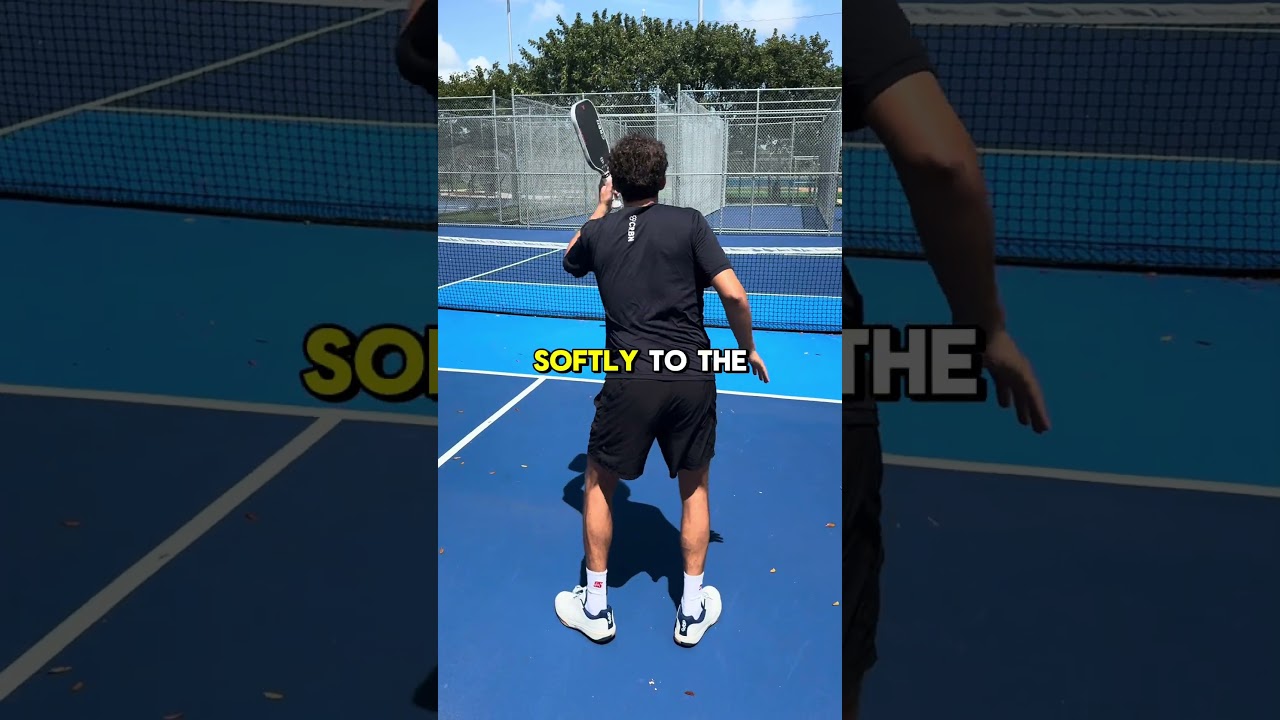
Most pickleball players treat their backhand like kryptonite – they'll run around the court doing anything to avoid it. But what if we told you that with the right technique and mindset, your backhand could become the shot your opponents fear most?
Why Most Players Struggle with Backhand Shots
The backhand intimidates players for several key reasons. First, it feels unnatural compared to our dominant-side forehand motion. Second, many players lack proper instruction on backhand mechanics, leading to inconsistent results and reinforced bad habits.
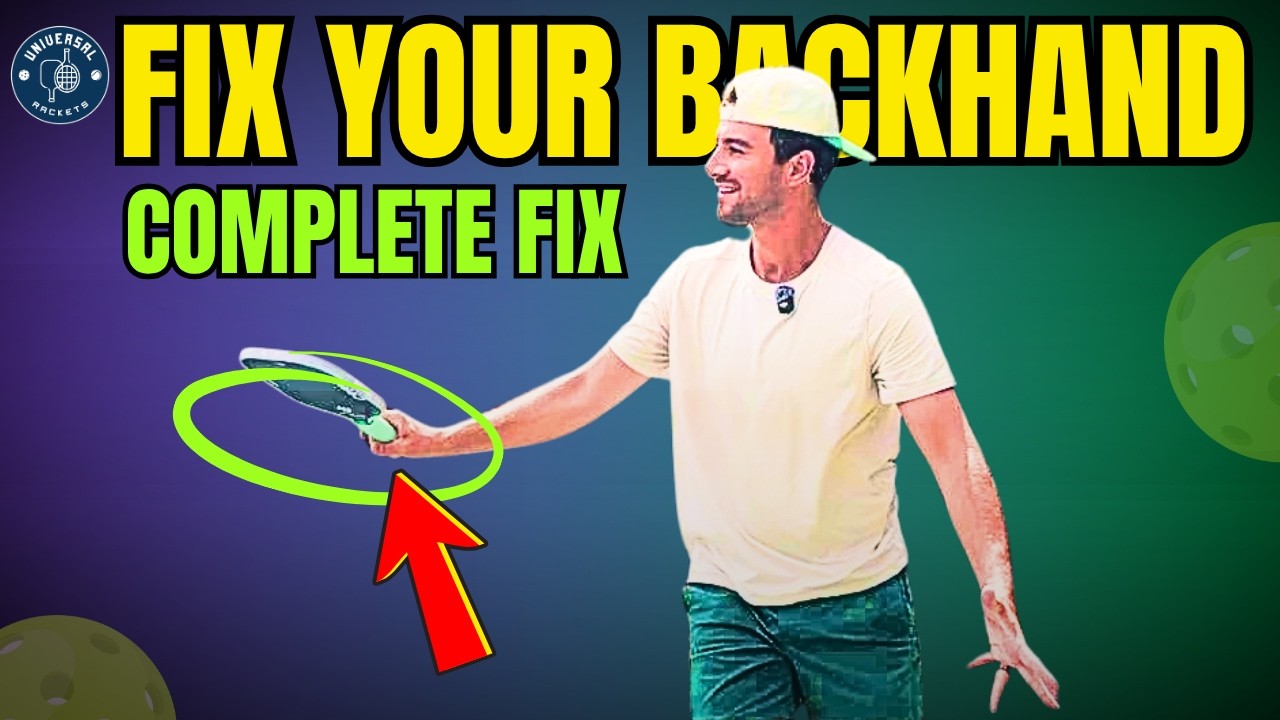
Universal Rackets' latest coaching analysis reveals that backhand struggles often stem from three fundamental issues: improper grip, poor body positioning, and mental hesitation. Once you address these core problems, everything else falls into place.
Essential Backhand Mechanics That Actually Work
Grip Foundation
Your grip is everything. Unlike tennis, pickleball requires a more neutral grip that allows quick transitions between forehand and backhand shots. Position your paddle handle diagonally across your palm, creating a stable foundation for both shot types.
Body Positioning and Footwork
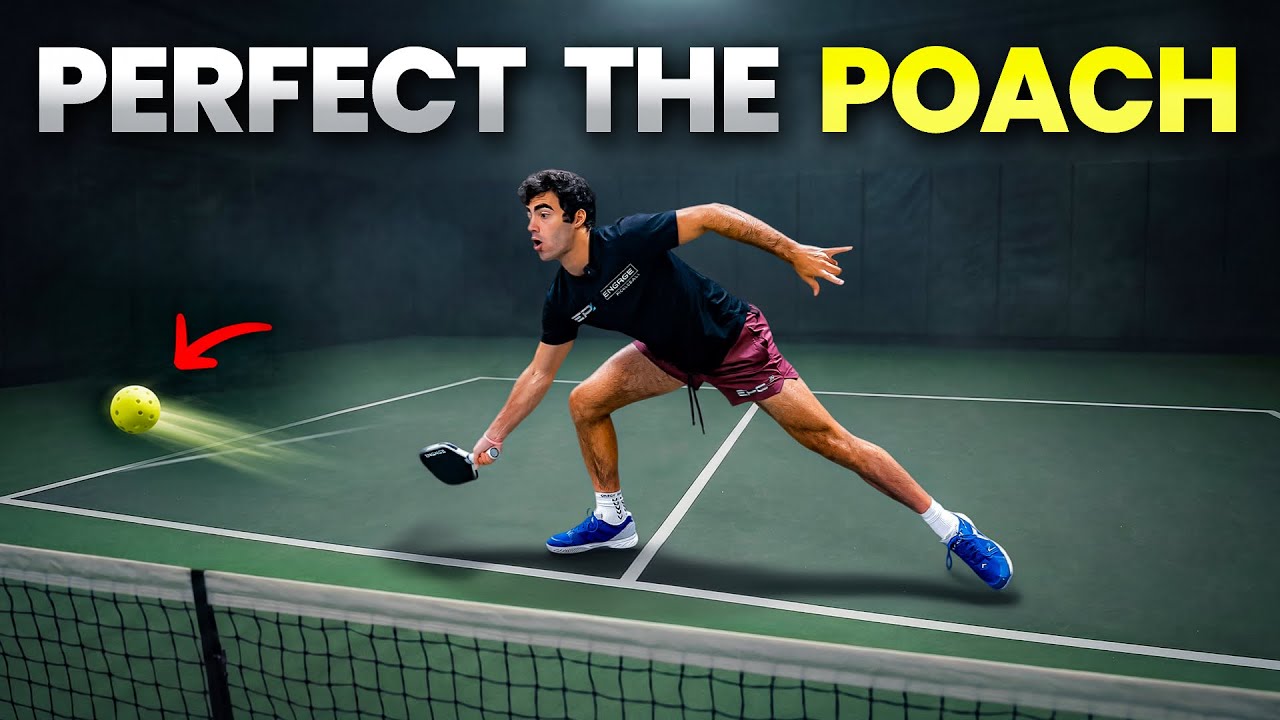
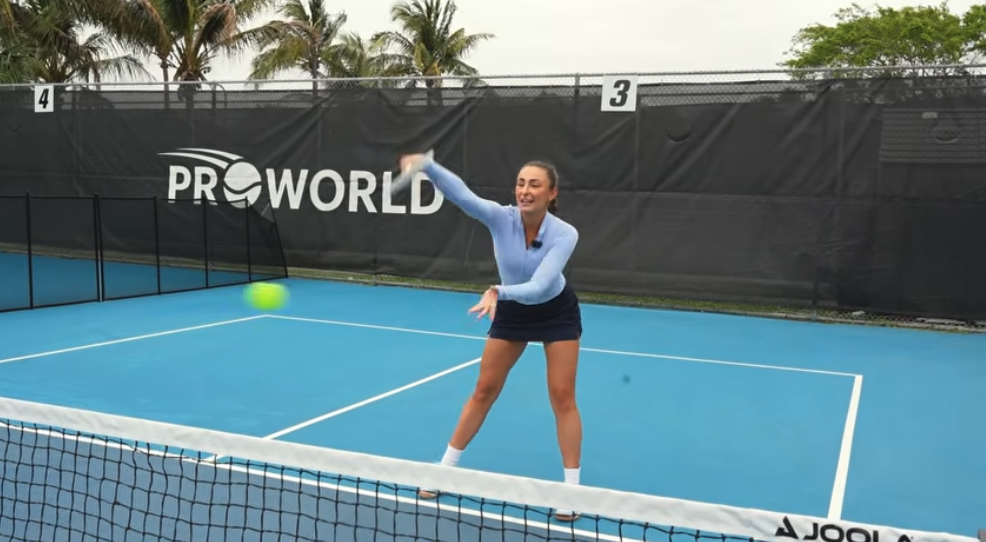
Proper positioning starts with your feet. Step across your body with your dominant foot, creating a solid base that generates power from your core rather than just your arm. This cross-step motion naturally opens your body angle for optimal paddle contact.
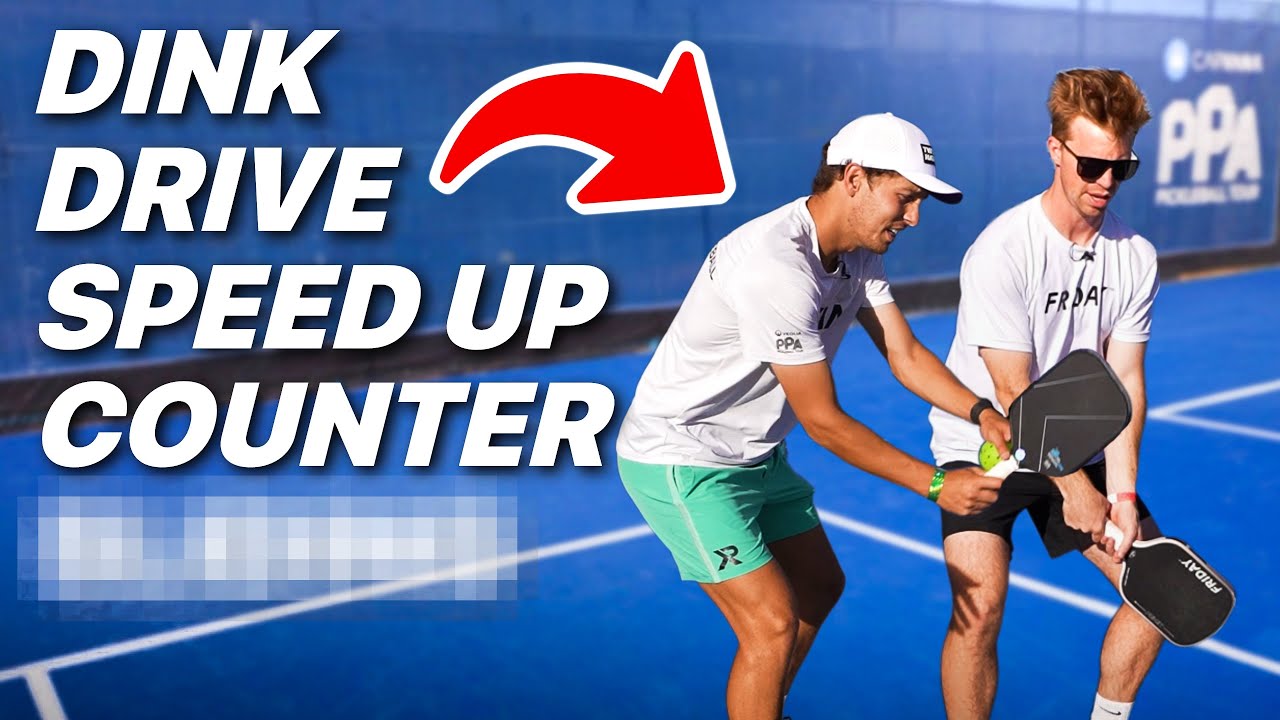
Keep your shoulders square to the net initially, then rotate through the shot. This rotation creates the power and control that separates amateur backhands from professional-level shots.
Contact Point Mastery
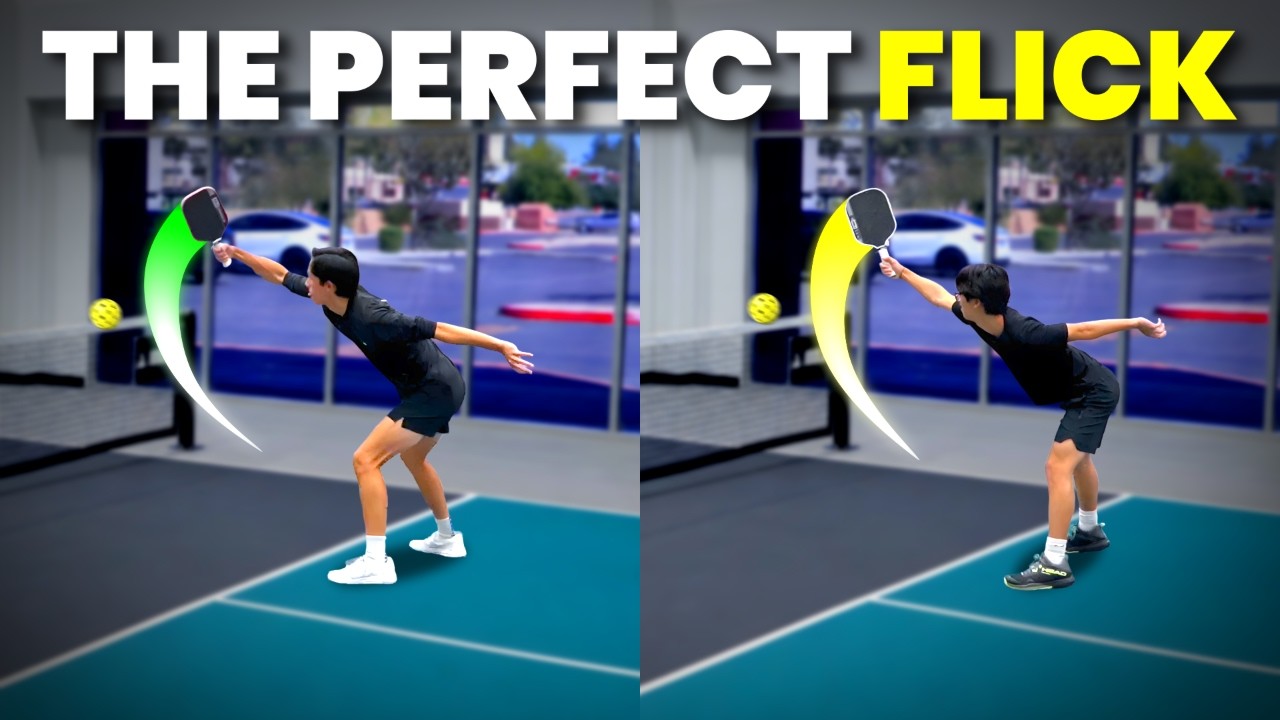
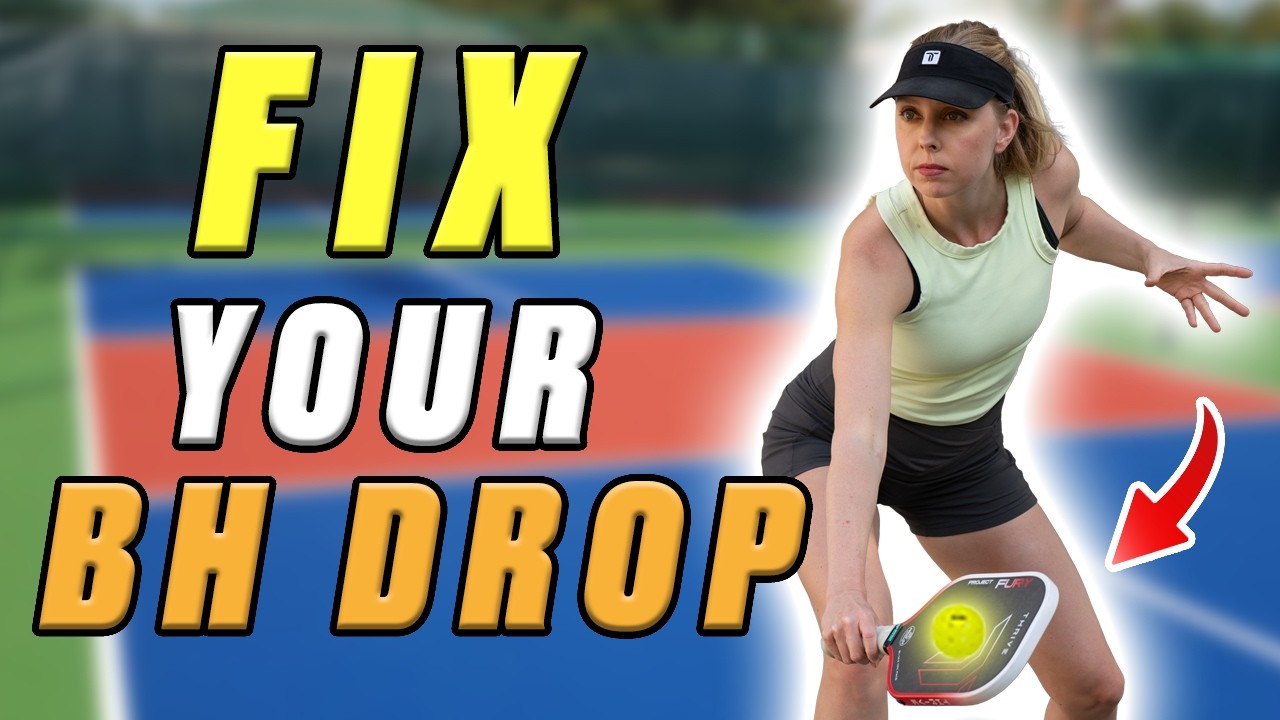
The sweet spot for backhand contact sits slightly in front of your body, around hip level. Too far back and you lose power; too far forward and you sacrifice control. Practice finding this optimal contact zone until it becomes muscle memory.
Game-Changing Practice Drills
Wall Practice Sessions
Start with simple wall rallies focusing purely on form. Stand three feet from a wall and practice smooth, controlled backhand strokes. Focus on consistent contact point and follow-through rather than power.
Cross-Court Consistency Drill
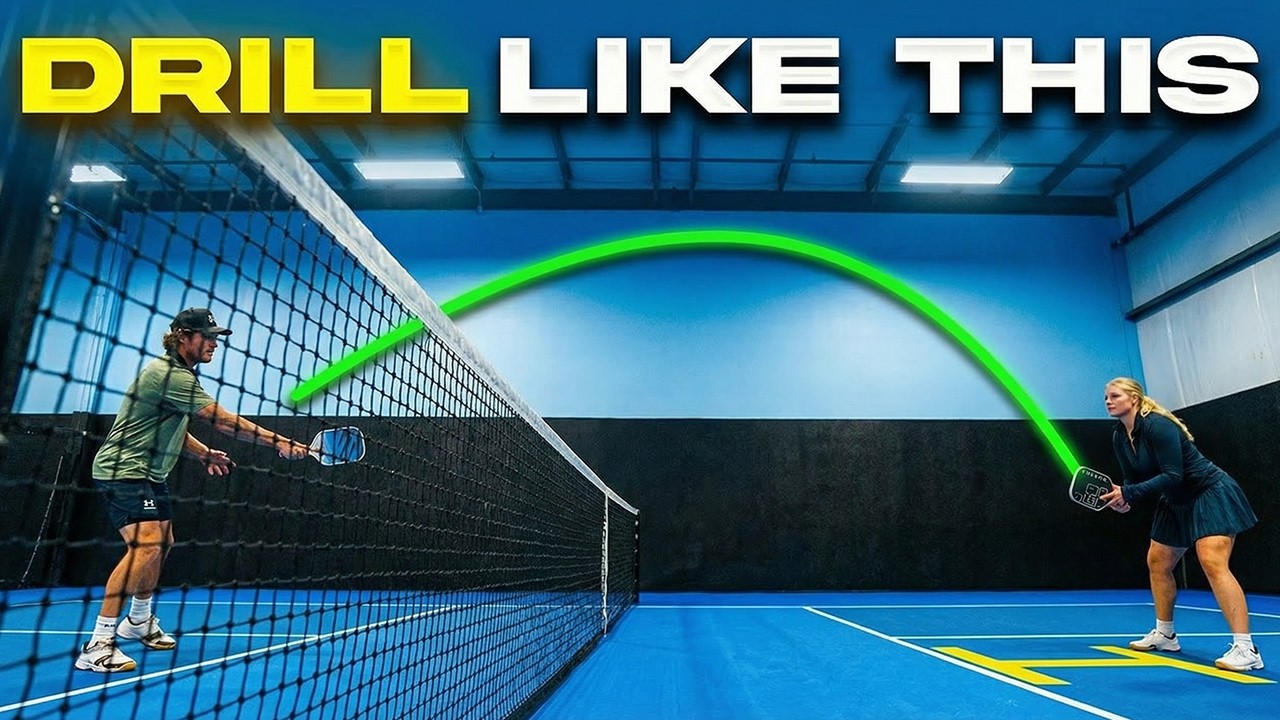
Partner up for cross-court backhand exchanges. Start slow and gradually increase pace while maintaining accuracy. This drill builds confidence while simulating real game scenarios.
Target Practice
Set up targets in different court zones and practice hitting them with backhand shots. Begin with larger targets and progressively use smaller ones as your accuracy improves.
Mental Game: Overcoming Backhand Fear
Technical skills mean nothing without the right mindset. Many players defeat themselves mentally before attempting a backhand shot. Instead of viewing it as a weakness, reframe your backhand as an opportunity to surprise opponents.
Start incorporating backhands into friendly games, even when you could hit forehands. This builds real-world confidence and shows you that backhand shots are just another tool in your arsenal.
Advanced Backhand Variations
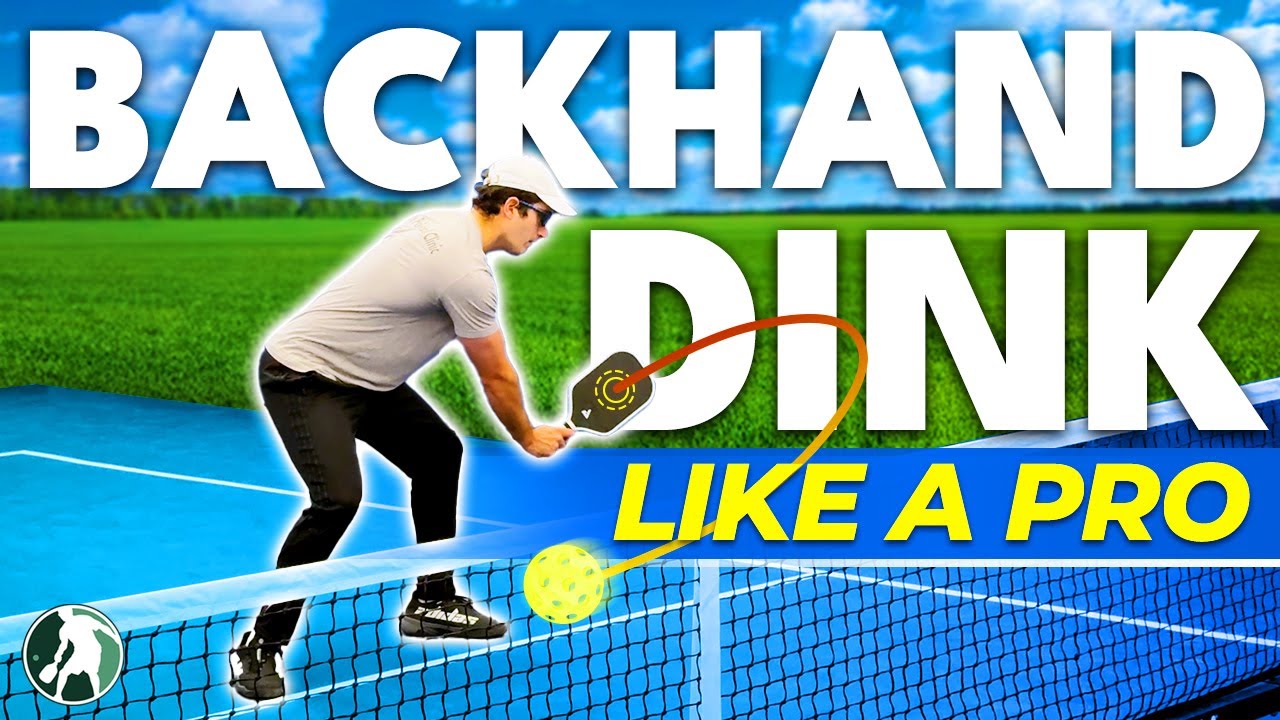
Once you've mastered basic backhand mechanics, explore advanced variations. The backhand dink requires delicate touch and precise placement. The backhand drive demands explosive power generation from your core and legs.
Professional players often prefer backhand shots in certain situations because they offer better court coverage and deceptive angles. Your improved backhand opens up strategic possibilities you never had before.
Common Mistakes to Avoid
Don't rush the learning process. Many players try to generate power before establishing consistent contact and control. Focus on smooth, repeatable motion first – power develops naturally with proper technique.
Avoid the temptation to change your grip mid-rally. Stick with a neutral grip that works for both forehand and backhand shots, allowing quick transitions during fast exchanges.
Frequently Asked Questions
How long does it take to develop a reliable backhand?
With consistent practice, most players see significant improvement within 4-6 weeks. Focus on quality repetitions rather than quantity – 15 minutes of focused practice beats an hour of mindless hitting.
Should I use one-handed or two-handed backhand technique?
Both work in pickleball, but one-handed backhands offer greater reach and flexibility. Two-handed provides more control for beginners. Choose based on your comfort level and physical capabilities.
What's the biggest mistake recreational players make with backhands?
Avoiding them entirely. The only way to improve your backhand is through deliberate practice and game-time experience. Embrace the learning process and watch your overall game improve dramatically.