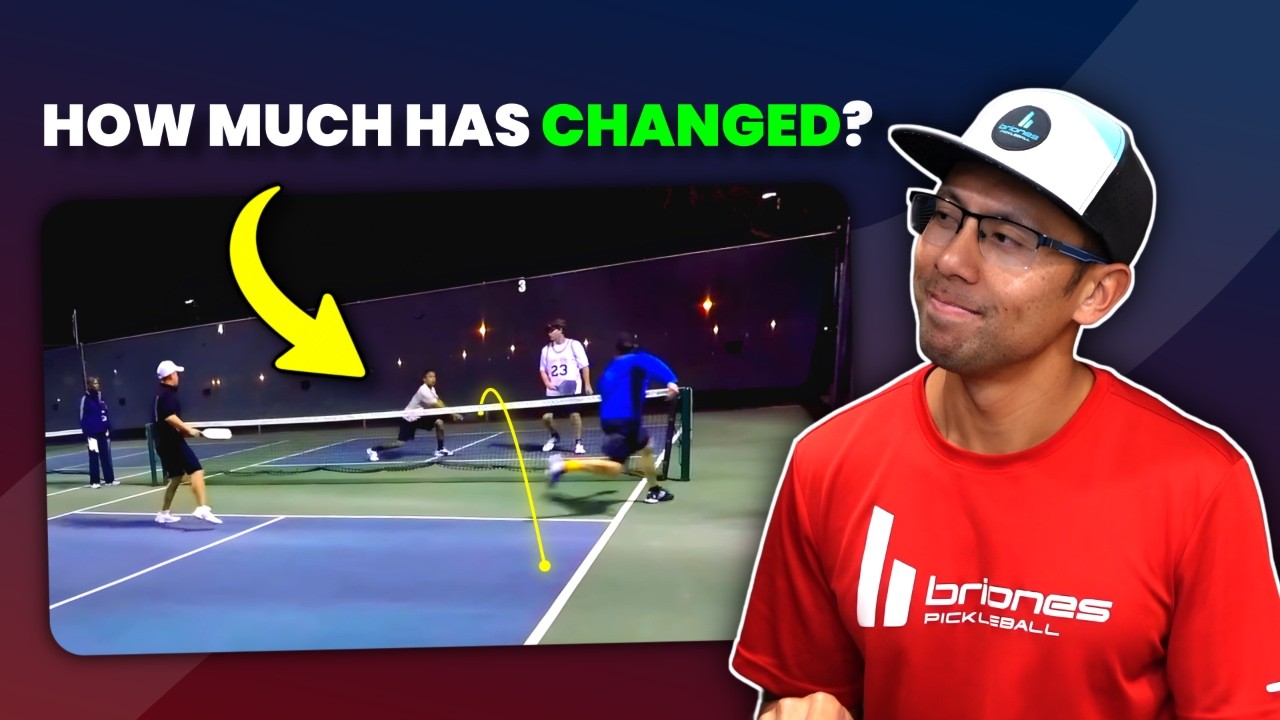
The pickleball we watch today bears little resemblance to the sport played just nine years ago. When Jordan Briones captured his 5.0 gold medal in Surprise, Arizona, his winning strategy relied on tactics that would seem outdated—even counterproductive—in today's professional arena.
In a fascinating retrospective analysis, Briones dissected his championship match point by point, unveiling how fundamentally the sport has transformed and why yesterday's winning formulas would falter against modern competitors.
The Great Strategic Shift
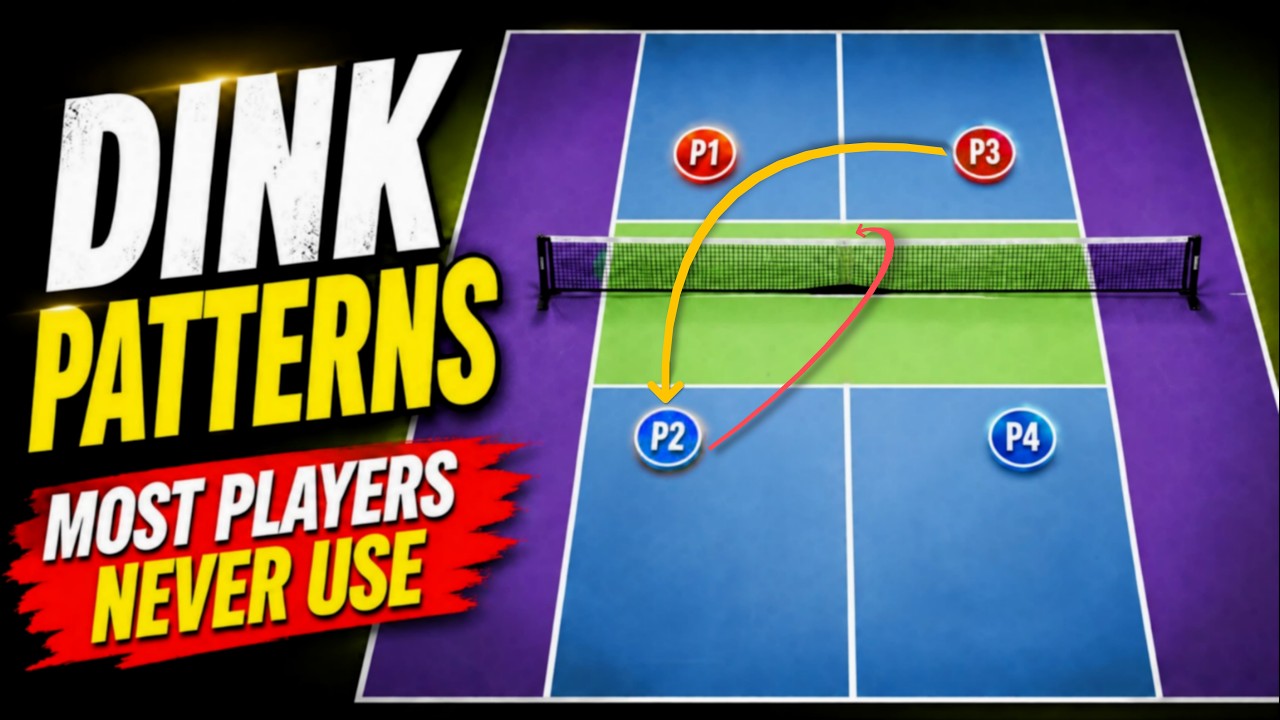
Nine years ago, tournament success hinged on patience and precision. Players engaged in lengthy dinking exchanges, waiting for opponents to crack under pressure or commit unforced errors. The philosophy was simple: outlast your opponent through consistency and court positioning.
Today's game tells a completely different story. Modern professionals have embraced aggressive tactics that would have been considered risky or unsustainable in Briones' championship era.
From Patience to Power
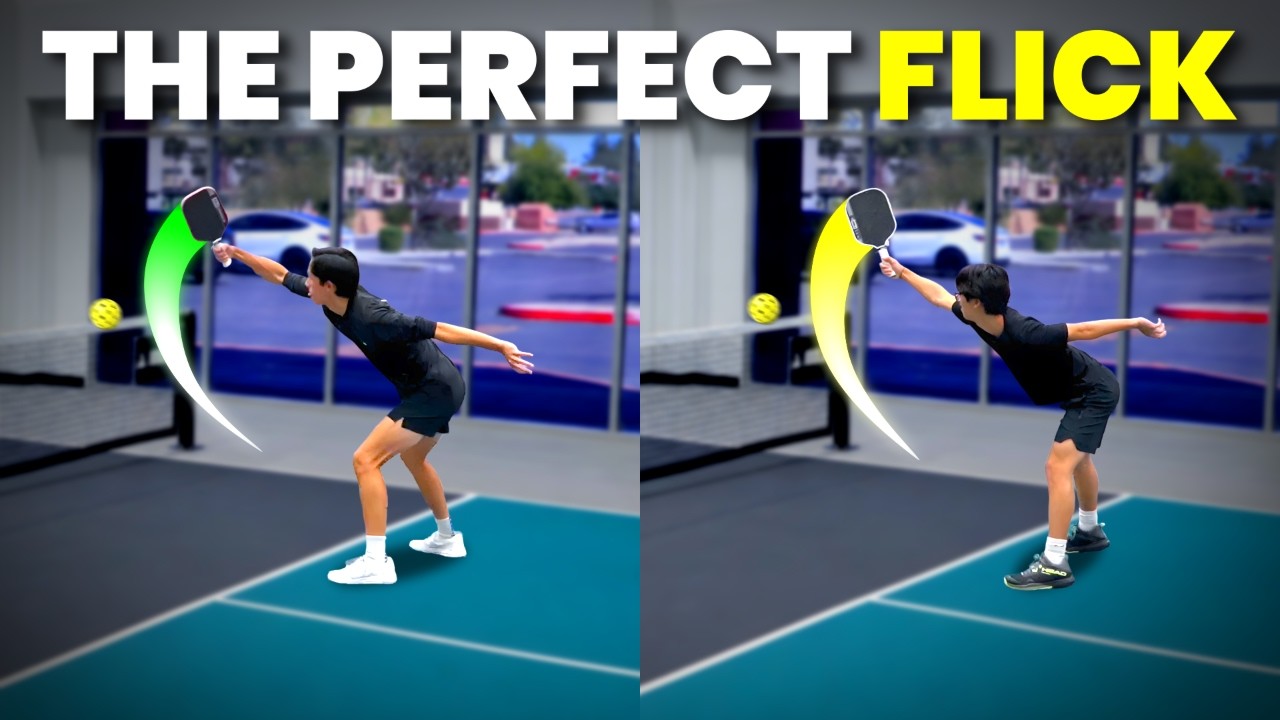
The most striking evolution involves the transition from defensive positioning to offensive aggression. Where players once prioritized long rallies and error-free play, contemporary strategy emphasizes creating attacking opportunities through drives, speed-ups, and strategic power placement.
This shift reflects more than individual preference—it represents a collective understanding that waiting for opponent mistakes is less effective than forcing them into difficult situations.
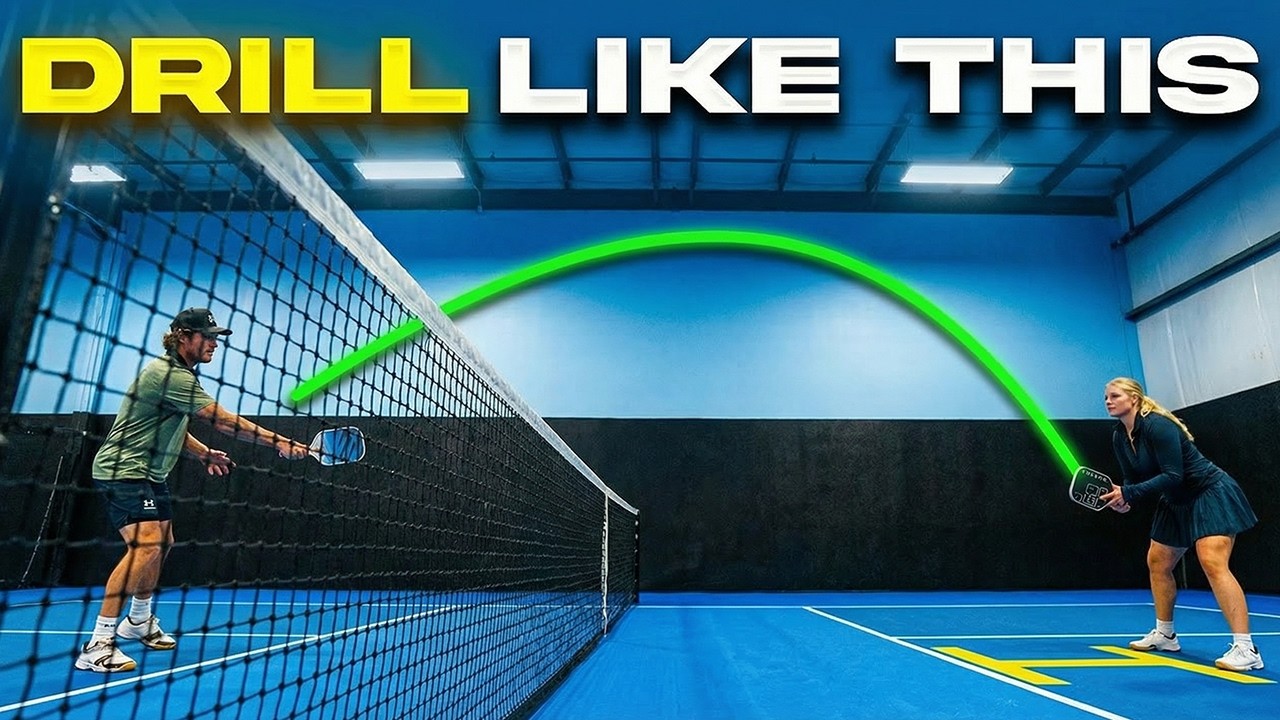
Equipment Innovation Drives Change
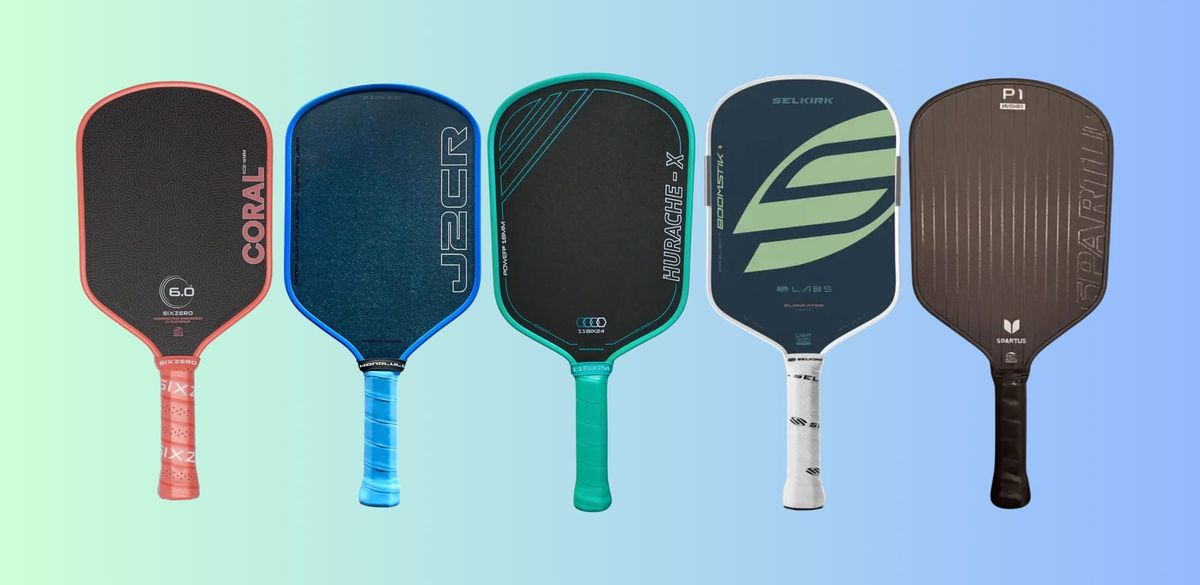
The strategic transformation didn't occur in isolation. Paddle technology has advanced significantly, providing players with enhanced power, spin capability, and control. These improvements enabled tactics that were previously impossible or extremely high-risk.
Modern paddles allow for more aggressive shots from previously defensive positions, fundamentally altering court dynamics and forcing rapid strategic adaptation across all competitive levels.
Court Positioning Revolution
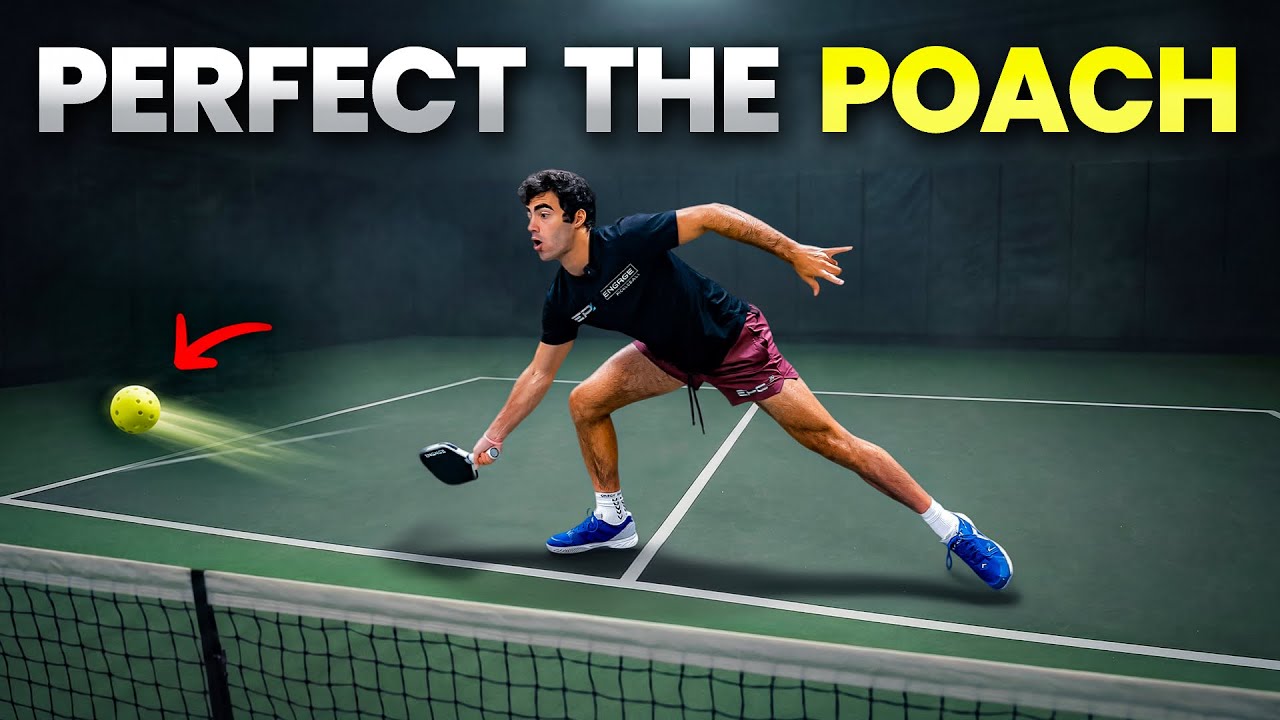
Traditional positioning emphasized staying back and building points methodically. Contemporary players move forward more aggressively, seeking opportunities to attack from closer positions and creating pressure through court positioning rather than simply ball placement.
This positional evolution has compressed game timelines, requiring faster decision-making and more dynamic movement patterns that would challenge players from the earlier era.
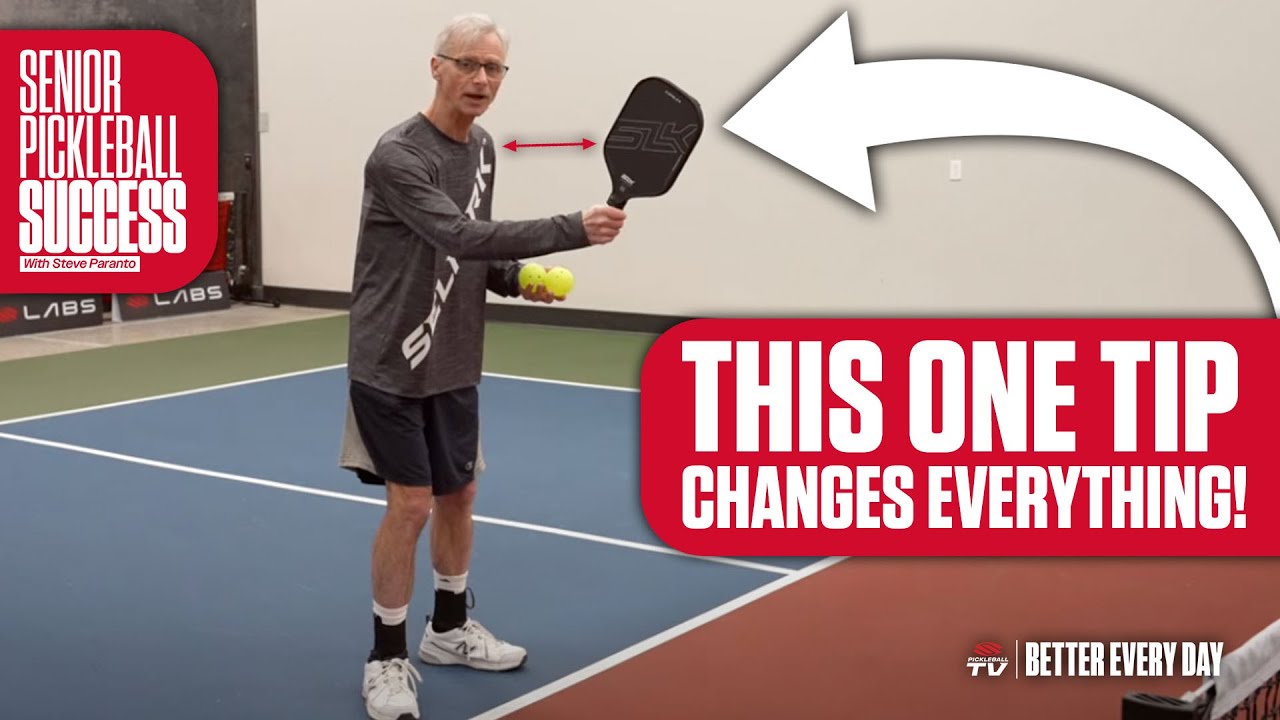
Mental Game Transformation
Beyond physical tactics, the psychological approach has shifted dramatically. Where patience and persistence once defined championship mentality, today's winners think in terms of opportunity creation and momentum control.
Players now actively seek moments to transition from defense to offense within single rallies, rather than maintaining consistent defensive postures throughout extended exchanges.
Training Methods Adaptation
The strategic evolution has forced corresponding changes in player development. Training now emphasizes quick transitions, power shot accuracy, and aggressive positioning rather than the endurance-focused, consistency-driven approaches that dominated earlier competitive preparation.
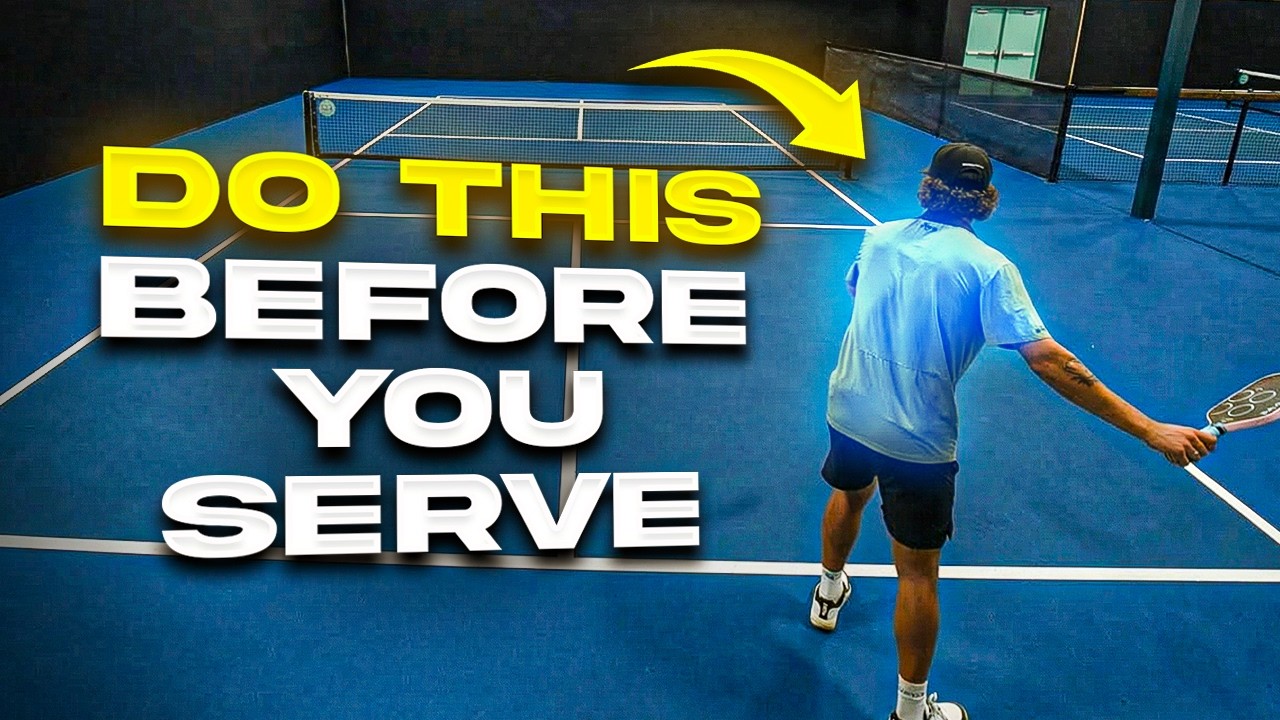
This shift has created a generation gap in playing styles, with newer players naturally adopting aggressive tactics while veterans must consciously adapt their deeply ingrained strategic instincts.
Impact on Competitive Landscape
The strategic transformation has democratized competitive success to some extent. Players with superior power and aggression can now overcome opponents who might have superior court sense or experience but rely on outdated tactical approaches.
However, this evolution has also raised the skill floor significantly. Competitive success now requires mastery of both traditional fundamentals and modern aggressive techniques, creating a more demanding but potentially more exciting competitive environment.
Looking Forward
Briones' analysis suggests the strategic evolution continues accelerating. As players become more comfortable with aggressive tactics and equipment continues improving, we can expect further shifts toward faster, more dynamic gameplay that prioritizes creation over reaction.
Understanding this evolution helps players at all levels recognize which traditional tactics remain valuable and which require updating for contemporary competition.
Frequently Asked Questions
What caused the biggest change in pickleball strategy over the past decade?
The combination of improved paddle technology and players' growing understanding of offensive tactics has shifted the game from patience-based to aggression-based strategy, fundamentally changing how points are constructed and won.
Are traditional dinking strategies obsolete in modern pickleball?
Not obsolete, but significantly evolved. While dinking remains important, it's now used more as a setup for aggressive shots rather than a primary strategy for winning points through opponent errors.
How should recreational players adapt to these strategic changes?
Focus on developing comfort with speed-ups and drives while maintaining solid fundamentals. The key is learning when to transition from defensive dinking to offensive aggression, rather than abandoning traditional skills entirely.