The poach remains one of pickleball's most underutilized yet game-changing shots. While many players view it as aggressive guesswork, elite doubles teams understand that effective poaching is built on strategic reading, precise timing, and calculated court positioning.
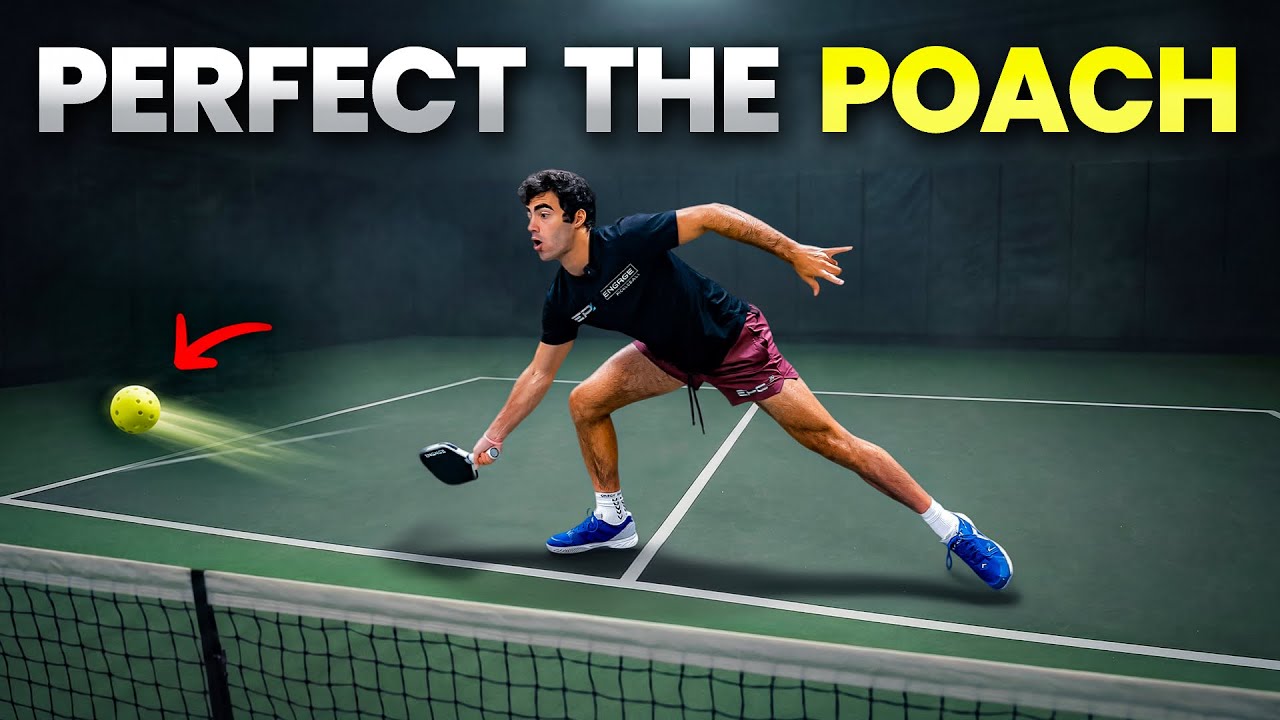
This comprehensive guide will transform your understanding of the poach from a risky gamble into a reliable weapon that dominates the net and controls rally momentum.
Understanding the Strategic Foundation of Poaching
Successful poaching begins long before you move across the court. The foundation lies in pattern recognition and opponent analysis during warm-ups and early rallies.
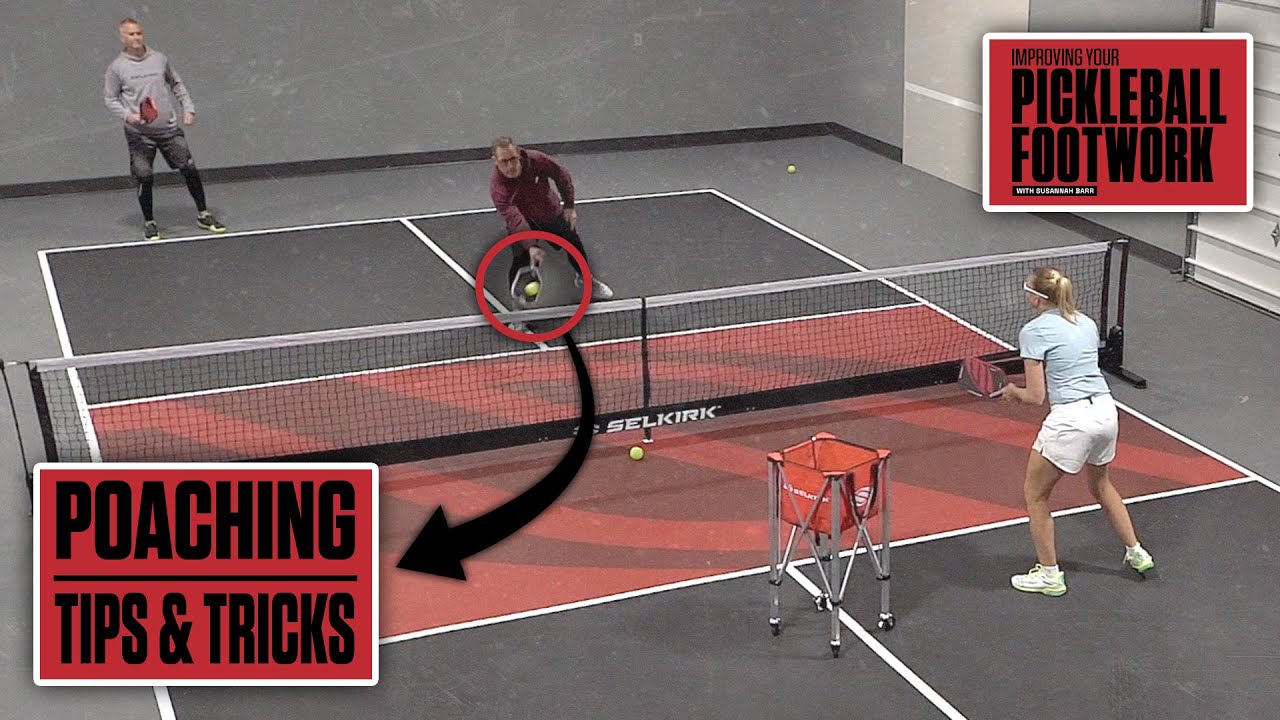
Elite players study their opponents' tendencies: preferred return angles, reaction speed under pressure, and body language before difficult shots. This intelligence gathering phase determines when and where poaching opportunities will emerge.
The key is identifying opponents who consistently return cross-court or telegraph their intentions through shoulder positioning and paddle preparation.
Optimal Court Positioning for Poach Success
Positioning separates successful poachers from players who leave their partners exposed. The ideal starting position is approximately two feet from the centerline, maintaining enough coverage of your zone while preparing for lateral movement.
Your ready stance should feature:
- Weight slightly forward on the balls of your feet
- Paddle positioned at chest height
- Eyes focused on the opponent preparing to hit
- Body angled slightly toward the center court
This positioning allows quick movement in either direction while maintaining defensive coverage of your primary zone.
Reading the Perfect Poaching Moment
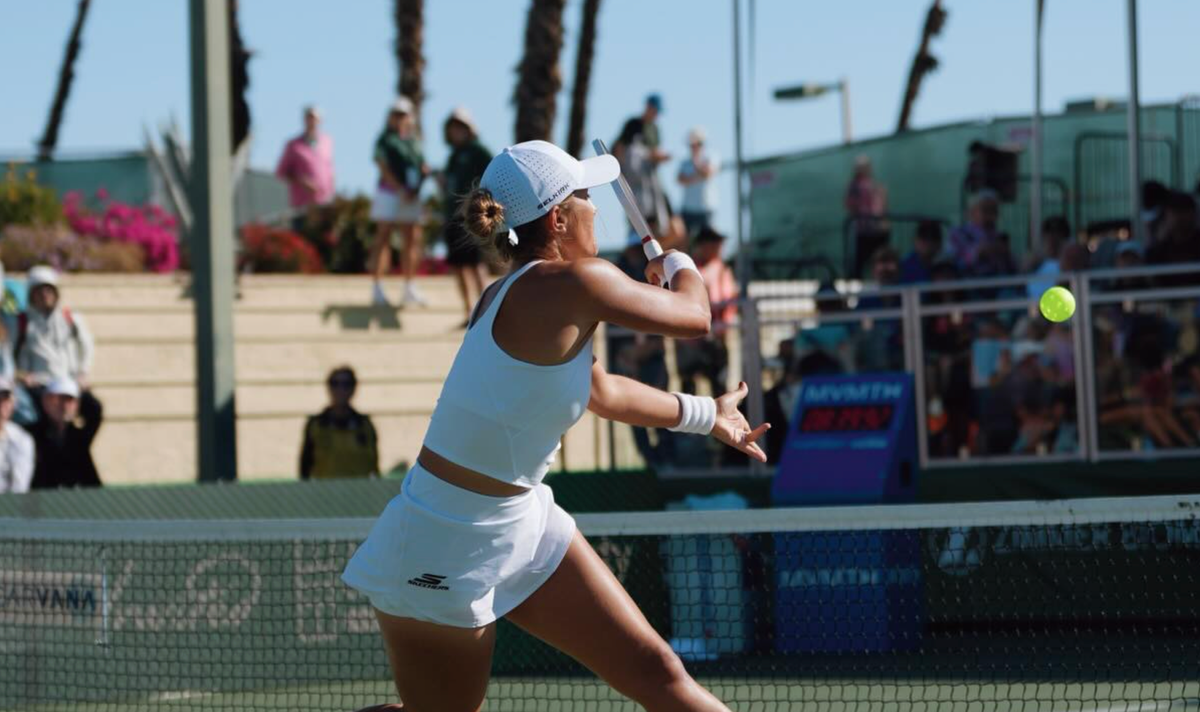
Timing transforms average poaching attempts into dominant net play. The optimal moment occurs when opponents are stretched, off-balance, or forced into defensive positioning.
Watch for these key indicators:
- Late paddle preparation on returns
- Backward weight shift during shot preparation
- Consistent cross-court return patterns
- Rushed positioning after being pulled wide
These situations typically produce weaker returns that travel predictable paths, creating ideal poaching opportunities.
Execution Techniques for Maximum Impact
Once you've identified the opportunity, execution requires explosive lateral movement and confident finishing. The most effective poaches involve three distinct phases: recognition, movement, and termination.
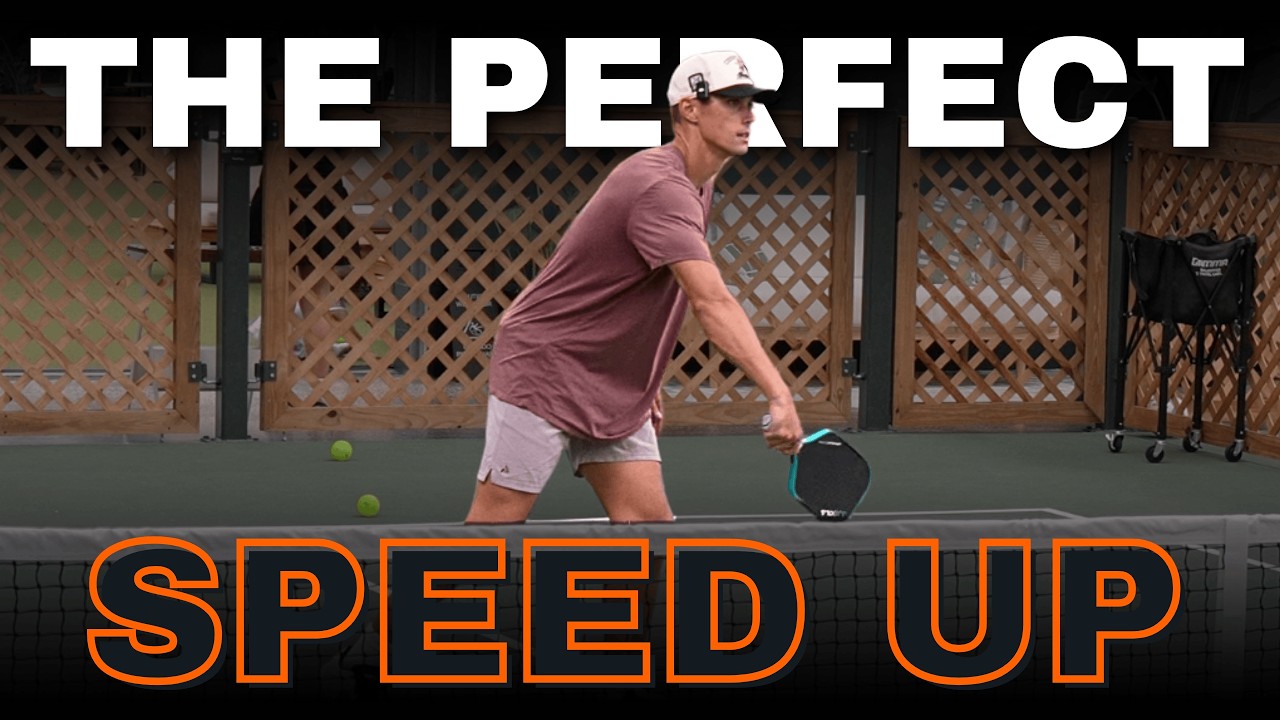
During the recognition phase, commit fully to your read. Hesitation kills poaching effectiveness and leaves both you and your partner in poor positioning.
The movement phase demands quick, decisive steps toward the intercepted ball. Keep your paddle ready and eyes locked on the contact point.
The termination phase focuses on placing your volley into open court or at the opponents' feet, ending the rally decisively.
Communication and Partner Coordination
Successful poaching requires seamless partner coordination. Establish clear communication signals before matches to indicate poaching intentions without alerting opponents.
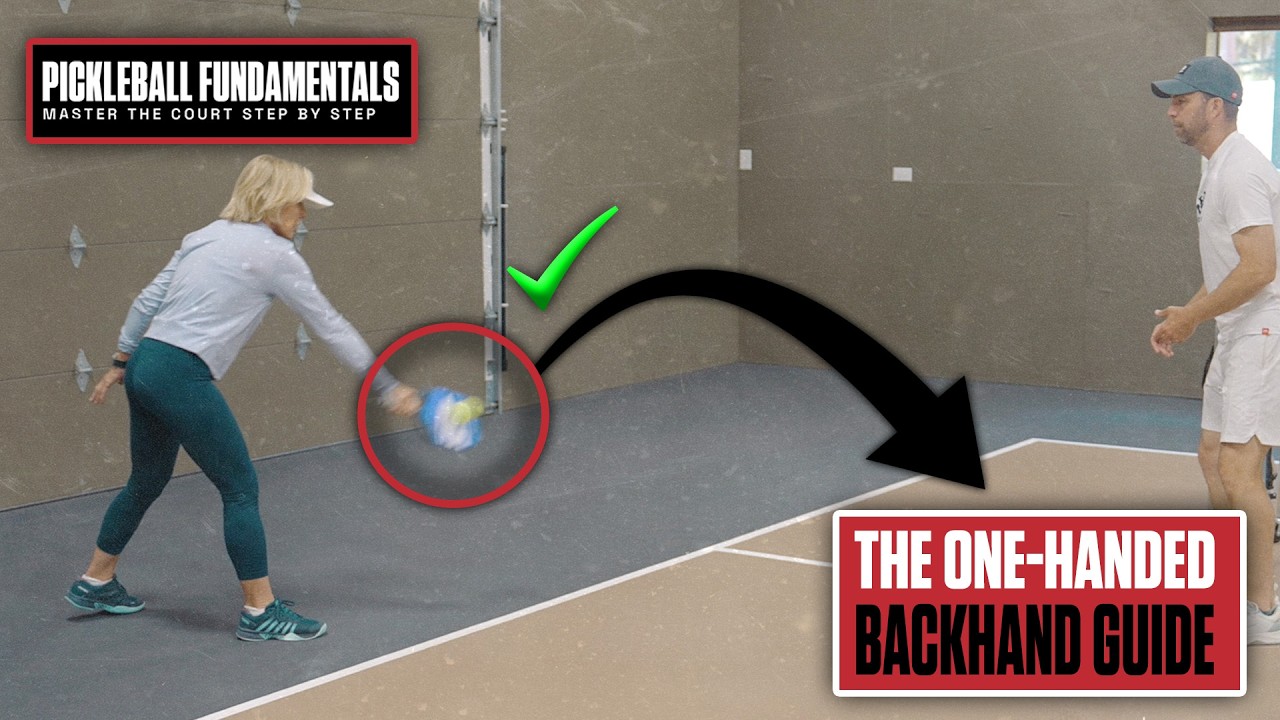
Many teams use subtle hand signals or verbal codes. More importantly, your partner must understand their role in covering the vacated court space and supporting your aggressive positioning.
Practice scenarios where your partner anticipates poaching opportunities and adjusts their positioning accordingly, creating a cohesive defensive unit that can transition to offense instantly.
Common Poaching Mistakes to Avoid
The most frequent error involves poaching without proper setup or partner communication. Random aggressive movement disrupts team positioning and creates easy scoring opportunities for opponents.
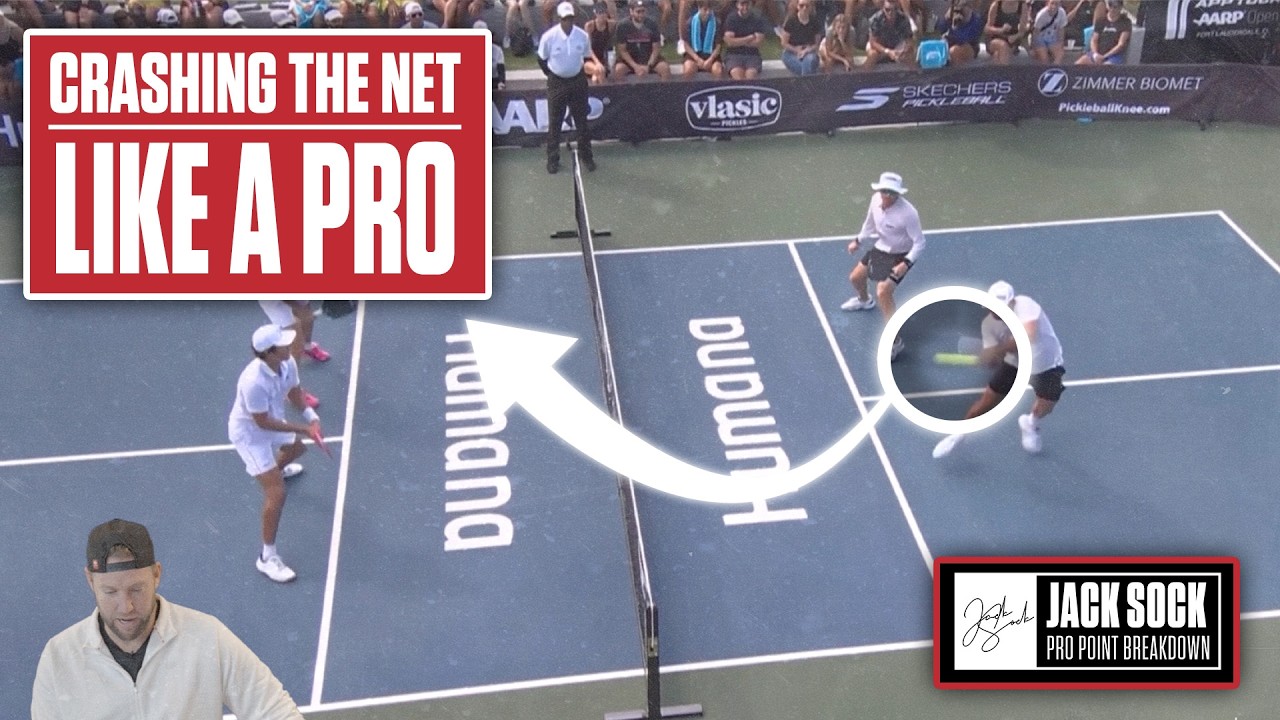
Another common mistake is poaching against strong, controlled shots. Effective poaching targets weak or predictable returns, not well-executed offensive shots that require defensive positioning.
Finally, avoid over-poaching. Once opponents recognize your aggressive tendencies, they'll adjust their strategy to exploit your movement patterns.
Developing Your Poaching Skills
Building effective poaching skills requires dedicated practice in controlled settings. Start with drill scenarios where partners feed predictable balls across court, allowing you to practice timing and positioning.
Progress to live ball situations with communication signals, then incorporate poaching into competitive play gradually.
Focus on reading opponents during warm-ups and early rallies, identifying patterns that suggest poaching opportunities throughout the match.
Frequently Asked Questions
When should I avoid attempting a poach?
Avoid poaching against opponents hitting strong, controlled shots or when your partner is out of position to provide court coverage. Also resist poaching if opponents have already adjusted their strategy to counter your aggressive movement.
How do I coordinate poaching with my doubles partner?
Establish clear communication signals before play begins, practice coordinated movement patterns, and ensure your partner understands when to cover your normal court position during poaching attempts.
What's the difference between a good poach and reckless aggression?
Effective poaching is based on pattern recognition, opponent analysis, and strategic timing. Reckless aggression involves random movement without reading the situation or coordinating with your partner.