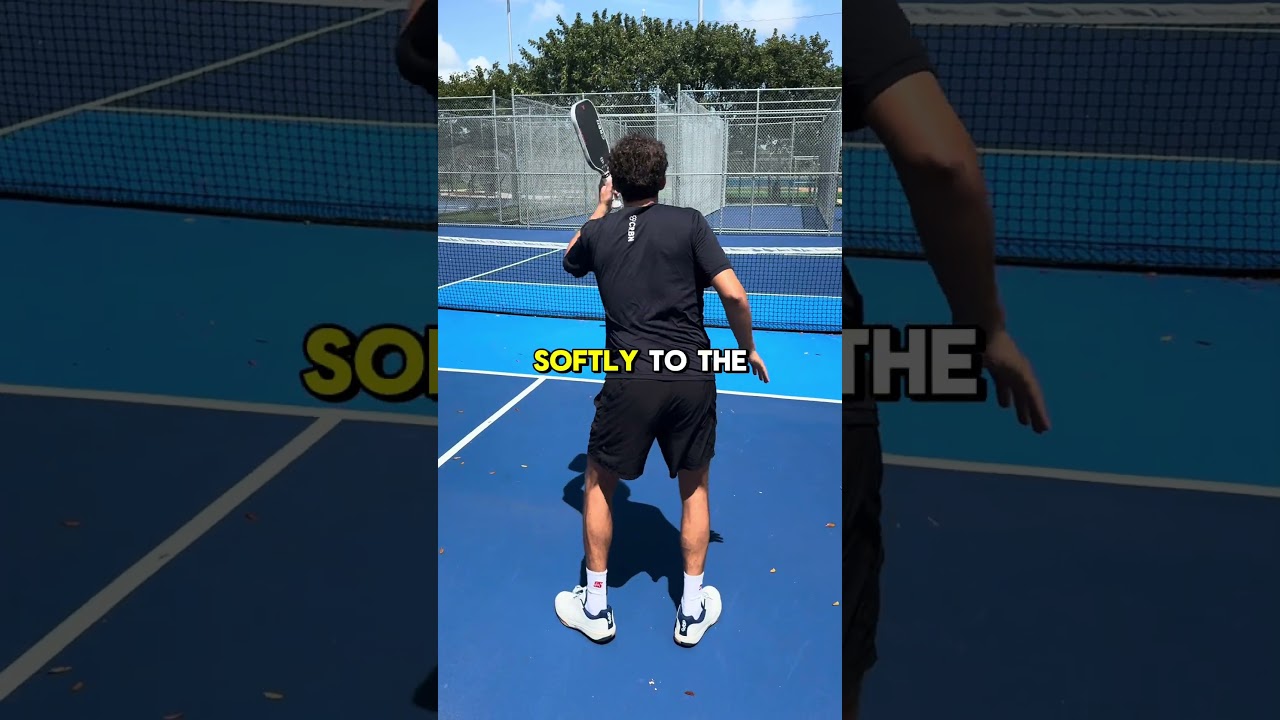
The pickleball flick shot is a game-changing technique that separates intermediate players from advanced competitors. This attacking shot combines precision, timing, and topspin to create opportunities when traditional dinking becomes stagnant.
Unlike conventional net shots that travel in straight lines, the flick generates heavy topspin that causes the ball to dip sharply after clearing the net. This trajectory makes it incredibly difficult for opponents to read and counter effectively.
Understanding the Flick Shot Mechanics
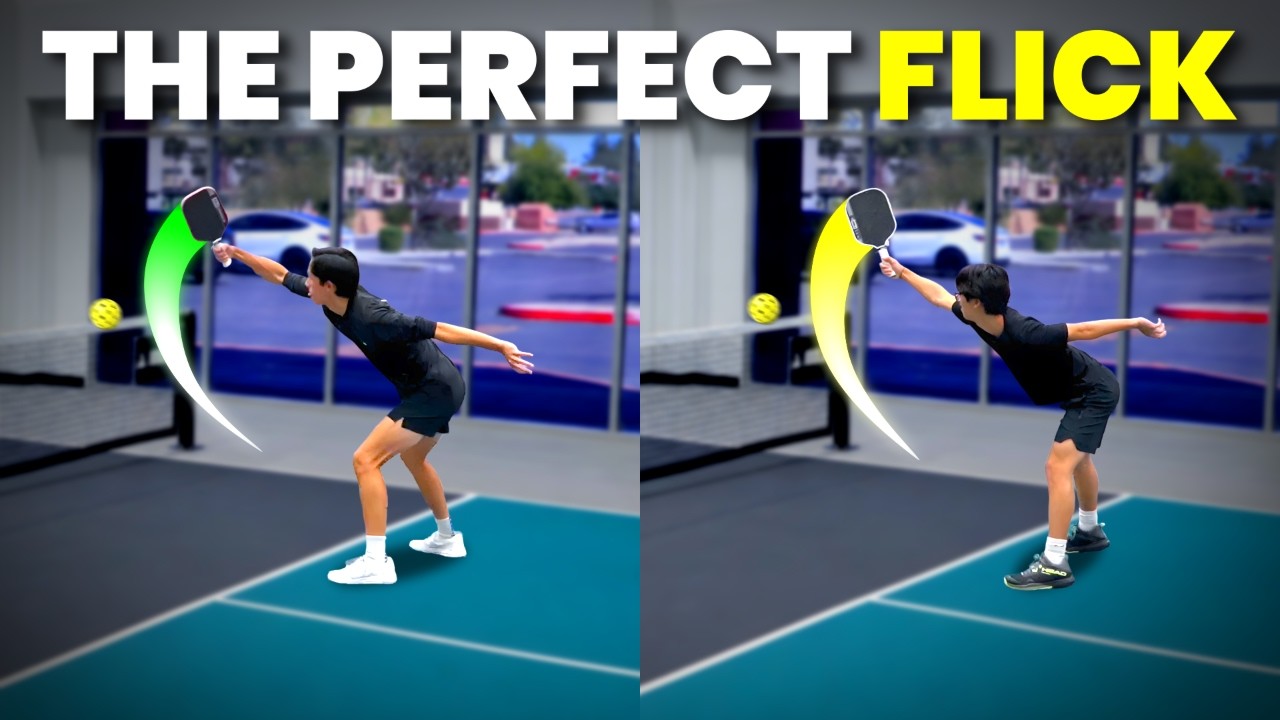
The flick shot differs fundamentally from standard pickleball strokes. Instead of a forward pushing motion, players use an upward brushing action across the ball's surface. This creates the signature topspin that makes the shot so effective.
The key lies in paddle angle and wrist action. Your paddle face should be slightly closed at contact, with a quick upward flick of the wrist providing the spin. The motion resembles flicking water off your paddle rather than driving through the ball.
When to Deploy the Flick
Timing your flick shots strategically transforms their effectiveness. The ideal situations include:
- When opponents position themselves deep behind the kitchen line
- During extended dinking rallies where rhythm becomes predictable
- Against players who struggle with low, spinning shots
- When you receive a ball that sits up slightly above net height
Forehand Flick Technique
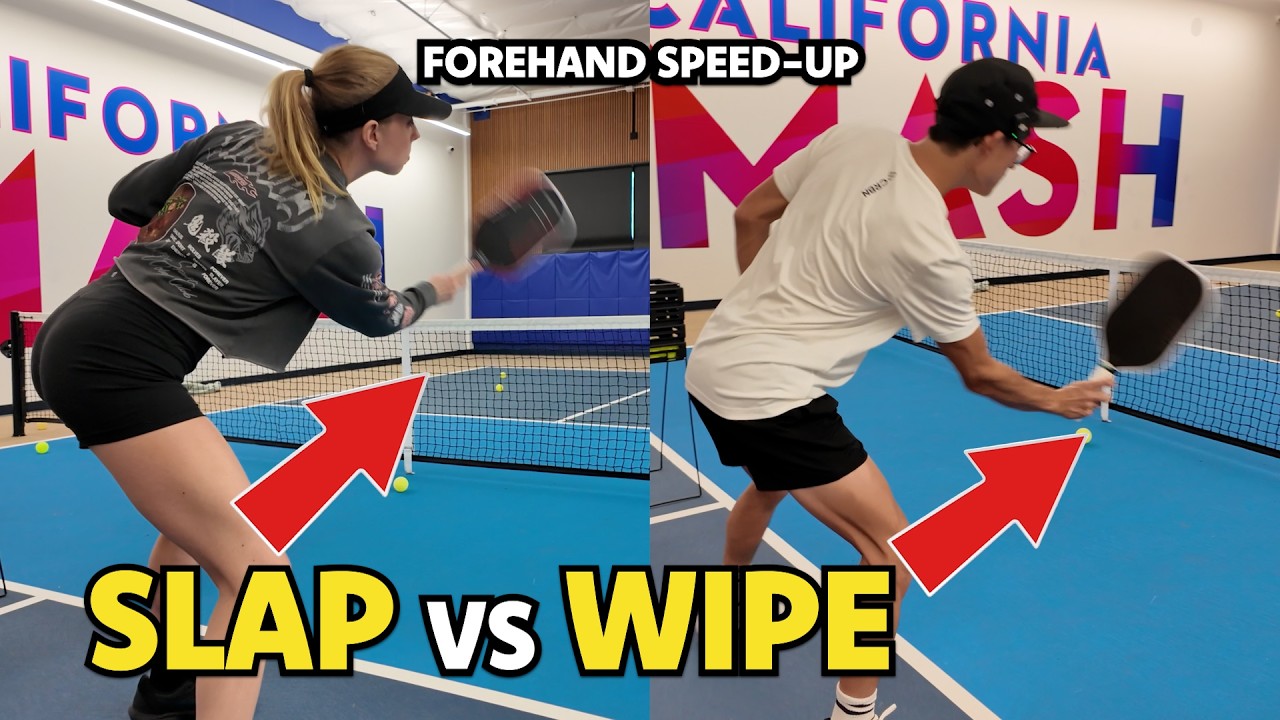
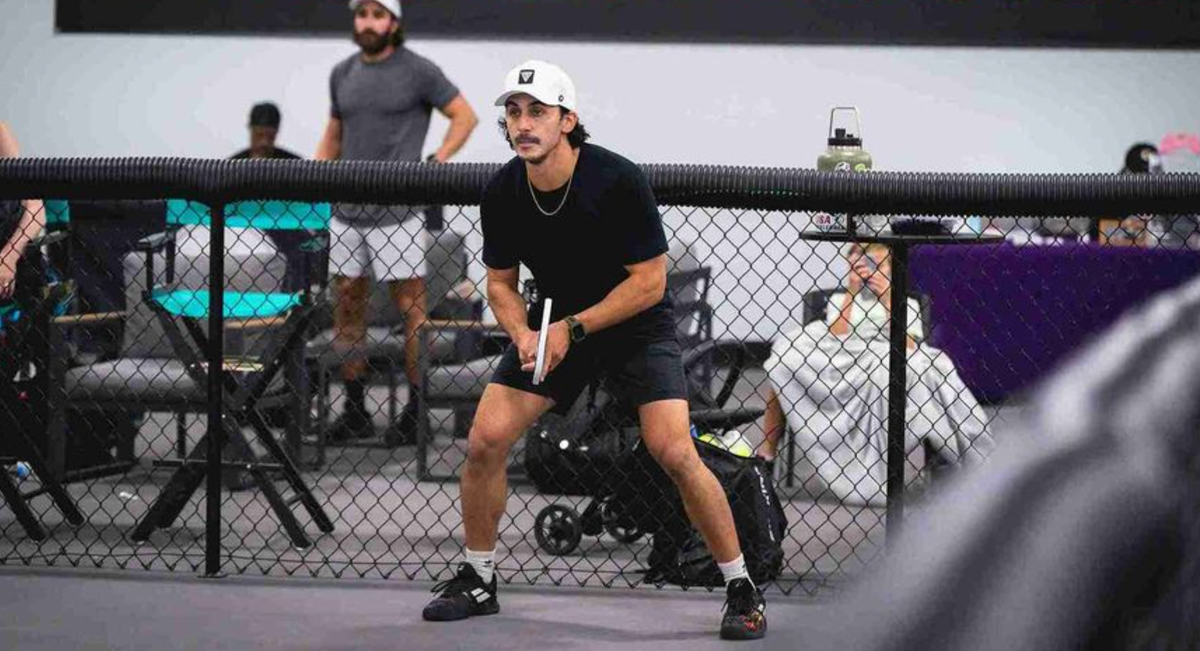
The forehand flick starts with proper positioning. Stand with your feet shoulder-width apart, weight slightly forward on your toes. Keep your paddle in the ready position at chest height.
As the ball approaches, turn your shoulders slightly and prepare for an upward brushing motion. The contact point should be in front of your body, with your paddle face angled downward at impact.
Execute the flick with a quick wrist snap, brushing up the back of the ball. Follow through upward and across your body, finishing with your paddle above your opposite shoulder.
Common Forehand Mistakes
Many players struggle with forehand flicks because they treat them like regular groundstrokes. Avoid these errors:
- Opening the paddle face too much, causing the ball to sail long
- Using excessive arm swing instead of wrist action
- Contacting the ball too late in its trajectory
- Failing to brush upward, resulting in flat shots
Backhand Flick Mastery
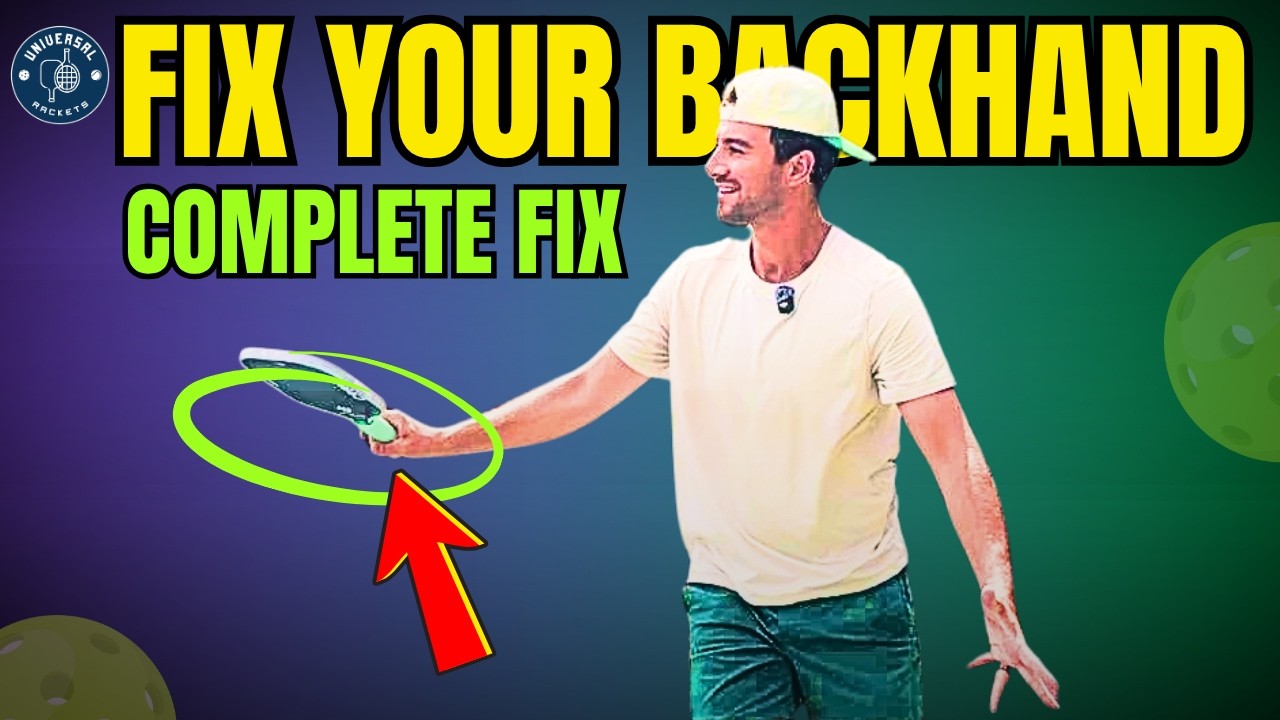
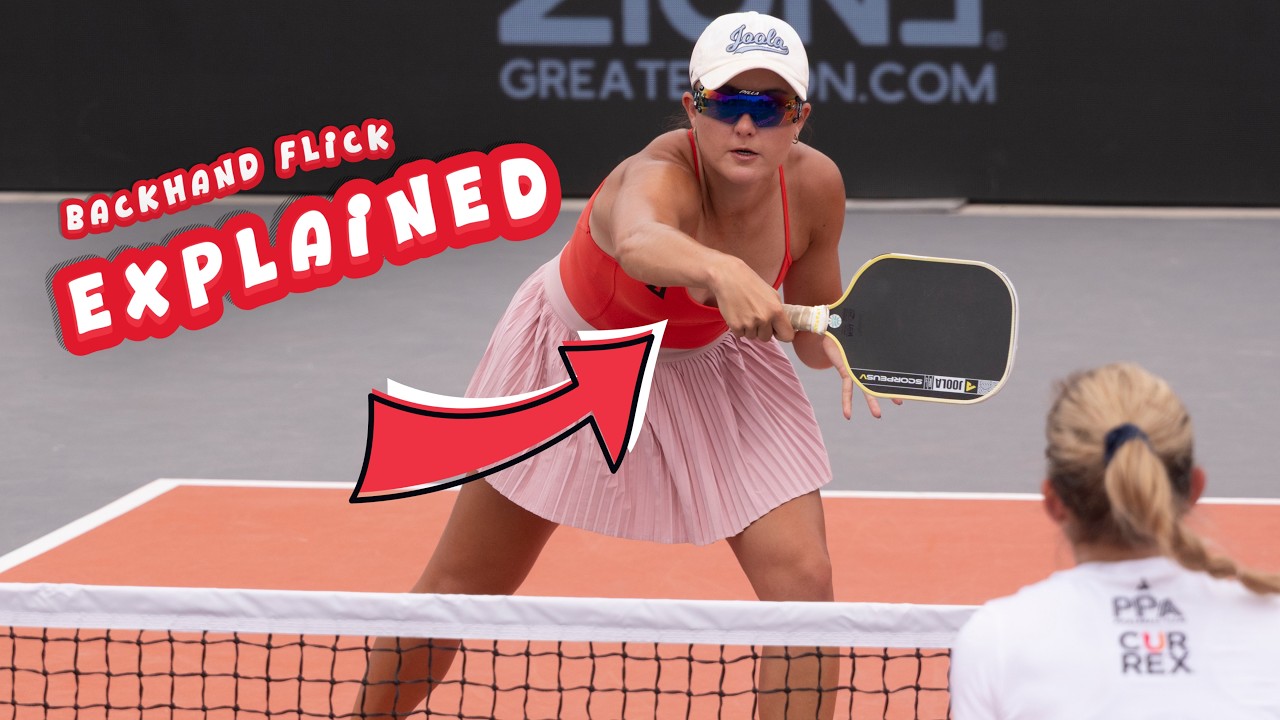
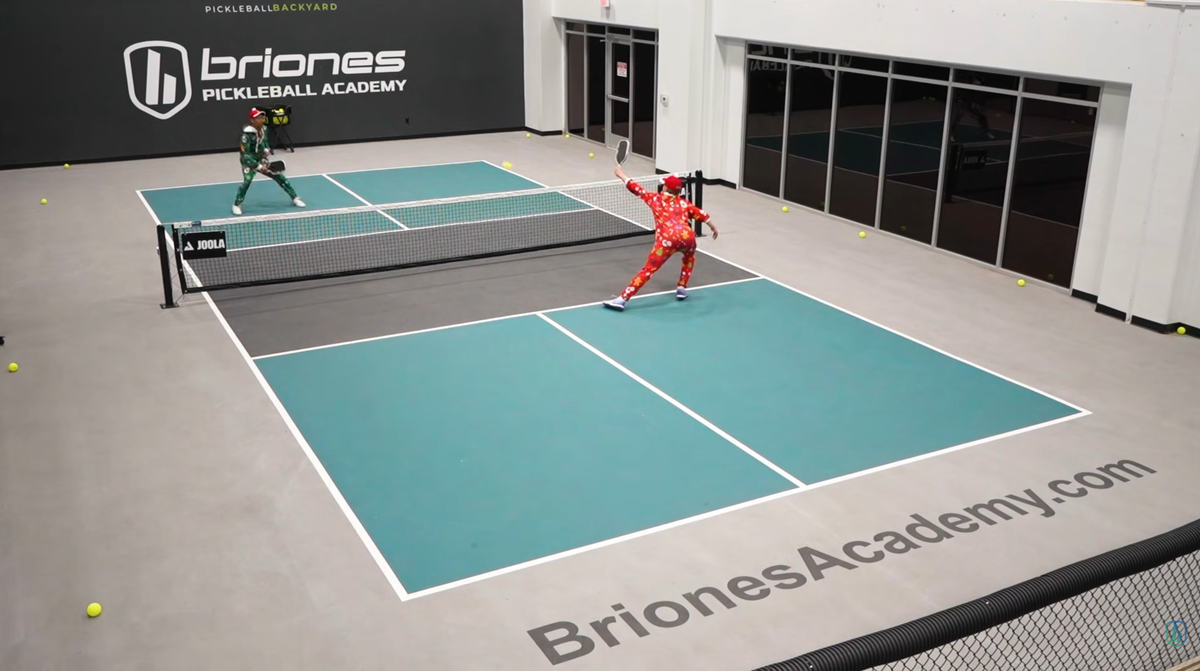
The backhand flick proves more challenging for most players but offers superior disguise and angles. Begin with your paddle positioned across your body, elbow bent and close to your side.
Step into the shot with your dominant foot, rotating your shoulders to create space. The paddle should make contact when the ball is slightly in front of your lead hip.
Use a compact upward motion, emphasizing the wrist flick over arm movement. The follow-through should finish high and across your body, with the paddle edge pointing toward your target.
Backhand Flick Advantages
Developing a reliable backhand flick provides several strategic benefits:
- Better disguise since the motion looks similar to a regular backhand dink
- Sharper cross-court angles due to natural body positioning
- Faster recovery time for the next shot
- More consistent topspin generation
Practice Drills for Flick Development
Consistent practice transforms the flick from an occasional surprise shot into a reliable weapon. Start with stationary ball drills, focusing on paddle angle and wrist action without worrying about power.
Progress to partner feeding drills where someone tosses balls at various heights and speeds. Practice both forehand and backhand variations, emphasizing spin over power initially.
Advanced players should incorporate flick shots into live dinking rallies, starting with obvious opportunities and gradually using them in more subtle situations.
Strategic Implementation
The flick shot's true power emerges through strategic application rather than frequent use. Deploy it sparingly to maintain the element of surprise, targeting opponents' weaknesses and court positioning.
Combine flick shots with traditional dinks and drops to create unpredictable patterns. This variation keeps opponents guessing and prevents them from anticipating your next move.
Frequently Asked Questions
How much topspin should I put on a flick shot?
Focus on moderate topspin initially. Excessive spin can cause control issues, while too little won't create the desired dipping effect. Practice until you can consistently clear the net by 6-12 inches with the ball dropping sharply.
What's the biggest mistake beginners make with flick shots?
Most beginners try to hit flick shots too hard instead of focusing on technique and placement. Start slowly, emphasize proper form and spin generation, then gradually increase pace as your control improves.
Can I use flick shots defensively?
While flicks are primarily offensive weapons, they can work defensively when opponents rush the net aggressively. A well-placed defensive flick can catch them off-balance and create counterattack opportunities.