Professional pickleball players have spent countless hours perfecting their technique, which gives them a unique perspective on the mistakes recreational players make repeatedly. Top-ranked player Mari Humberg has observed that most amateurs continue making the same errors without even realizing they're hindering their progress.
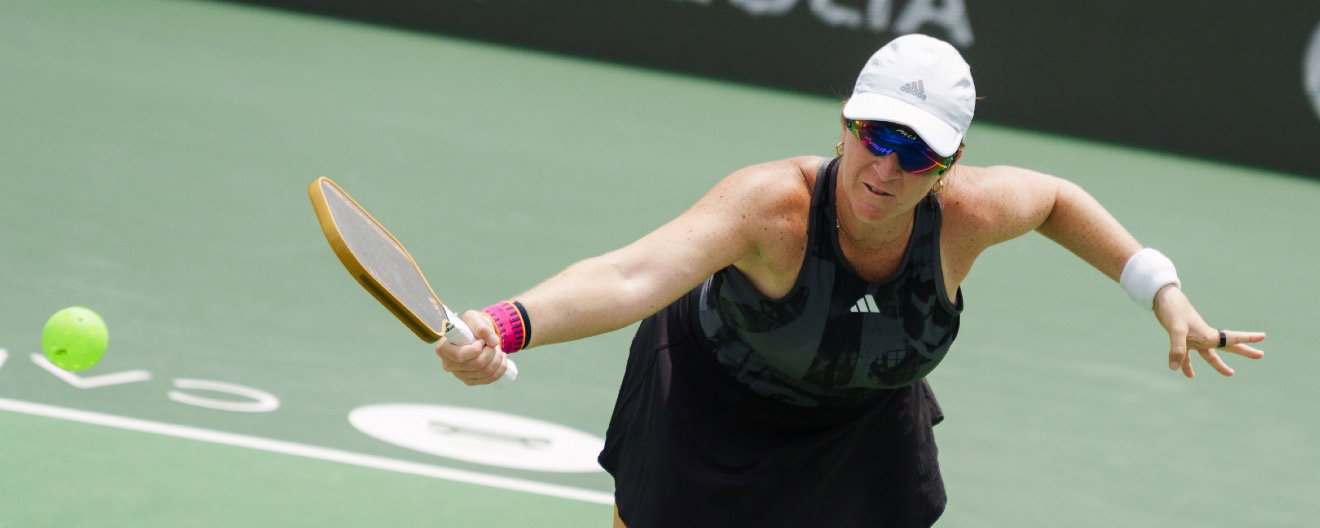
"Most amateurs will make the same mistake over and over again, but not realize it's a mistake. That's why taking a clinic with a pro can be so valuable," Humberg explains. Understanding these common pitfalls and learning how to correct them can dramatically improve your game.
The Most Common Amateur Mistakes
Poor Court Positioning
One of the biggest errors amateur players make is standing in the wrong position on the court. Many recreational players tend to hang back near the baseline instead of moving forward to the non-volley zone (kitchen line) when appropriate. This defensive positioning limits their ability to put pressure on opponents and control the pace of play.
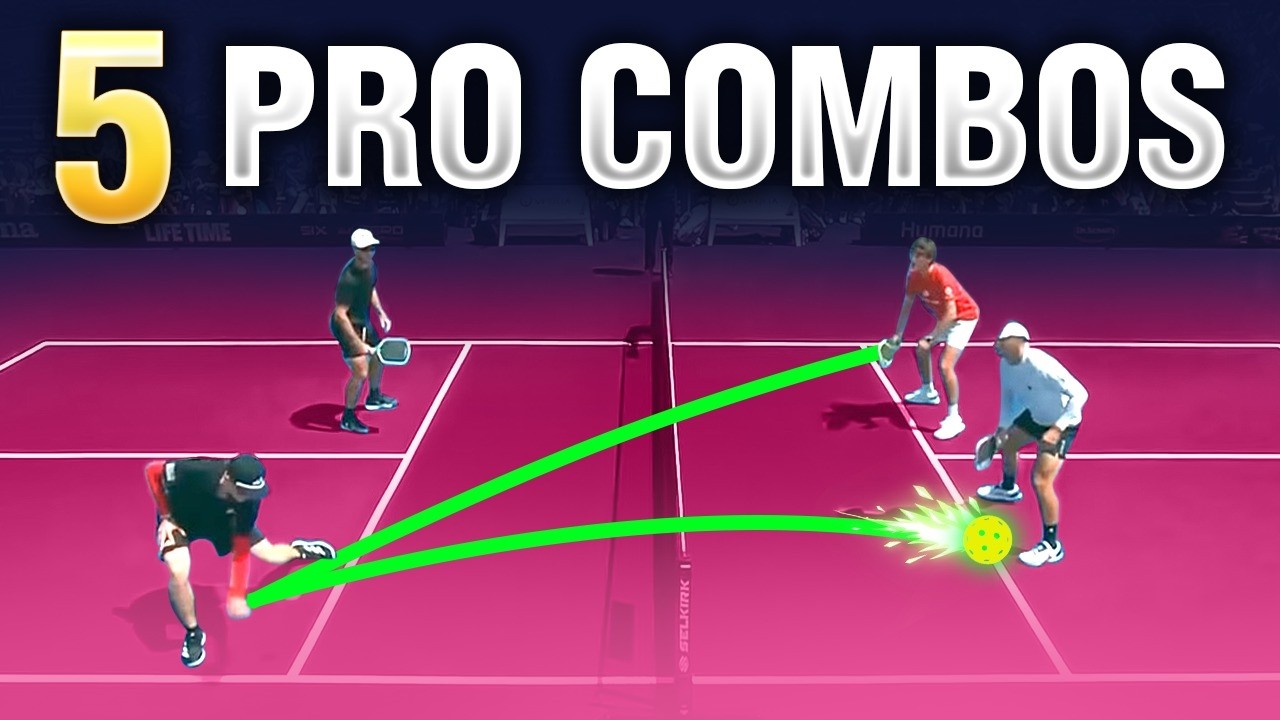
Professional players emphasize the importance of advancing to the kitchen line after the third shot, as this position offers the best angles for winning shots and reduces the distance you need to cover for defensive plays.
Inconsistent Third Shot Strategy
The third shot is arguably the most critical shot in pickleball, yet it's where many amateurs struggle most. Players often try to hit winners instead of focusing on getting to the net safely. Professionals recommend developing a reliable third shot drop or drive, depending on the situation, rather than attempting low-percentage attacking shots.
Improper Paddle Grip
Many recreational players hold their paddle incorrectly, which affects their control, power, and consistency. The continental grip, where the paddle face is perpendicular to the ground, provides the best versatility for all shots. Avoid gripping the paddle like a tennis racquet or holding it too loosely, as both create inconsistency in your shots.
Professional Solutions to Elevate Your Game
Master Court Awareness
Professional players constantly scan the court to identify their opponents' weaknesses and positioning. Develop this habit by keeping your head up between shots and communicating with your partner about court coverage and strategy. This awareness helps you anticipate where to hit your next shot for maximum effectiveness.
Develop Consistent Footwork Patterns
Footwork is the foundation of every good pickleball shot, yet it's often overlooked by amateur players. Professionals maintain a consistent ready position with their weight on the balls of their feet, allowing for quick movement in any direction. Practice moving in short, controlled steps rather than long strides to maintain balance and control.
Focus on Shot Selection Over Power
Amateur players frequently try to overpower their shots instead of placing them strategically. Professional players understand that consistency and placement trump power in most situations. Work on hitting shots with purpose – whether it's moving your opponents out of position, creating an opening, or simply keeping the ball in play until a better opportunity arises.
Practice Drills from the Pros
The Kitchen Line Challenge
Practice hitting soft shots while standing at the kitchen line, focusing on control rather than power. This drill helps develop the touch needed for successful dinking and improves your net game significantly.
Third Shot Repetition
Set up a drill where you practice third shots from various positions on the court. Start with basic drops and gradually add more challenging scenarios like wide shots or high returns. Consistency in this area alone can transform your game.
Communication Practice
Work with your regular partner on calling shots and coordinating movement. Many amateur mistakes stem from poor communication, leading to confusion about who should take which shots.
Building Long-Term Improvement
Professional players emphasize that improvement comes from consistent practice and honest self-assessment. Record your games when possible to identify patterns in your mistakes, and don't be afraid to seek instruction from qualified professionals who can provide personalized feedback.
Remember that even professional players continue working on fundamentals throughout their careers. The key is developing good habits early and reinforcing them through deliberate practice rather than just playing more games.
Frequently Asked Questions
How often should I practice to see improvement in my pickleball game?
Most professionals recommend practicing 2-3 times per week with focused drills, combined with regular gameplay. Quality practice is more important than quantity – 30 minutes of focused skill work can be more valuable than hours of casual play.
What's the most important mistake to fix first for new players?
Court positioning is typically the most impactful area to address first. Learning when to move forward to the kitchen line and proper court coverage will immediately improve your game more than working on advanced shot techniques.
How can I tell if I'm making mistakes during play?
Keep a simple mental note of unforced errors and their causes. If you're consistently hitting shots into the net or out of bounds from similar positions, that indicates a technique issue that needs attention during practice sessions.