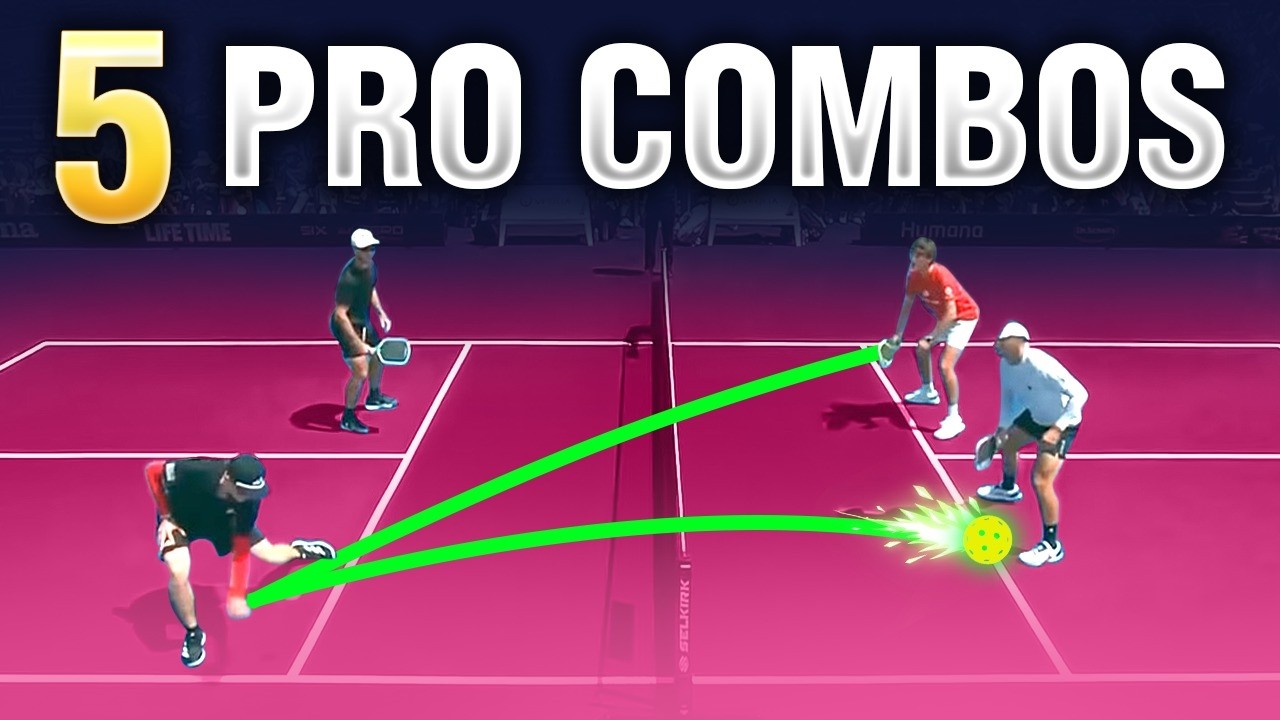
Every pickleball player struggles with return placement at some point, but the zone of truth concept could be the missing piece that transforms your game from reactive to dominant. This strategic approach to return positioning is what separates weekend warriors from competitive players who consistently control points from the baseline.
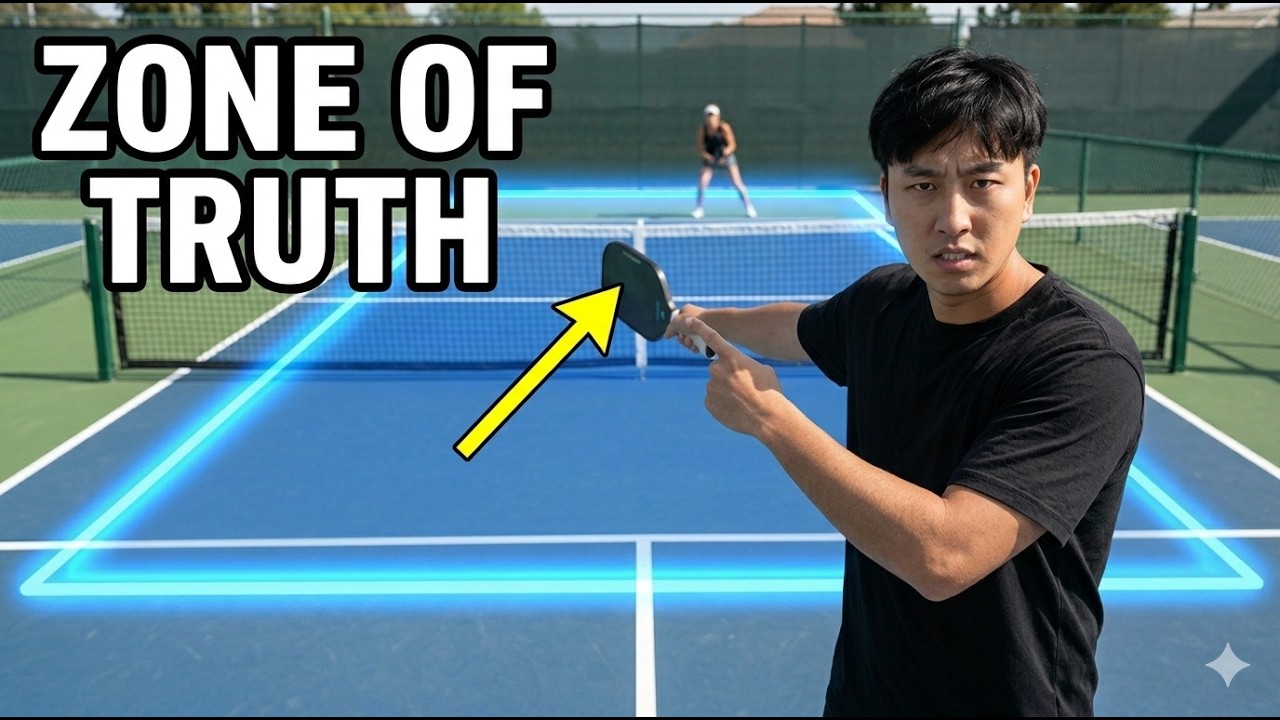
Understanding where to place your returns isn't just about getting the ball back—it's about setting up the entire point in your favor. When you master the zone of truth strategy, you'll stop gifting easy attack opportunities to your opponents and start dictating play from the very first shot.
Understanding the Zone of Truth Concept
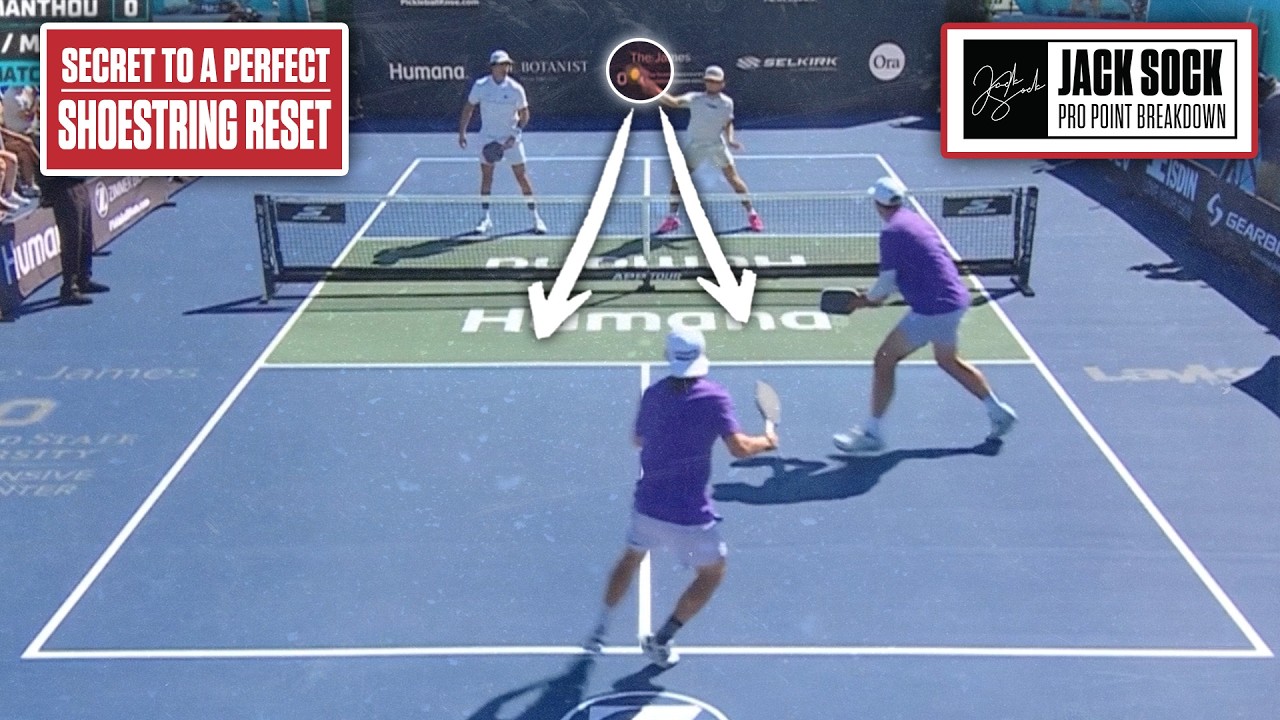
The zone of truth refers to specific areas of the court where your returns create maximum pressure while minimizing your opponent's offensive options. Rather than defaulting to safe middle-court returns, this strategy focuses on precision placement that forces opponents into uncomfortable positions.
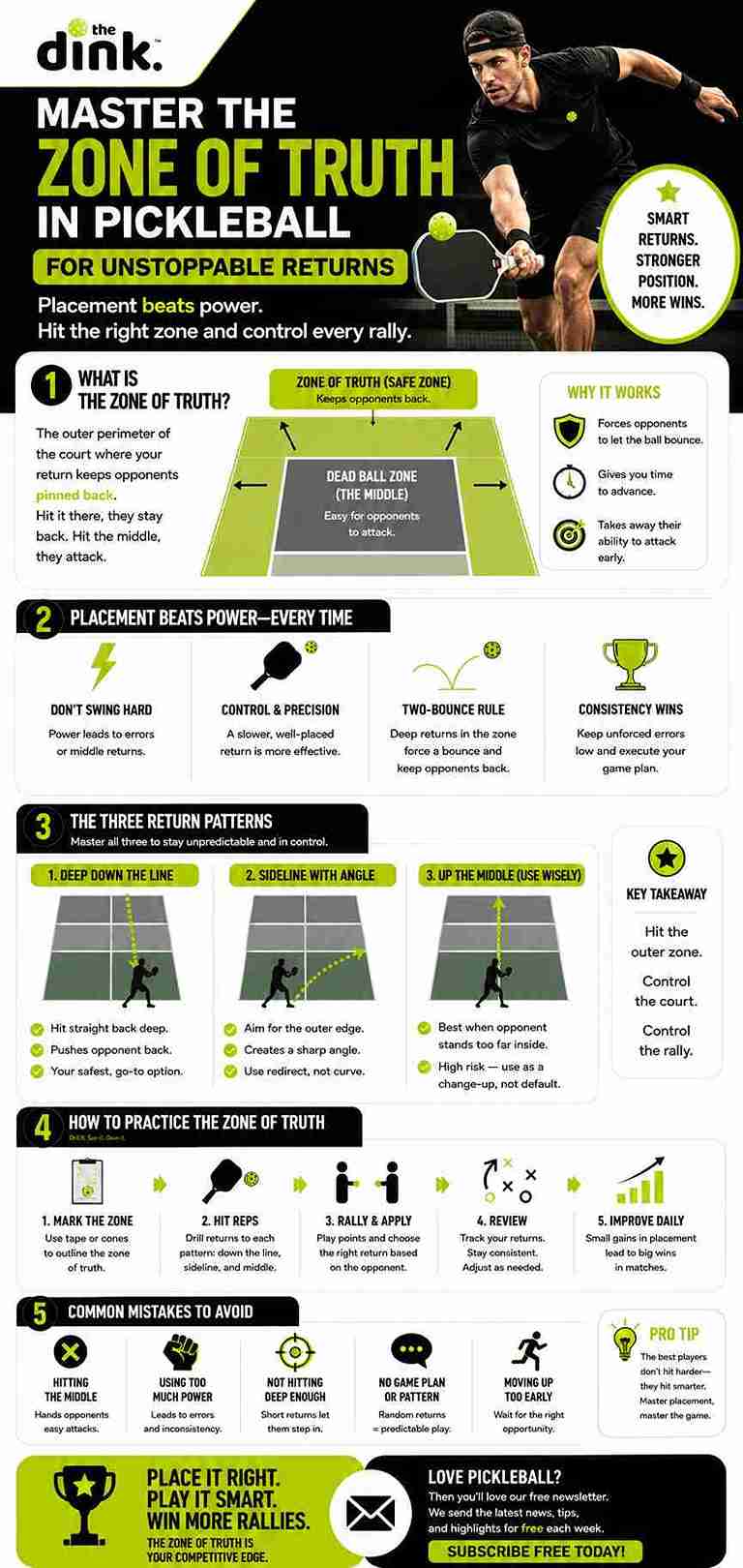
Most recreational players make the critical error of hitting returns to the center of the court, thinking it's the safest option. However, this actually provides opponents with the most angles and attacking opportunities. The zone of truth flips this conventional wisdom by targeting specific court zones that limit your opponent's response options.
Strategic Return Placement Fundamentals
Effective return placement starts with reading your opponent's court position and serve location. The zone of truth concept teaches players to identify three primary target zones that create tactical advantages:
Deep Baseline Returns
Targeting the deep corners and baseline areas forces opponents to hit upward, reducing their ability to attack aggressively. These returns also provide you more time to advance to the non-volley zone while your opponents are pushed back.
Wide Angle Placements
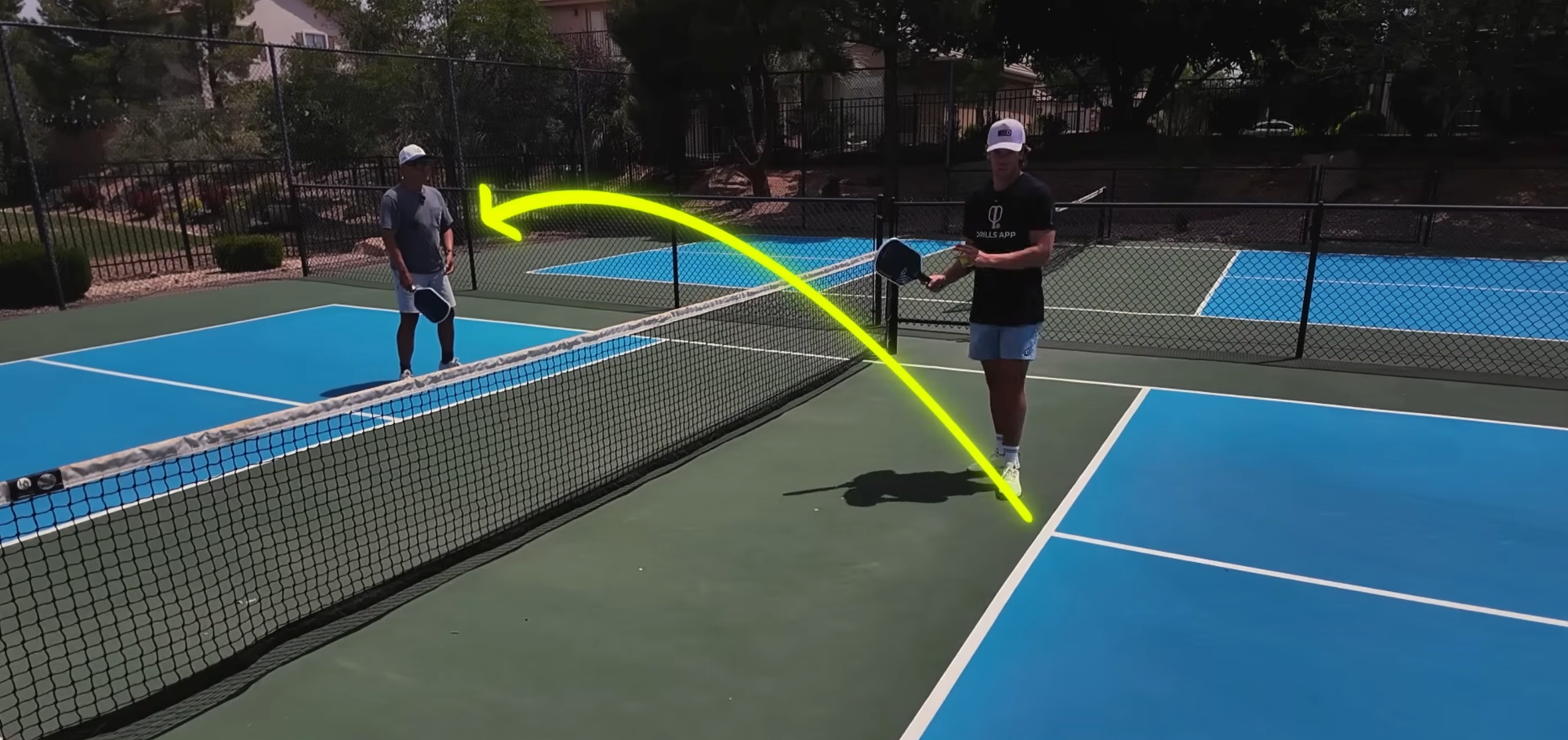
Returns hit to the extreme sidelines pull opponents out of position, opening up court space for your next shot. This placement is particularly effective against teams that like to crowd the middle.
Short Angle Drops
Unexpected drop shot returns can disrupt aggressive opponents who are preparing to attack. These shots force a complete change in momentum and court positioning.
Implementing Zone Control in Match Play
Putting the zone of truth into practice requires consistent execution and tactical awareness. Start by observing your opponents' tendencies during warm-up and early points. Do they prefer attacking from specific court positions? Are they stronger on forehands or backhands?
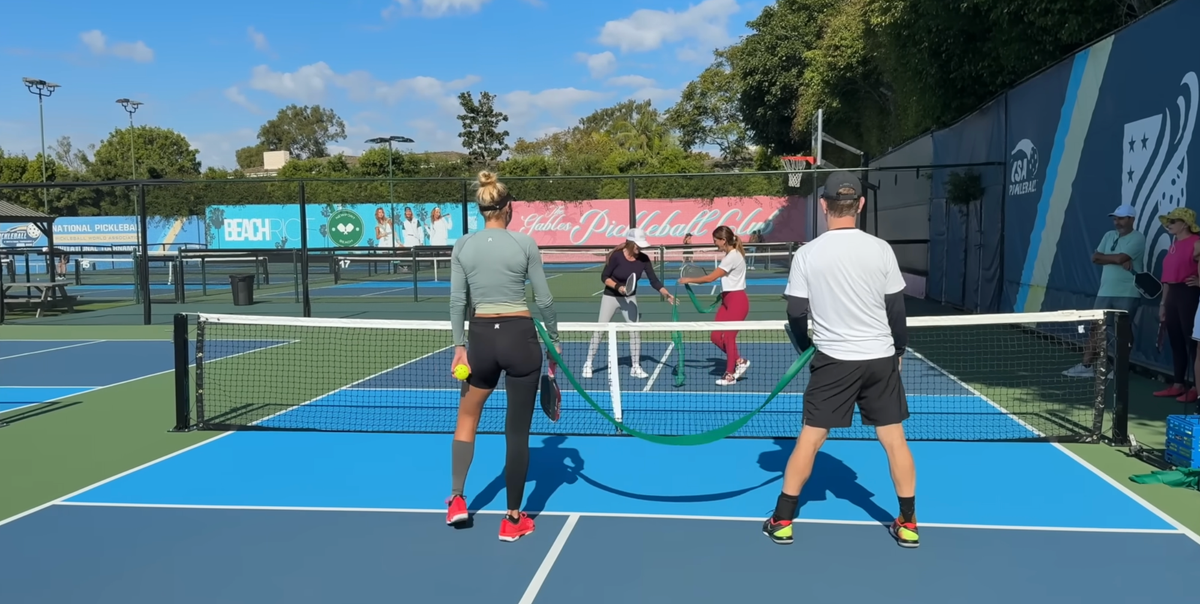
The key is varying your return placement to keep opponents guessing while consistently targeting zones that minimize their strengths. If your opponent has a powerful forehand attack, focus returns to their backhand corner. Against players who struggle with movement, use wide angle returns to exploit their mobility limitations.
Common Return Mistakes to Avoid
Even players who understand the zone of truth concept can fall into tactical traps. The biggest mistake is becoming too predictable with return placement. While targeting specific zones is important, you must maintain enough variation to prevent opponents from anticipating your shots.
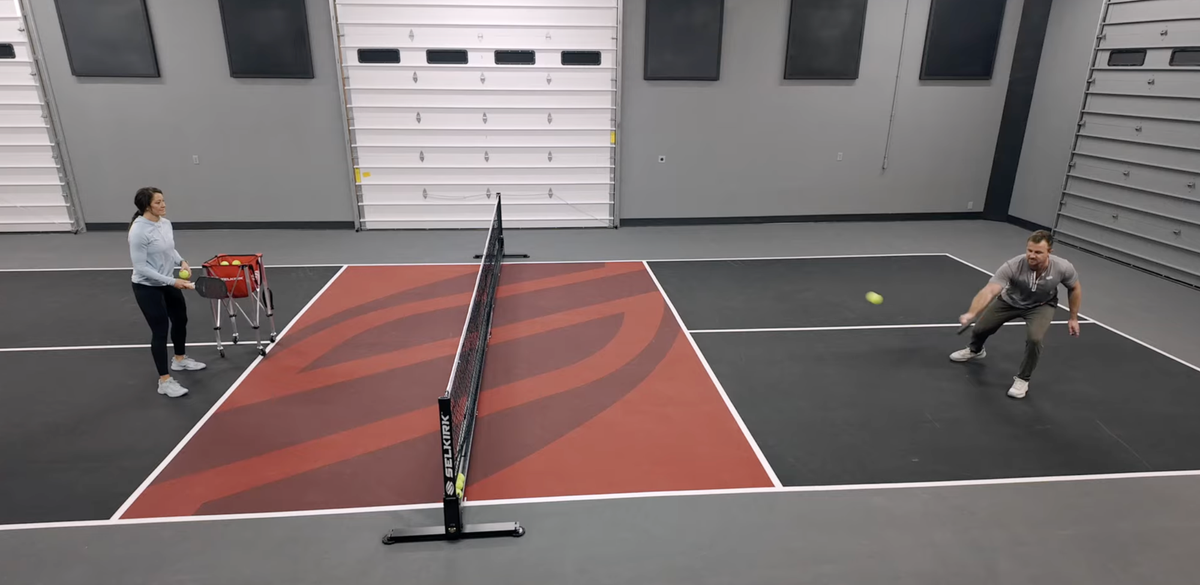
Another common error is focusing solely on placement while neglecting depth and pace. The most strategically placed return won't be effective if it lacks the depth to keep opponents honest or sits up for easy attacks.
Practice Drills for Zone Mastery
Developing zone of truth skills requires deliberate practice with specific targets in mind. Set up cone targets in the deep corners and practice hitting consistent returns to these areas. Progress to live ball drills where you practice reading serves and selecting appropriate return zones.
Partner with players of different skill levels to experience various serving styles and court positioning tendencies. This exposure will help you develop the pattern recognition needed to quickly identify optimal return zones during competitive play.
Frequently Asked Questions
How do I know which zone to target with my return?
Zone selection depends on your opponent's court position, their strengths and weaknesses, and the serve location. Generally, target zones that force your opponent to hit upward or move significantly to reach the ball. Practice reading these situations until zone selection becomes instinctive.
Should I always aim for the same zone against specific opponents?
No, predictability kills the effectiveness of zone targeting. While you should exploit opponent weaknesses, vary your return placement enough to prevent them from anticipating your shots. Mix deep returns with short drops and cross-court angles with down-the-line placements.
What's the biggest mistake players make when trying to implement zone targeting?
The most common error is sacrificing consistency for precision. Focus first on making solid contact and getting returns in play, then gradually refine your targeting. A consistent return to a less-than-perfect zone is better than an error attempting the perfect placement.