The Foundation of Rapid Pickleball Improvement
Every pickleball player dreams of fast improvement, but most approach their development haphazardly. The secret to accelerated progress lies in focusing on four core pillars that create a systematic pathway to higher-level play. These pillars work synergistically to transform your game from recreational to competitive.
Pillar 1: Master Fundamental Drills with Purpose
Fundamental drills aren't just warm-up activities—they're the building blocks of consistent performance. The key is practicing with intentionality rather than mindless repetition.
Essential Drill Categories
Dinking Precision: Practice cross-court dinks with specific targets. Start with large zones and progressively narrow your target area. This builds the soft touch essential for net play dominance.
Third Shot Drops: Execute 50 third shot drops daily, focusing on arc consistency and kitchen landing zones. This single shot separates intermediate players from advanced competitors.
Volley Control: Practice volleys at varying heights and speeds. Focus on paddle face control and abbreviated backswings for lightning-fast reactions at the net.
Pillar 2: Transform Your Footwork Foundation
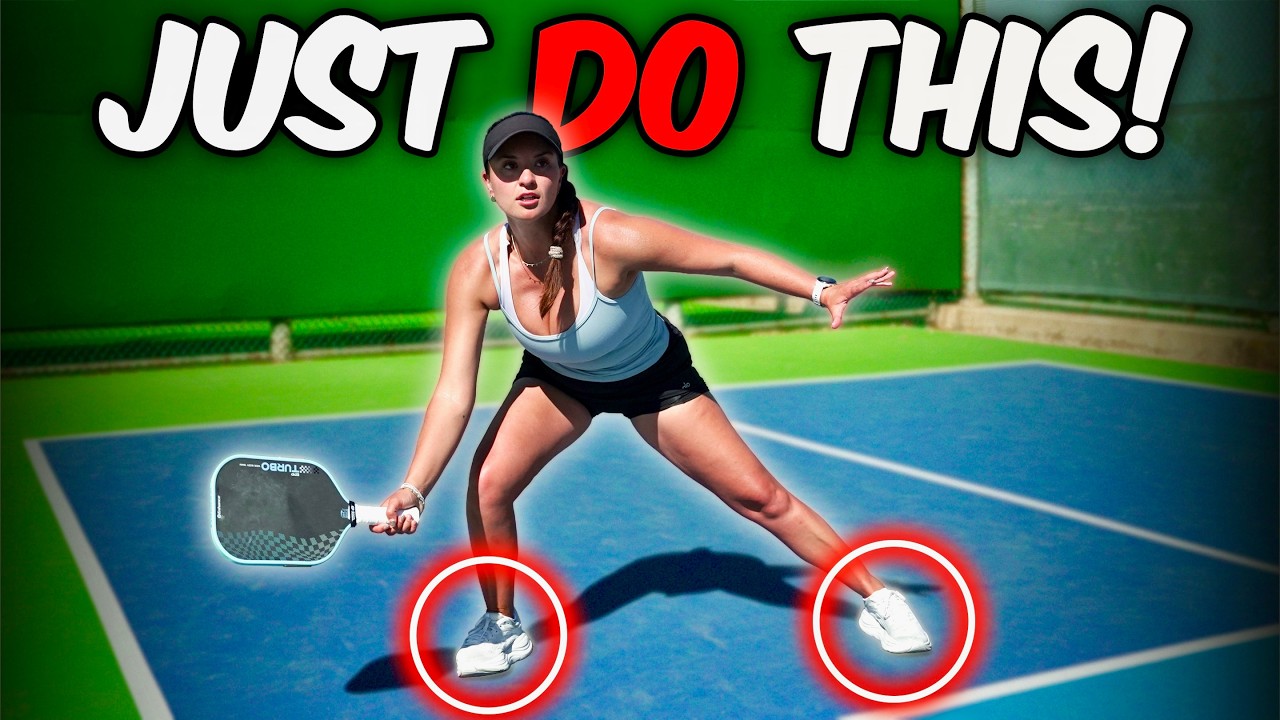
Superior footwork is the invisible advantage that elevates good players to great ones. Most players focus on paddle technique while ignoring the mobility that makes those techniques possible.
Key Footwork Elements
Split Step Timing: Execute a split step as your opponent contacts the ball. This explosive movement preparation allows lightning-fast directional changes and improved balance.
Kitchen Line Positioning: Practice moving in and out of the non-volley zone with controlled steps. Avoid large lunges that compromise your recovery position.
Lateral Movement Drills: Incorporate side shuffles and crossover steps into your training routine. Lateral mobility is crucial for covering the court effectively in doubles play.
Pillar 3: Systematically Eliminate Weaknesses
Every player has exploitable weaknesses, but champions identify and address them methodically. This pillar requires honest self-assessment and targeted improvement strategies.
Common Weakness Patterns
Backhand Vulnerabilities: If opponents consistently attack your backhand, dedicate 70% of practice time to backhand-specific drills until it becomes a strength.
High Ball Management: Many players struggle with overhead shots and high bouncing balls. Practice these scenarios repeatedly, as opponents will exploit this weakness relentlessly.
Transition Zone Play: The area between baseline and kitchen line is where points are won or lost. Focus on moving through this zone quickly while maintaining shot quality.
Pillar 4: Strategic Gear Optimization
Equipment won't compensate for poor technique, but the right gear can enhance your natural abilities and support your playing style.
Paddle Selection Science
Weight Distribution: Heavier paddles (8.2-8.5 oz) provide more power and stability, while lighter paddles (7.8-8.1 oz) offer better maneuverability and faster hand speed.
Core Materials: Polymer cores offer excellent control and softer feel, while aluminum cores provide more power and pop for aggressive players.
Grip Size Precision: Measure your grip size accurately. An incorrect grip size can cause arm fatigue and reduce shot accuracy significantly.
Performance Enhancement Accessories
Court Shoes: Invest in pickleball-specific shoes with lateral support and non-marking soles. Proper footwear prevents injuries and improves court movement efficiency.
Eyewear Protection: Quality sports sunglasses reduce eye strain and improve ball tracking, especially during outdoor play with varying light conditions.
Implementing Your Improvement Plan
Success requires consistent application of all four pillars simultaneously. Create a weekly schedule that incorporates elements from each pillar, tracking your progress with specific metrics like successful third shot drop percentage or dinking consistency rates.
Remember that improvement isn't always linear. Expect temporary plateaus and occasional setbacks as you integrate new techniques. The key is maintaining focus on these fundamental pillars while gradually increasing the complexity of your training challenges.
Frequently Asked Questions
How long does it take to see improvement using these four pillars?
Most players notice improvements in 2-4 weeks with consistent practice. Significant skill level advancement typically occurs within 8-12 weeks of dedicated pillar-based training.
Which pillar should beginners focus on first?
Beginners should prioritize fundamental drills and footwork simultaneously. These two pillars create the foundation necessary for advanced technique development and effective weakness elimination.
How often should I reassess my weaknesses?
Conduct a thorough weakness assessment every 4-6 weeks. Record match footage or ask experienced players for honest feedback to identify areas requiring continued attention.