Even experienced pickleball players often violate rules they've never heard of. These hidden regulations can cost you points, games, and matches if you're not aware of them.
The difference between good players and great players isn't just technique—it's comprehensive rule knowledge. Understanding these lesser-known regulations will elevate your game and prevent embarrassing faults.

Rule #1: The Serve Momentum Violation
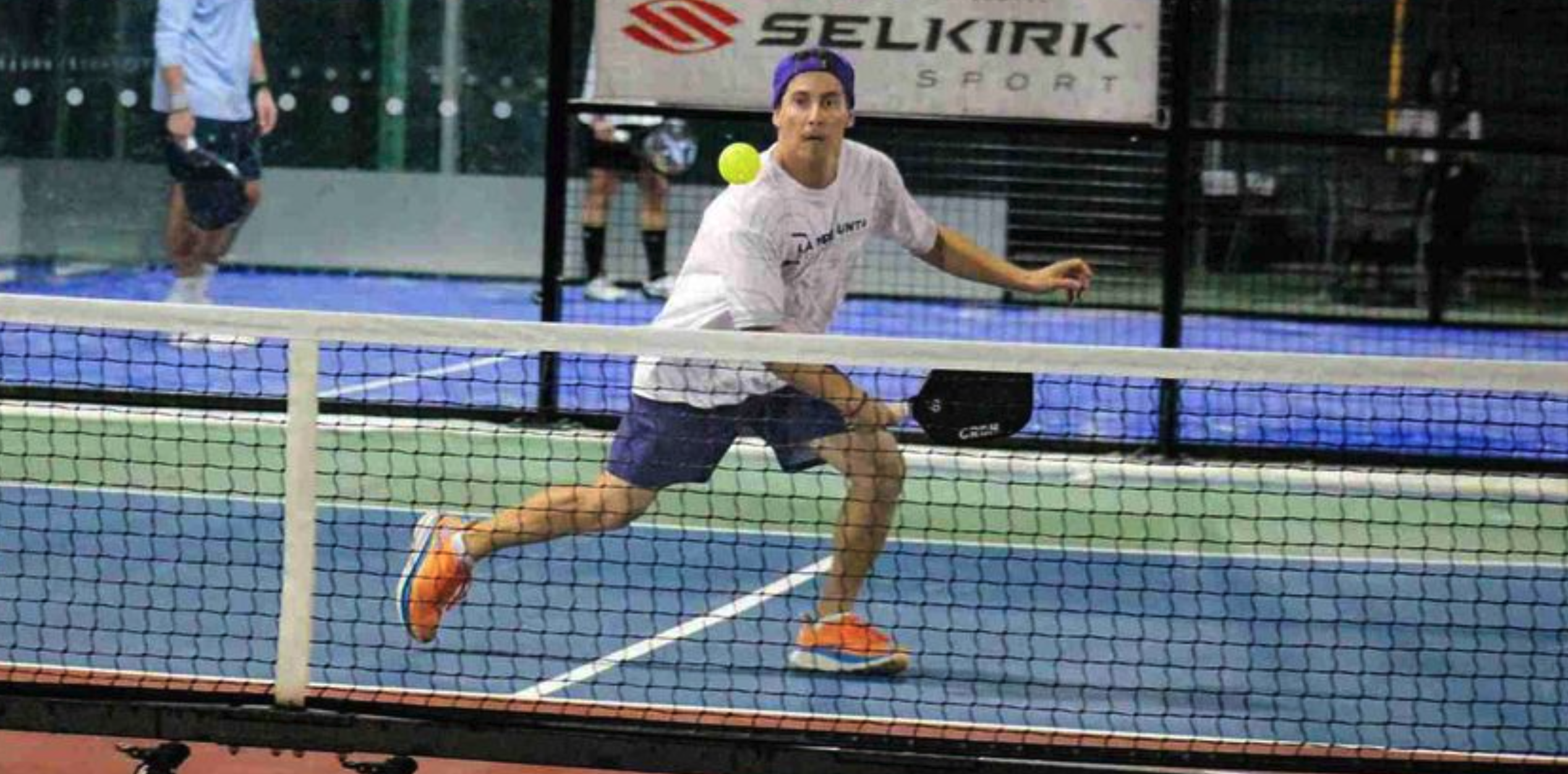
Most players know about foot faults during serves, but few understand the momentum rule. After serving, you cannot allow your forward momentum to carry you into the court before the ball bounces on the opponent's side.
This means if you step forward during your serve motion, you must control your momentum and not continue moving toward the net. Many aggressive servers unknowingly commit this fault, especially when putting extra power behind their serves.
Rule #2: The Hidden Kitchen Line Fault
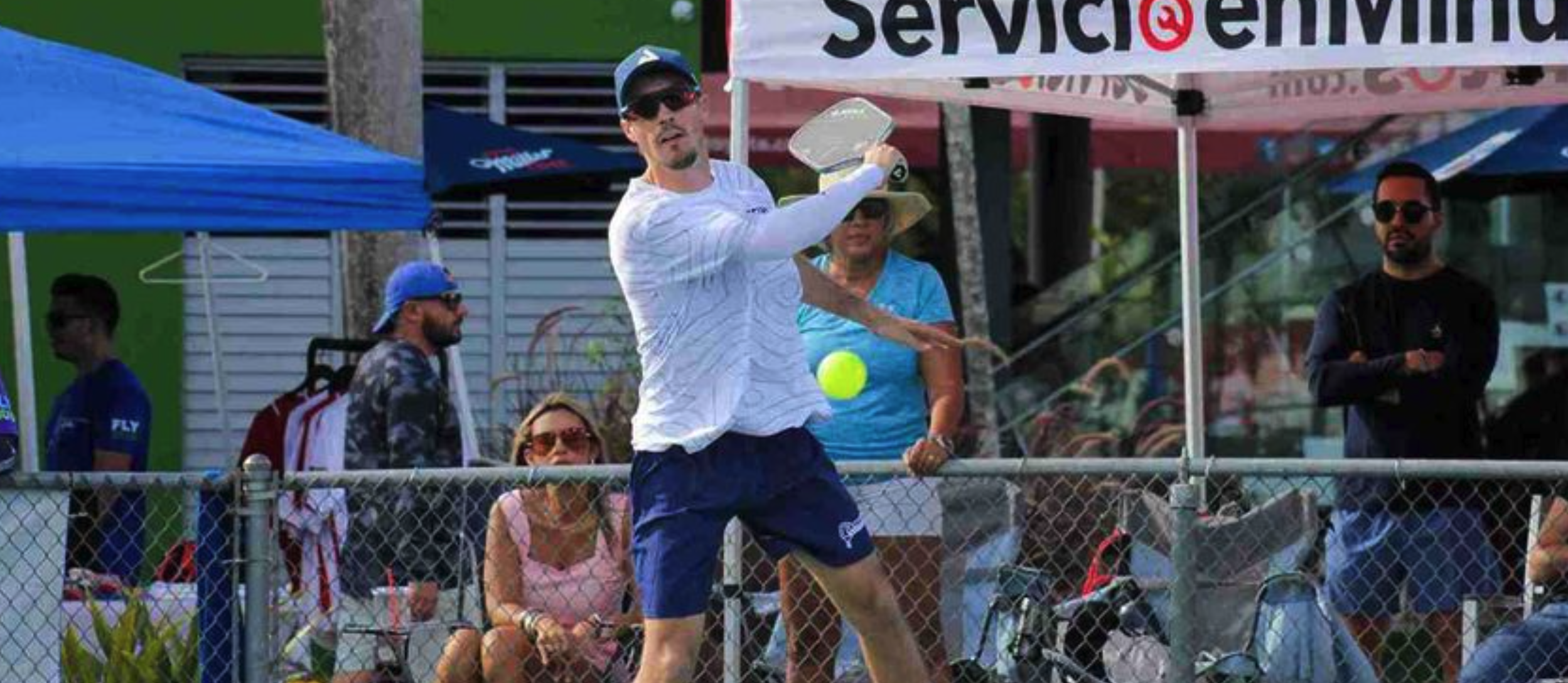
Everyone knows you can't volley in the non-volley zone, but there's a subtler violation many miss. If any part of your body, clothing, or paddle touches the kitchen line or zone after hitting a volley—even if you were outside the zone when you made contact—it's a fault.
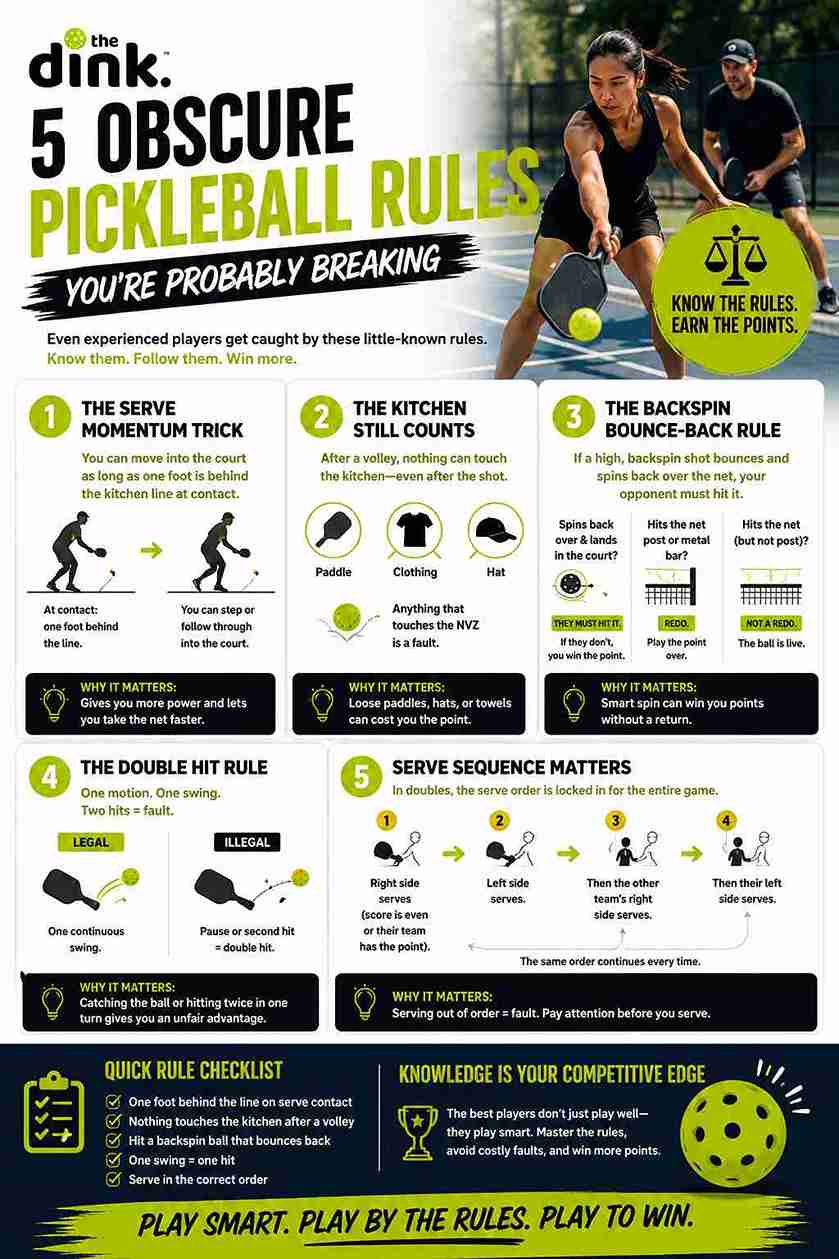
This includes scenarios where your hat falls into the kitchen, your shirt brushes the line, or your momentum carries you forward after a volley. The violation occurs as long as the ball is still in play, not just at the moment of contact.
Rule #3: The Double Bounce Deception
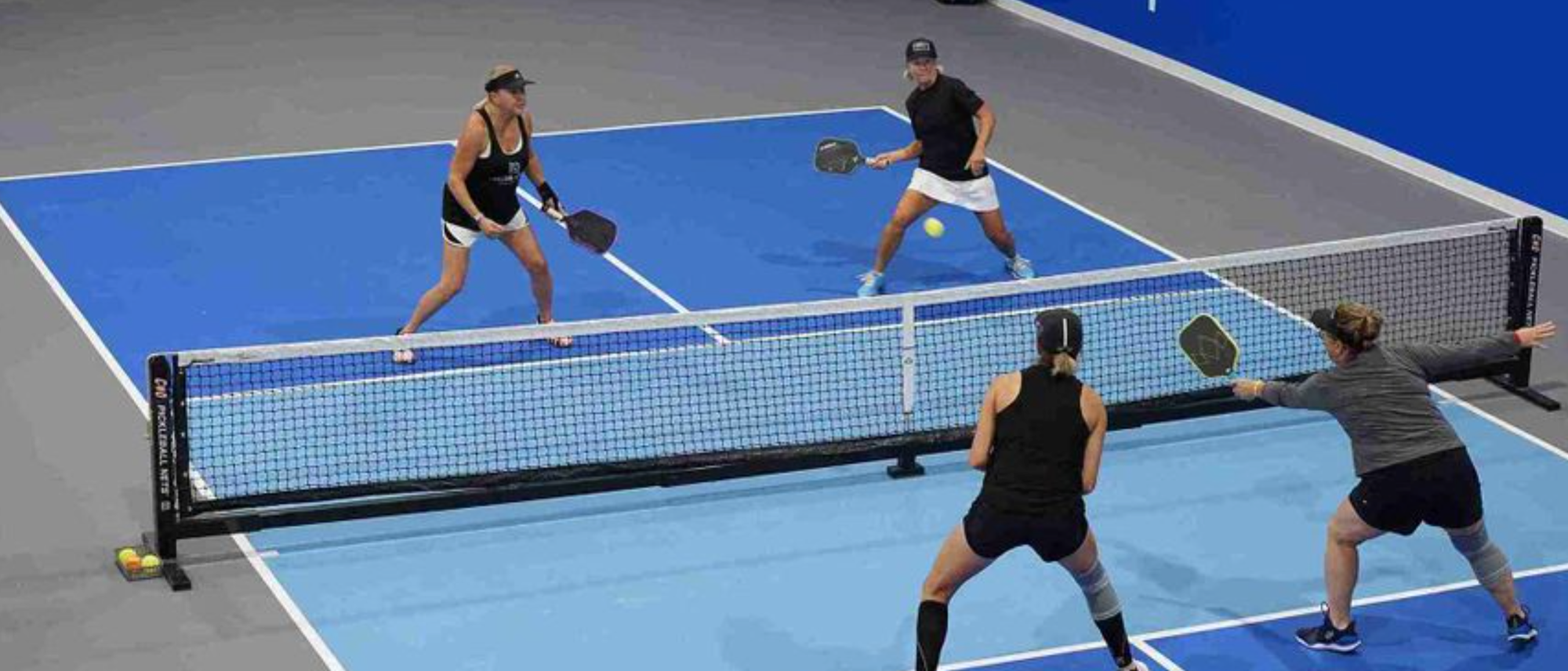
While most players understand the two-bounce rule basics, they miss the nuanced timing aspect. The serving team cannot volley the ball until it has bounced once on each side of the net. However, many players incorrectly assume this resets after each point.
The key detail: both bounces must occur in sequence during the same rally. If the receiving team hits a volley after the serve bounces but before the return bounces on the serving side, it's perfectly legal.
Rule #4: The Carry and Push Gray Area
Distinguishing between a legal shot and an illegal carry or push confuses many intermediate players. The ball must be struck cleanly without being carried on the paddle face or pushed with a prolonged contact.
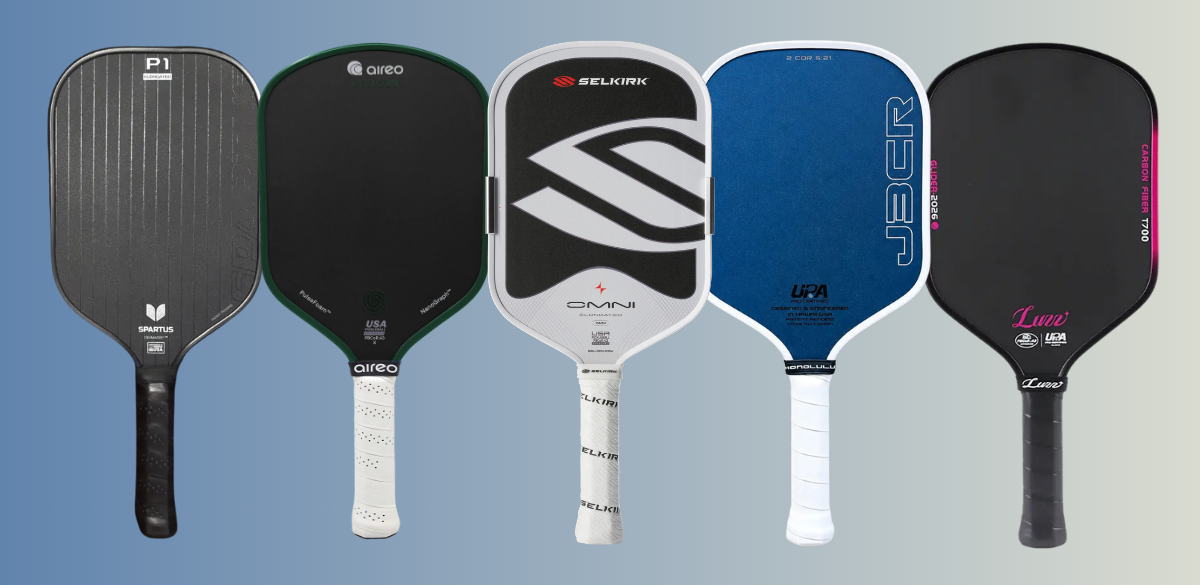
Modern paddle technology has made this more complicated. Textured paddle surfaces can create more spin but also increase the risk of carrying violations. The general guideline: if the ball changes direction significantly while in contact with your paddle, it's likely a carry.
Rule #5: The Service Let Misconception
Unlike tennis, pickleball has very limited situations where a "let" is called. Many players incorrectly assume they can replay a serve if it clips the net and lands in the proper service court.
In pickleball, a serve that touches the net and lands in the correct service area is played as a live ball—there's no let call. The only service lets occur when the ball hits the net and lands in the non-volley zone or when there's an external interference during the serve.
Why These Rules Matter
Understanding these subtle regulations provides several advantages. First, you'll avoid losing points to violations you didn't know existed. Second, you can educate opponents who commit these faults, building goodwill and improving overall game quality.
Most importantly, rule mastery demonstrates court maturity and helps you transition from recreational play to more competitive environments where officials strictly enforce all regulations.
Implementing Rule Knowledge
Start by practicing these rules during casual games. Ask experienced players or certified referees to watch for violations during practice sessions. Many local clubs offer rules clinics that cover these advanced topics in detail.
Remember that rule knowledge must be paired with good sportsmanship. Use your understanding to help other players learn, not to gain unfair advantages through technicalities.
Frequently Asked Questions
Can I call these violations on my opponents during recreational play?
While you can technically call rule violations, it's better to educate players about these rules in a friendly manner during recreational games. Save strict enforcement for tournament play or when specifically requested by all players.
Are these rules enforced differently at various skill levels?
Official rules remain consistent across all levels, but enforcement may be more relaxed in beginner-friendly environments. However, as you advance to competitive play, expect strict adherence to all regulations, including these obscure ones.
How often do these violations actually occur in games?
These violations happen more frequently than most players realize. The momentum and kitchen line faults are particularly common among aggressive players, while the service misconceptions affect players transitioning from other racquet sports.