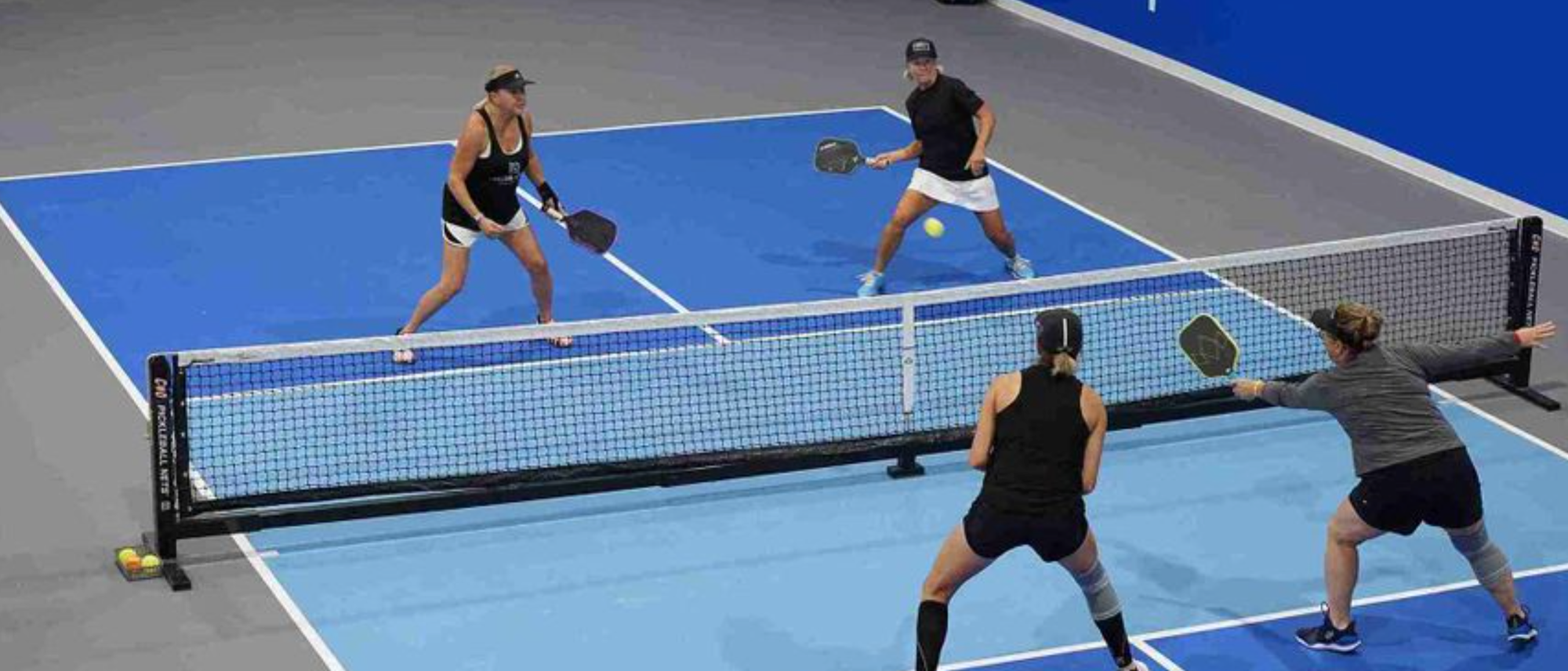
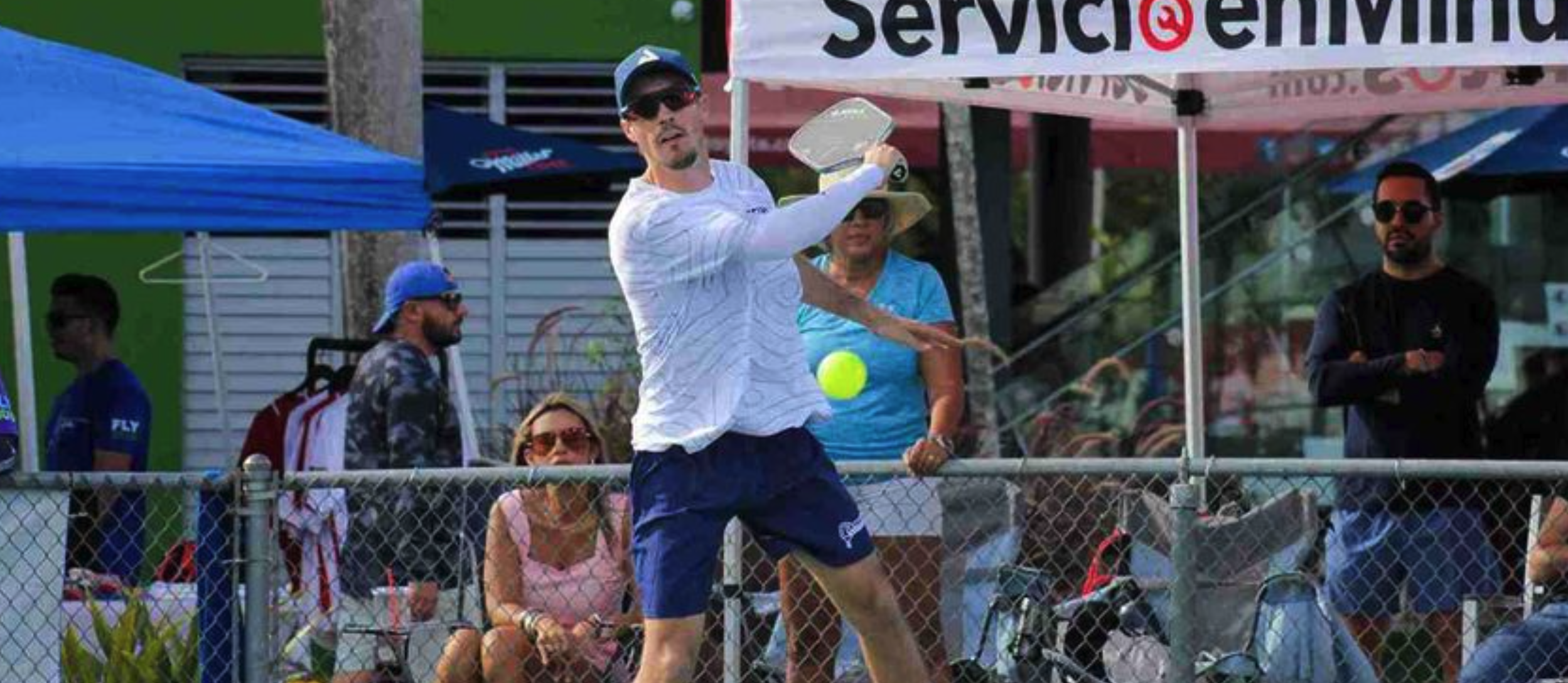
The difference between intermediate and advanced pickleball players isn't just power or placement—it's the ability to stay calm under pressure and execute a perfect reset when opponents unleash aggressive attacks at the kitchen line.
When hard-driven balls come screaming toward you at the non-volley zone, your response determines whether you maintain control of the point or hand it over on a silver platter. The reset shot is your defensive lifeline, transforming aggressive attacks into neutral rallies where you can regain the upper hand.
Why Most Players Fail Under Kitchen Pressure
Recreational players typically make three critical errors when facing aggressive kitchen attacks:
- Panic swinging: They attempt to match power with power, leading to unforced errors
- Poor body positioning: They fail to get their paddle in the optimal position quickly enough
- Timing mistakes: They rush their response instead of letting the ball come to them
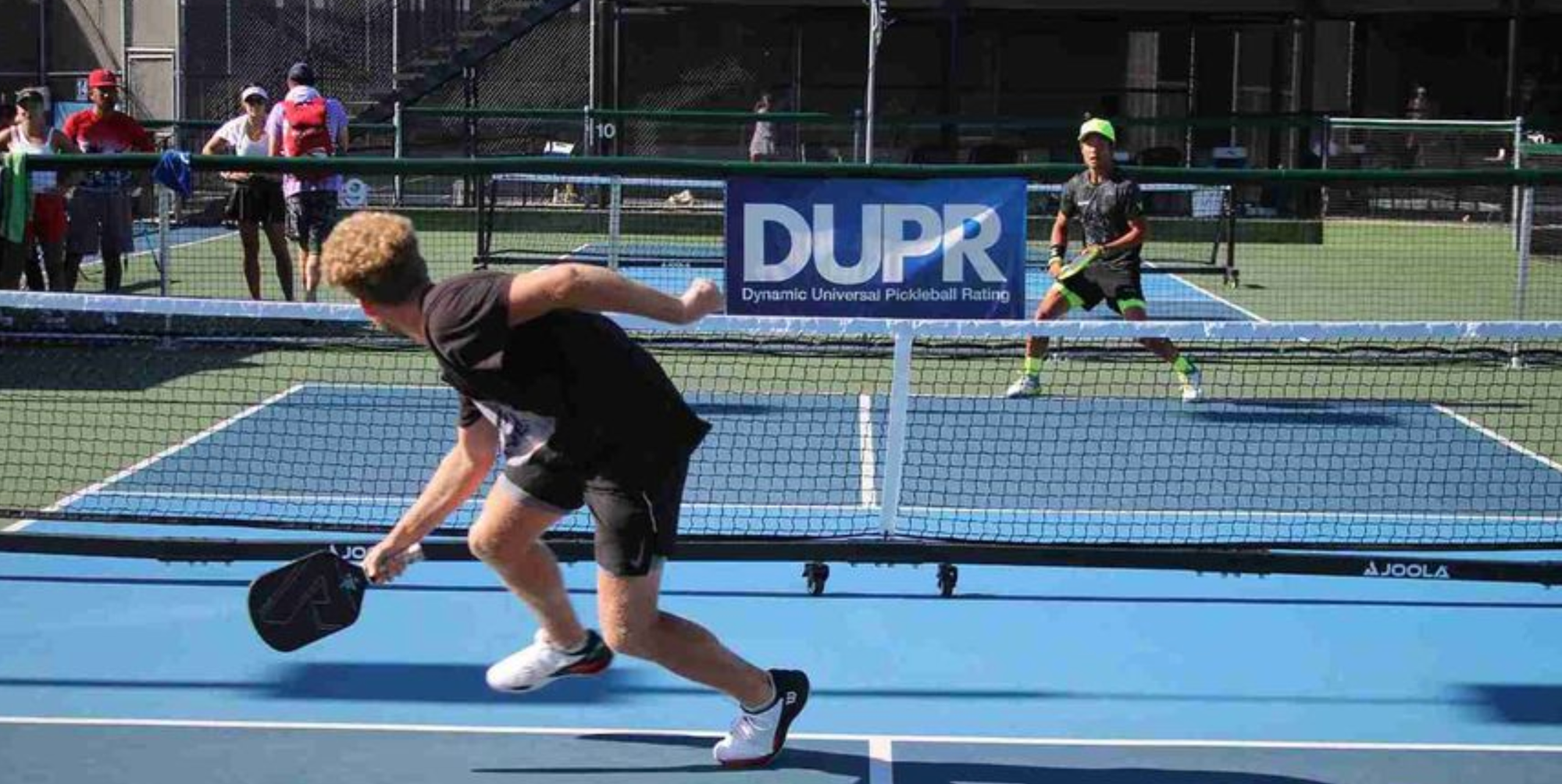
These mistakes compound under pressure, creating a cycle where aggressive opponents continue attacking because they know they'll get weak returns or outright errors.
Essential Reset Techniques for Kitchen Defense
The Soft Block Reset
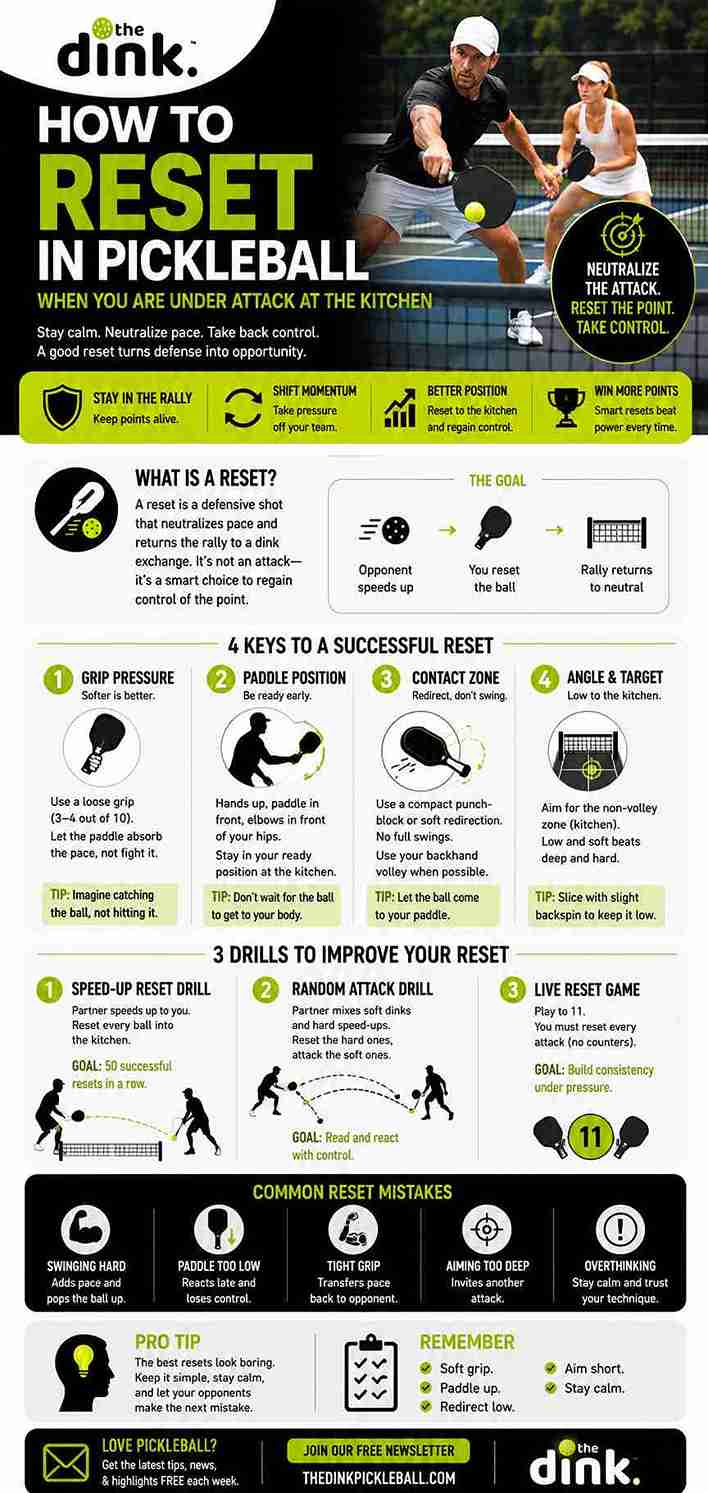
This fundamental technique involves absorbing the ball's pace rather than adding to it. Position your paddle face slightly open and let the ball hit it with minimal forward motion. The key is maintaining a firm grip while allowing your wrist to stay relaxed, creating a cushioning effect that drops the ball softly into your opponent's kitchen.
The Drop Reset
When you have slightly more time, execute a controlled drop reset by creating a gentle arc that lands the ball in the opponent's non-volley zone. Focus on lifting the ball just enough to clear the net while maintaining a soft touch that prevents your opponents from attacking again immediately.
The Cross-Court Reset
Angle your reset cross-court to create additional margin for error and force your opponents to move laterally. This technique is particularly effective against teams that position themselves for straight-ahead attacks, as it disrupts their offensive positioning.
Footwork and Body Positioning Fundamentals
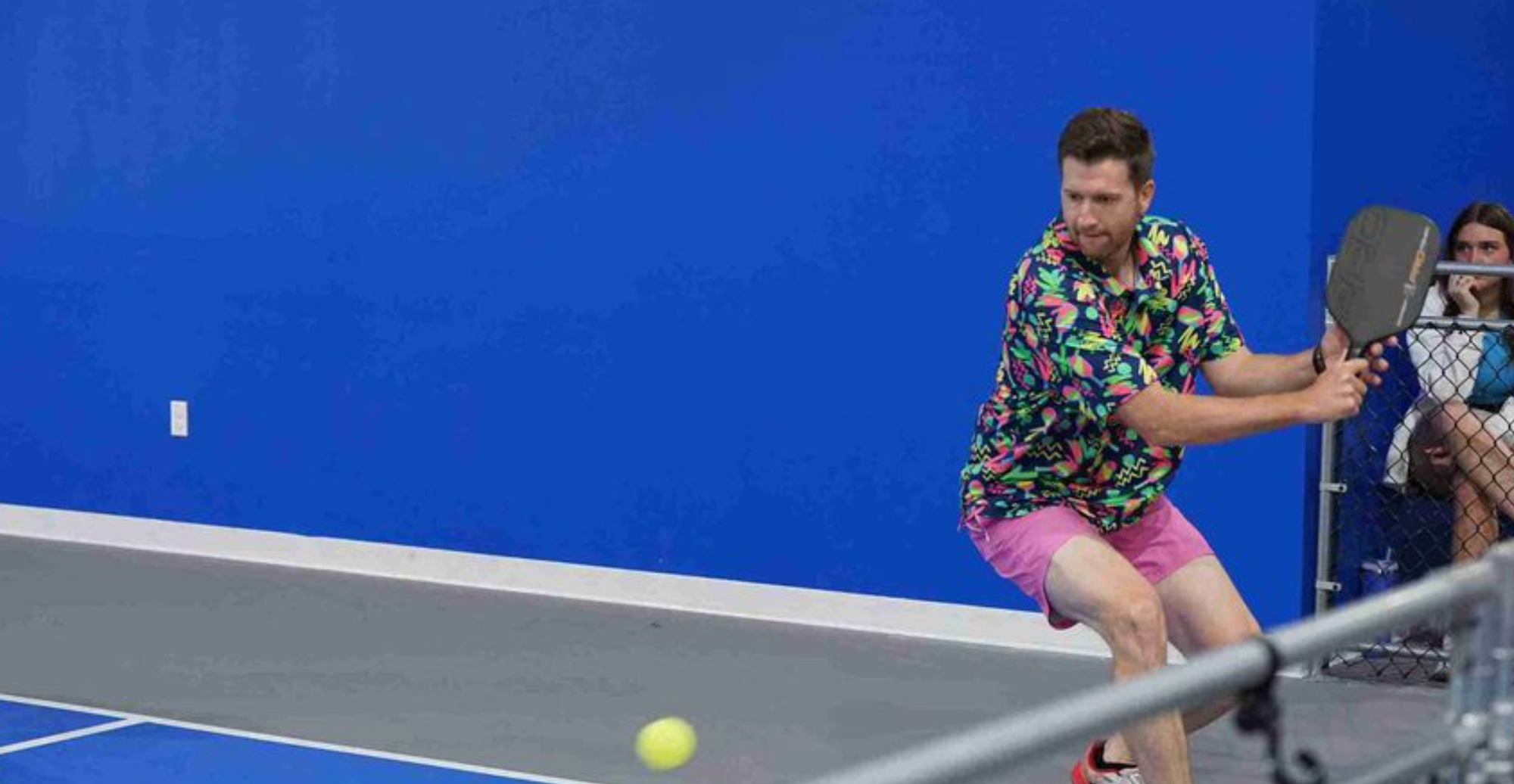
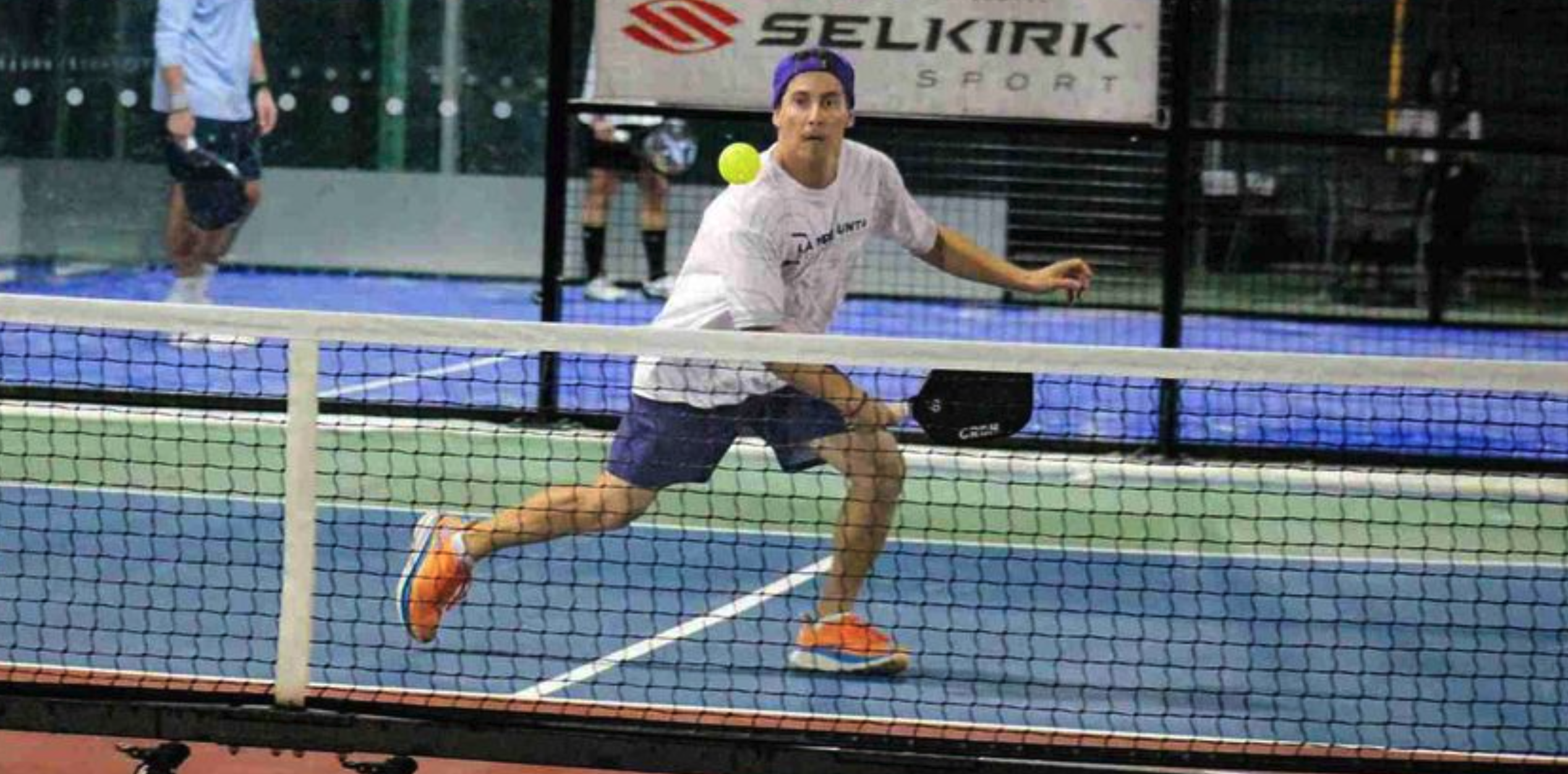
Successful resets start with proper preparation before the ball arrives. Keep your feet active and maintain a slight forward lean that allows you to move quickly in any direction. Your paddle should be positioned at chest level with both hands on the grip for maximum control.
When the attack comes, step into the shot rather than backing away. This forward movement helps you maintain balance and control while giving you better leverage to execute the reset with precision.
Mental Strategies for High-Pressure Situations
The psychological aspect of resetting under attack is often overlooked but equally important. Develop a pre-shot routine that keeps you calm and focused:
- Take a deep breath between points
- Visualize successful resets before they're needed
- Focus on process rather than outcome
- Maintain positive body language even after mistakes
Practice Drills to Master Your Reset
Improvement requires deliberate practice under simulated pressure conditions. Set up drills where a partner feeds you increasingly aggressive shots while you focus solely on executing clean resets. Start with moderate pace and gradually increase the intensity as your technique solidifies.
Practice resetting from different positions along the kitchen line, as attacks rarely come from the same angle twice. Work on both forehand and backhand resets to ensure you're prepared regardless of where the ball is directed.
Common Reset Mistakes to Avoid
Even players who understand reset theory often struggle with execution. Avoid these frequent errors:
- Gripping the paddle too tightly, which reduces touch and feel
- Attempting resets when offensive shots are better options
- Failing to follow through completely on the reset motion
- Neglecting to recover quickly after executing the reset
Frequently Asked Questions
When should I reset versus trying an offensive shot?
Reset when the ball is below net level, coming at you with significant pace, or when you're out of position. Attempt offensive shots only when you're balanced, the ball is above net level, and you have a clear target.
How do I practice resets without a partner?
Use a ball machine or practice wall to simulate attacking shots. Focus on paddle face control and soft hands while working on your footwork and positioning fundamentals.
What's the biggest mistake intermediate players make with resets?
They try to do too much with the shot instead of simply neutralizing the attack. The goal is to take pace off the ball and reset the rally, not to immediately win the point.