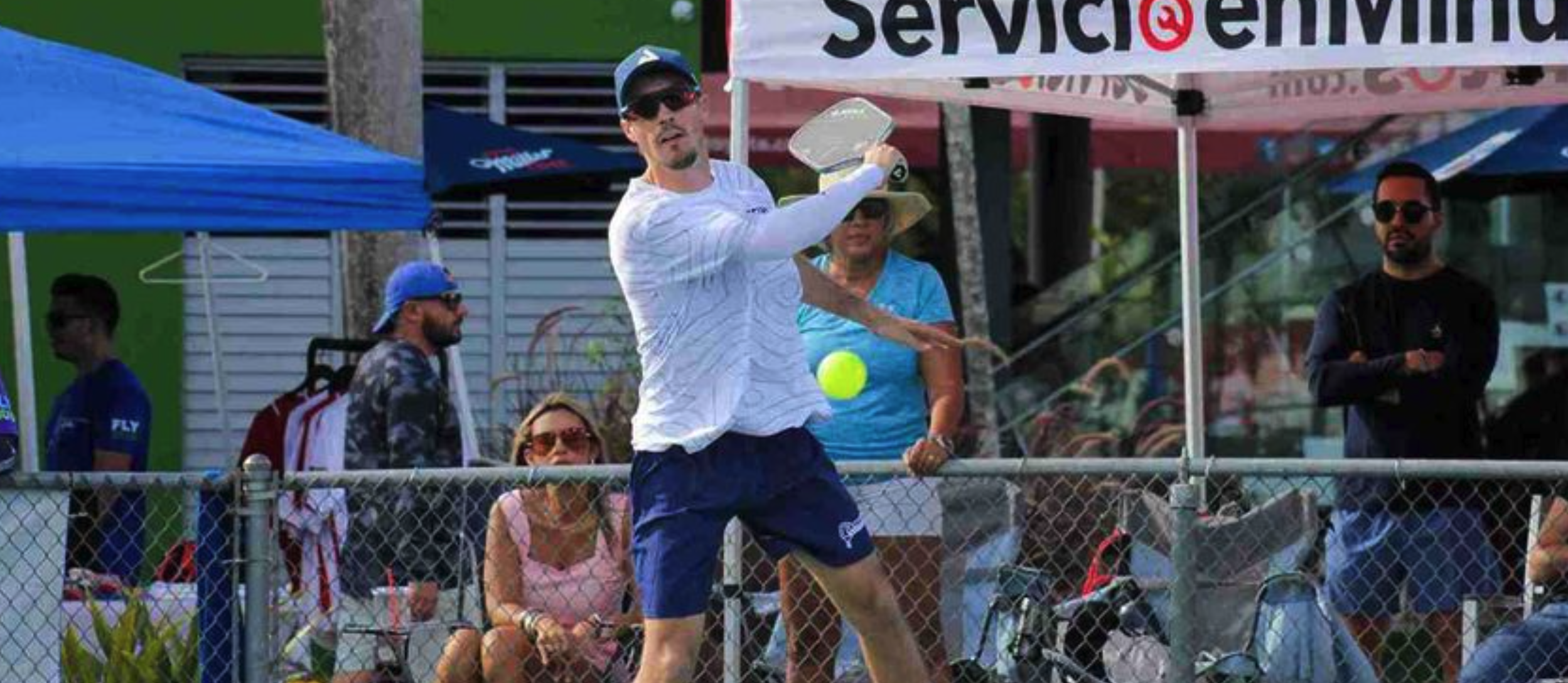
Strategic poaching in pickleball doubles can transform you from a passive net player into a dominant court presence. This aggressive tactic, when executed properly, creates immediate pressure and can shift match momentum in your favor.
Understanding the Pickleball Poach
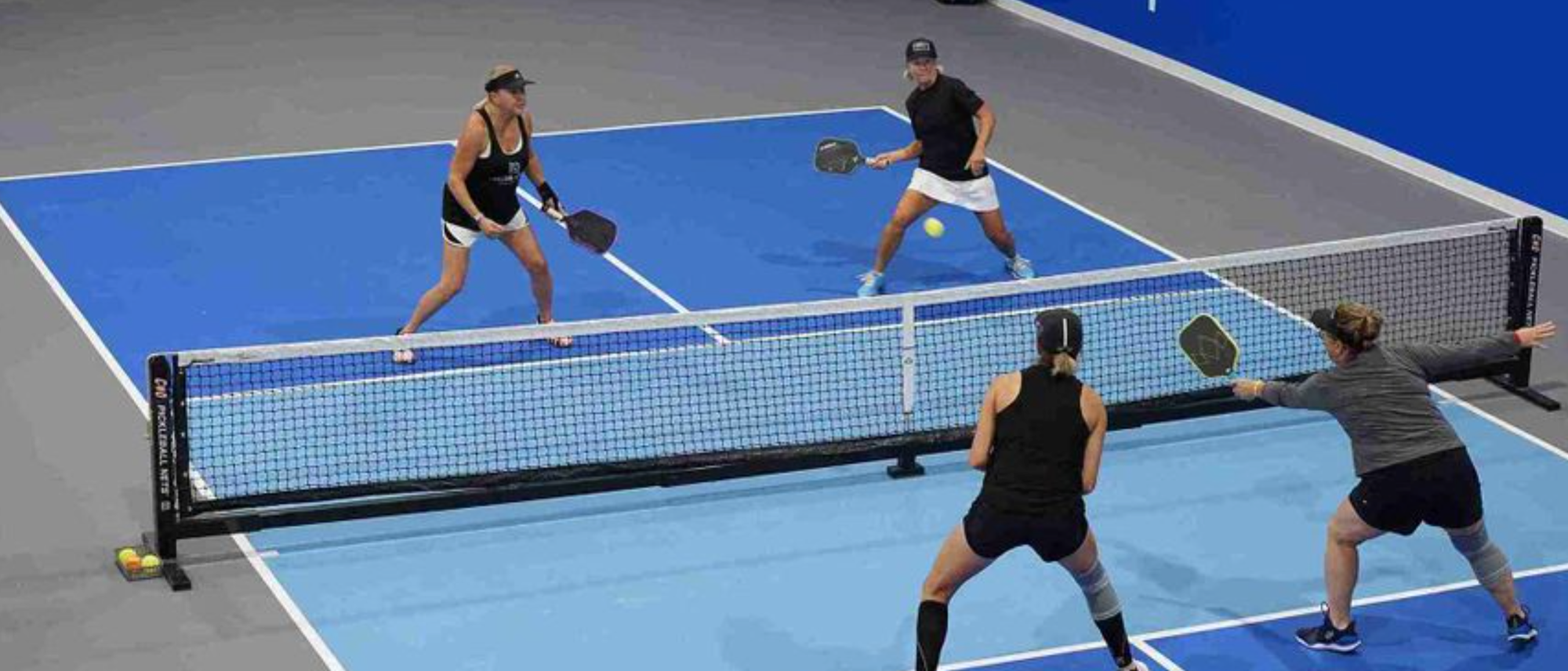
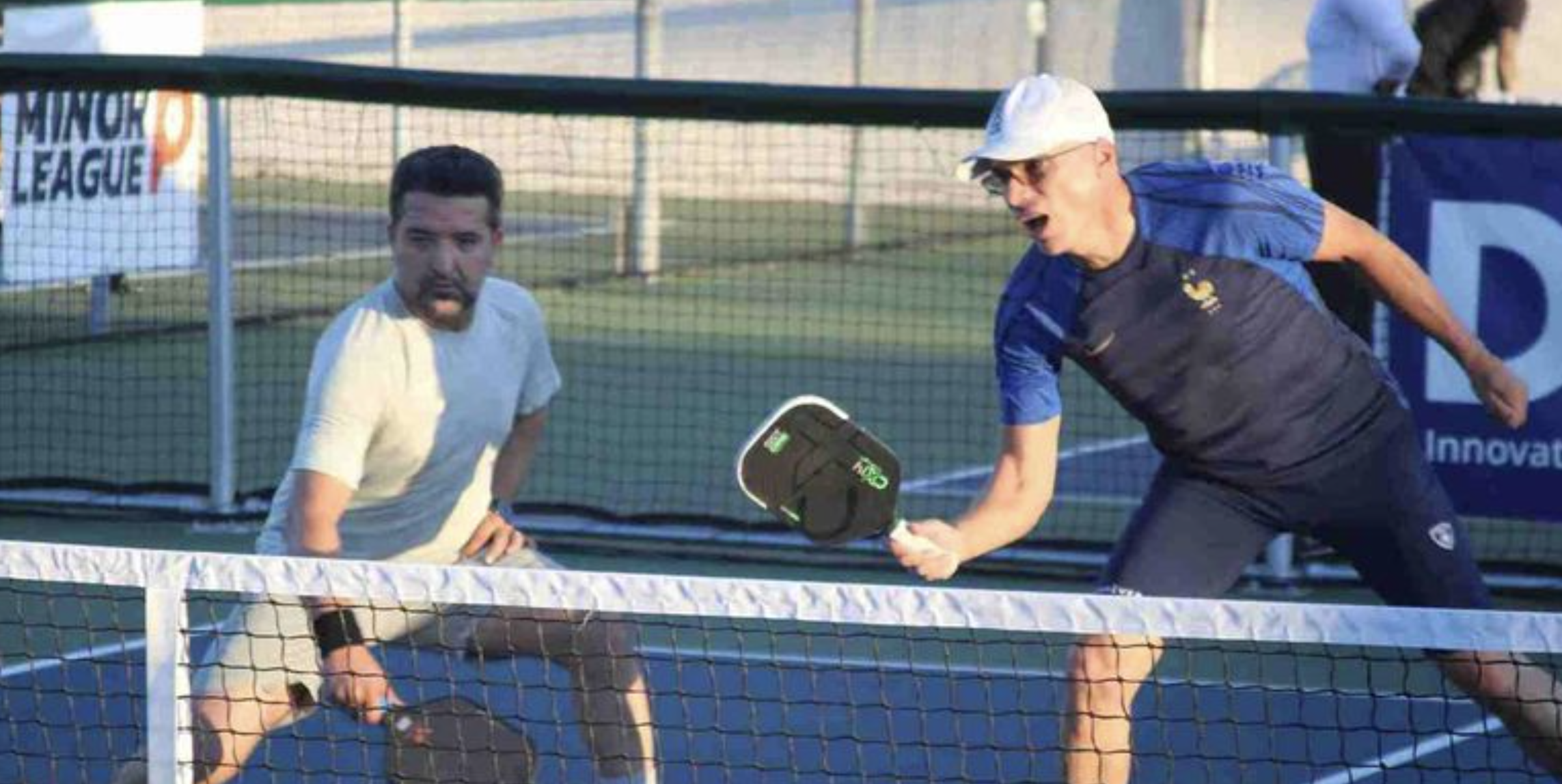
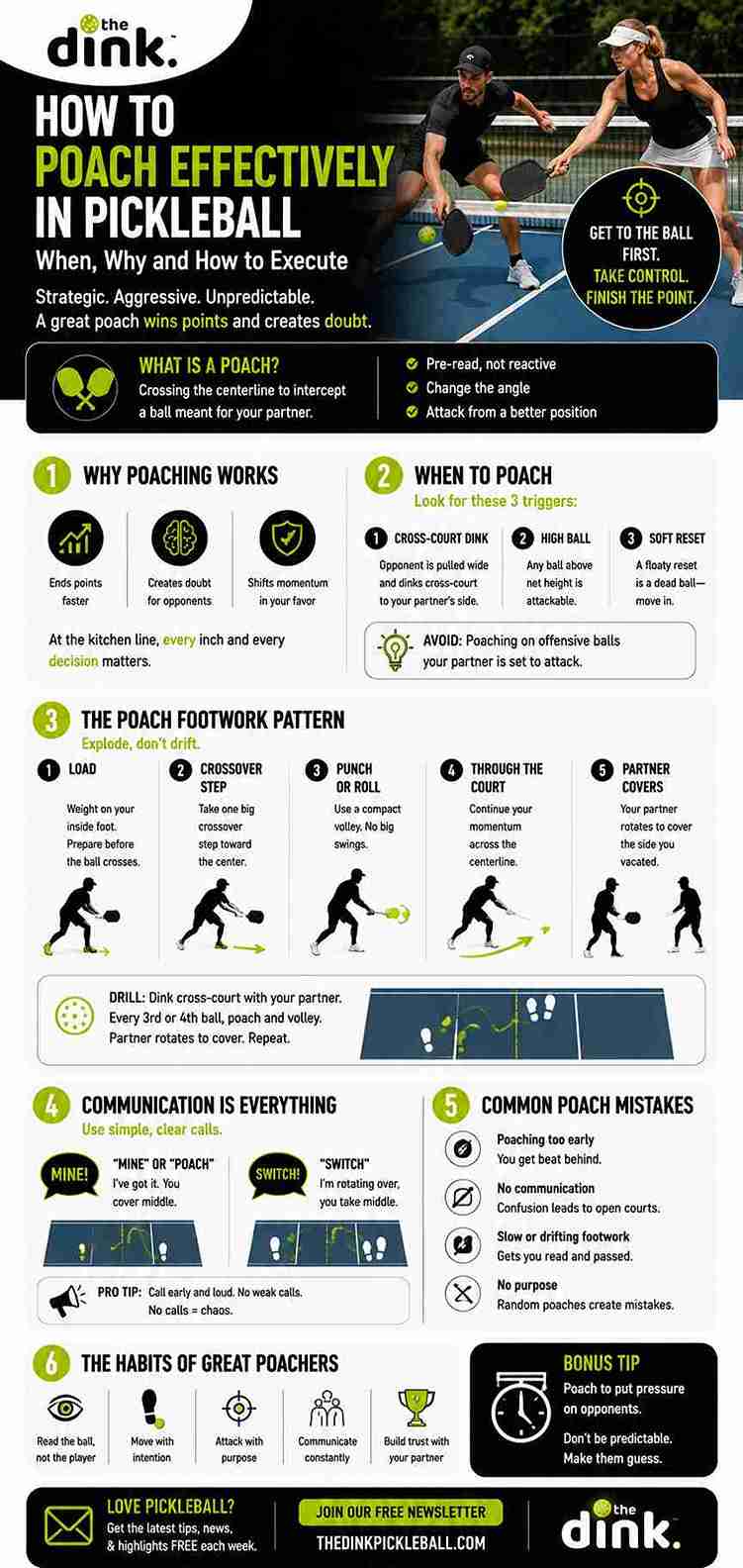
A poach occurs when the net player intercepts a ball intended for their partner, typically crossing into their partner's territory to make an aggressive volley or put-away shot. This move requires split-second timing and clear communication to avoid leaving your court vulnerable.
The key difference between successful and failed poaches lies in execution strategy. Champions don't guess—they read opponent patterns, communicate with partners, and strike with precision timing.
When to Execute Your Poach
Prime Poaching Opportunities
The most effective poaches happen during predictable opponent responses. Watch for these scenarios:
- Third shot drops: When opponents attempt cross-court drops, anticipate the trajectory and move early
- Defensive returns: Players under pressure often hit predictable cross-court shots
- High balls: Any shot that gives you time to read and react offers poaching potential
- Opponent tendencies: After observing patterns, capitalize on habitual shot selections
Reading Body Language
Successful poaching requires reading opponent preparation. Watch their paddle angle, body positioning, and follow-through direction. Players often telegraph their intentions through subtle movements before contact.
Poaching Footwork and Positioning
Proper footwork separates effective poaches from court disasters. Your movement must be explosive yet controlled, allowing quick recovery if needed.
The Setup
Position yourself slightly inside the court from your normal net position. This gives you a head start without completely abandoning your territory. Keep your weight on the balls of your feet, ready to explode in either direction.
The Movement
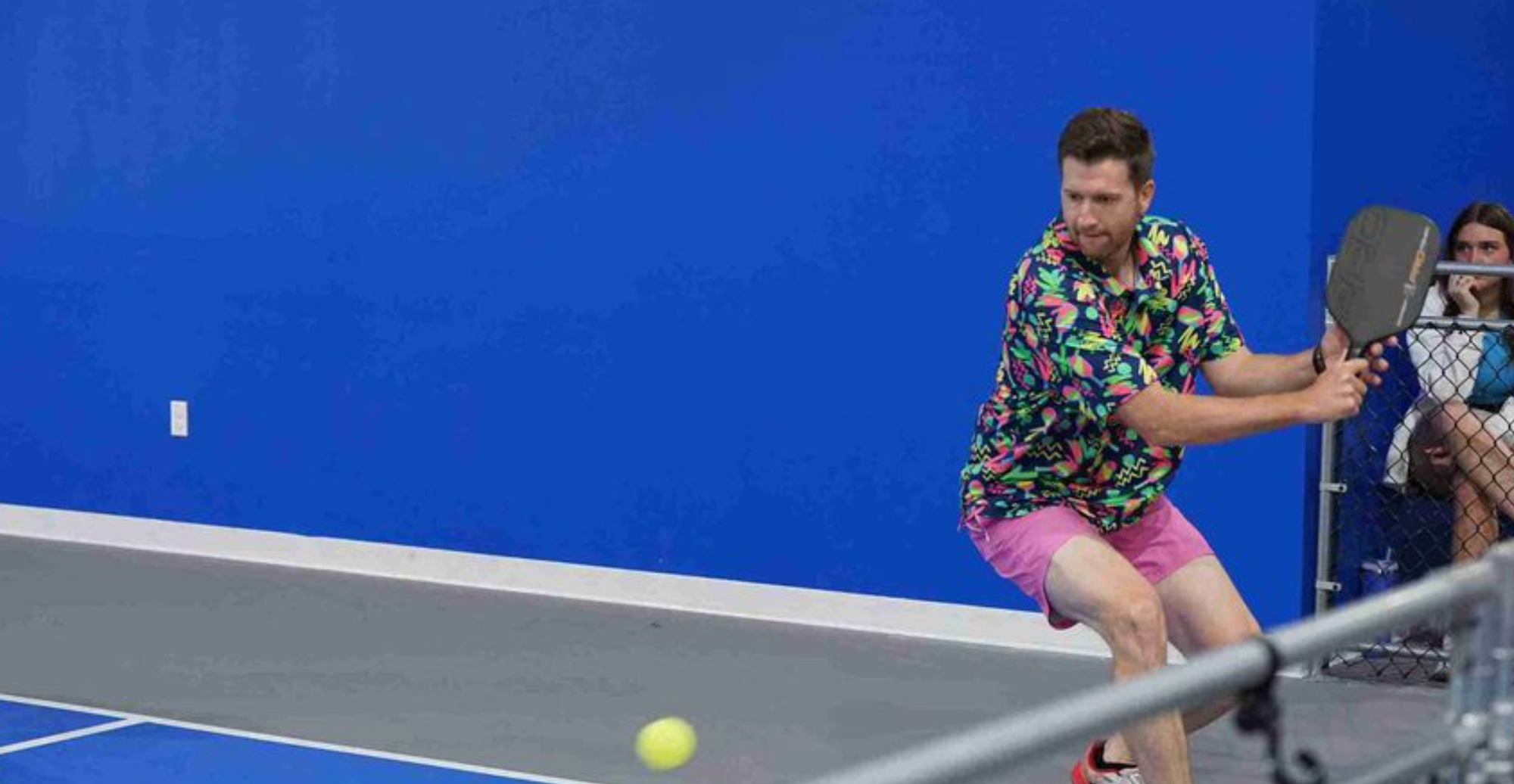
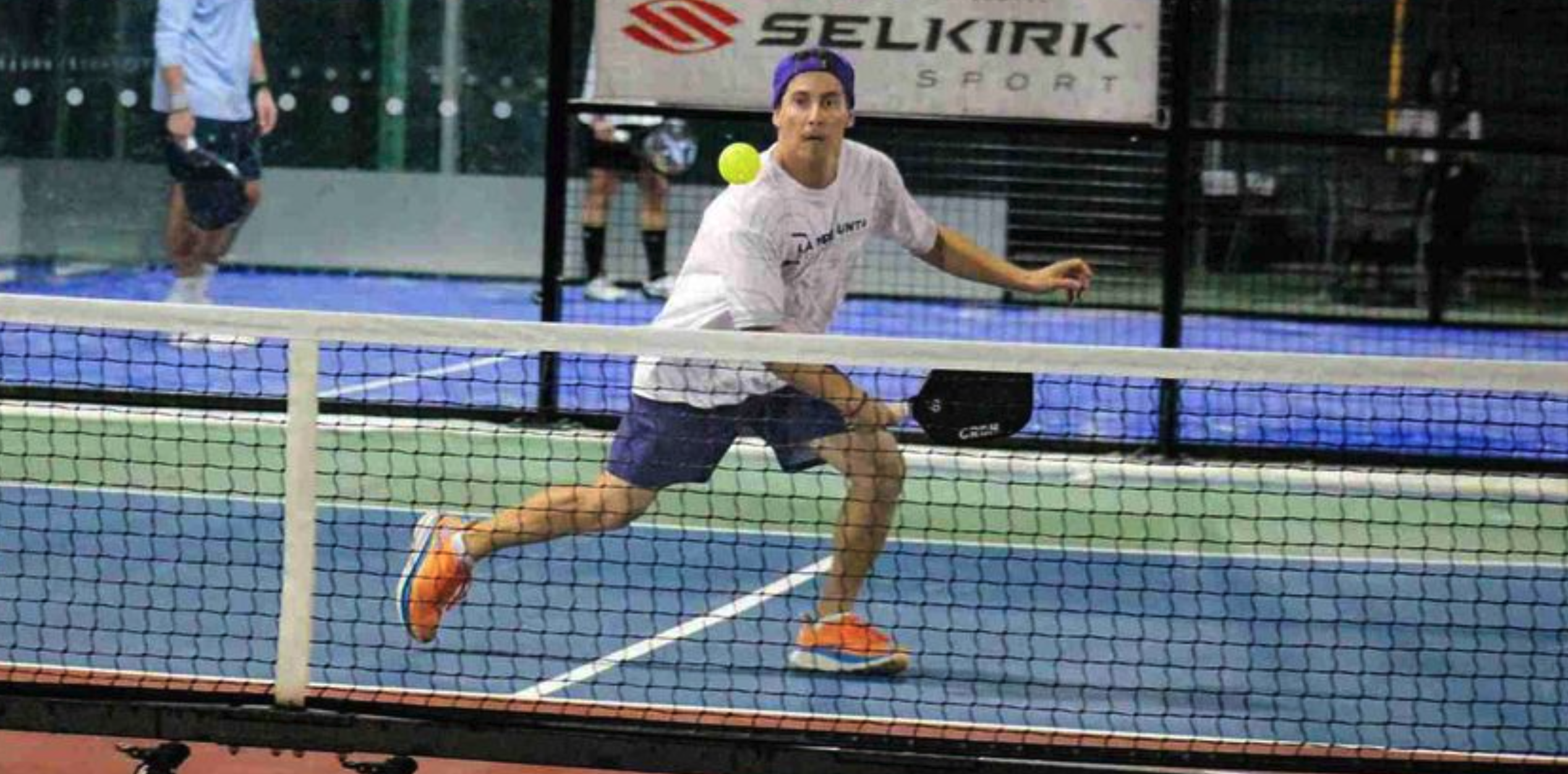
Execute your poach with a strong first step toward the center, followed by a crossover step. Your paddle should be prepared high, ready for an aggressive volley. Commit fully once you begin—hesitation kills poaches.
Communication and Partner Coordination
Successful poaching requires seamless partner coordination. Establish clear signals before matches begin:
- Verbal cues: Simple calls like "switch" or "mine" during play
- Hand signals: Behind-the-back gestures indicating poach intentions
- Visual communication: Make eye contact and nod to confirm understanding
Your partner must understand their role: when you poach, they immediately shift to cover your abandoned territory. Practice these switches during drills to build automatic responses.
Advanced Poaching Strategies
The Fake Poach
Sometimes the threat of poaching is more effective than actually poaching. Take a step toward center, then quickly return to position. This movement can disrupt opponent timing and create future opportunities.
Pattern Recognition
Elite players develop poaching based on opponent patterns rather than individual shots. Track where opponents typically hit from specific court positions and anticipate accordingly.
Common Poaching Mistakes to Avoid
Poor poaching can cost points and momentum. Avoid these critical errors:
- Telegraph intentions: Moving too early alerts opponents to change direction
- Incomplete commitment: Hesitating mid-poach leaves both sides of court vulnerable
- Poor timing: Moving before reading shot direction results in wrong-way movement
- Lack of communication: Leaving partners confused about court coverage
Practice Drills for Better Poaching
Develop poaching skills through targeted practice. Set up cross-court feeding drills where you practice reading and intercepting. Work with your regular partner to establish timing and communication rhythms.
Start with predictable feeds, then progress to random directions. Build confidence through repetition before attempting poaches in competitive play.
FAQ
How do I know when my poach timing is correct?
Proper timing allows you to intercept balls while maintaining forward momentum for aggressive shots. If you're reaching or stretching desperately, you've moved too late. If opponents easily change direction, you've moved too early.
What should my partner do when I poach?
Your partner should immediately shift to cover your normal court position, particularly the line shot. They must be ready to defend any shots hit behind your poach attempt and should communicate clearly about court coverage.
How often should I poach during a match?
Effective poaching frequency depends on opponent tendencies and match situations. Use it strategically rather than constantly—the threat of poaching can be as valuable as actual poaches. Start conservatively and increase frequency as you read opponent patterns successfully.