The 3.0 pickleball plateau is one of the most frustrating experiences in the sport. You've improved your strokes, your serve is more reliable, and you understand the basic strategies. Yet somehow, you're still losing to the same opponents and watching higher-rated players dominate with seemingly effortless gameplay.
The truth might surprise you: it's likely not your technique that's the problem. Coach Jordan Briones recently analyzed a 3.0 gold medal match and identified exactly why so many intermediate players get stuck at this level.
The Real Problem with 3.0 Play
Most 3.0 players focus heavily on stroke mechanics and power, believing that hitting harder or more consistently will automatically elevate their game. However, Briones' analysis reveals that the gap between 3.0 and 3.5+ players lies primarily in five strategic and tactical areas that have little to do with raw technique.
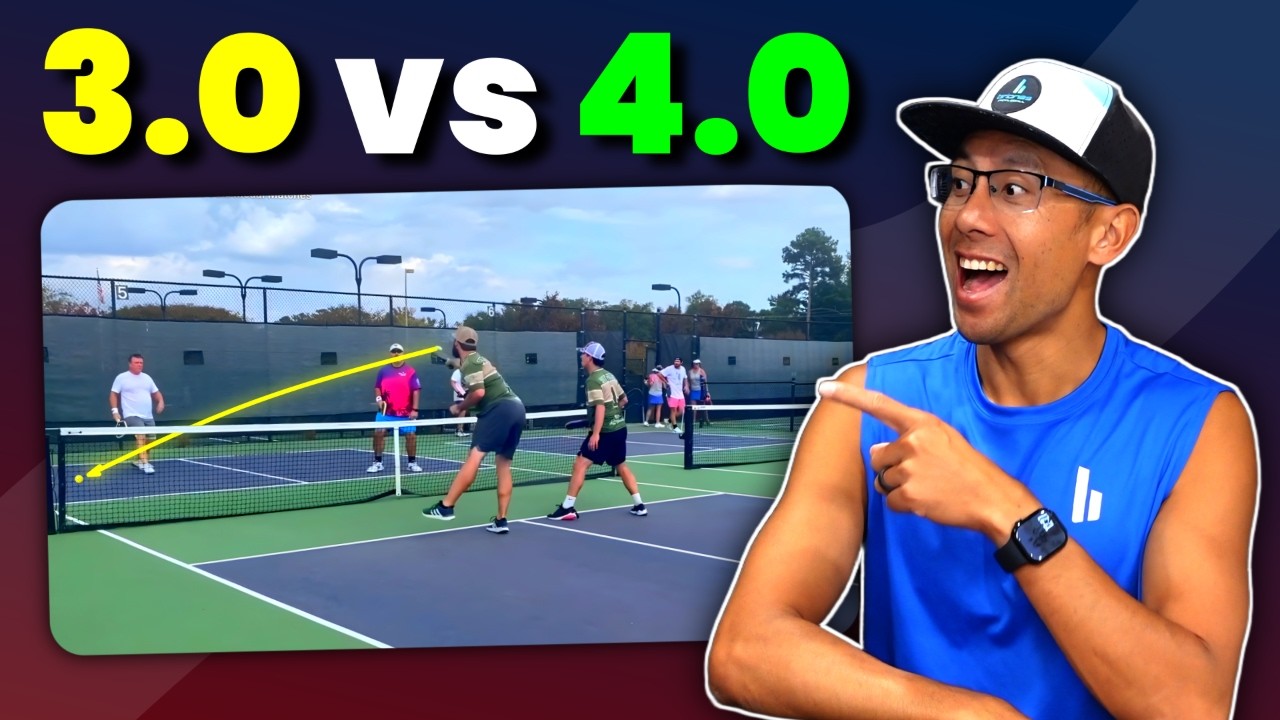
"I see players with beautiful strokes who can't break through to 3.5 because they're missing these fundamental concepts," explains Briones. "Meanwhile, players with less polished technique but better understanding of these areas advance much faster."
The Five Critical Areas Holding You Back
1. Court Positioning and Movement Patterns
Most 3.0 players position themselves reactively rather than strategically. They chase the ball instead of anticipating where they need to be. Advanced players move with purpose, always considering their next two shots rather than just the current one.

The Fix: Start thinking in terms of recovery position after every shot. Ask yourself: "Where should I be for the most likely return?" This simple shift in mindset can dramatically improve your court coverage.
2. Shot Selection Under Pressure
When points get intense, 3.0 players often default to their most comfortable shots regardless of the tactical situation. This predictability makes them easy to exploit for higher-level opponents who recognize patterns quickly.
The Fix: Practice uncomfortable shots during drilling sessions. Develop at least two reliable options from every position on the court, so you're not telegraphing your intentions.
3. Third Shot Strategy
The third shot is where many 3.0 players lose points before the rally even develops. They either attempt low-percentage attacking shots or hit defensive shots without proper placement, giving opponents easy putaways.

The Fix: Master the third shot drop with consistent depth and placement. Focus on neutralizing the point rather than winning it outright. Your goal is to get to the net safely, not to hit winners from the baseline.
4. Dink Game Fundamentals
While 3.0 players can usually sustain basic dink rallies, they lack the subtle skills that create opportunities. They hit to the same spots repeatedly and miss chances to apply pressure through placement and pace variation.

The Fix: Practice dinking with intention. Work on hitting to specific targets, varying your pace, and recognizing when your opponent is out of position. The dink game is about patience and precision, not just consistency.
5. Mental Game and Point Construction
Perhaps most importantly, 3.0 players often lack a clear strategy for how to win points. They play reactively, hoping their opponents will make mistakes rather than actively constructing points to create those mistakes.
The Fix: Develop a point-winning strategy. Learn to identify your opponents' weaknesses early in matches and systematically exploit them. Practice patterns that force opponents into uncomfortable positions.
Putting It All Together
Breaking through the 3.0 barrier requires a shift from technique-focused practice to strategy-focused development. While continuing to refine your strokes is important, dedicating time to these five areas will yield faster results.
Start by focusing on one area at a time. Master court positioning before moving to shot selection. Build a reliable third shot before advancing your dink strategy. This systematic approach ensures you're building a solid foundation rather than developing gaps in your game.
Remember, the jump from 3.0 to 3.5 isn't about hitting perfect shots – it's about making smarter decisions and understanding the tactical elements that separate recreational players from competitive ones.
Frequently Asked Questions
How long does it typically take to advance from 3.0 to 3.5?
With focused practice on these five areas, most dedicated players can make the jump in 3-6 months. The timeline depends on how often you play and whether you're addressing the right areas rather than just practicing technique.
Should I focus on all five areas simultaneously or work on them one at a time?
It's more effective to focus on one area for 2-3 weeks before moving to the next. This allows you to develop muscle memory and decision-making patterns without overwhelming yourself with too many changes at once.
What's the most important area for 3.0 players to improve first?
Court positioning and movement patterns typically provide the biggest immediate impact. Better positioning makes every other aspect of your game easier and more effective.