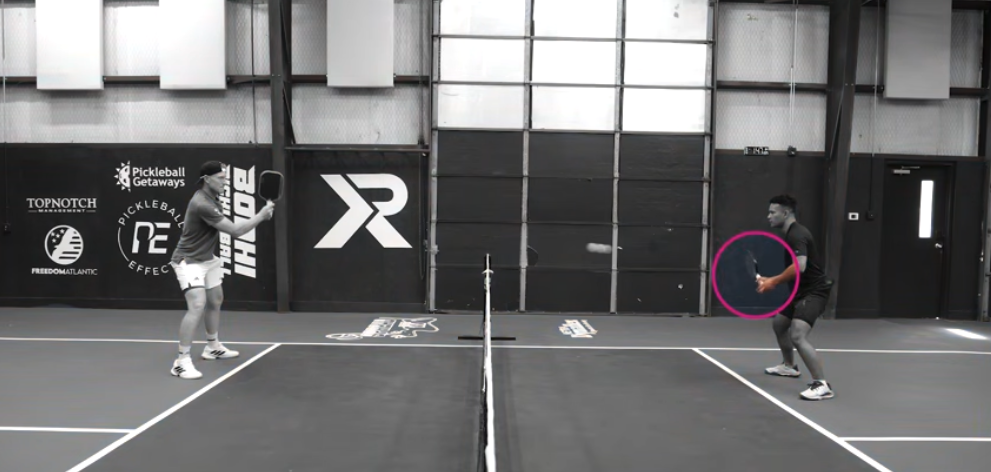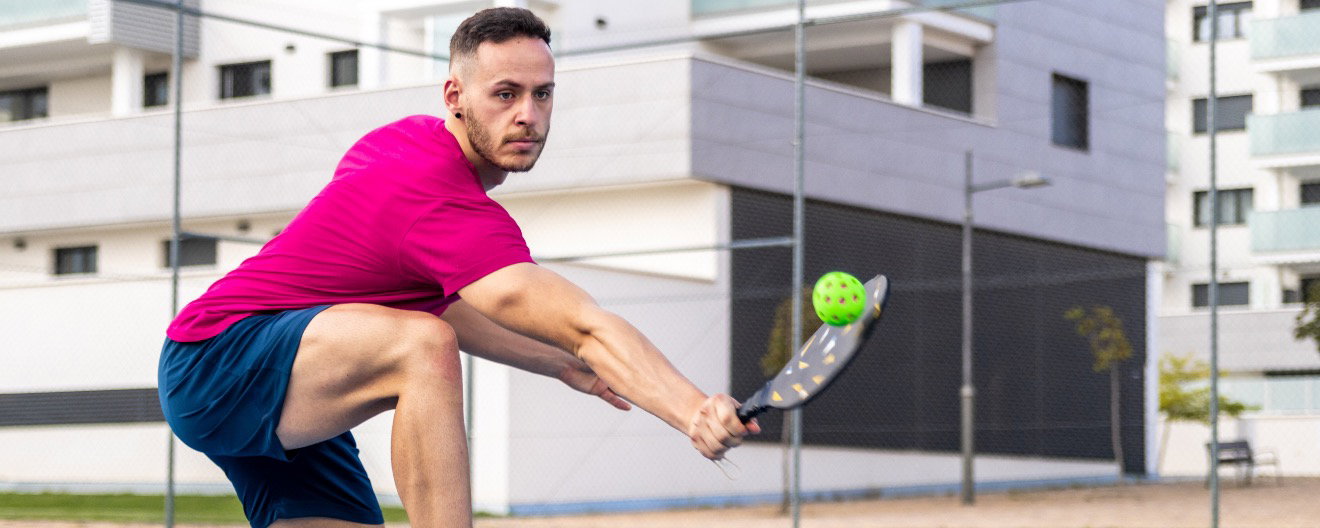
Pickleball elbow has become one of the most common injuries plaguing players at every skill level. This overuse condition, medically known as lateral epicondylitis, occurs when the tendons connecting your forearm muscles to your elbow become inflamed from repetitive stress. The encouraging news? With the right approach to technique, equipment, and training, you can significantly reduce your risk of developing this painful condition.
Master Your Swing Mechanics
The foundation of elbow injury prevention lies in proper swing technique. Many players unknowingly create excessive strain by relying too heavily on their wrist and forearm muscles instead of engaging their entire kinetic chain.
Engage Your Core and Shoulders
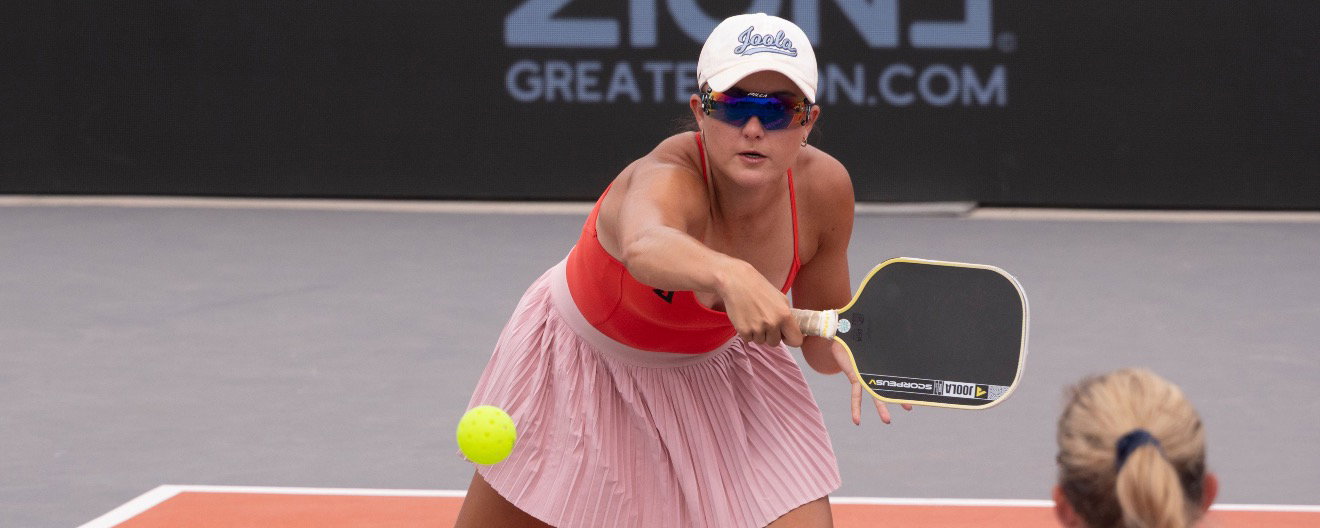
Transform your swing by initiating movement from your core and shoulders rather than your arm alone. This distributes the workload across larger muscle groups, reducing the burden on your elbow joint. Practice shadow swings focusing on rotation through your torso while keeping your arm relatively stable.
Maintain Soft Hands
Grip tension is a silent killer when it comes to elbow health. A death grip on your paddle transmits shock waves directly to your elbow with every ball contact. Instead, hold your paddle with just enough pressure to maintain control – think of holding a small bird that you don't want to escape or injure.
Choose the Right Equipment
Your paddle and grip setup play crucial roles in injury prevention, yet many players overlook these factors until problems arise.
Grip Size Matters
An improperly sized grip forces your forearm muscles to work overtime. Measure your grip size by holding a paddle naturally – there should be about a finger's width of space between your fingertips and palm. Too small requires excessive squeezing; too large causes instability and overcompensation.
Vibration-Dampening Features
Modern paddles offer various technologies to reduce vibration transmission. Look for paddles with vibration-dampening cores or consider adding aftermarket dampeners. Every bit of shock absorption helps protect your tendons from cumulative damage.
Smart Training and Recovery Habits
Prevention extends beyond court time into your overall training and recovery routine.
Gradual Progression
Avoid the weekend warrior trap of playing intensively after periods of inactivity. Gradually increase your playing time and intensity, allowing your tendons to adapt to increased demands. Add 10-15 minutes to your sessions weekly rather than doubling your court time overnight.
Warm-Up Protocol
Always begin with dynamic warm-ups that prepare your entire arm for action. Arm circles, wrist rotations, and gentle stretching activate blood flow and prepare your tendons for the demands ahead. Cold tendons are injury-prone tendons.
Recovery and Strengthening
Incorporate forearm strengthening exercises into your routine, focusing on both flexor and extensor muscles. Eccentric exercises, where you slowly lower weight while your muscle lengthens, are particularly effective for tendon health.
Court Strategy Adjustments
Modify your playing style to reduce repetitive stress on your elbow joint.
Shot Selection
Vary your shot types to avoid repetitive stress patterns. Mix up your drives, drops, and dinks rather than relying heavily on one stroke type. This prevents overuse of specific muscle groups and movement patterns.
Two-Handed Options
Consider using two-handed backhands when possible, especially on defensive shots. This distributes force across both arms and reduces the load on your dominant side.
When to Seek Help
Early intervention is key if you begin experiencing elbow discomfort. Don't push through pain – address minor issues before they become major problems requiring extended time away from the court.
Frequently Asked Questions
How long should I rest if I feel elbow pain starting?
At the first sign of elbow discomfort, take 2-3 days off from playing. If pain persists or worsens, consult a healthcare provider. Early rest often prevents minor issues from becoming chronic problems.
Can I prevent pickleball elbow if I already have tennis elbow history?
Yes, but you'll need extra vigilance. Focus heavily on proper technique, use equipment designed for comfort, and consider shorter playing sessions initially. Previous elbow issues make you more susceptible, but don't prevent you from playing safely.
What's the most important factor in preventing pickleball elbow?
Proper technique trumps everything else. While equipment and training habits matter, learning to generate power from your core and shoulders while maintaining relaxed arms provides the greatest protection against elbow injuries.