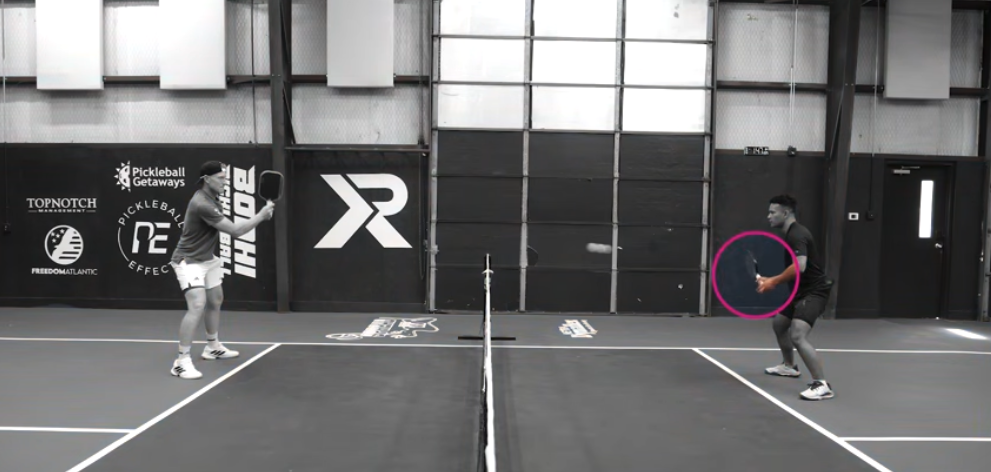
Every pickleball player experiences those maddening performance swings. One day you're dominating the court with perfect dinks and precise volleys. The next match, you're hitting balls into the net and wondering if you've forgotten how to play entirely.
The secret isn't about reaching higher peaks—it's about raising your floor. When you focus on consistency over flashy shots, you transform from an unpredictable player into a reliable threat every time you step on the court.
What Does "Raising Your Floor" Actually Mean?
Your ceiling represents your best possible performance—those magical days when everything clicks perfectly. Your floor, however, is your worst-case scenario performance. The gap between these two extremes determines your consistency as a player.
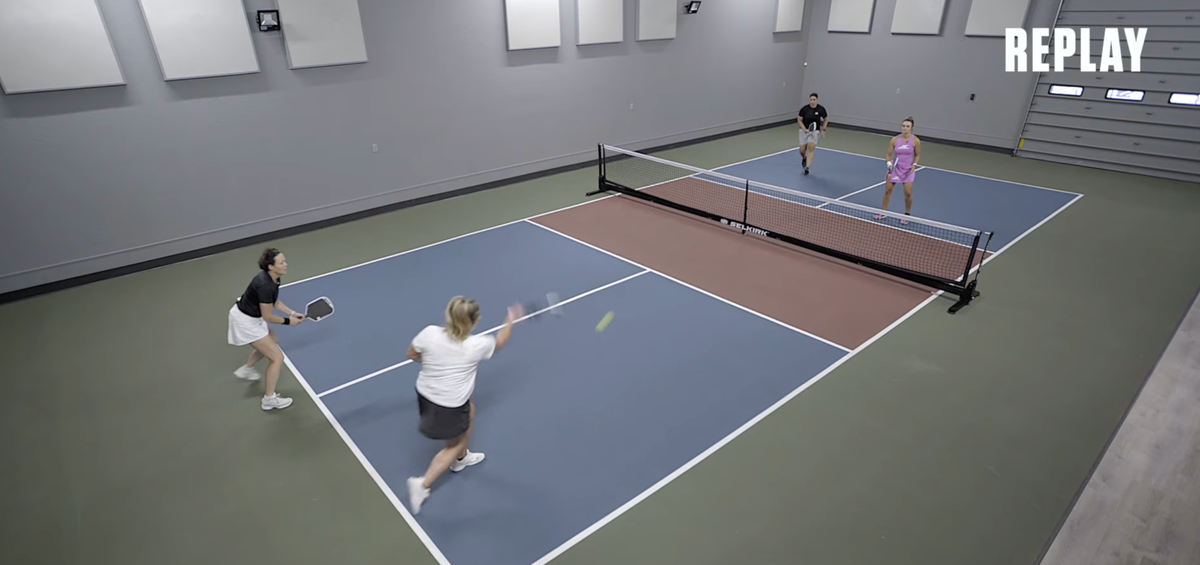
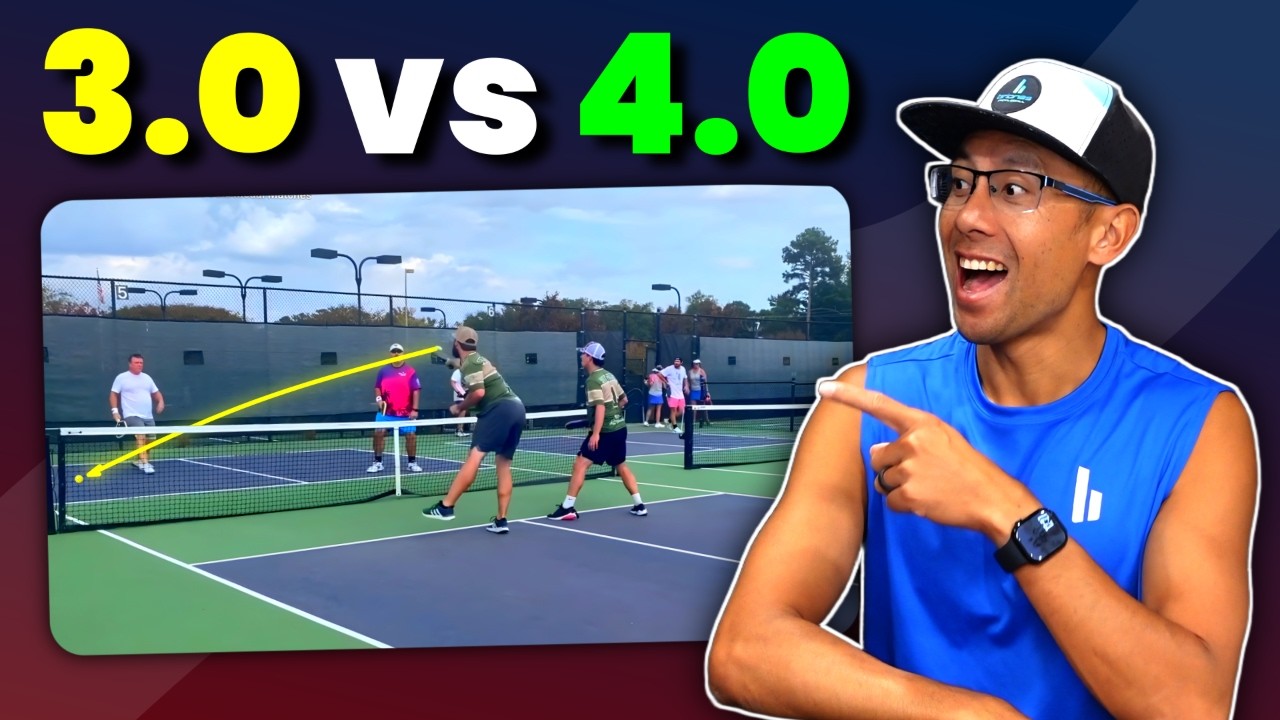
Raising your floor means elevating your minimum performance level. Instead of swinging between 3.0 and 4.5 play depending on the day, you consistently perform at 4.0 or above. This predictable competence is what separates intermediate players from advanced ones.
The Foundation: Master These Core Fundamentals
Perfect Your Ready Position
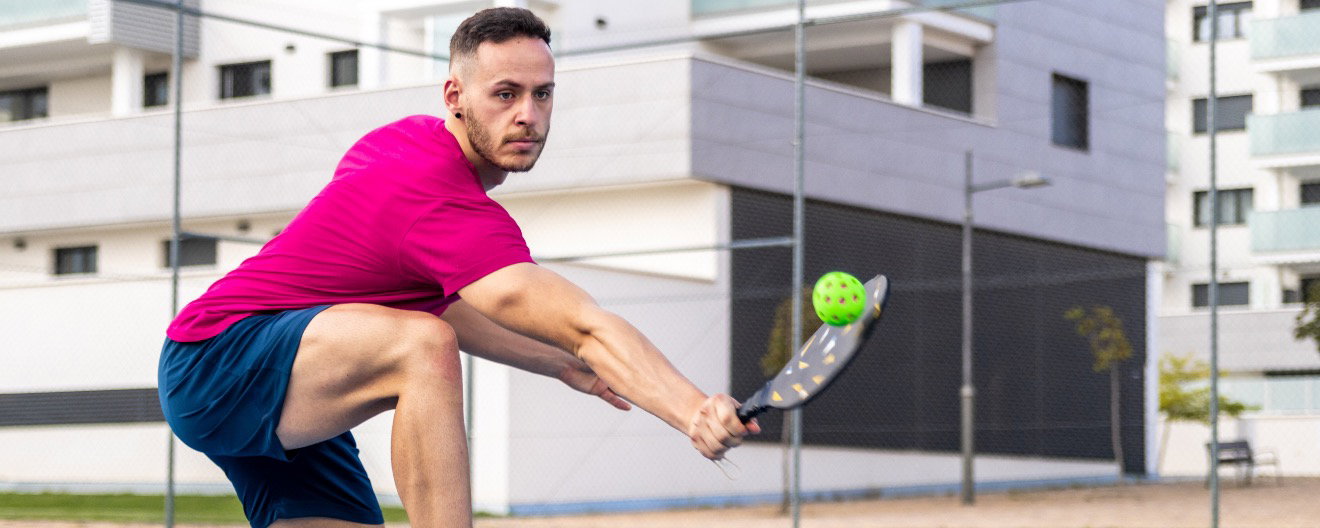
Consistency starts before the ball is even hit. Your ready position should be identical every single point—feet shoulder-width apart, paddle up, weight slightly forward. This athletic stance becomes your reset button between shots.

Develop Reliable Shot Selection
Champion players aren't trying to hit winners on every shot. They're making high-percentage plays that keep them in points longer. Focus on:
- Deep return serves that land within three feet of the baseline
- Soft dinks that clear the net by 12-18 inches
- Third shot drops that force your opponents to hit up
Mental Game: The Consistency Multiplier
Physical technique only takes you so far. The mental side of consistency involves developing routines and responses that remain stable regardless of external pressure.
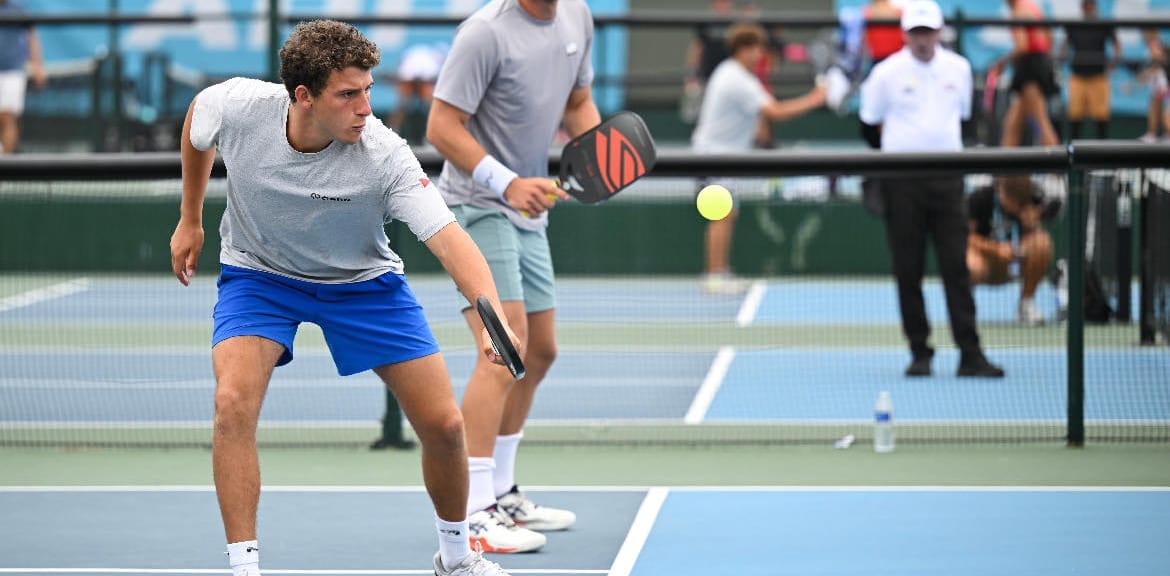
Create Pre-Shot Routines
Professional players follow identical pre-shot routines whether they're playing in their backyard or at the US Open. Develop a simple sequence: bounce the ball twice, take a deep breath, visualize your target, and execute.
Embrace the Reset Mindset
After every point—win or lose—return to neutral. Don't carry the emotion of a great winner or terrible error into the next point. Champions have short memories for both success and failure.
Practice Strategies That Build Your Floor
Traditional pickleball practice often focuses on perfecting shots when you're fresh and comfortable. Floor-raising practice intentionally creates challenging conditions.

The Pressure Cooker Method
Practice when you're tired, frustrated, or distracted. These conditions mirror tournament pressure and teach your body to execute fundamentals even when everything isn't perfect.
Target-Based Drilling
Instead of just hitting shots, hit shots to specific targets. Place cones or towels in the deep corners and practice hitting them consistently. Success isn't measured by power—it's measured by precision and repeatability.
Common Floor-Lowering Mistakes to Avoid
Many players unknowingly sabotage their consistency by falling into these traps:
- Attempting low-percentage shots: Going for winners when a simple return keeps you in the point
- Changing technique mid-match: Abandoning your fundamentals when shots aren't falling
- Emotional decision-making: Letting frustration dictate shot selection instead of strategy
Frequently Asked Questions
How long does it take to raise your pickleball floor?
Most players see noticeable improvements in consistency within 4-6 weeks of focused practice on fundamentals and mental routines. However, building a truly reliable floor takes 3-6 months of consistent work.
Should I still work on advanced shots while raising my floor?
Yes, but prioritize reliability over complexity. Master the execution of advanced shots in practice, but only use them in matches when the situation clearly calls for them. Your floor is built on shots you can execute under pressure.
What's more important: raising your floor or ceiling?
For most players, raising your floor provides more immediate and practical benefits. A consistent 4.0 player beats an inconsistent 4.5 player most of the time because pickleball rewards steady play over spectacular shots.