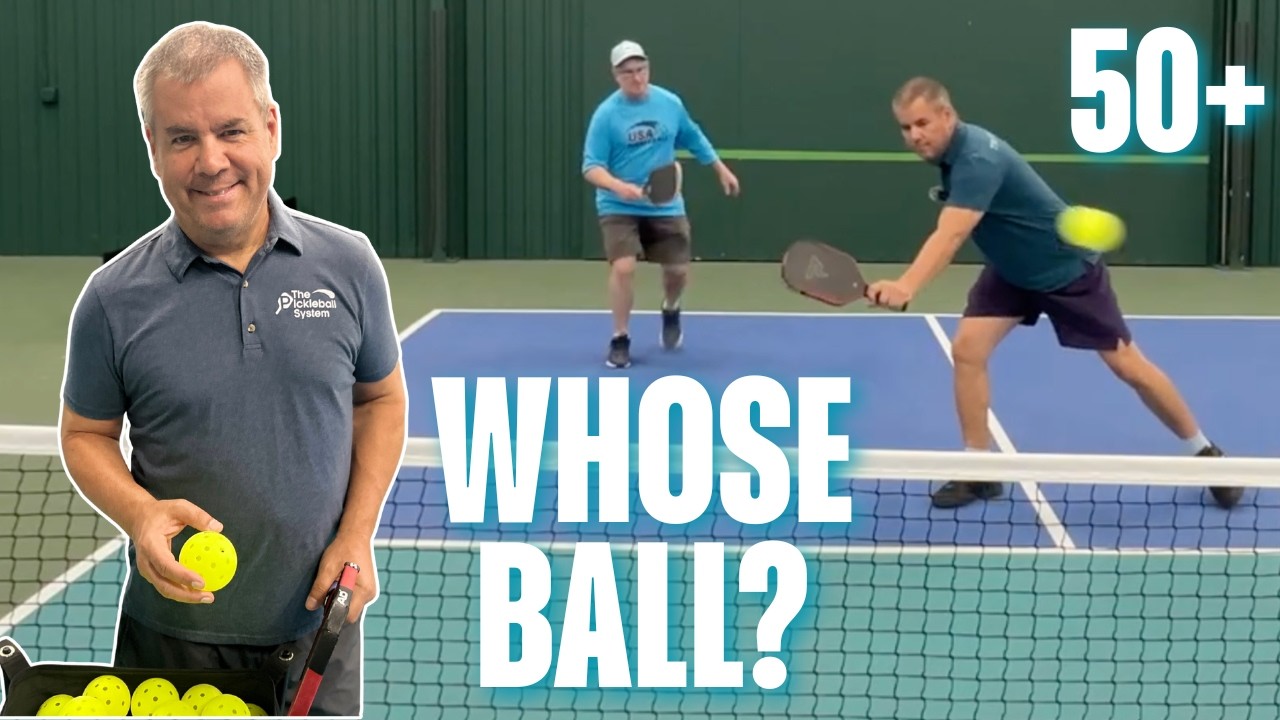
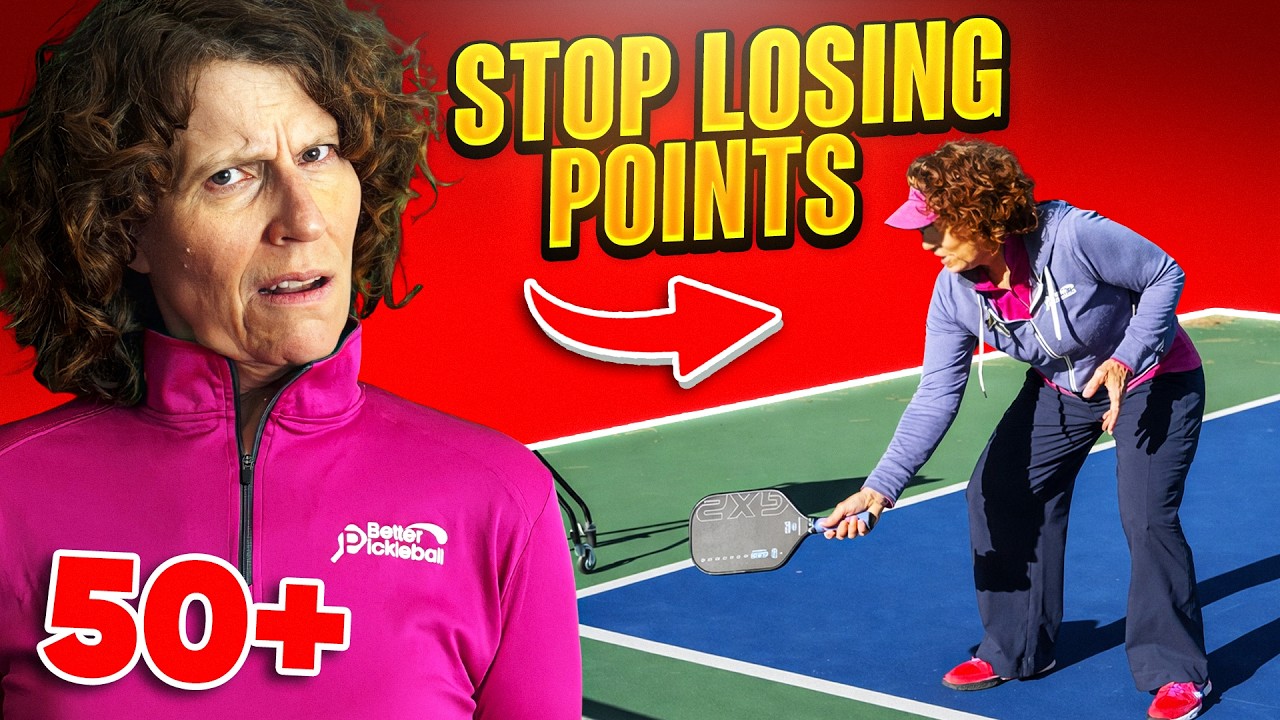
If you're losing points and can't figure out why, the culprit might be simpler than you think. Rushing is one of the most destructive yet overlooked habits in pickleball, quietly sabotaging your game in ways you probably don't recognize.
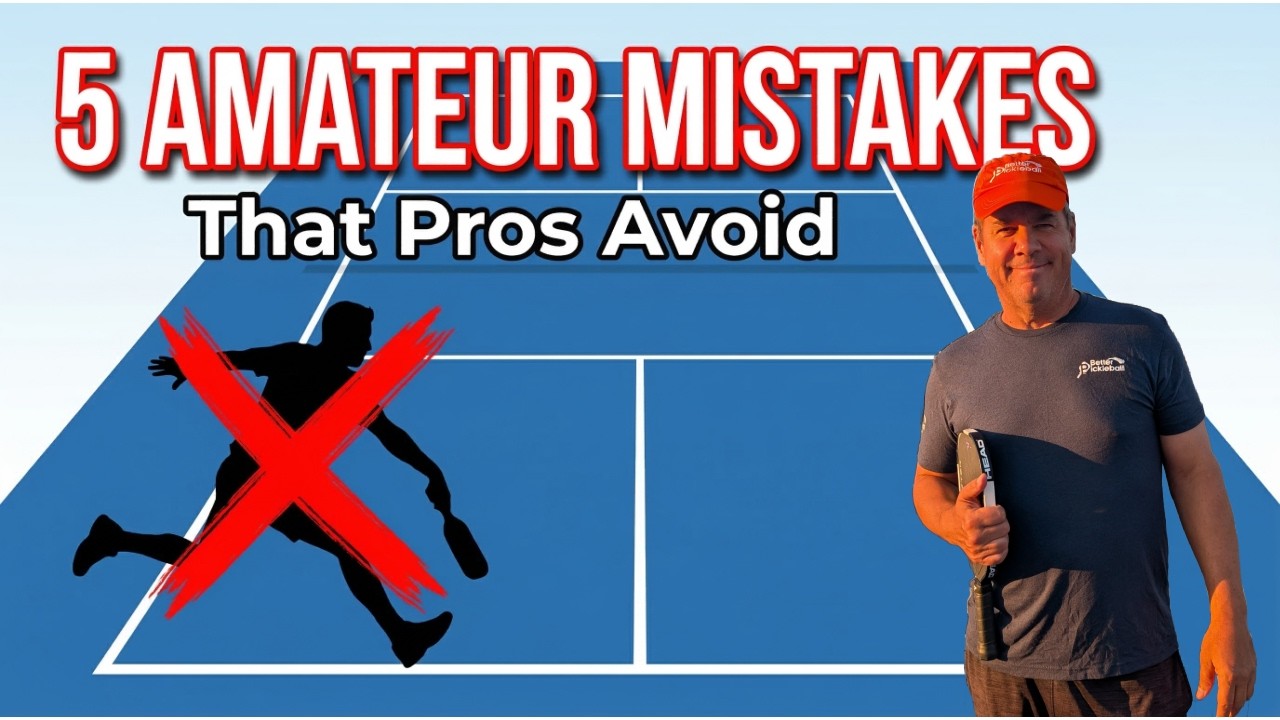
From hasty serves to lunging at volleys, these rushed movements create a domino effect of errors that feel random but follow predictable patterns. Pickleball expert C.J. Johnson from Better Pickleball has identified five critical rushing mistakes that are likely costing you points in every single match.
The Hidden Cost of Rushing in Pickleball
Rushing doesn't just affect individual shots—it creates a cascade of problems throughout your entire game. When you rush, your body positioning suffers, your timing gets thrown off, and your decision-making becomes reactive rather than strategic.
The most frustrating part? Many players don't even realize they're rushing. They attribute their errors to bad luck or tough opponents when the real issue is their hurried approach to the game.
Mistake #1: Running Through Your Shots
One of the most common rushing mistakes is literally running through your shots instead of getting set before hitting the ball. This creates unstable body positioning and inconsistent contact points.
Instead of sprinting to reach every ball, focus on efficient movement that allows you to plant your feet and establish balance before making contact. Your shots will become more controlled and accurate when you give yourself time to set up properly.

Mistake #2: Instant Serving Without Preparation
Many players grab the ball and immediately launch into their serve without any mental or physical preparation. This "insta-serving" leads to inconsistent placement and missed opportunities to set up points strategically.
Take a moment before each serve to visualize your target, check your grip, and ensure proper positioning. A brief pause can dramatically improve your serve consistency and effectiveness.

Mistake #3: Lunging at High Volleys
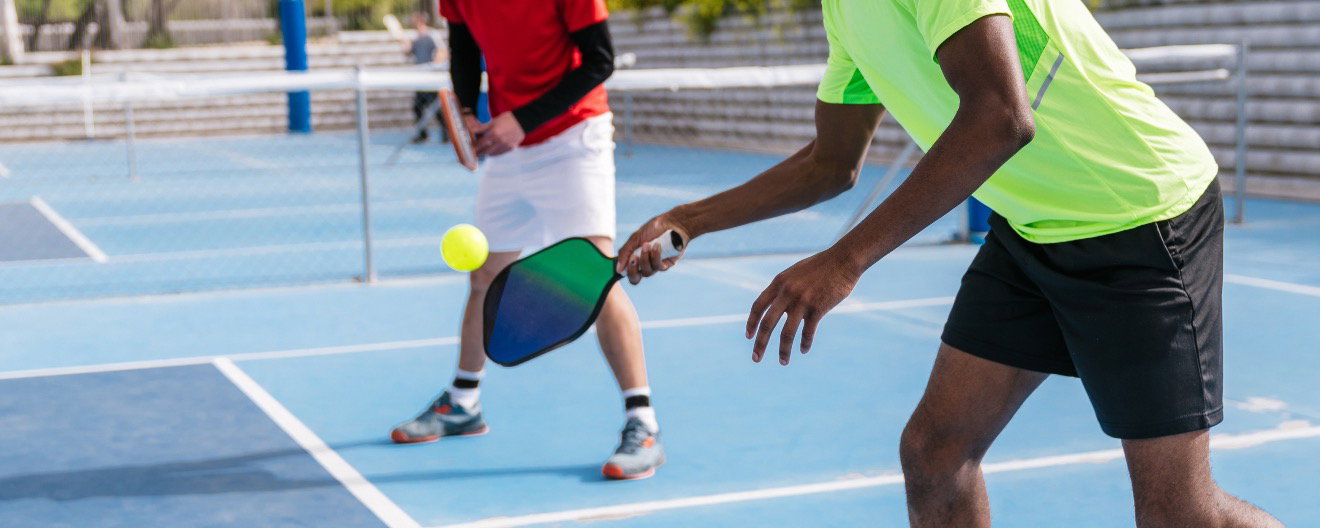
When faced with high volleys, rushed players often lunge forward aggressively, losing balance and control. This desperation move usually results in balls sailing long or hitting the net.
Instead, step back slightly to give yourself more time and space. A controlled, balanced volley from a stable position is far more effective than an off-balance lunge.
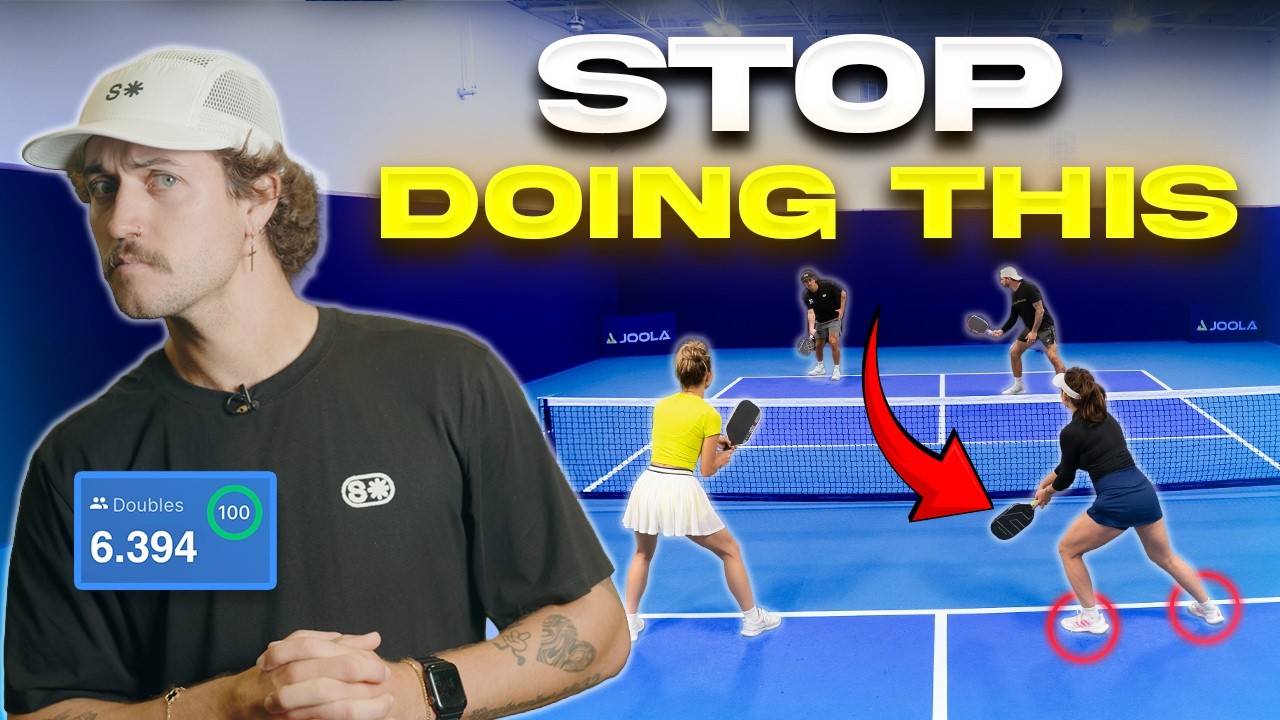
Mistake #4: Rushing Your Return Positioning
After hitting a return, many players immediately sprint toward the net without considering court position or their opponent's likely response. This rushed movement often leaves them vulnerable to passing shots.
Take time to read the situation. Sometimes a more measured approach to the net, or even staying back momentarily, sets you up for better positioning on the next shot.
Mistake #5: Hasty Shot Selection
Perhaps the most costly rushing mistake is making shot selections without proper assessment of the situation. Rushed players often attempt aggressive shots when patience would be more effective.
Before every shot, quickly assess your position, your opponent's position, and the best percentage play. Sometimes the smart choice is to reset rather than go for a winner.
Building Better Habits: Slow Down to Speed Up
The paradox of pickleball is that slowing down your decision-making and preparation actually makes you more effective and faster on court. When you're properly positioned and balanced, you can react more quickly to your opponent's shots.
Practice Patience Drills
Incorporate drills that emphasize patience and positioning over speed. Practice hitting from balanced positions and focus on shot selection rather than shot power.
Develop Pre-Shot Routines
Create consistent routines for serves and returns that force you to pause and prepare properly. These small delays will dramatically improve your consistency.
Frequently Asked Questions
How can I tell if I'm rushing during a match?
Watch for these signs: feeling off-balance during shots, hitting balls long or into the net frequently, or feeling like you're always catching up to the pace of play. If you're making unforced errors on shots you normally make, rushing might be the culprit.
What's the best way to slow down my game without losing aggressiveness?
Focus on being aggressive with shot selection rather than shot execution. Take time to set up properly, but don't hesitate to attack when you have the right opportunity. Controlled aggression is far more effective than frantic rushing.
How long does it take to break rushing habits?
With conscious practice, you can start seeing improvements within 2-3 weeks. However, fully breaking ingrained rushing habits typically takes 6-8 weeks of consistent focus during practice and match play.