Why Wide Aggressive Dinks Are So Effective
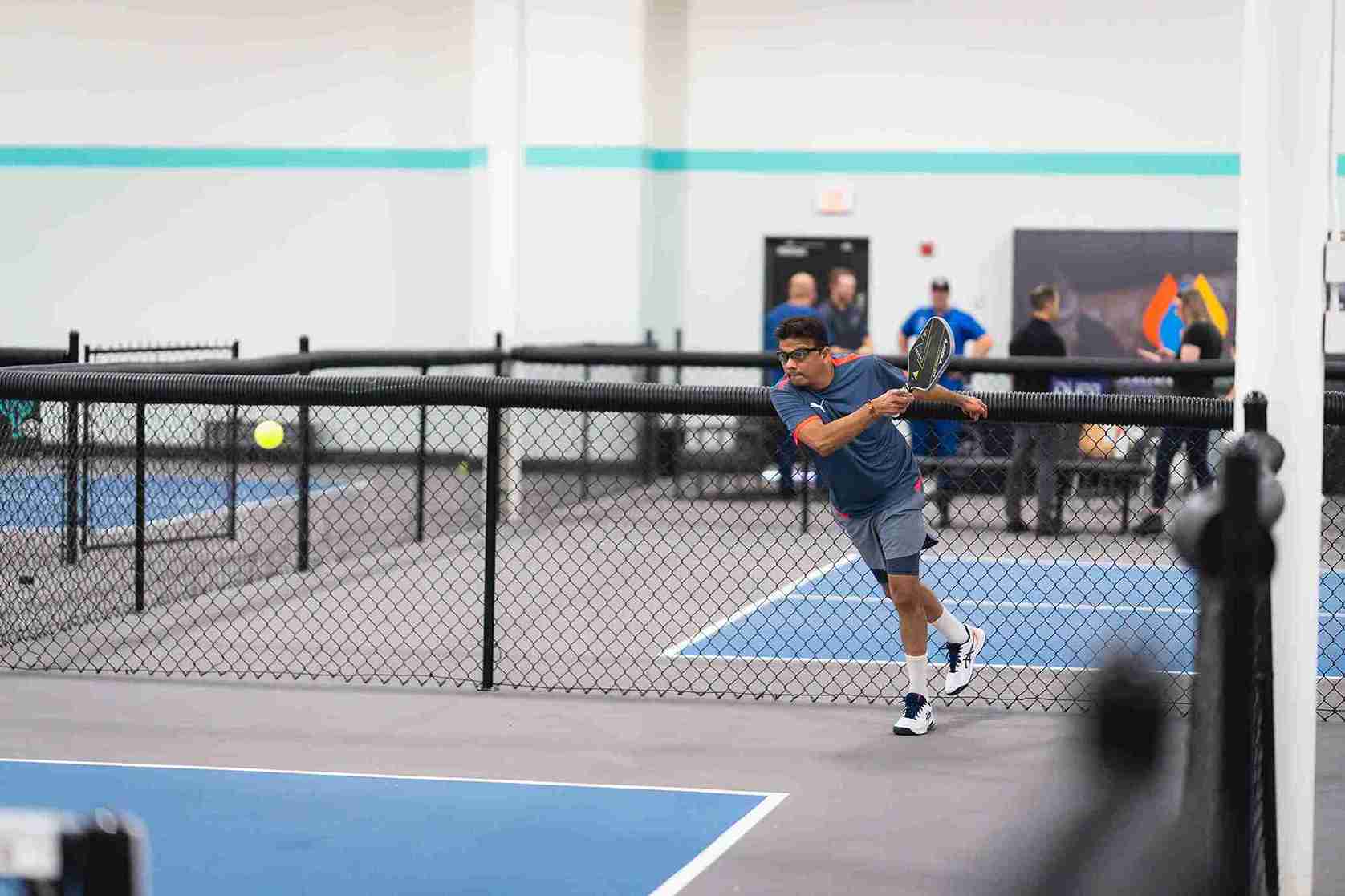
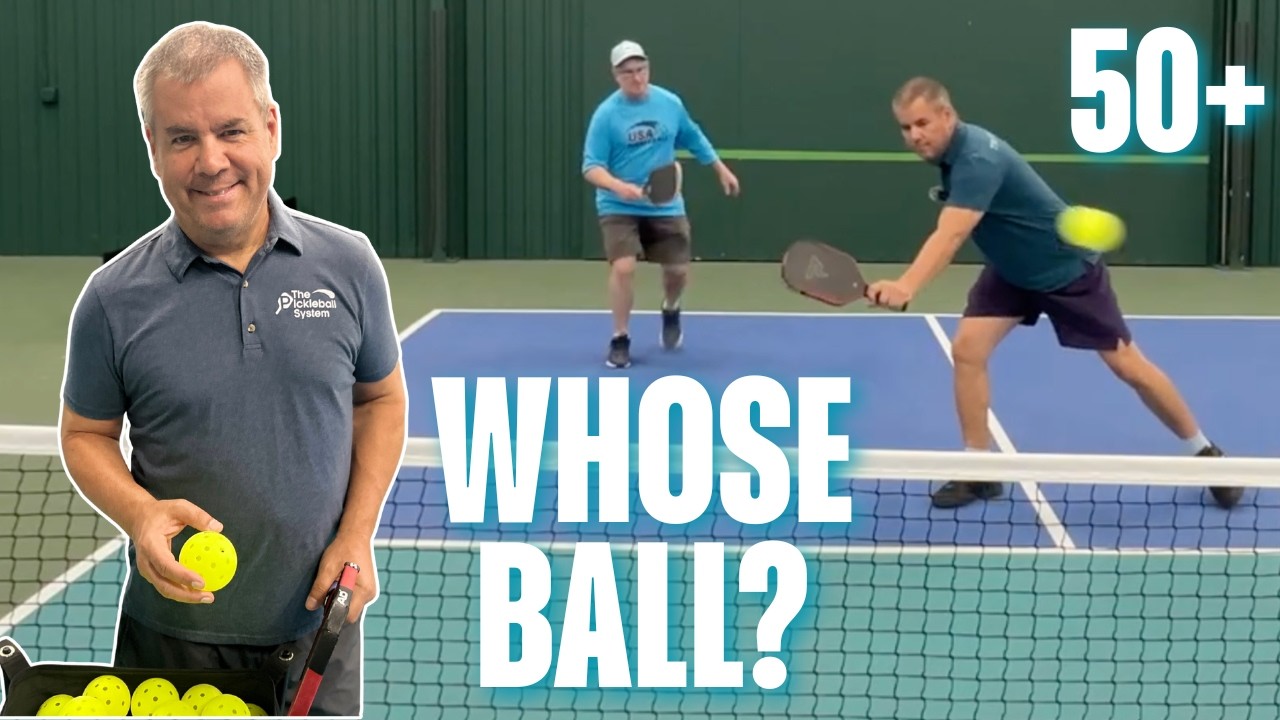
The wide aggressive dink represents one of pickleball's most potent offensive weapons. When executed properly, this shot forces you far beyond the sideline, compromising your court position and limiting your response options. Most players fall into predictable patterns when faced with this challenge, which is exactly what aggressive opponents count on.
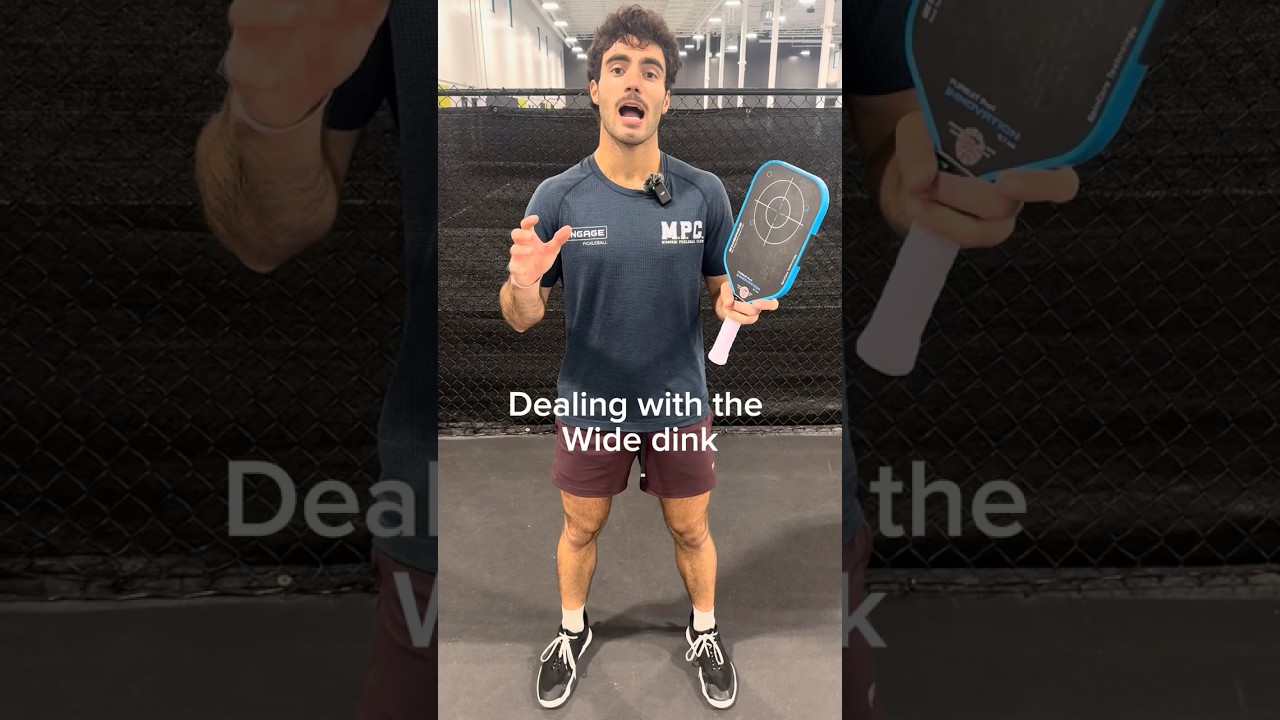
Understanding why this shot causes so much trouble is the first step toward neutralizing it. The wide dink exploits your natural desire to recover quickly and punish your opponent for the aggressive placement. However, these instinctive reactions often lead to unforced errors or weak returns that set up easy putaways.
The Psychology Behind Poor Decision Making
When pulled wide, your brain enters panic mode. The court suddenly feels enormous, your partner seems miles away, and the temptation to end the point immediately becomes overwhelming. This psychological pressure leads to two common mistakes that advanced players exploit ruthlessly.
Mistake #1: The Speed-Up Attempt
Your first instinct is often to drive the ball hard, attempting to catch your opponents off-guard with sudden pace. Unfortunately, hitting from a wide, off-balance position rarely produces the controlled aggression needed for effective speed-ups. Instead, you're likely to sail the ball long or hit it directly into your opponent's strike zone.
Mistake #2: The Cross-Court Blast
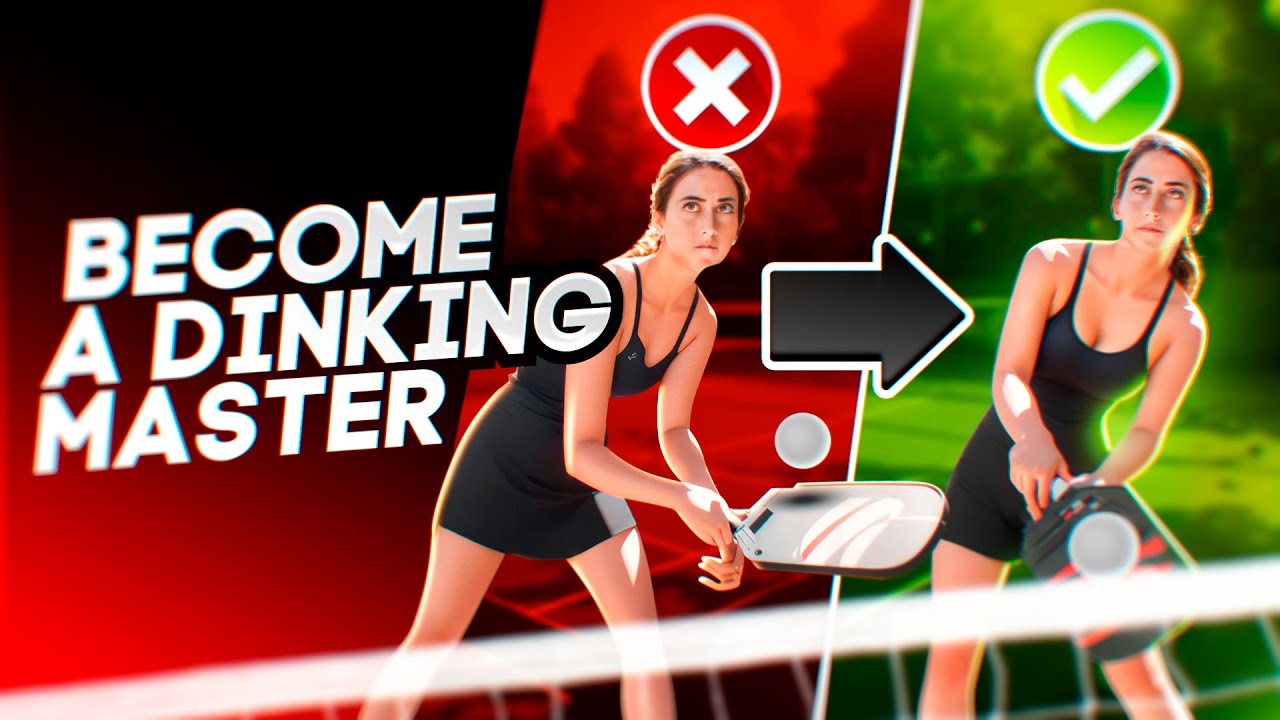
The second common reaction involves ripping the ball cross-court with maximum power, hoping to wrong-foot your opponents or find an opening. While this approach occasionally succeeds, it more often results in unforced errors or sets up easy counter-attacks from opponents who are expecting exactly this response.
Proven Strategies for Wide Dink Defense
Successful defense against wide aggressive dinks requires patience, technique, and strategic thinking. The key is resisting your natural impulses and focusing on high-percentage responses that neutralize your opponent's advantage.
Strategy #1: The Reset Down the Line
Instead of going for winner, focus on resetting the ball softly down the line. This accomplishes several important objectives: it keeps the ball low, maintains rally tempo, and doesn't give your opponents the angle they're seeking for their next attack. The down-the-line reset also gives you more time to recover your court position.
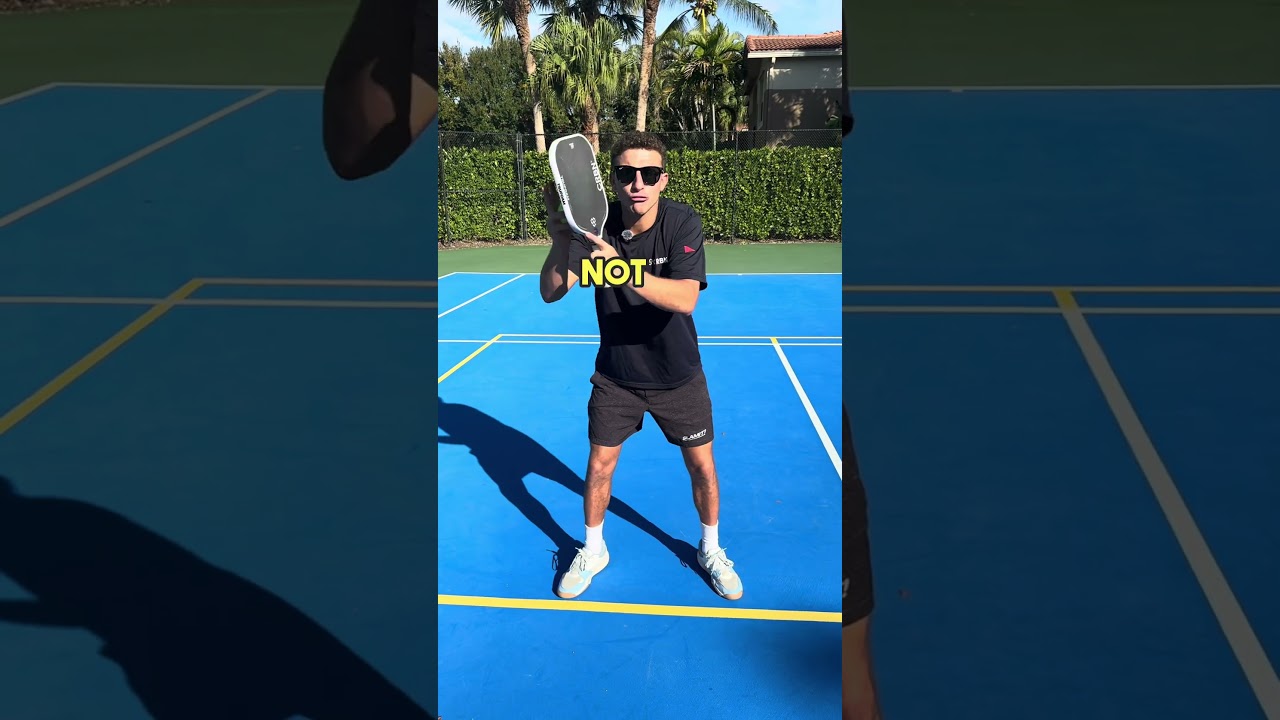
Strategy #2: The Defensive Cross-Court
When you do go cross-court, make it a controlled placement rather than a power shot. Aim for the opposite corner with moderate pace, focusing on depth and placement over speed. This forces your opponents to move and creates time for you to return to better court position.
Technical Execution Tips
Proper technique becomes crucial when defending from wide positions. Your margin for error decreases significantly when you're stretched out, making clean contact and controlled placement essential.
Footwork and Balance
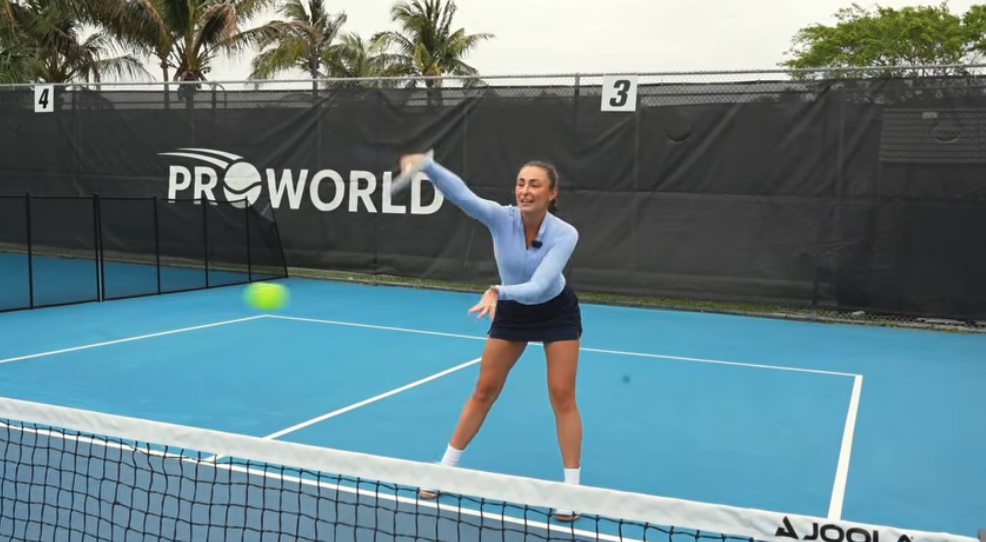
Maintain your balance throughout the shot, even if it means taking smaller steps to reach the ball. Rushing often leads to off-balance contact and poor shot selection. Focus on getting your body behind the ball whenever possible, even if you can't achieve perfect positioning.
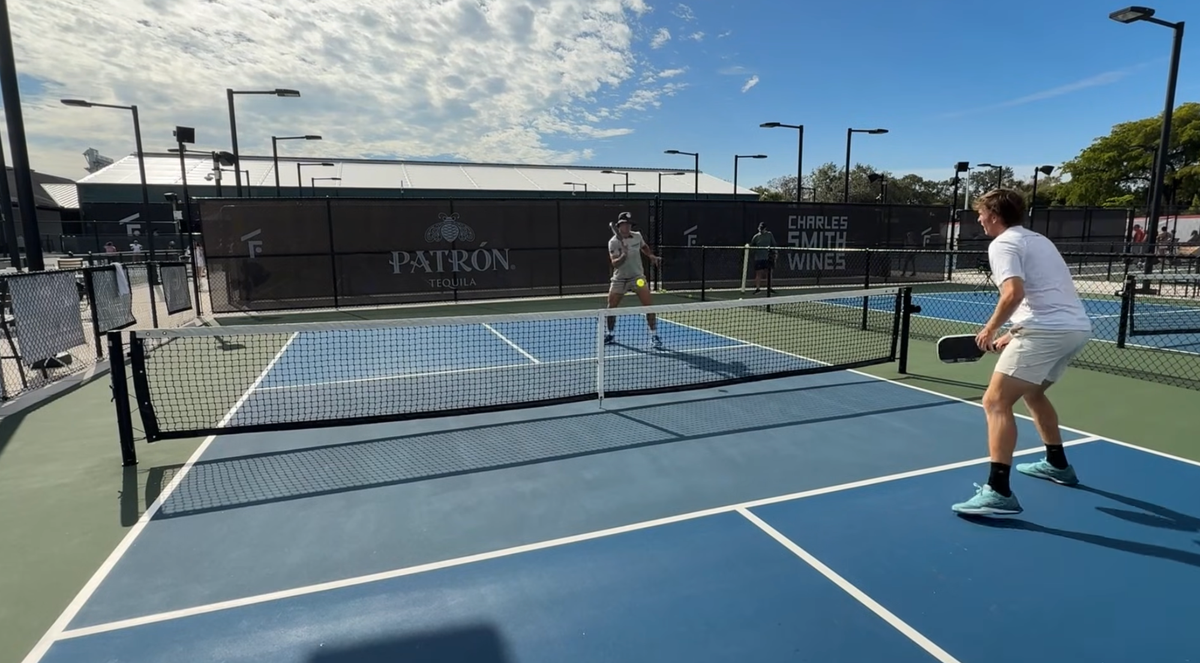
Paddle Face Control
Keep your paddle face stable and controlled through contact. When stretched wide, many players unconsciously open or close the paddle face, leading to directional errors. Practice maintaining consistent paddle position regardless of your body position on the court.
Advanced Tactical Considerations
As your defensive skills improve, you can begin incorporating more sophisticated tactical elements into your wide dink responses. Consider your opponent's positioning, court coverage, and tendencies when selecting your defensive option.
Reading Opponent Positioning
Before executing your defensive shot, quickly assess your opponent's court position. If they've moved toward the center in anticipation of a cross-court return, the down-the-line reset becomes even more effective. Conversely, if they're covering the line, a controlled cross-court placement might be your best option.
Setting Up Counter-Attacks
Advanced players can use their defensive responses to set up future offensive opportunities. By consistently executing high-quality defensive shots, you force opponents to continue working for their advantage, often leading to impatience and attackable balls.
Frequently Asked Questions
Should I ever attempt winners from wide positions?
While it's generally better to focus on high-percentage defensive shots, there are situations where offensive attempts make sense. If your opponent has poor court position or you have exceptional balance and angle, a controlled winner attempt can be effective. However, these opportunities are rare, and most players attempt winners far too often from disadvantageous positions.
How do I practice defending wide aggressive dinks?
Set up drilling scenarios where a partner consistently feeds you wide dinks from various angles and speeds. Focus on maintaining balance, making clean contact, and executing your chosen defensive strategy rather than going for winners. Graduate to live ball situations where you practice reading and reacting to wide dinks during actual rally play.
What's the most common mistake when defending wide dinks?
The biggest error is rushing your response due to panic or frustration. When pulled wide, take the extra split second needed to maintain balance and execute a controlled shot. Most unforced errors on wide dinks result from hurried decision-making rather than poor technique or strategy.