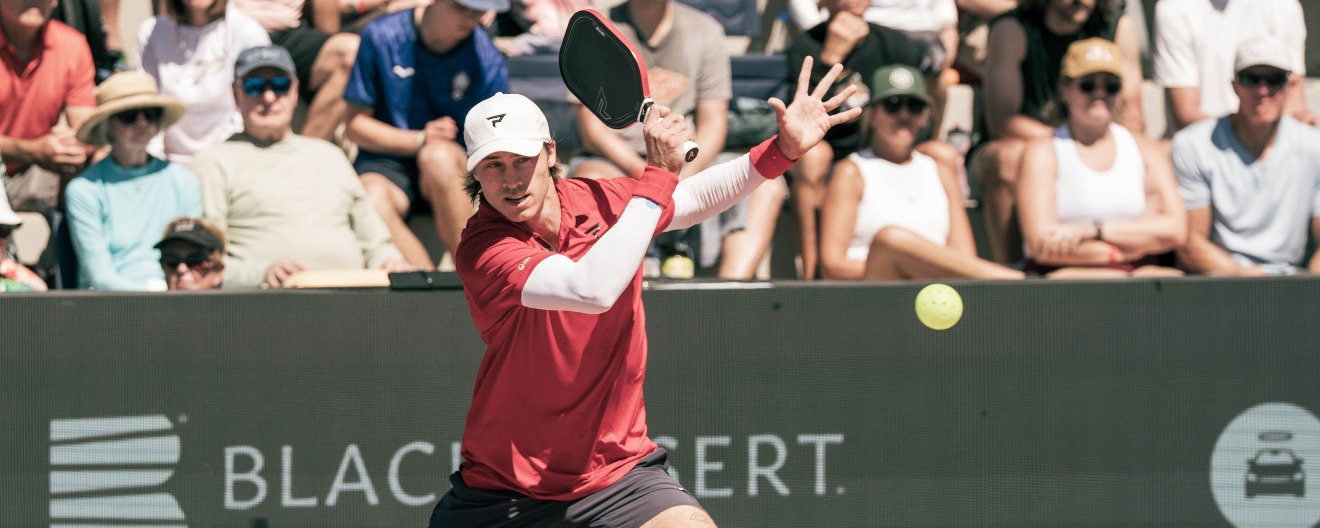
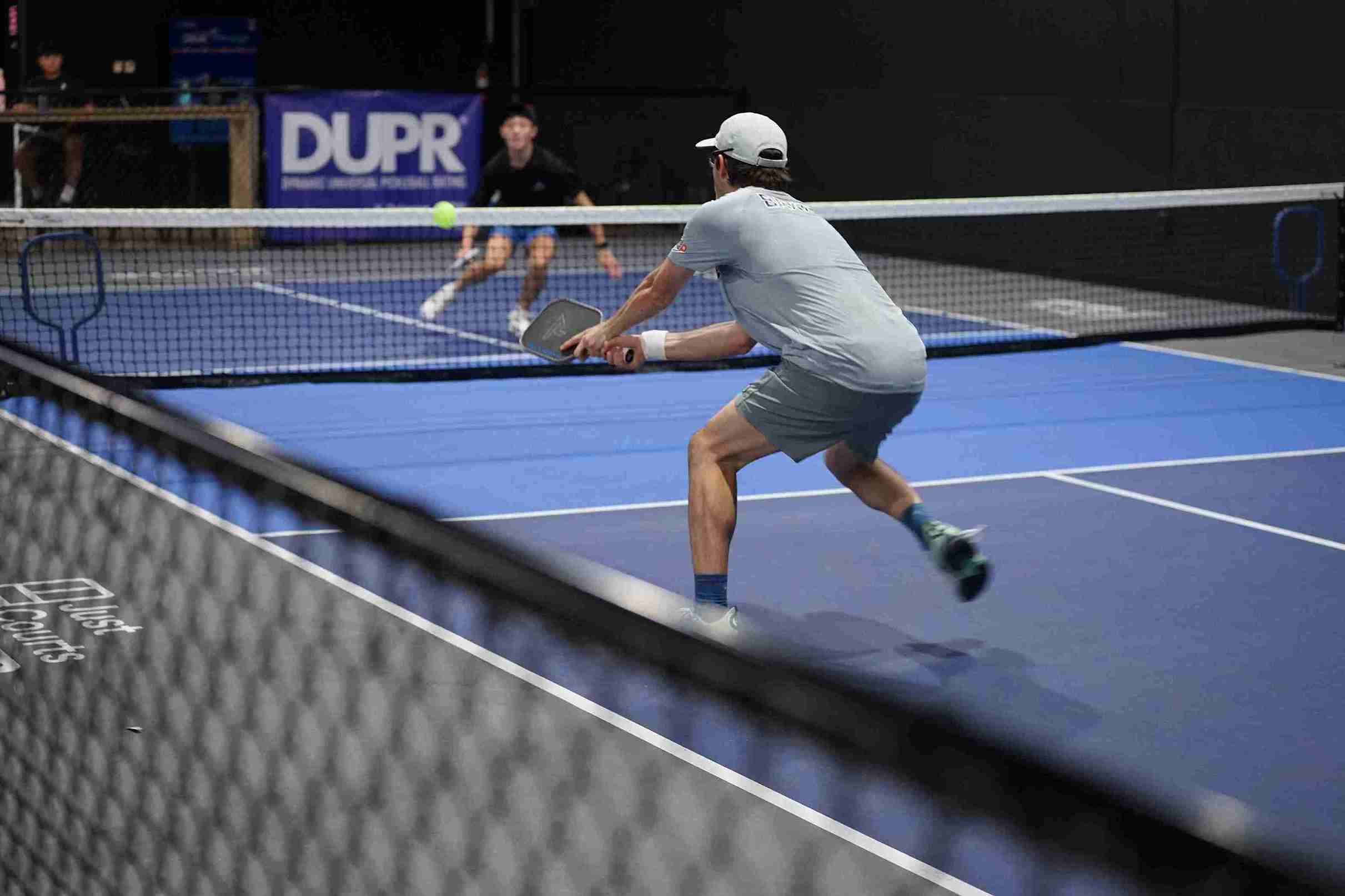
Most pickleball players treat their backhand like a liability—something to avoid or rush through with a weak one-handed swing. But what if we told you that your backhand could become your most reliable weapon at the net?
The two-handed backhand volley is transforming how smart players control the kitchen and dominate net exchanges. Walker Sisters Pickleball demonstrates why this technique should be in every serious player's arsenal.
Why Your Backhand Doesn't Have to Be a Weakness
The conventional wisdom says backhands are inherently weaker than forehands. That's true for one-handed shots, but everything changes when you add that second hand.
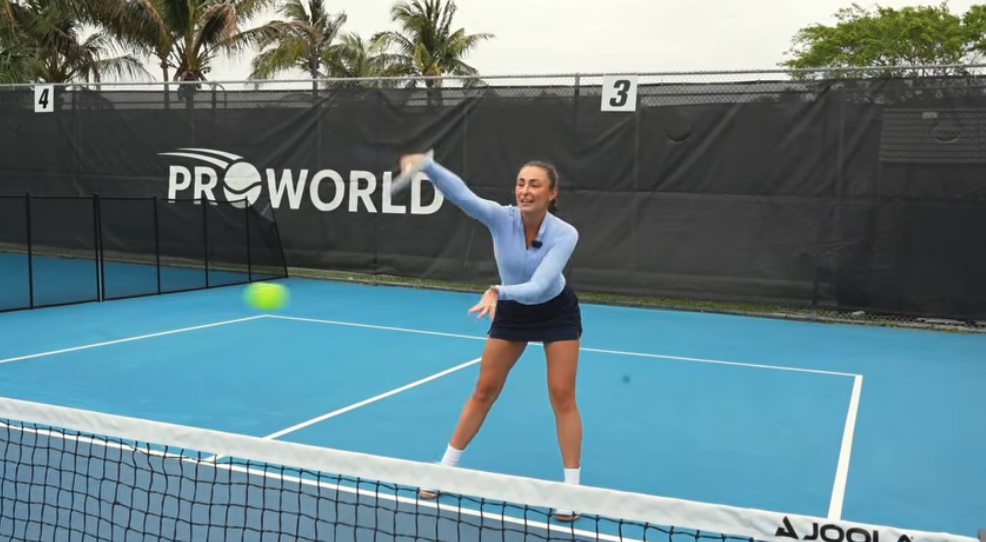
Your non-dominant hand becomes a stabilizing force that eliminates the wobble and uncertainty that plagues single-handed backhand attempts. Instead of hoping the ball goes where you want, you're directing it with precision.
This stability advantage becomes crucial during fast net exchanges where split-second control determines who wins the point.
The Mechanics That Make It Work
The beauty of the two-handed backhand volley lies in its simplicity. Your dominant hand grips the paddle normally, while your non-dominant hand provides the support and guidance system.
Grip and Hand Positioning
Place your dominant hand in your standard grip position. Your non-dominant hand should sit just above it on the paddle handle, creating a unified control system. Think of it as having two steering wheels instead of one.
This dual-grip approach distributes the impact force across both arms, reducing strain and increasing your ability to absorb powerful shots from opponents.
Body Mechanics and Footwork
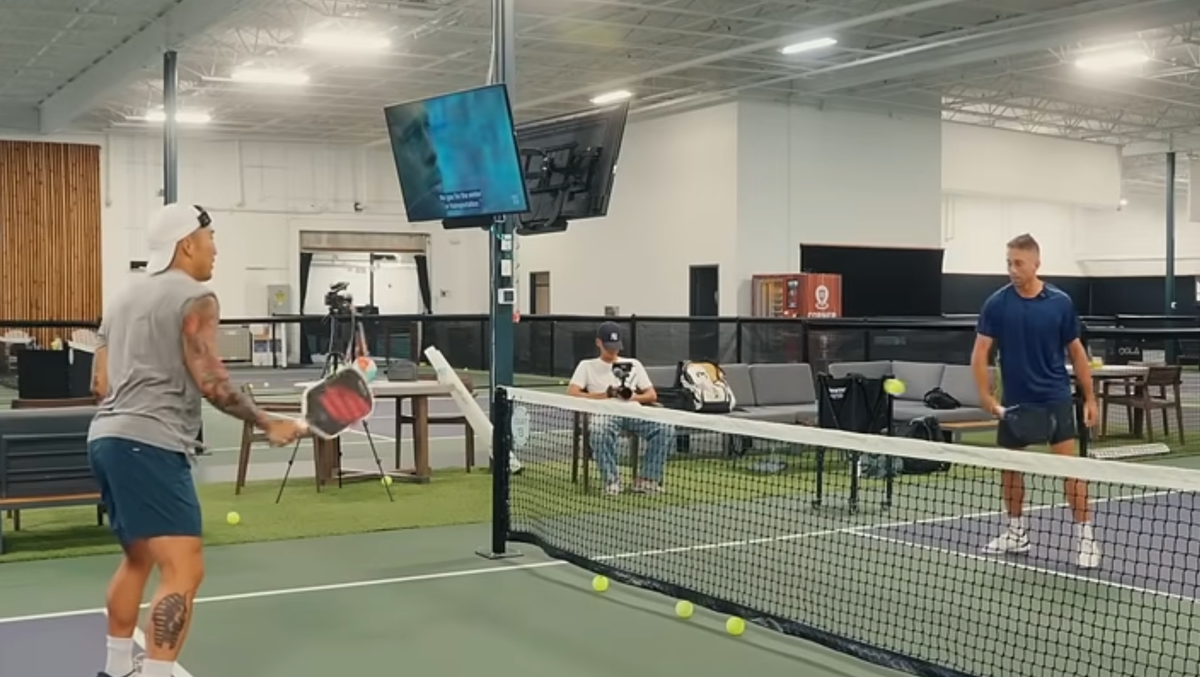
Position yourself with your feet shoulder-width apart and knees slightly bent. Unlike groundstrokes, volleys require minimal backswing—your power comes from the forward punch motion, not a big wind-up.
The key is maintaining a compact motion that lets you react quickly to rapidly changing ball directions during kitchen battles.
When to Deploy This Secret Weapon
Timing is everything with the two-handed backhand volley. Here are the prime situations where this technique shines:
Kitchen Line Exchanges
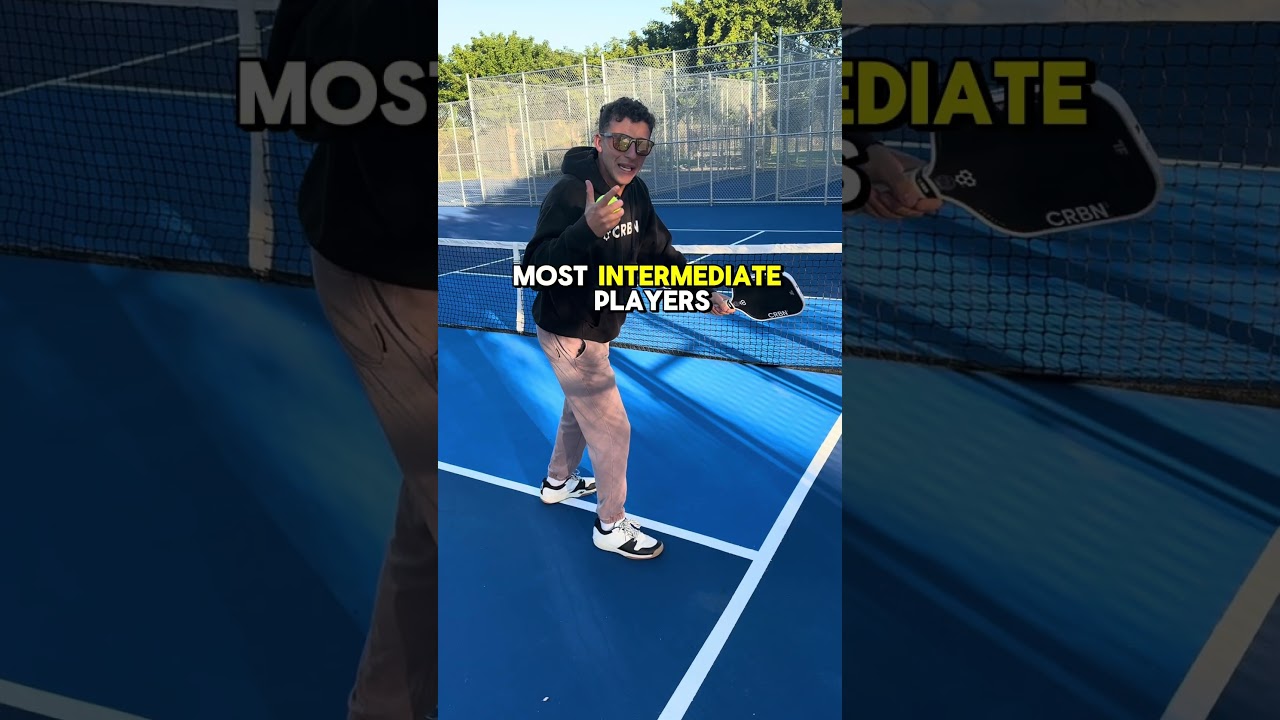
When you're engaged in rapid-fire volleys at the net, the two-handed approach gives you the stability to handle pace while maintaining placement accuracy. You can keep balls low and force your opponent into defensive positions.
Defending Against Aggressive Attacks
Fast balls aimed at your backhand side become manageable when you have both hands working together. The additional support helps you absorb the pace and redirect it back with interest.
Setting Up Offensive Opportunities
A well-executed two-handed backhand volley doesn't just defend—it creates openings. The control you gain allows for precise placement that can pull opponents out of position.
Common Mistakes to Avoid
Even with proper technique, players often sabotage their two-handed backhand volleys with these errors:
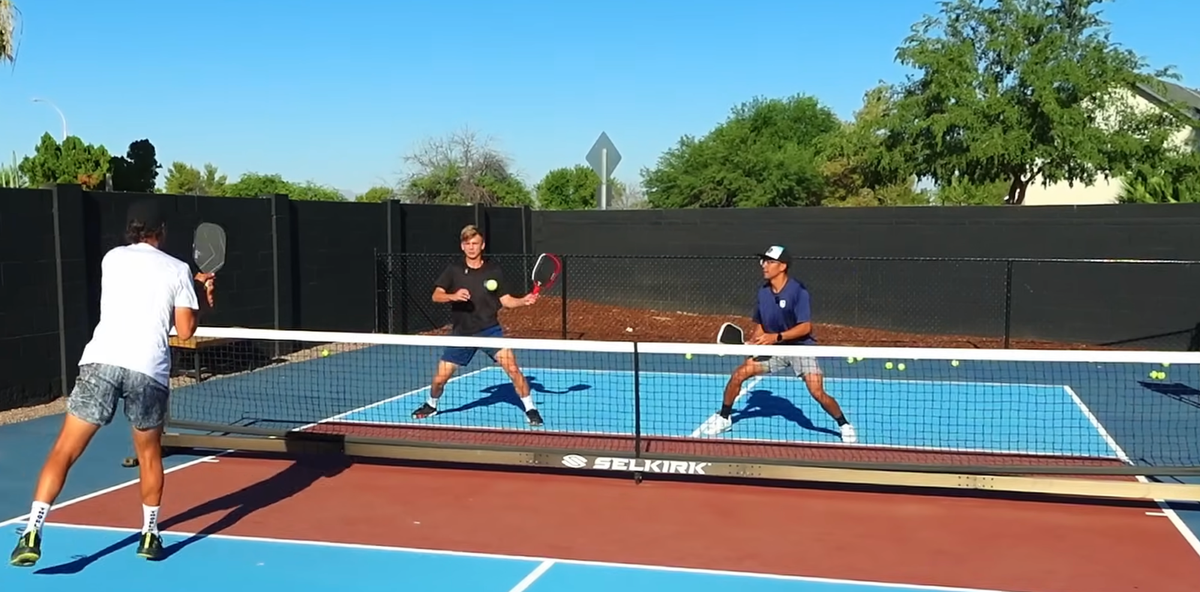
Over-swinging: Keep your motion compact. The power comes from the paddle face contact and your forward momentum, not from a big swing.
Poor hand coordination: Both hands should work as a unit. If one hand dominates, you lose the stability advantage that makes this technique effective.
Wrong positioning: Stay close enough to the net to cut off angles, but not so close that you can't react to different ball heights and speeds.
Practice Drills for Mastery
Start with stationary practice against a wall, focusing on clean contact and consistent ball placement. Progress to having a partner feed you balls from various angles and heights.
The goal is developing muscle memory so your two-handed backhand volley becomes automatic during match pressure.
Frequently Asked Questions
Should beginners learn the two-handed backhand volley first?
Yes, beginners often find the two-handed approach more natural and confidence-building than struggling with one-handed backhands. The added stability helps develop proper volley fundamentals.
Can advanced players benefit from switching to two hands?
Absolutely. Many high-level players use the two-handed backhand volley in specific situations, even if they prefer one-handed shots for groundstrokes. It's about having multiple tools available.
Does the two-handed grip limit my reach?
Slightly, but the trade-off in control and power usually makes up for the small reduction in reach. For balls requiring maximum extension, you can always switch to one hand when needed.