The Art of Strategic Speed-Ups at the Kitchen Line
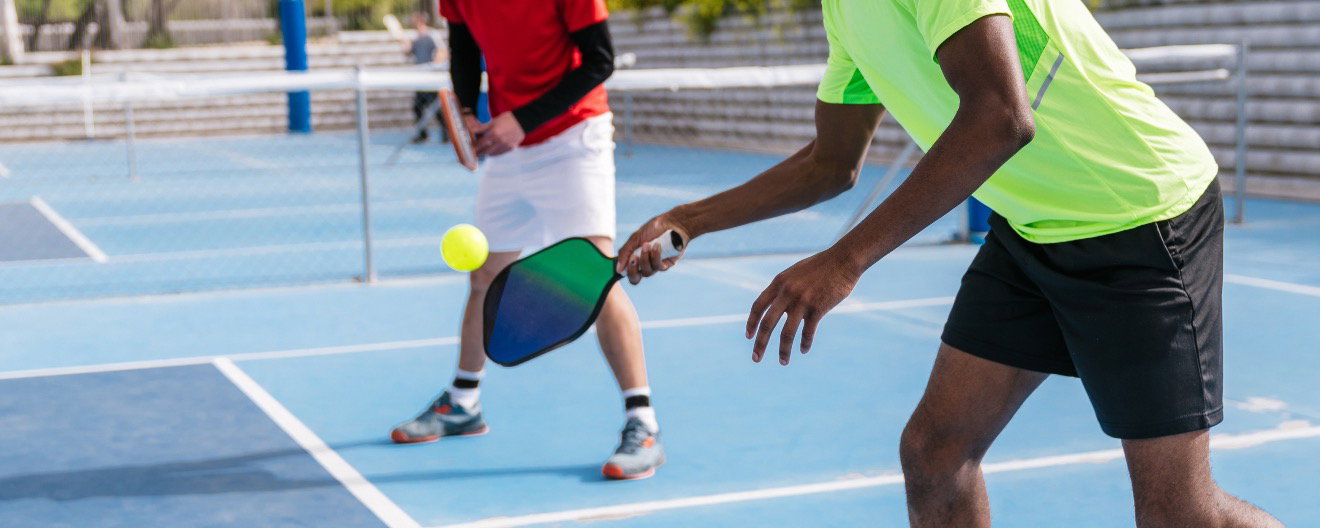
Many pickleball players believe that devastating kitchen line attacks require tremendous power. This misconception leads to overswinging, poor positioning, and missed opportunities. The truth is that effective speed-ups rely on strategic timing, compact technique, and smart decision-making rather than brute force.
Identifying Prime Attack Opportunities
Recognizing when to execute a speed-up separates advanced players from beginners. The kitchen line presents specific scenarios that favor aggressive play:
High-Percentage Attack Situations
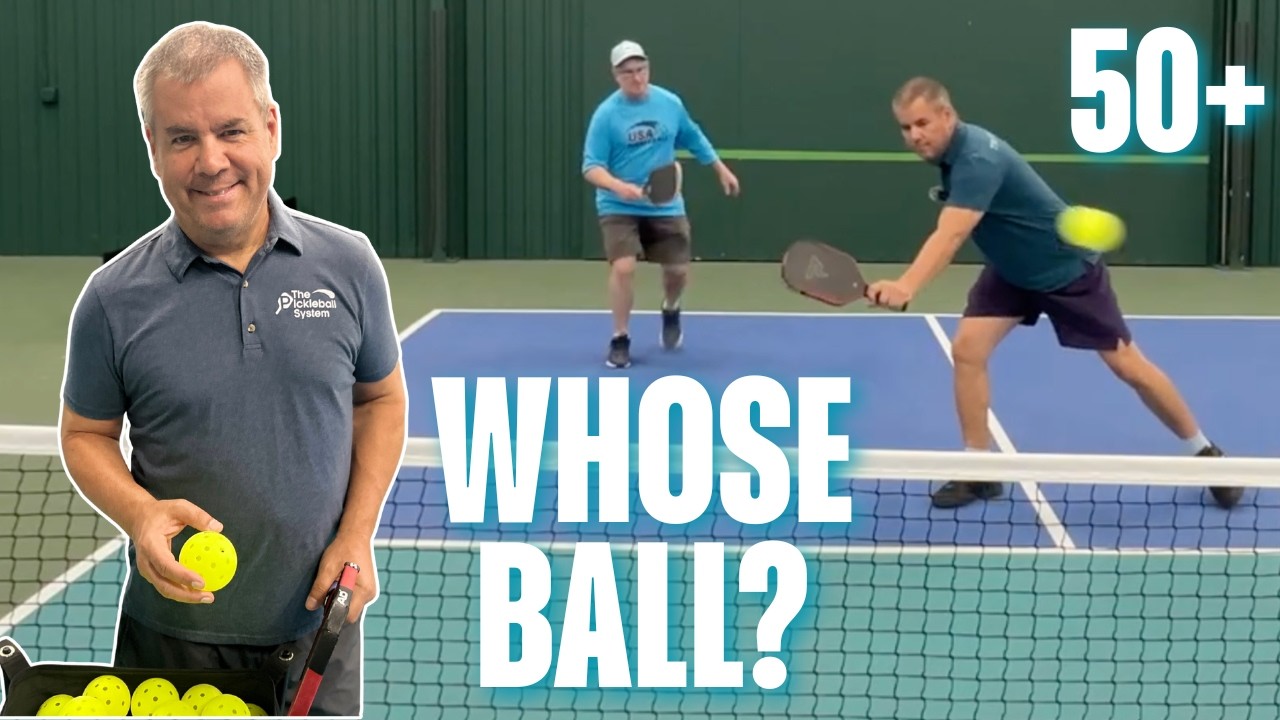
The ideal speed-up opportunity occurs when your opponent's dink rises above net height. This elevation gives you a downward angle advantage, making it difficult for opponents to defend effectively. Watch for balls that sit in your personal strike zone - typically waist to chest height, positioned directly in front of your body.
Opponent positioning also creates attacking windows. When your opponent leans forward aggressively or reaches outside their comfort zone for a return, they become vulnerable to quick attacks. Their compromised balance makes it nearly impossible to react defensively.
Crosscourt dinks that float even slightly present another excellent opportunity. These balls often hang in the air longer, giving you time to prepare while your opponent recovers from their shot.
When NOT to Speed Up
Forcing attacks from poor positions typically backfires. Avoid speed-ups when receiving low dinks below net level, when you're off-balance, or when your opponent maintains excellent ready position. Patience often proves more valuable than premature aggression.
Perfecting Your Speed-Up Mechanics
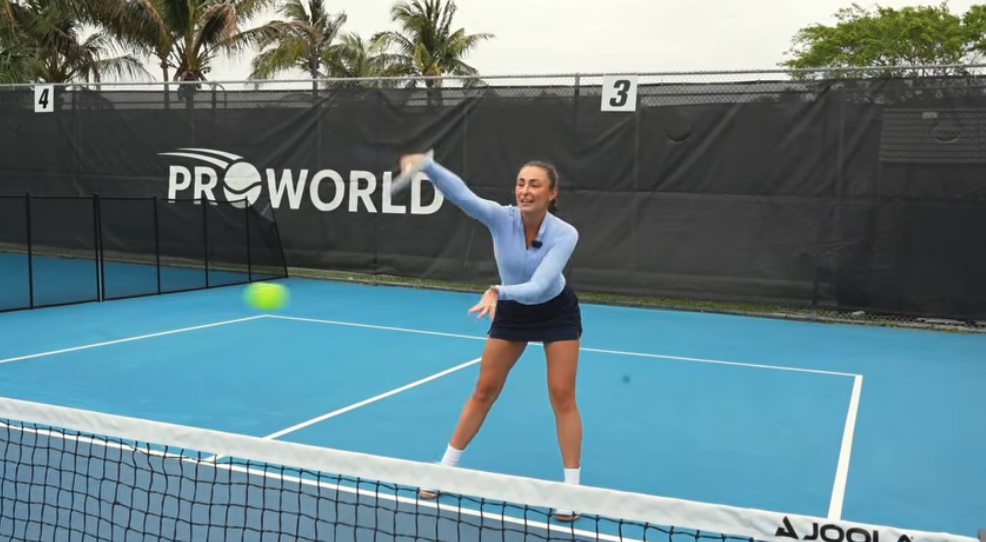
Effective speed-up technique resembles a controlled punch more than a tennis groundstroke. This compact approach maximizes accuracy while minimizing telegraphing.
The Compact Motion Philosophy
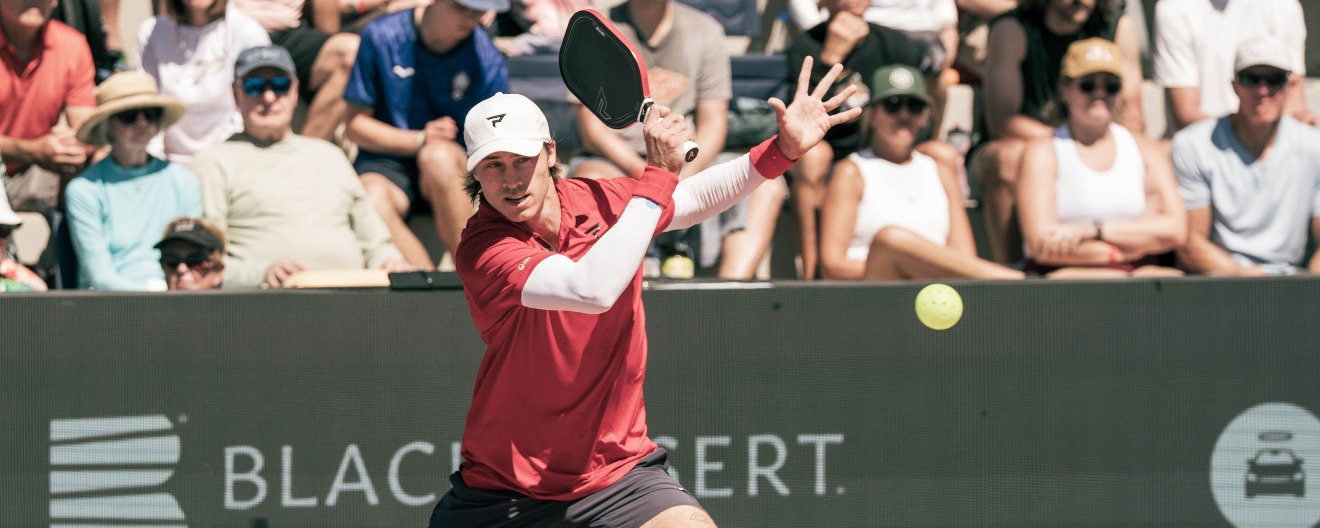
Eliminate excessive backswing entirely. Your paddle should start close to the contact point, moving directly toward your target. This abbreviated preparation prevents opponents from reading your intentions while maintaining element of surprise.
Think "flick" rather than "swing." The motion should feel quick and snappy, generated primarily through wrist and forearm rotation rather than full arm movement. This technique allows for rapid execution while maintaining control.
Contact Point Mastery
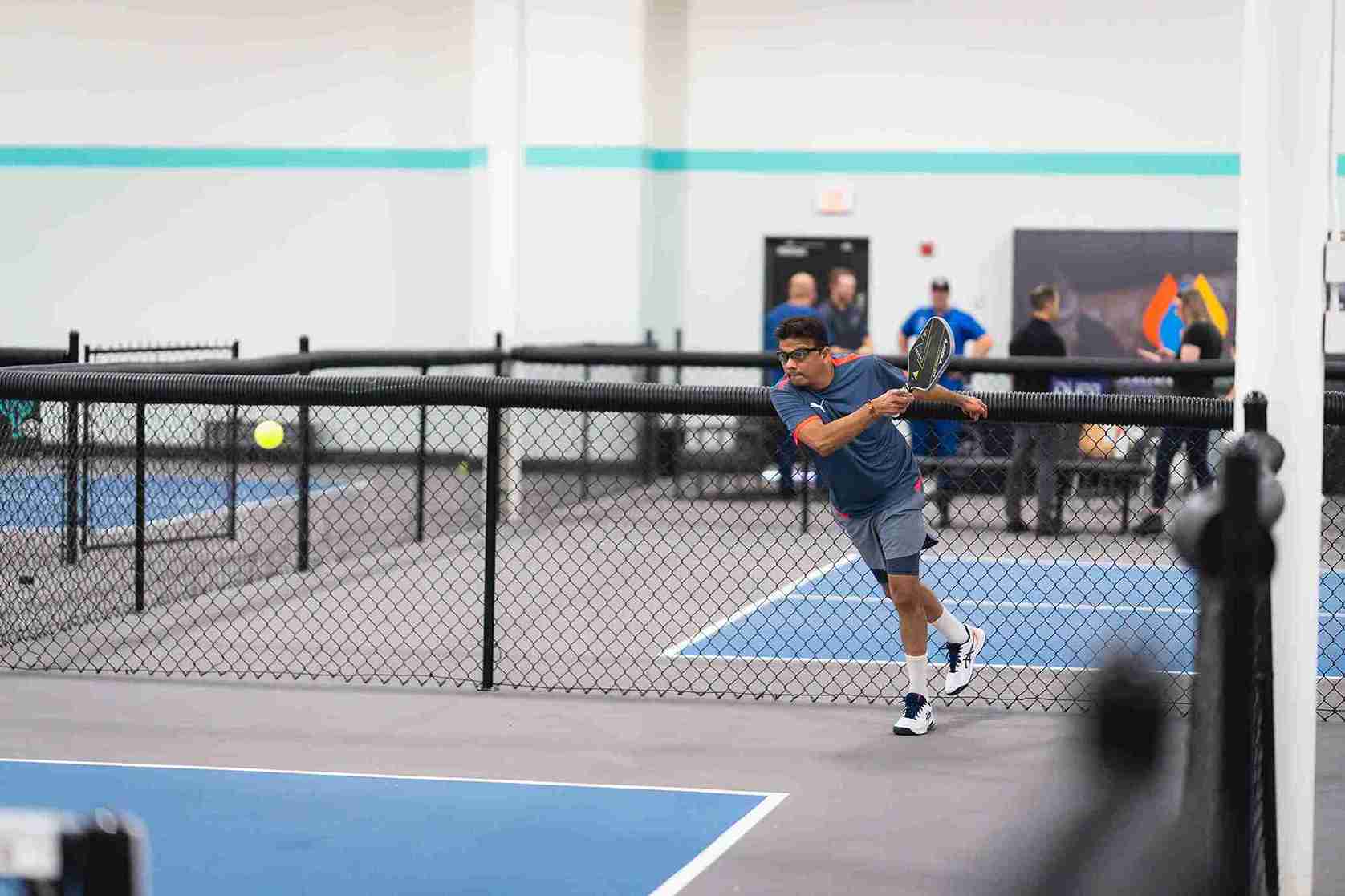
Maintain contact points well in front of your body. Early contact provides better angles and prevents opponents from moving into defensive positions. Keep your paddle face slightly closed to ensure downward ball trajectory.
Stay balanced throughout the entire motion. Avoid lunging or reaching, which compromises both power and accuracy. Your feet should remain planted with weight distributed evenly.
Strategic Placement Over Power
Where you place your speed-up matters more than how hard you hit it. Target selection can make or break your kitchen line attacks.
High-Percentage Target Zones
Aim for your opponent's body, particularly their playing shoulder or hip area. These awkward positions make clean defensive shots nearly impossible. Body shots force rushed decisions and often result in pop-ups or weak returns.
Consider targeting the sidelines when opponents position themselves centrally. Quick attacks toward the alleys exploit poor court coverage while maintaining reasonable margin for error.
Avoiding Low-Percentage Shots
Resist the temptation to hit outright winners every time. Extremely sharp angles or corner shots carry high error rates and often sail wide under pressure. Focus on forcing weak returns rather than ending points immediately.
Developing Consistent Timing
Timing development requires deliberate practice and patience. Start by recognizing attack opportunities during drilling sessions before attempting them in competitive play.
Practice your compact motion repeatedly until it becomes instinctive. The goal is eliminating conscious thought during execution - your body should react automatically when opportunities present themselves.
Mental Game and Decision Making
Successful speed-ups require split-second decision making. Train your eyes to quickly assess ball height, opponent position, and court geometry simultaneously.
Develop patience between attacks. Rushing into forced speed-ups often results in errors or easy counter-attacks. Wait for genuine opportunities rather than creating artificial ones.
Frequently Asked Questions
How do I know if I'm swinging too hard on speed-ups?
If you're consistently hitting balls into the net or sailing them long, you're likely overswinging. Focus on contact point control and compact motion rather than power generation. Successful speed-ups should feel controlled and deliberate.
What's the biggest mistake players make with kitchen line attacks?
Telegraphing their intentions through obvious preparation. When opponents can clearly see your backswing or body positioning, they gain valuable reaction time. Keep your motion compact and disguised until the moment of execution.
Should I always attack crosscourt or down the line?
Neither exclusively. Target selection should depend on opponent positioning and ball location. Generally, attack toward the open court or directly at your opponent's body for highest success rates.