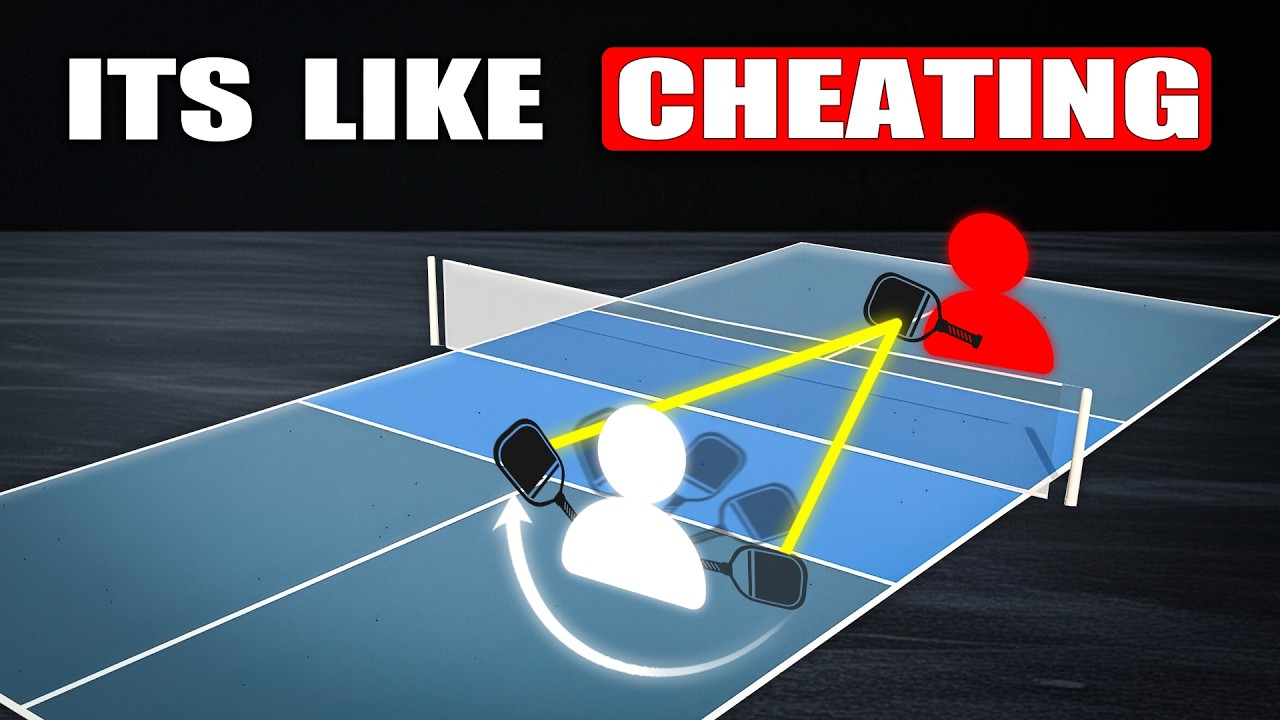
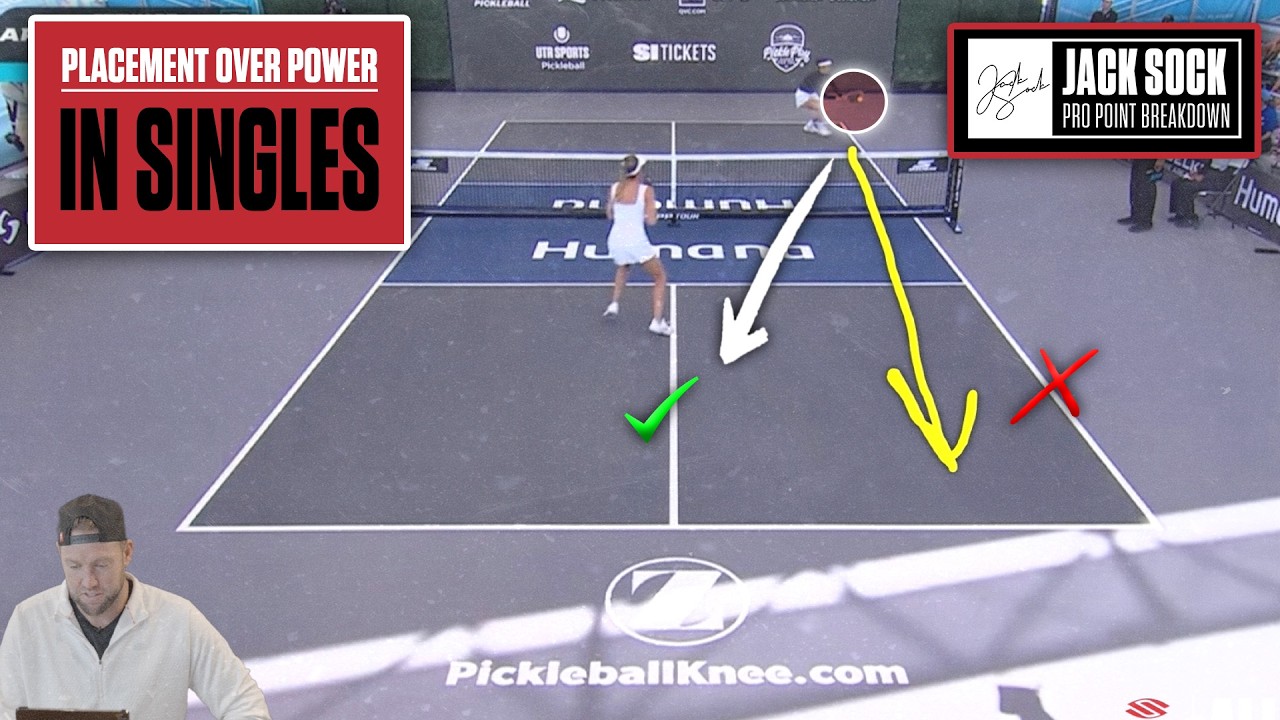
The Golden Rule of Middle Ball Coverage
Picture this scenario: your opponent hits a perfectly placed 4th shot right down the middle of the court. You and your partner freeze, uncertain who should take it. In that split second of hesitation, the ball drops for a winner. Sound familiar?
This confusion plagues recreational players everywhere, but the solution is surprisingly straightforward. According to pickleball strategy experts, the player already positioned at the non-volley zone line should always take the middle 4th shot - not their partner who's still advancing from the baseline.
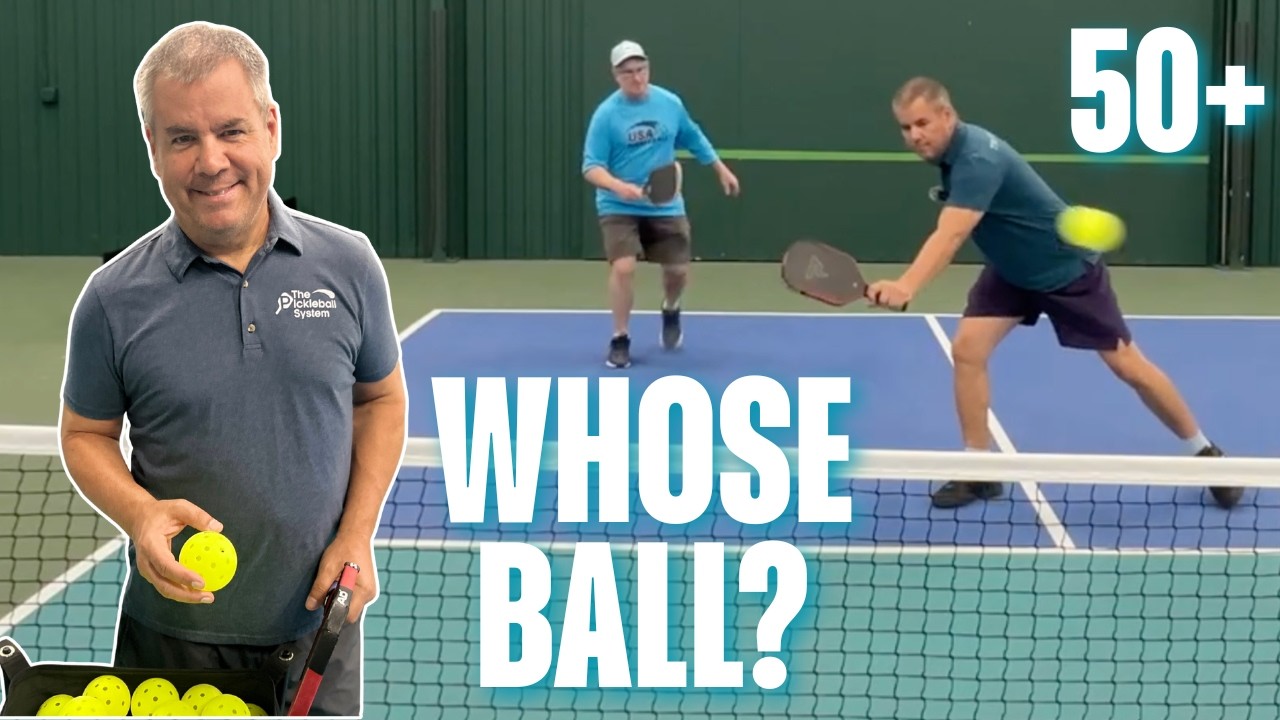
Why This Strategy Works Every Time
The logic behind this approach is bulletproof. When the serve and return sequence ends, one player typically finds themselves at the kitchen line while their partner begins their journey forward from the baseline. This positioning difference creates a clear hierarchy for middle ball responsibility.
Positioning Advantages
The player at the non-volley zone enjoys several critical advantages:
- Superior court position: They're already in the optimal spot for offensive play
- Better reaction time: No forward movement means faster response to incoming shots
- Cleaner swing path: Established position allows for more controlled paddle work
- Enhanced court vision: Static positioning provides better read on opponent intentions
The Problems with Baseline Coverage
When the advancing player attempts middle coverage, several issues emerge. Their forward momentum makes precise paddle control difficult, and they're operating from a disadvantaged court position. Additionally, this approach often leaves gaps in court coverage that savvy opponents will exploit.
Implementing the Strategy in Your Game
Making this transition requires clear communication and consistent practice. Start by establishing this rule with your regular playing partners. During warm-ups, practice scenarios where middle balls come your way, reinforcing who should take responsibility based on court positioning.
Communication is Key
Even with established rules, vocal communication remains essential. Quick calls like "mine" or "got it" eliminate any residual confusion. The player at the kitchen line should be proactive in claiming middle balls, giving their partner confidence to focus on their side of the court.
Practice Drills for Better Coverage
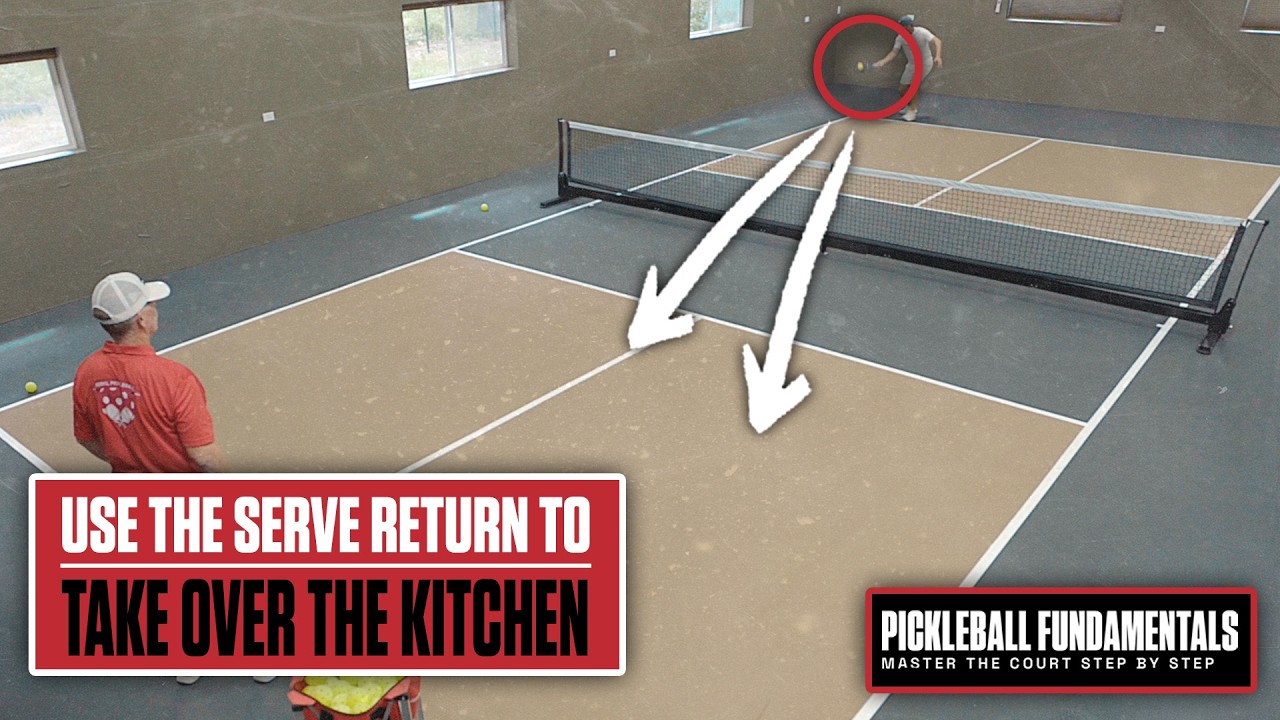
Dedicate practice time specifically to middle ball scenarios. Have a coach or practice partner feed balls to the middle during transition phases. Focus on the kitchen-line player moving decisively toward these shots while the baseline player continues their forward progression without hesitation.
Common Mistakes to Avoid
Many teams struggle with middle coverage because they haven't established clear protocols. Some players default to "whoever gets there first" mentality, which creates chaos and missed opportunities. Others rely solely on court position without considering the dynamic nature of point development.
Overcoming Hesitation
Hesitation kills more points than poor shot selection. When you're the designated middle player, commit fully to the shot. Your partner is counting on you to handle this responsibility, allowing them to focus on their court coverage duties.
Building Team Chemistry
Successful doubles teams operate like well-oiled machines, with each player understanding their role instinctively. By adopting the kitchen-line-takes-middle approach, you eliminate guesswork and build the trust necessary for championship-level play.
This strategy works at every skill level, from recreational play to tournament competition. The key is consistent application and clear communication with your partner about expectations and responsibilities.
Frequently Asked Questions
What if both players are at the kitchen line when a middle ball comes?
When both players are positioned at the non-volley zone, default to the player on the forehand side taking middle balls, as this typically provides the strongest and most natural swing mechanics.
Should this rule apply to all middle shots or just the 4th shot?
While this article focuses on 4th shot scenarios, the principle extends to most middle ball situations. The player in the more advantageous court position should generally take responsibility for middle coverage.
How do we practice this strategy effectively?
Set up specific drills where one partner feeds balls to the middle during transition phases. Focus on the kitchen-line player calling and taking these shots decisively while the baseline player continues their forward movement without hesitation.