Transform Your Kitchen Line Game with These Pro-Level Defense Skills
Getting constantly attacked at the kitchen line can be one of the most frustrating experiences in pickleball. If you find yourself on the receiving end of relentless drives and aggressive shots during net exchanges, it's time to level up your defensive positioning and awareness.
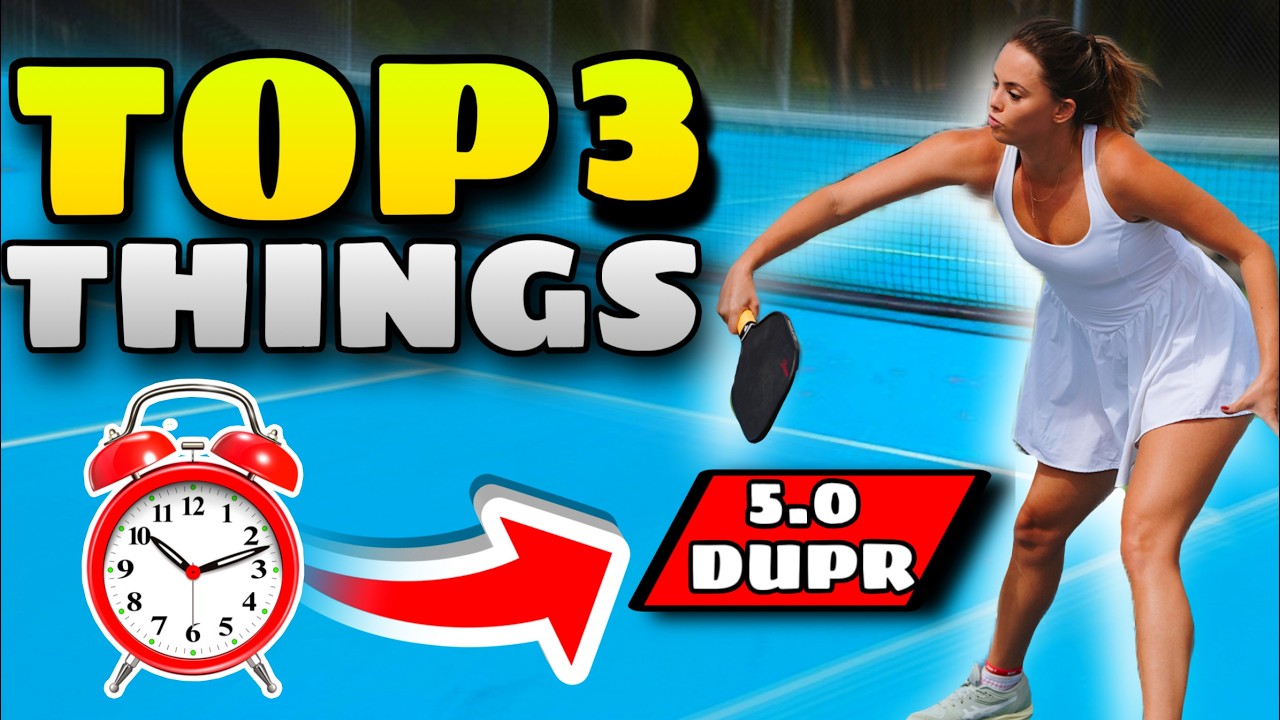
Professional player and coach Tanner Tomassi has identified six critical adjustments that can transform you from an easy target into an impenetrable wall at the non-volley zone. These skills focus on positioning, court awareness, and tactical adjustments that make attacking you a poor strategic choice for opponents.

1. Master Your Ready Position and Court Positioning
Your stance at the kitchen line sets the foundation for everything else. Position yourself approximately 12-18 inches behind the kitchen line with your paddle held high in front of your body. Keep your knees slightly bent and weight on the balls of your feet for quick reactions.
The key is maintaining a balanced, athletic posture that allows you to move laterally or step back quickly when needed. Your paddle should be positioned at chest height, creating a defensive barrier that's ready to block or redirect incoming attacks.
Optimal Spacing and Court Coverage
Work with your partner to maintain proper court coverage without leaving gaps. Generally, each player should cover their half of the court while staying close enough to communicate and support each other during rapid exchanges.

2. Develop Lightning-Fast Reaction Time
At the kitchen line, milliseconds matter. Train your reflexes by practicing rapid-fire dinking drills and having partners feed you balls at varying speeds and angles. The goal is to develop muscle memory that allows you to react instinctively rather than thinking through each shot.
Focus on keeping your paddle face stable and using compact, controlled movements. Avoid large backswings that telegraph your intentions and slow down your reaction time.
3. Perfect Your Blocking and Reset Techniques
When opponents attack with pace, your primary goal should be neutralizing their aggression rather than trying to counter-attack immediately. Practice absorbing the power of incoming shots by using a firm grip and stable paddle face.
Learn to "reset" points by taking pace off the ball and dropping it softly back into the kitchen. This forces opponents to start their attack sequence over and gives you time to regain optimal positioning.
Body Positioning During Blocks
Turn your body slightly to create a larger blocking surface and protect yourself from body shots. Keep your non-paddle hand ready to help guide your paddle and maintain balance during rapid exchanges.
4. Read Your Opponent's Attack Patterns
Successful kitchen line defense requires anticipating where attacks are coming from. Watch your opponents' paddle preparation, body positioning, and court location to predict their likely targets.
Most players have preferred attack angles and patterns. Some consistently target the same player, while others always go cross-court or down the line. Identifying these tendencies allows you to position proactively rather than reactively.
5. Use Strategic Movement and Positioning
Don't remain static at the kitchen line. Use small, strategic steps to adjust your position based on ball location and opponent positioning. When the ball is on your opponent's backhand side, for example, slightly favor that direction in your positioning.
Practice the "split step" timing that helps you react quickly regardless of which direction you need to move. This small hop helps you change direction efficiently and maintains your balance during rapid exchanges.
6. Communicate Effectively with Your Partner
Clear, concise communication prevents confusion and ensures both players know their responsibilities during kitchen line battles. Use simple calls like "mine," "yours," or "switch" to coordinate coverage and avoid collisions.
Develop signals for strategic positioning changes and discuss your defensive strategy between points to stay coordinated under pressure.
Practice Drills to Build These Skills
Incorporate specific drills into your training routine that simulate game-like pressure. Practice rapid dinking sequences, have partners feed you aggressive drives from various court positions, and work on transition movements between offensive and defensive positioning.
Remember that becoming unattackable at the kitchen line requires consistent practice and patience. These skills develop over time through repetition and game experience.
Frequently Asked Questions
How close should I stand to the kitchen line during net exchanges?
Position yourself 12-18 inches behind the kitchen line to allow quick reactions while staying close enough to reach short shots. This distance provides the optimal balance between offensive reach and defensive stability.
What's the most important skill for kitchen line defense?
Paddle positioning and ready stance are fundamental. Keep your paddle high at chest level with a firm grip, maintaining an athletic posture that allows quick movement in any direction while presenting a strong defensive barrier.
How can I improve my reaction time at the net?
Practice rapid-fire dinking drills and have partners feed balls at varying speeds and angles. Focus on compact movements, avoid large backswings, and develop muscle memory through consistent repetition of defensive scenarios.