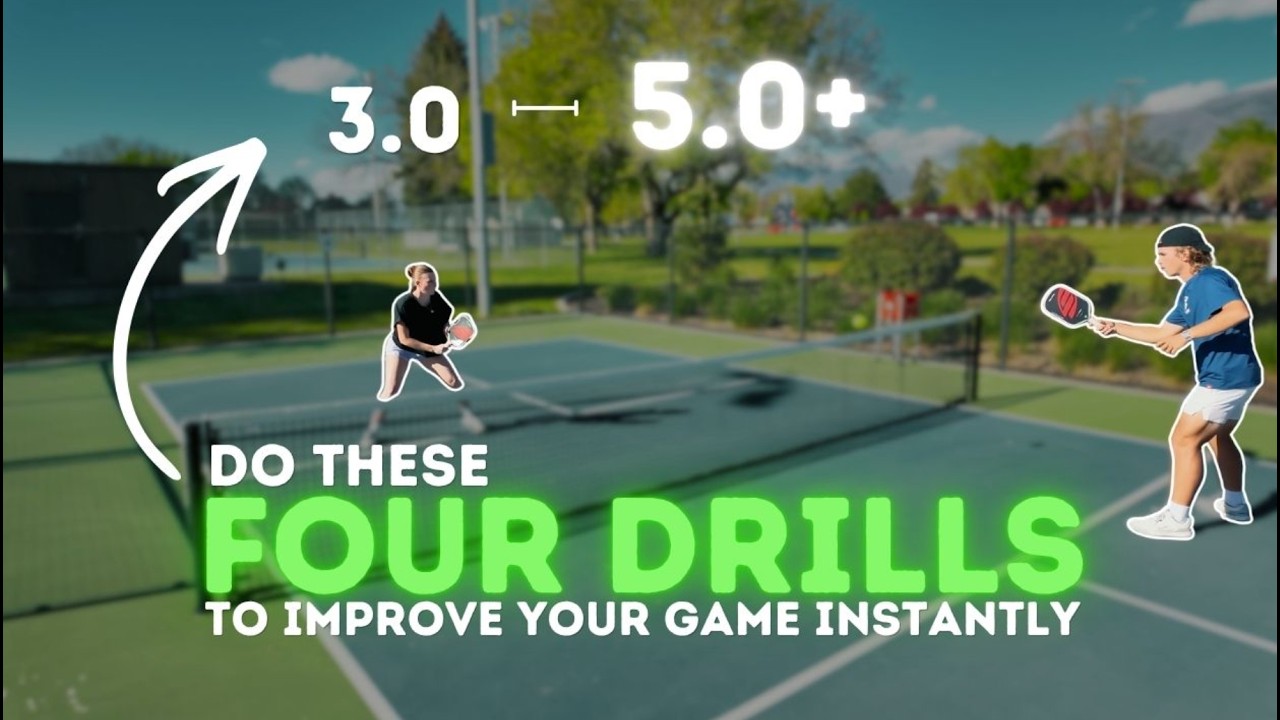
With pickleball experiencing explosive growth—participation jumped 36.3% between 2021 and 2022 alone—finding players in your area has never been more achievable. The challenge isn't that players don't exist; it's knowing where to look for them.
Whether you're new to the sport or recently relocated, these six proven strategies will help you build a consistent playing schedule and expand your pickleball network.
1. Use Dedicated Pickleball Apps
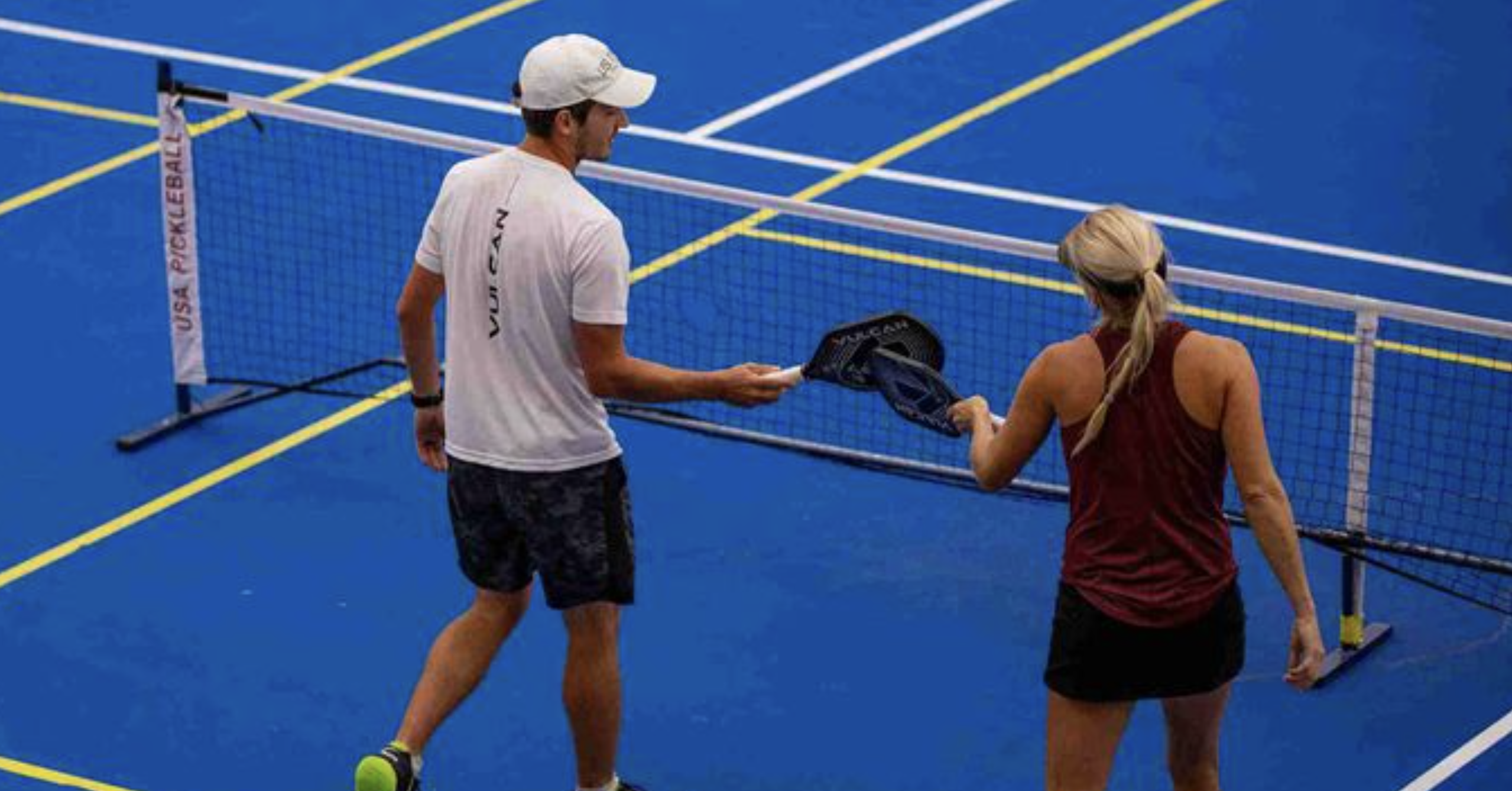
Modern technology offers the fastest path to connecting with local players. Apps like Playtime Scheduler, PicklePlay, and Rally allow you to discover courts, join games, and message other players directly. These platforms often include skill-level filters, ensuring you find matches appropriate for your abilities.
Most apps feature real-time availability updates, letting you see who's planning to play when. Set up notifications for your preferred courts and times to never miss spontaneous game opportunities.

2. Attend Open Play Sessions
Open play sessions represent the backbone of local pickleball communities. These scheduled times allow players of all levels to show up and participate in rotating games. Check with your local recreation centers, tennis clubs, and community centers for their open play schedules.
During open play, you'll naturally rotate partners and opponents, making it an ideal environment for meeting players with similar schedules and skill levels. Many lasting pickleball friendships and regular game groups form during these casual sessions.
3. Join Local Pickleball Clubs
Pickleball clubs offer structured environments for regular play and skill development. Most clubs organize weekly games, tournaments, and social events that extend beyond the court. Membership fees are typically modest and often include access to exclusive court times and coaching opportunities.
Search for clubs through USA Pickleball's club directory or contact your local parks and recreation department for recommendations. Many clubs welcome beginners and offer mentorship programs pairing new players with experienced members.
4. Explore Online Communities
Facebook groups, Reddit communities, and local forums have become central hubs for pickleball players organizing games and sharing information. Search for groups specific to your city or region—most active communities maintain these digital spaces for coordination.
These platforms excel at facilitating last-minute games when someone cancels or organizing special events like beginner workshops or skill-specific sessions. Join multiple groups to maximize your game opportunities.
5. Network at Sports Facilities
Tennis centers, athletic clubs, and community recreation facilities often host pickleball programs or rent court space to players. Visit during peak hours to observe games and introduce yourself to players taking breaks.
Many facilities maintain bulletin boards where players post contact information or game schedules. Don't overlook smaller venues—some of the most welcoming communities develop at lesser-known locations.
6. Participate in Tournaments and Events
Local tournaments, even recreational ones, attract dedicated players who are serious about regular play. While you don't need to compete, attending as a spectator allows you to network and learn about ongoing games in your area.
Many tournaments include social events or clinics that welcome non-competitors. These gatherings often lead to invitations for regular practice sessions or casual games.
Building Lasting Connections
Once you identify potential playing partners, focus on consistency and reliability. Show up when you commit, communicate clearly about your availability, and be inclusive of newer players. The strongest pickleball networks develop when players actively support each other's improvement and enjoyment.
Consider creating your own regular group once you've established connections. Many successful playing groups started with just two or three people who committed to meeting consistently.
Frequently Asked Questions
How do I know if I'm ready to play with others?
If you can serve consistently, understand basic scoring, and maintain short rallies, you're ready for beginner-level games. Most communities welcome new players and will help you learn through play.
What should I expect during my first open play session?
Arrive early to introduce yourself and observe the rotation system. Bring water, wear appropriate court shoes, and be prepared to play with various skill levels. Most groups explain their format to newcomers.
How much does it typically cost to join a pickleball club?
Club membership fees vary widely, ranging from $20-100 annually for community-based clubs to $50-200 monthly for private facilities. Many offer trial periods or guest passes to help you evaluate the fit.