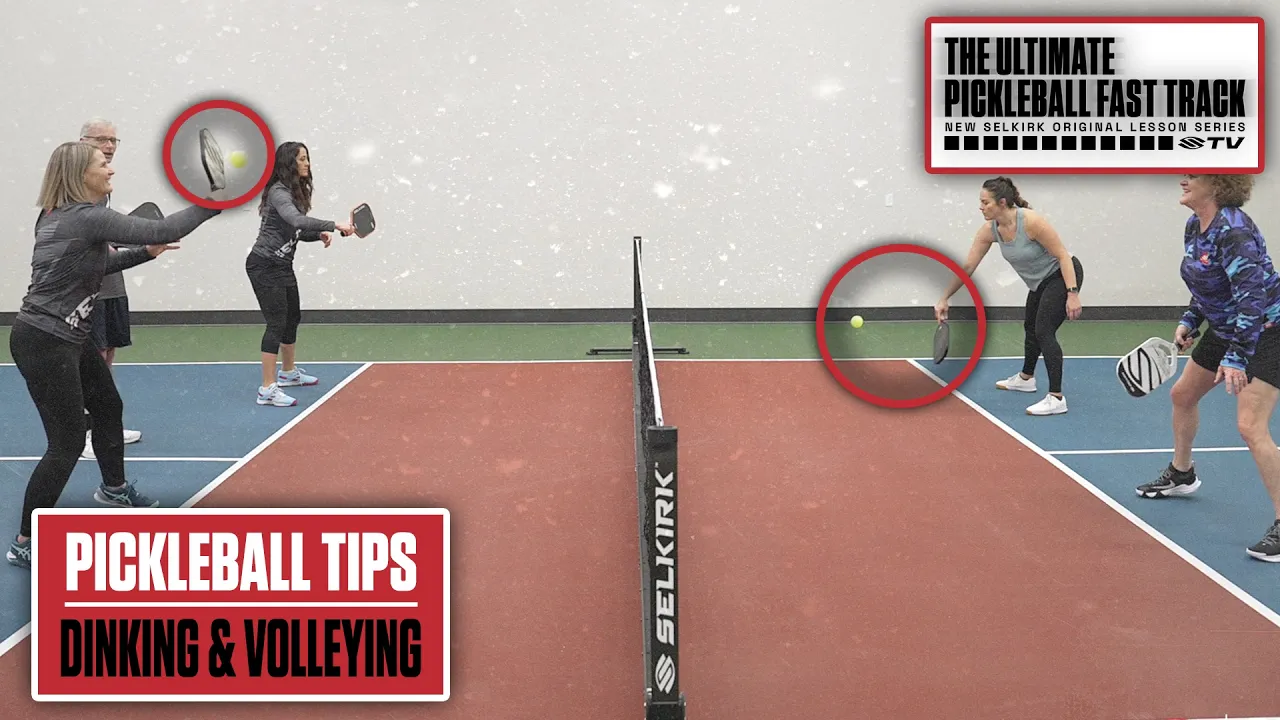
The Game-Changing Drills Every Pickleball Player Must Master
Skip the flashy trick shots and Instagram-worthy highlights that look impressive but rarely work in actual matches. If you're serious about elevating your pickleball game quickly, focus on the fundamental drills that professional players rely on to sharpen their competitive edge.
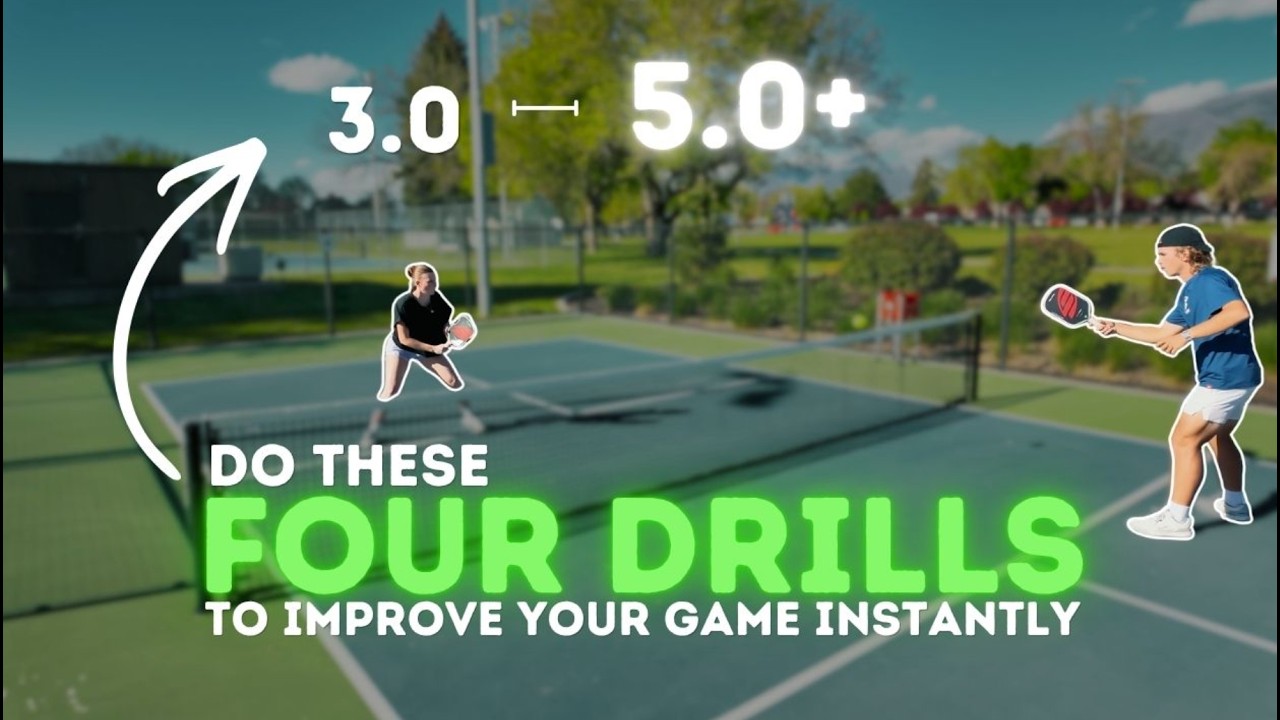
Professional players Liam Duffin from the PPA Challenger Tour and Mary Monson, a newly signed pro with collegiate experience, have identified the four most impactful drills that translate directly into match-winning performance. These aren't just random exercises – they're strategic training methods that address the core skills every successful pickleball player needs.
Drill #1: Third Shot Drop Consistency Training
The third shot drop remains one of the most crucial shots in pickleball, yet it's often the most inconsistent part of recreational players' games. This drill focuses on developing the soft touch and precise placement needed to neutralize aggressive opponents and transition from defense to offense.
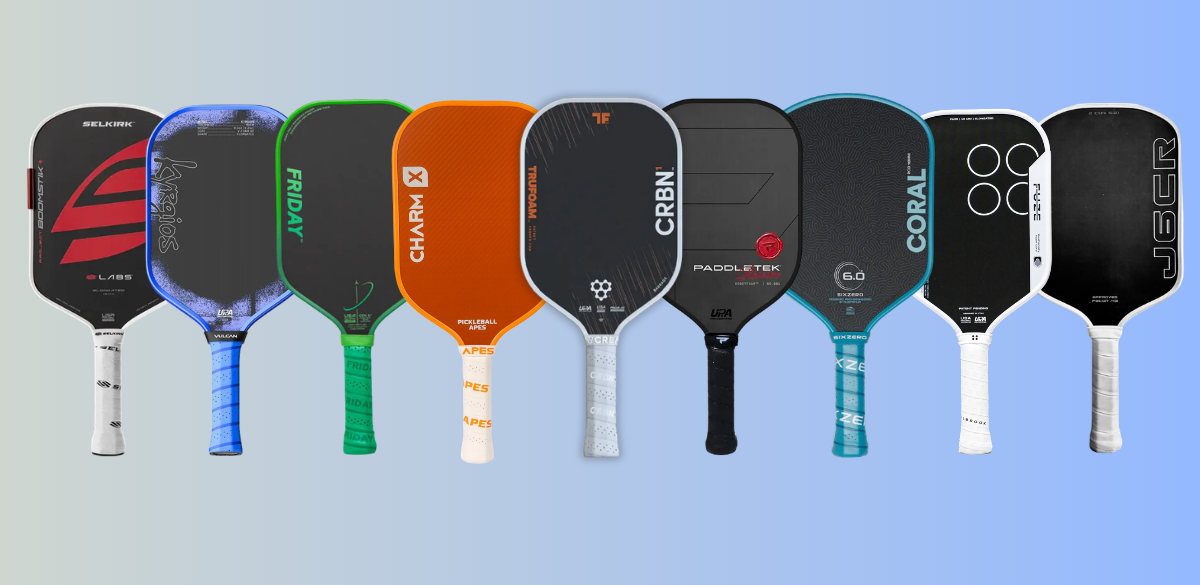
Start at the baseline and practice hitting soft, arcing shots that land in your opponent's kitchen zone. Focus on consistent contact point, smooth follow-through, and controlling the ball's trajectory. The goal isn't power – it's precision and consistency under pressure.
Key Focus Points:
- Maintain a relaxed grip throughout the shot
- Keep your paddle face slightly open at contact
- Follow through toward your target zone
- Practice from various court positions
Drill #2: Dinking Cross-Court Control
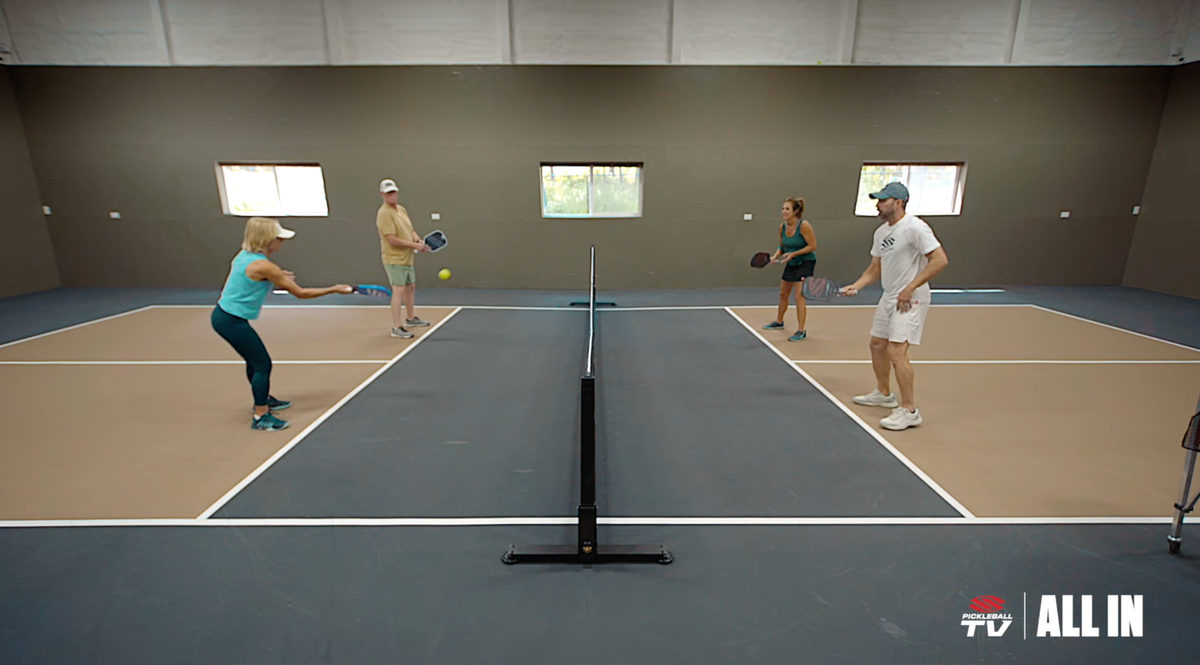
Dinking isn't just about keeping the ball low – it's about controlling tempo, creating opportunities, and forcing errors from your opponents. This cross-court dinking drill develops the patience and precision that separates advanced players from beginners.
Position yourself at the kitchen line and practice sustained cross-court dinking rallies. Focus on maintaining consistent depth, controlling spin, and gradually increasing the angle of your shots to pull opponents out of position.

Progressive Training Steps:
- Start with straight-ahead dinks for control
- Progress to cross-court angles
- Add spin variations for advanced control
- Practice transitioning from defense to attack
Drill #3: Volley Reaction and Placement
Quick hands and precise placement at the net often determine match outcomes. This volley drill simulates the rapid exchanges that occur during competitive play, training both your reflexes and your ability to place shots strategically under pressure.
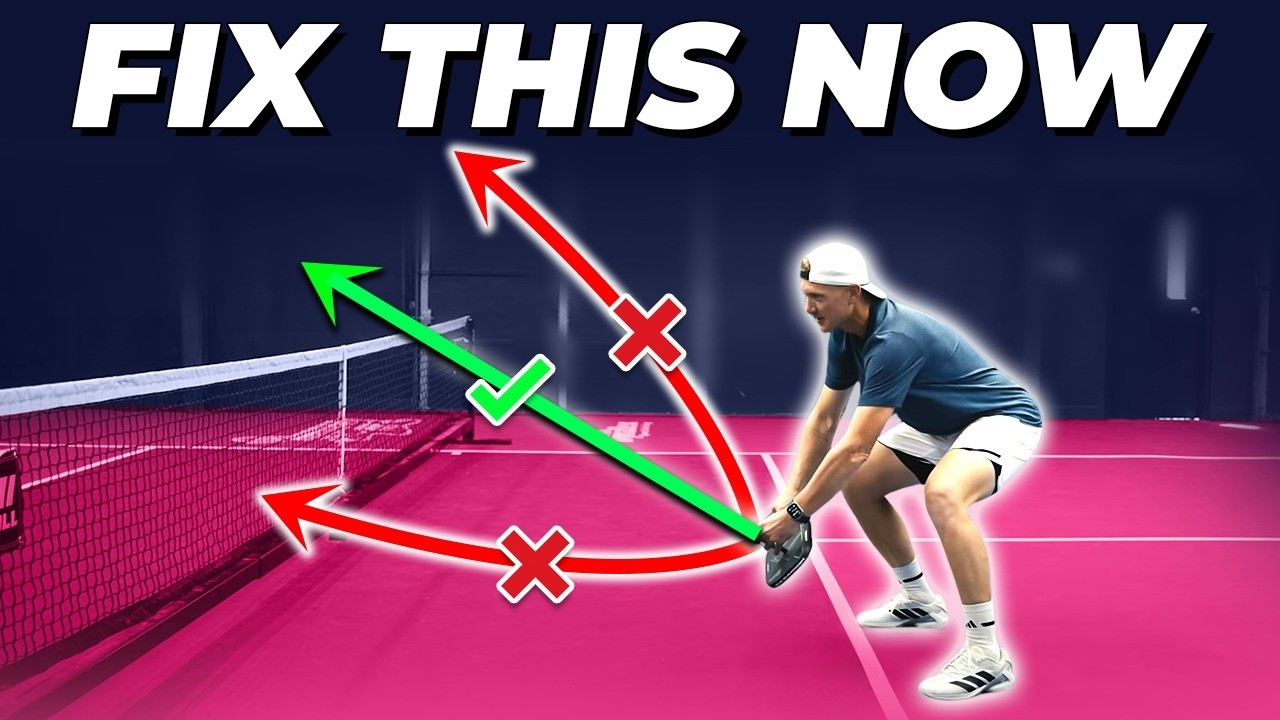
Stand at the kitchen line while a partner feeds balls at varying speeds and heights. Focus on keeping your paddle up, minimizing backswing, and directing shots to specific target areas rather than simply returning the ball.
Training Variations:
- Static position volleys for basic control
- Moving volleys to simulate game movement
- Rapid-fire sequences for reaction training
- Target-specific placement challenges
Drill #4: Transition Zone Footwork and Shot Selection
The transition zone – that crucial area between the baseline and kitchen – is where many points are won or lost. This drill develops the footwork patterns and shot selection skills needed to navigate this challenging court area effectively.
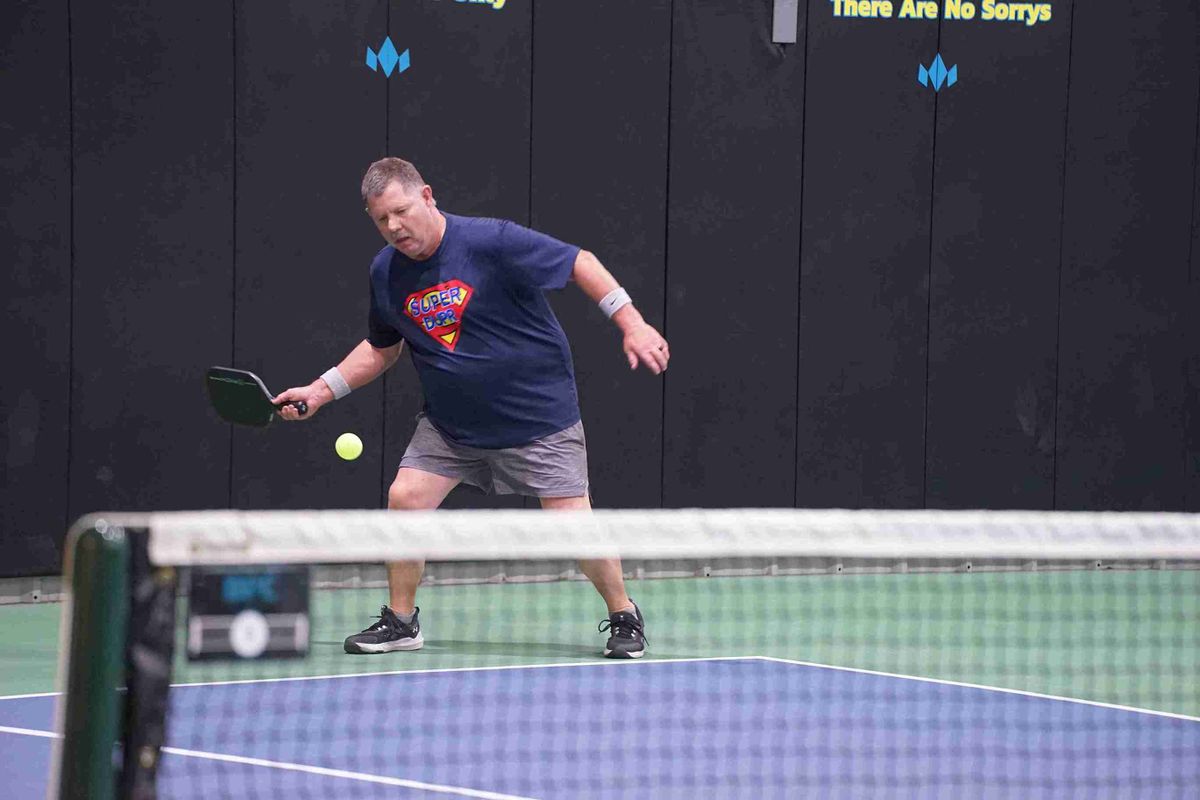
Practice moving through the transition zone while maintaining proper ready position and making appropriate shot selections based on ball height and opponent positioning. The key is learning when to advance, when to retreat, and when to hold your ground.
Essential Components:
- Split-step timing for better balance
- Quick forward and backward movement
- Shot selection based on ball trajectory
- Proper court positioning for next shot
Implementing Your Training Routine
Consistency trumps intensity when developing these skills. Dedicate 15-20 minutes to each drill during your practice sessions, focusing on quality repetitions rather than rushing through the motions. Track your progress by noting improvement in consistency, placement accuracy, and ability to execute under pressure.
Remember that these drills work because they mirror real game situations. The muscle memory and decision-making patterns you develop will automatically transfer to competitive play, giving you a significant advantage over opponents who rely solely on recreational play for improvement.
Frequently Asked Questions
How often should I practice these drills to see improvement?
Aim for 2-3 practice sessions per week, spending 15-20 minutes on each drill. Consistent practice over 4-6 weeks typically produces noticeable improvement in match play performance.
Can I practice these drills alone or do I need a partner?
While a partner is ideal for most drills, you can adapt several for solo practice using a wall or ball machine. The third shot drop and some volley work can be effectively practiced against a wall with proper setup.
What's the biggest mistake players make when practicing these drills?
The most common error is prioritizing speed over accuracy. Focus on executing each drill with proper form and placement before increasing pace or adding complexity to your training routine.