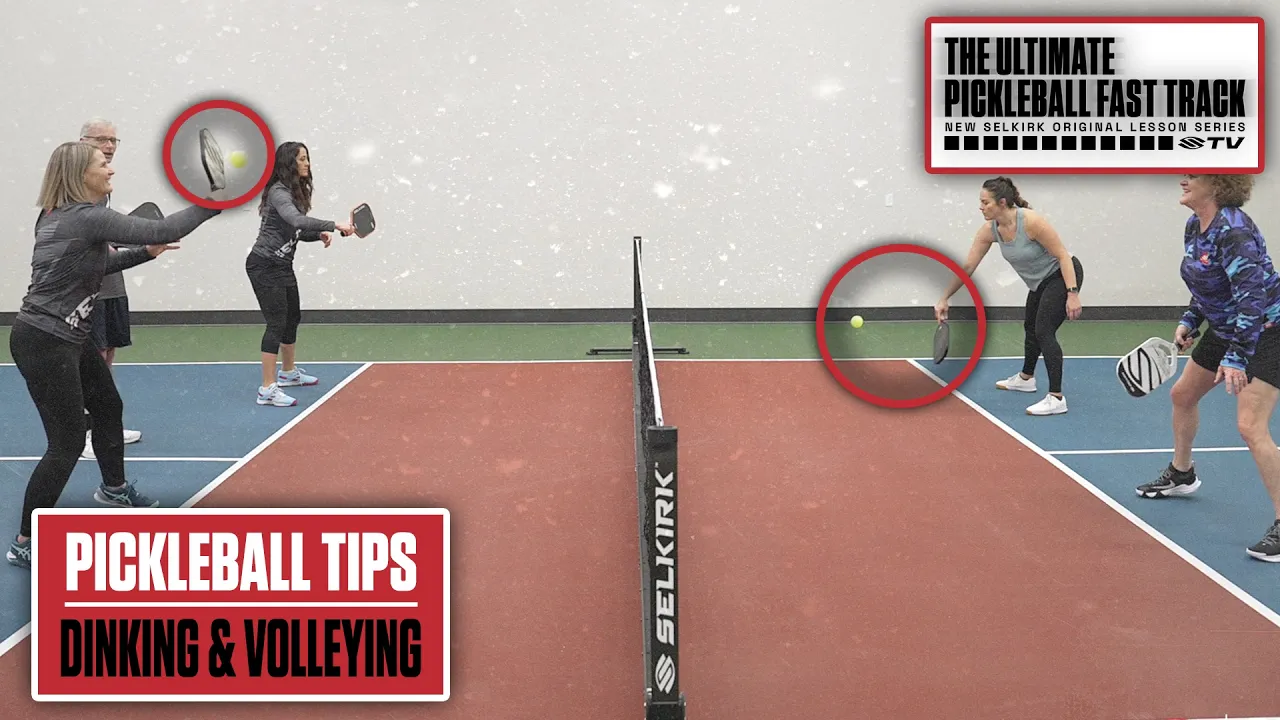
If you're struggling to finish points at the non-volley zone, you're not alone. The volley should be your most reliable weapon when positioned at the net, yet many recreational players unknowingly sabotage their own success with fundamental technique flaws.
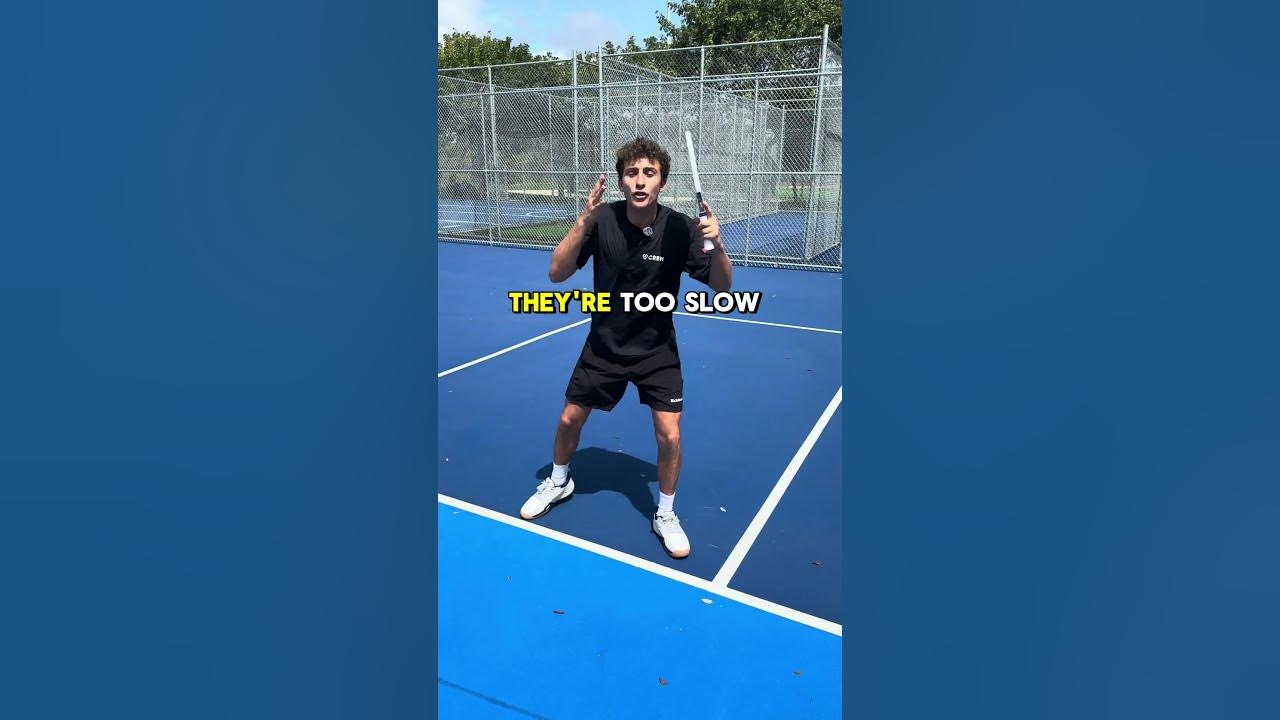
Professional PPA player Ashley Griffith has identified three critical adjustments that can instantly elevate your net game. These aren't complex biomechanical changes – they're simple modifications that address the most common volleying mistakes plaguing club-level players.

The Foundation of Elite Volleying
Before diving into specific techniques, it's crucial to understand what separates professional volleying from recreational attempts. Elite players don't rely on power or aggressive swings at the net. Instead, they focus on precision, timing, and strategic placement.
The volley serves multiple purposes in modern pickleball: it allows you to maintain offensive positioning, creates opportunities to exploit court geometry, and provides the finishing touch when opponents present high balls. However, these benefits only materialize when your technique supports these objectives.
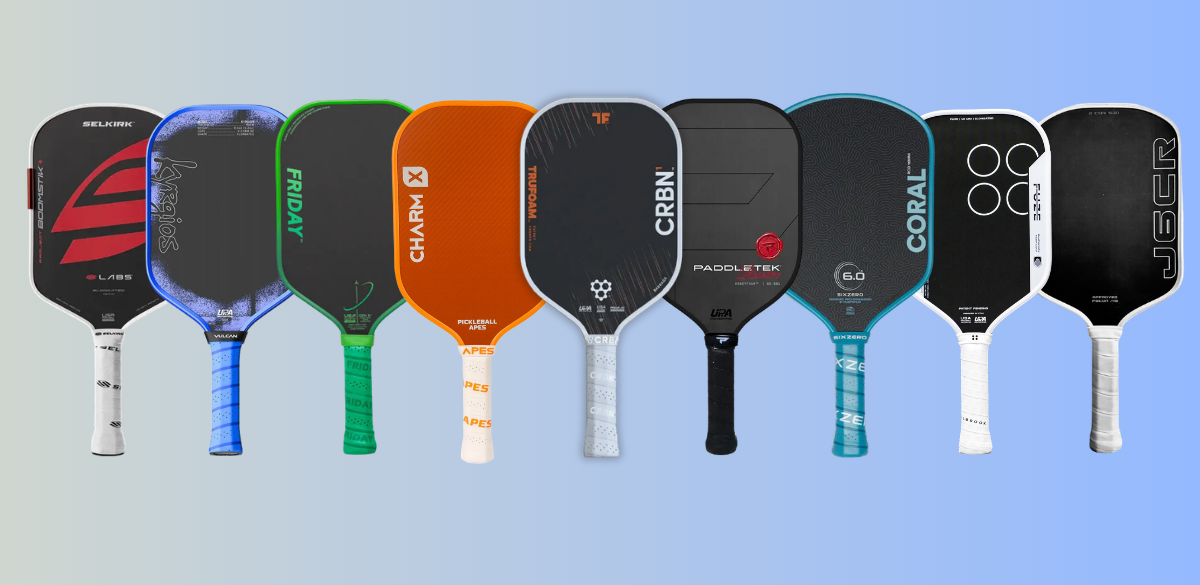
Technique Adjustment #1: Paddle Position and Preparation
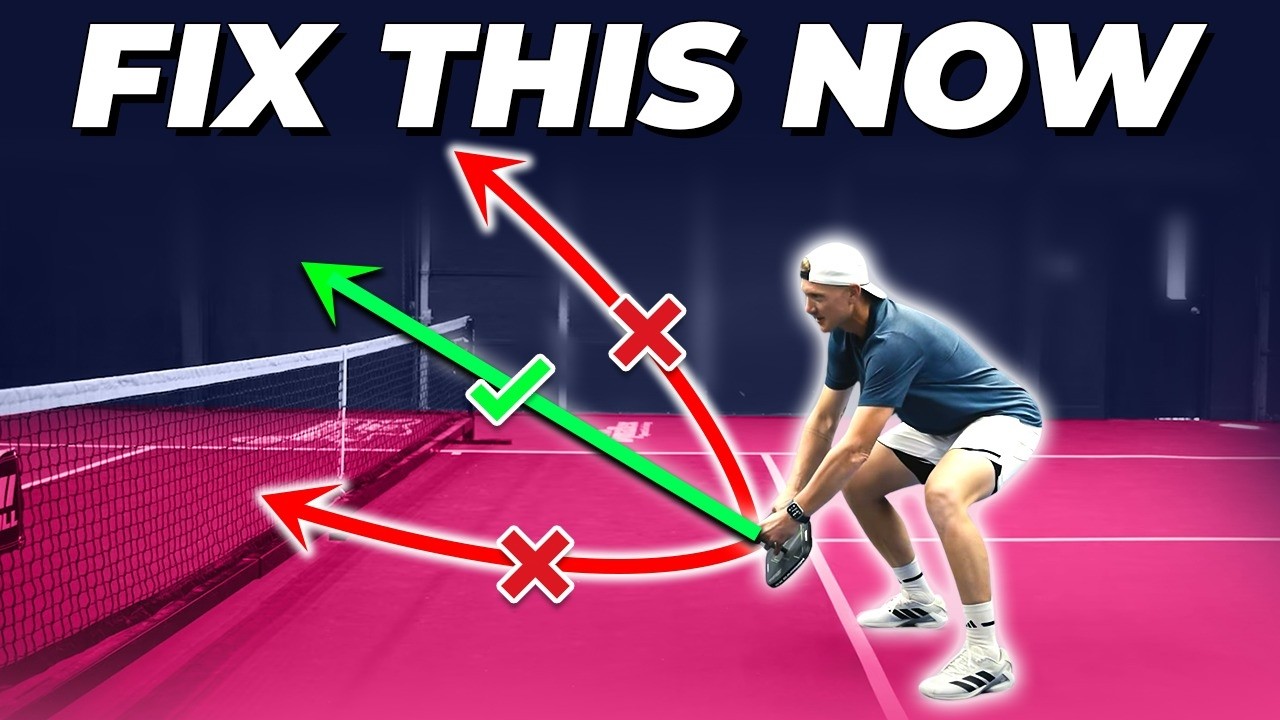
The first major correction involves your paddle preparation and positioning. Many players prepare their paddle too low or allow it to drop below the net level before contact. This creates an upward swing path that often results in balls sailing long or popping up for easy counter-attacks.
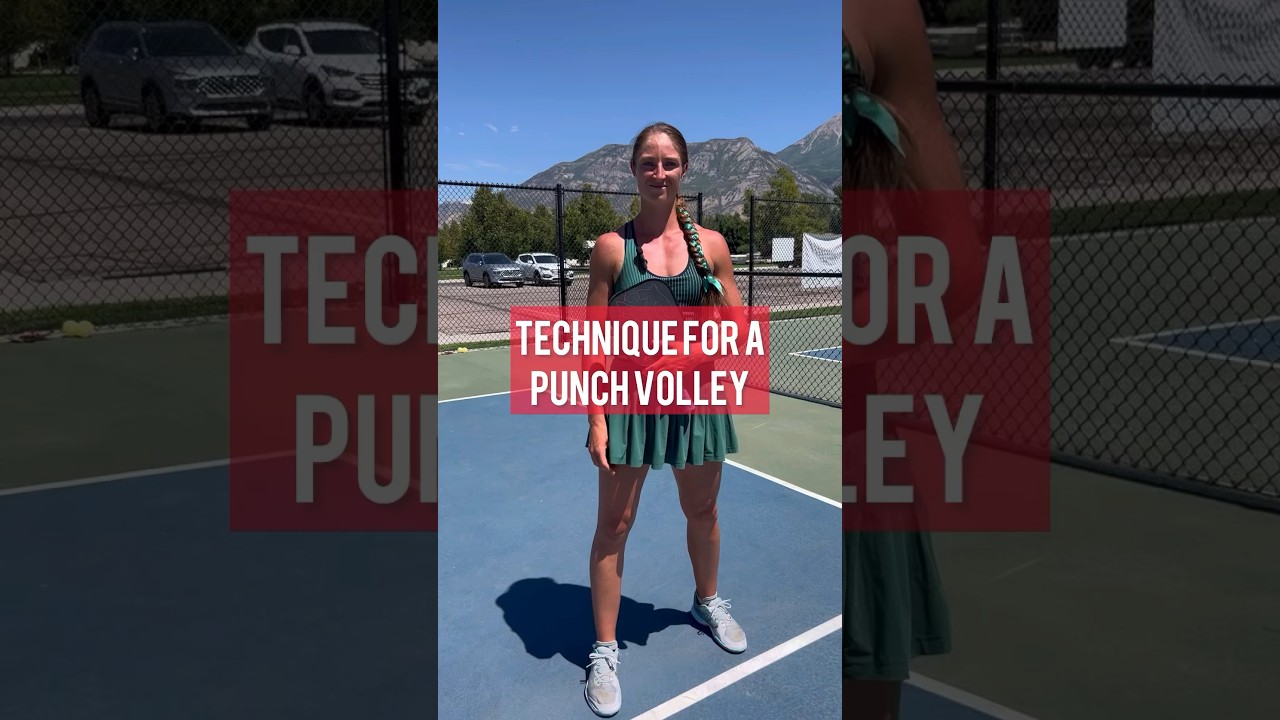
Professional players like Griffith maintain their paddle in what's known as the "ready position" – slightly above net height with the face angled appropriately for the incoming ball. This positioning allows for clean, controlled contact without requiring dramatic swing adjustments.
The Ready Position Details
Your paddle should remain in your peripheral vision, positioned where you can see both the ball and your paddle face simultaneously. This creates better hand-eye coordination and allows for micro-adjustments as the ball approaches. The grip pressure should remain light but controlled, avoiding the tension that leads to erratic shots.
Technique Adjustment #2: Contact Point Optimization
The second critical adjustment focuses on where and when you make contact with the ball. Recreational players often let the ball get too close to their body or wait until it drops below optimal height. This defensive contact point severely limits your offensive options.
Griffith emphasizes making contact as far in front of your body as comfortably possible, while the ball is still rising or at its peak height. This forward contact point provides several advantages: better court vision, increased angle options, and the ability to direct balls downward rather than upward.
Timing and Rhythm
Optimal contact timing requires anticipation rather than reaction. By reading your opponent's shot early and positioning yourself accordingly, you can intercept balls at their most advantageous height and location. This proactive approach transforms volleys from defensive reactions into offensive weapons.
Technique Adjustment #3: Follow-Through and Direction Control
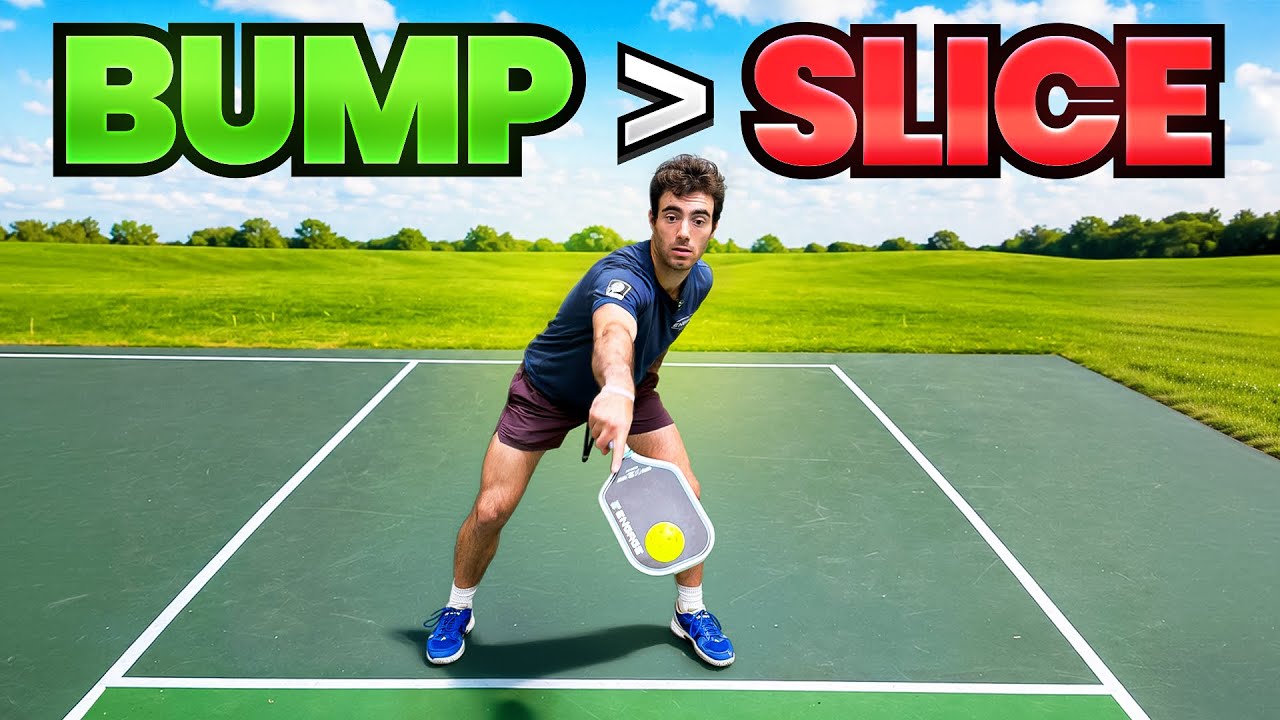
The final adjustment addresses follow-through mechanics and directional control. Many players either over-swing or completely abandon their follow-through, leading to inconsistent results and missed opportunities.
Professional volleys feature compact, controlled follow-throughs that guide the ball to specific court locations. Rather than hitting and hoping, elite players use their follow-through to paint the lines, exploit gaps, or set up the next shot in a sequence.
Strategic Shot Selection
Effective volleying isn't just about technique – it's about choosing the right shot for each situation. Griffith emphasizes that every volley should have a purpose: either to win the point outright, create a better offensive opportunity, or neutralize your opponent's attack.
Implementing These Changes
Like any technical adjustment, these improvements require deliberate practice and patience. Start by focusing on one element at a time during drill work before combining all three adjustments. Shadow swings, wall practice, and controlled feeding drills can help groove these new movement patterns without the pressure of live play.
Remember that temporary inconsistency often accompanies technique changes. Trust the process and maintain focus on proper mechanics rather than immediate results.
Frequently Asked Questions
How long does it take to see improvement in volley technique?
Most players notice improvements within 2-3 focused practice sessions, though full integration typically takes 4-6 weeks of consistent work. The key is deliberate practice rather than simply playing more games.
Should I focus on forehand or backhand volleys first?
Start with your stronger side to build confidence and muscle memory, then transfer those concepts to your weaker volley. The fundamental principles apply to both sides, making the transition more manageable.
What's the most common volley mistake among recreational players?
Letting the ball drop too low before making contact is the most frequent error. This forces players into an upward swing path, reducing control and increasing the likelihood of errors or weak shots.