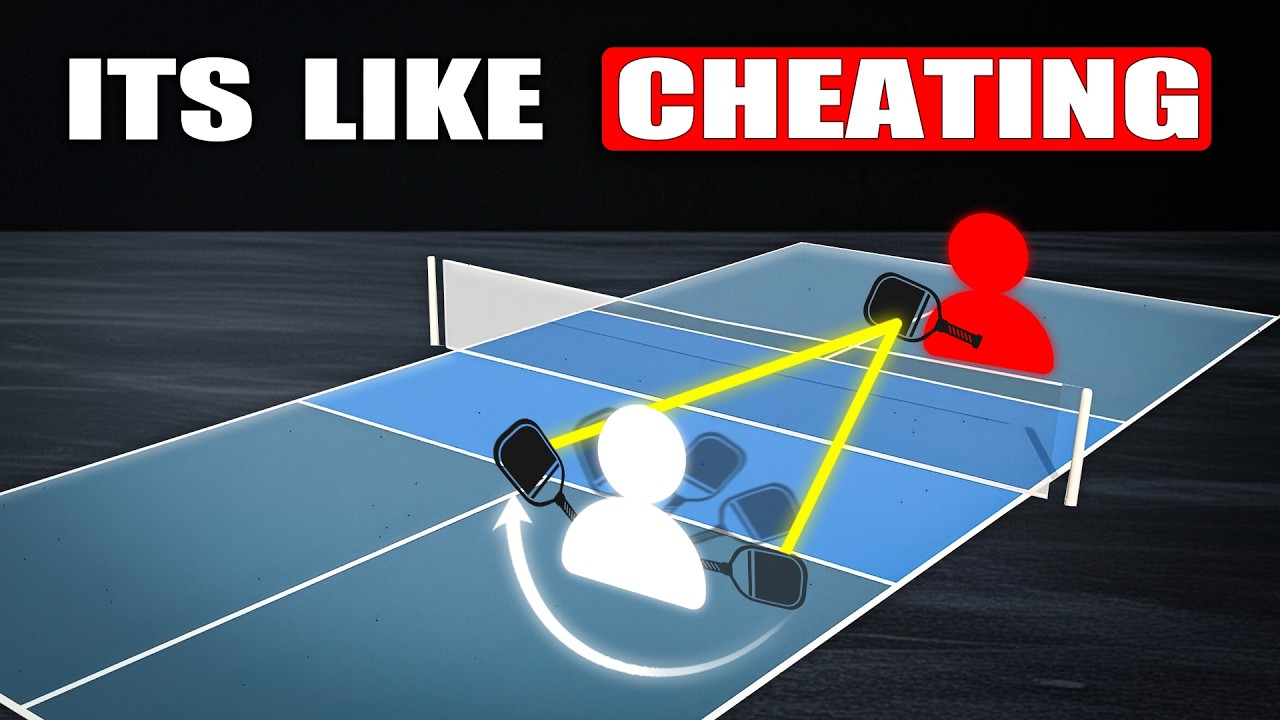
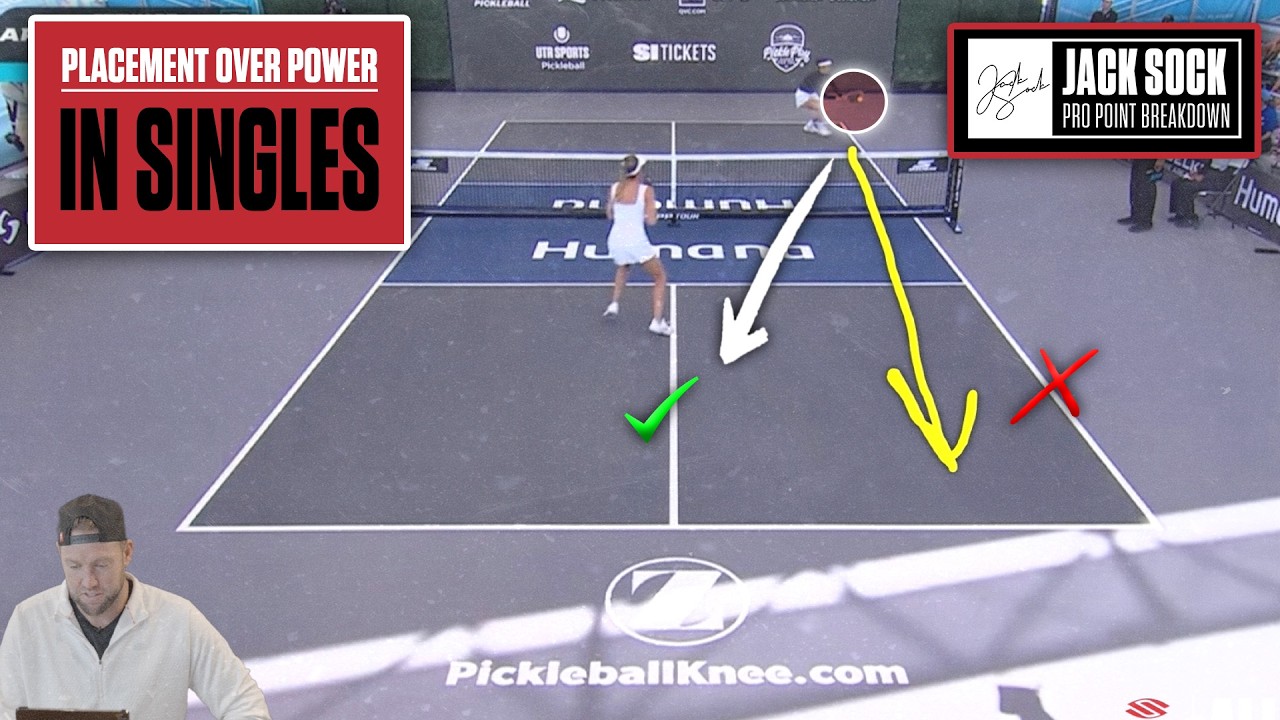
The difference between players who stay stuck and those who rapidly improve isn't what you'd expect. It's not about hitting harder or running faster—it's about eliminating the subtle mistakes that sabotage your progress without you even noticing.
Professional player and coach Michael Loyd has identified seven critical errors that plague recreational players. These aren't obvious blunders like hitting into the net. They're sneaky habits that compound over time, creating invisible barriers to improvement.
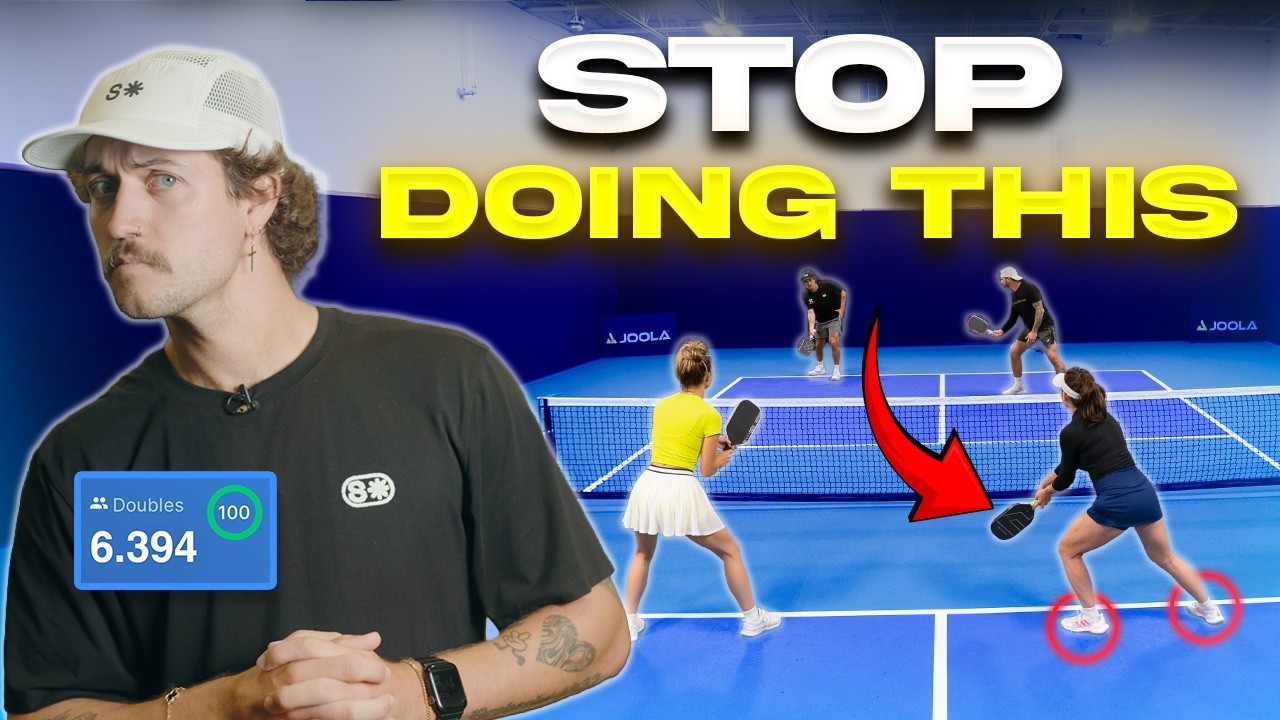
The Psychology Behind Persistent Mistakes
Most players focus on the wrong metrics. They celebrate powerful shots while ignoring fundamental flaws in positioning, timing, and decision-making. Loyd explains that these underlying issues create a false ceiling—players feel like they're improving but can't break through to the next level.
Mistake #1: Neglecting the Split Step
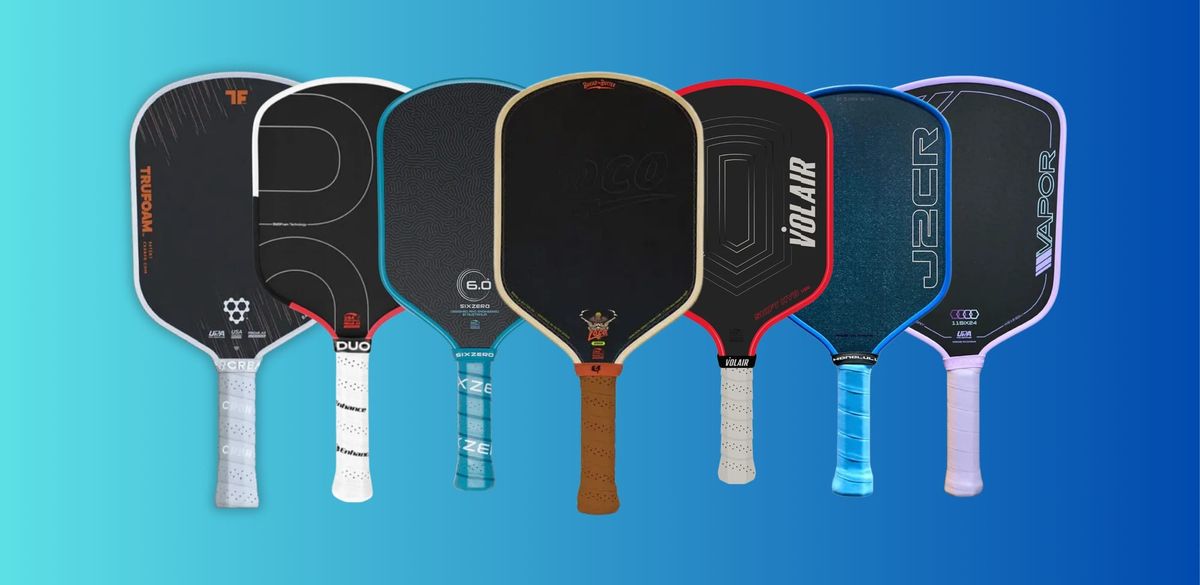
The most overlooked fundamental isn't a stroke—it's footwork. Players rush to position without performing the split step, a small hop that prepares your body for explosive movement in any direction. Without this timing mechanism, you're always a half-second behind the play.
The Fix
Practice the split step during warm-ups. As your opponent prepares to hit, perform a small hop so your feet land just as they make contact. This timing creates the foundation for all subsequent movement.
Mistake #2: Watching the Ball Instead of Reading the Paddle
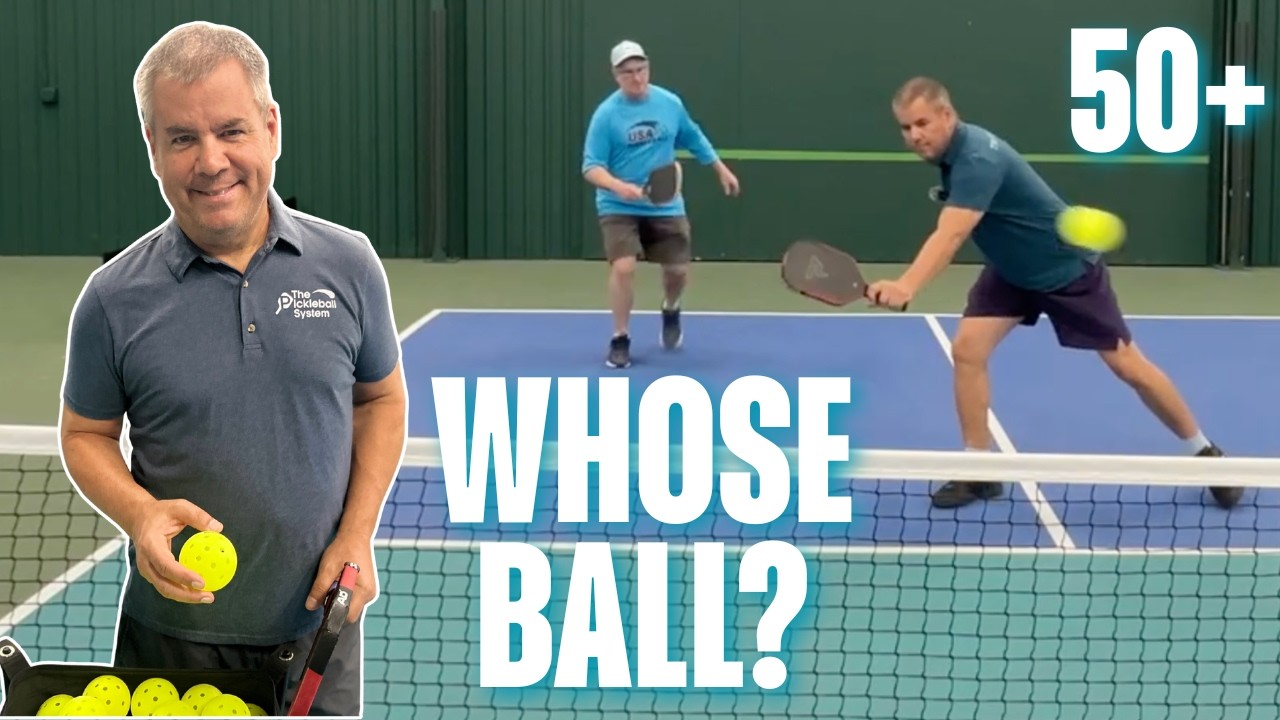
Beginners fixate on the ball's flight path, but advanced players read their opponent's paddle face and body positioning. This anticipatory skill allows them to move earlier and with more precision.
The Fix
During practice, consciously shift your focus to your opponent's paddle angle and grip position. Train your peripheral vision to track the ball while your primary focus stays on the paddle.
Mistake #3: Inconsistent Ready Position
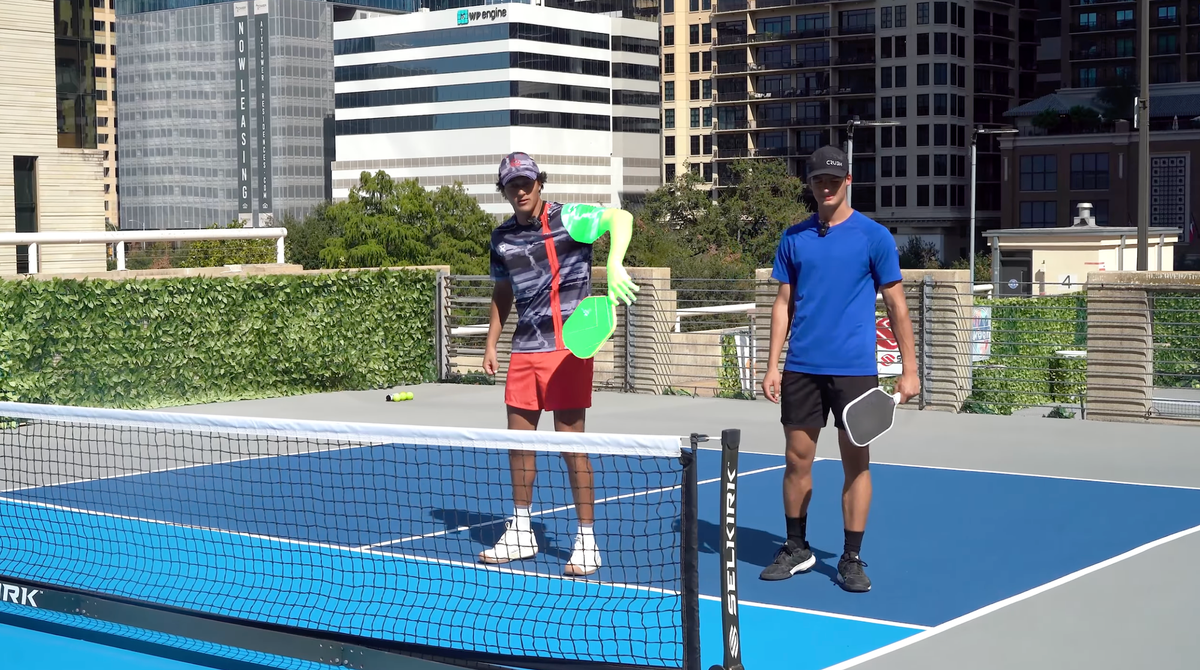
Many players adopt different ready positions throughout the match, leading to inconsistent reaction times. Your ready position should be identical every time you're awaiting a shot.
Mistake #4: Poor Court Coverage Patterns
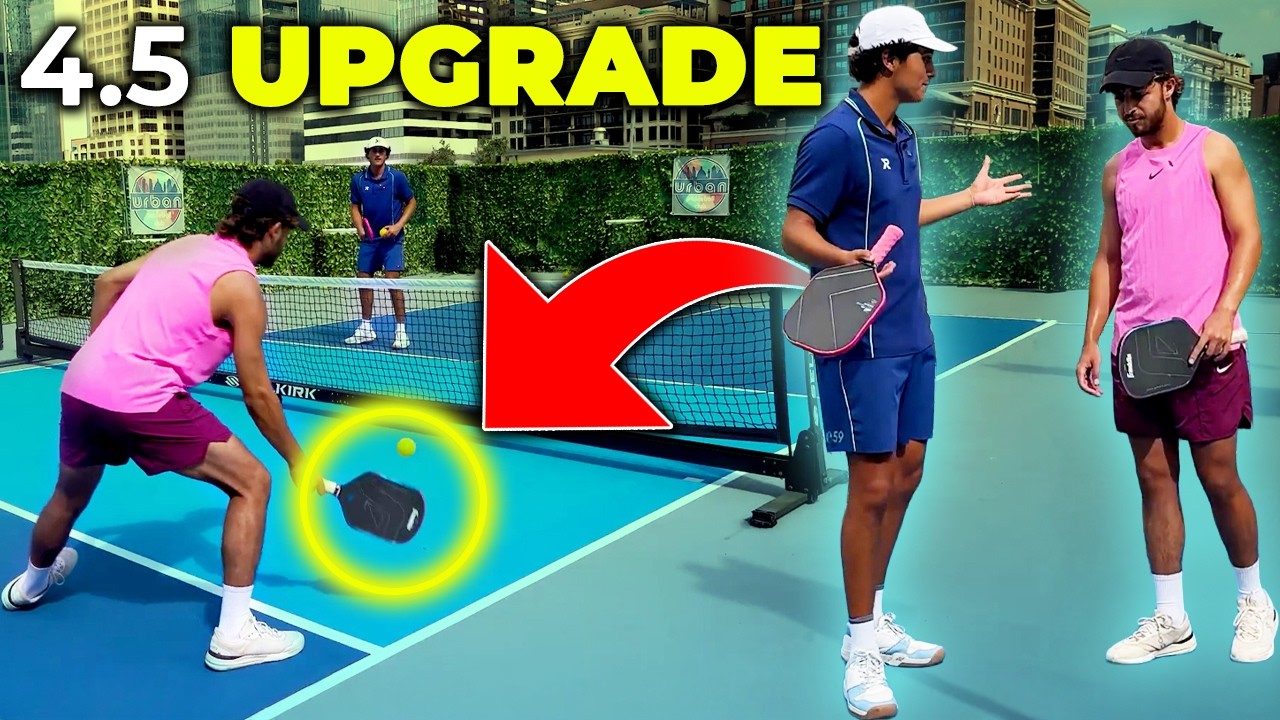
Players often mirror their partner's movements instead of maintaining proper court coverage. This creates gaps that opponents can exploit with well-placed shots.
The Fix
Practice the "seesaw" principle—when your partner moves forward, you shift slightly back. When they move left, you adjust right. Maintain court balance rather than moving in unison.
Mistake #5: Forgetting the Third Shot Strategy
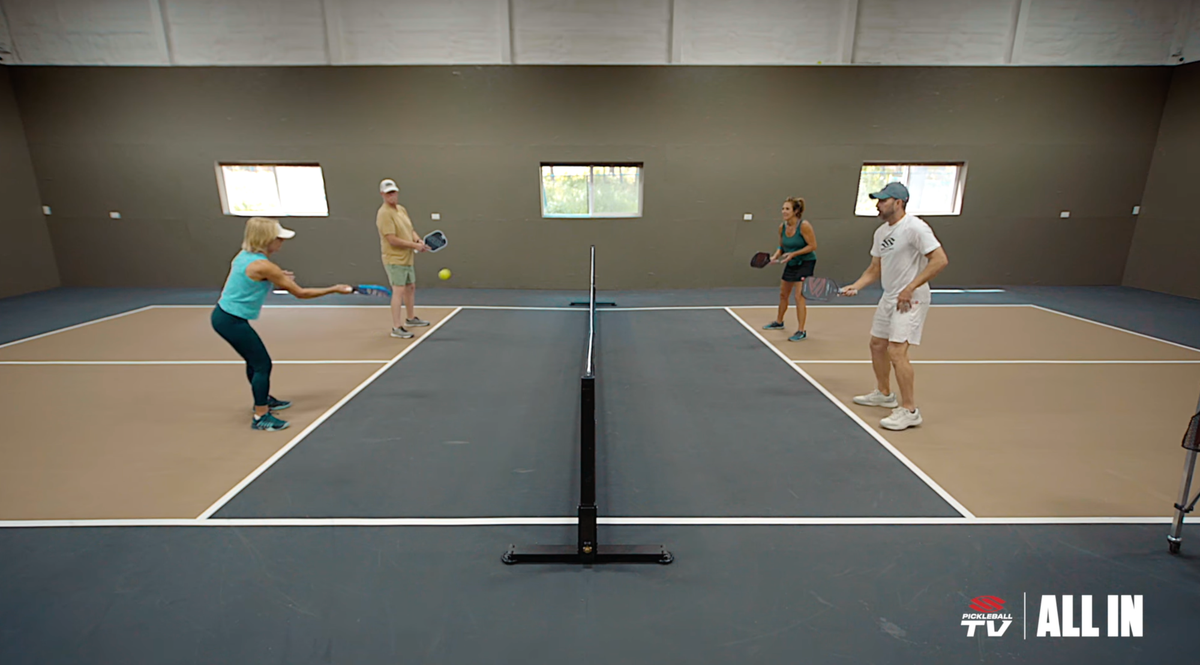
The third shot is crucial for gaining net position, yet many players treat it like any other shot. This missed opportunity allows opponents to maintain their advantage and control the point.
The Fix
Every third shot should have a specific purpose: either a drop shot to neutralize the point or a drive to apply pressure. Never hit a third shot without strategic intent.
Mistake #6: Inadequate Non-Volley Zone Positioning
Players often stand too far from the kitchen line or position themselves incorrectly, limiting their ability to handle volleys and creating unnecessary defensive situations.
The Fix
Stand approximately 12-18 inches behind the non-volley zone line. This distance allows you to handle most volleys while providing space to retreat if needed.
Mistake #7: Mental Game Neglect
The most overlooked aspect of pickleball improvement is mental preparation. Players focus extensively on physical skills while ignoring concentration, emotional control, and strategic thinking.
The Fix
Develop pre-point routines that center your focus. Take deep breaths between points, visualize successful shots, and maintain positive self-talk even after errors.
Breaking the Mistake Cycle
Recognition is the first step toward improvement. Film yourself playing or ask an experienced player to observe your matches. Often, an outside perspective reveals patterns you can't see yourself.
Focus on correcting one mistake at a time. Attempting to fix everything simultaneously leads to confusion and regression. Master each correction before moving to the next.
Frequently Asked Questions
How long does it take to correct these ingrained mistakes?
With focused practice, most players see improvement within 2-3 weeks of consistent correction efforts. However, completely eliminating deeply ingrained habits may take several months of deliberate practice.
Should I work on all seven mistakes simultaneously?
No, focus on one or two mistakes at a time. Prioritize the errors that most significantly impact your game, typically starting with footwork and positioning before moving to strategy and mental aspects.
How can I identify which mistakes I'm making?
Record yourself playing or ask a coach or experienced player to observe your matches. Self-assessment is difficult because these mistakes often feel natural when you're making them.