The pickleball phenomenon has taken the sports world by storm, leaving many tennis players curious about what makes this paddle sport so addictive. While both games share the basic concept of hitting a ball over a net, the similarities end there.
Whether you're a seasoned tennis player considering the switch or simply want to understand the hype, these nine fundamental differences will give you the complete picture of how these racquet sports truly compare.
Court Dimensions: Size Matters More Than You Think
The most obvious difference lies in court size. A pickleball court measures 20x44 feet, making it roughly one-quarter the size of a tennis court (36x78 feet). This compact playing area fundamentally changes the game's pace and strategy.
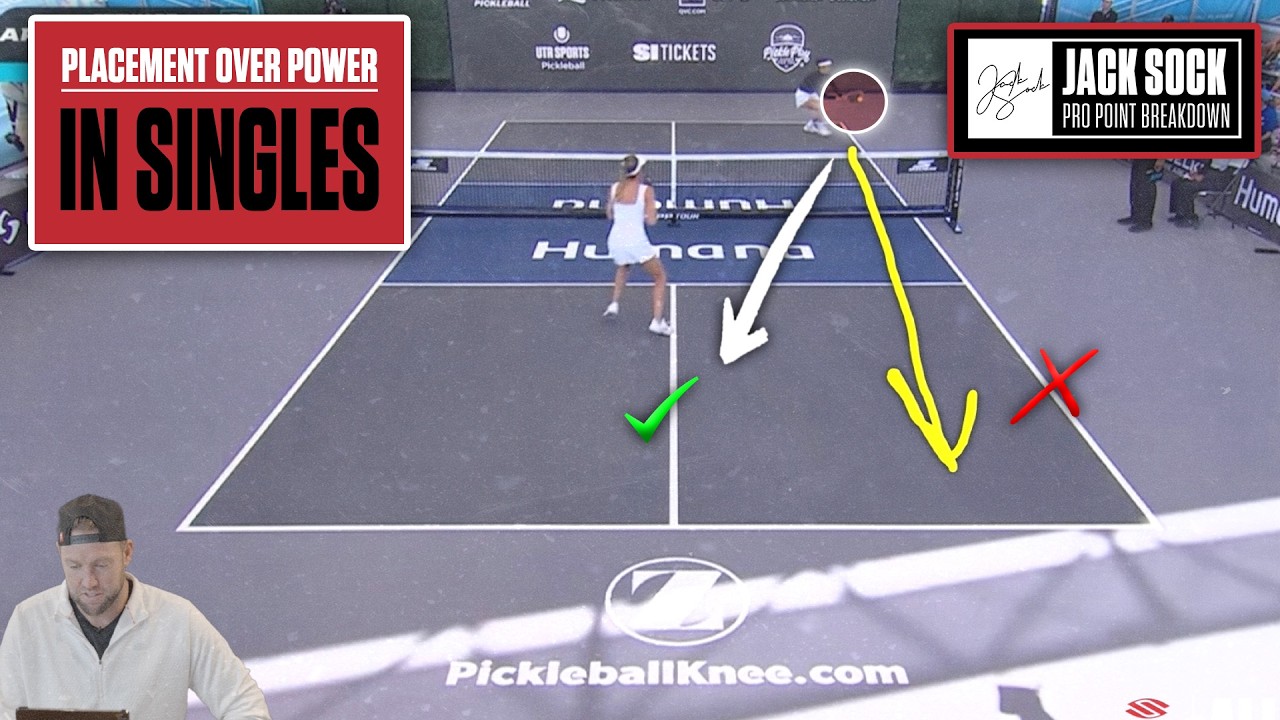
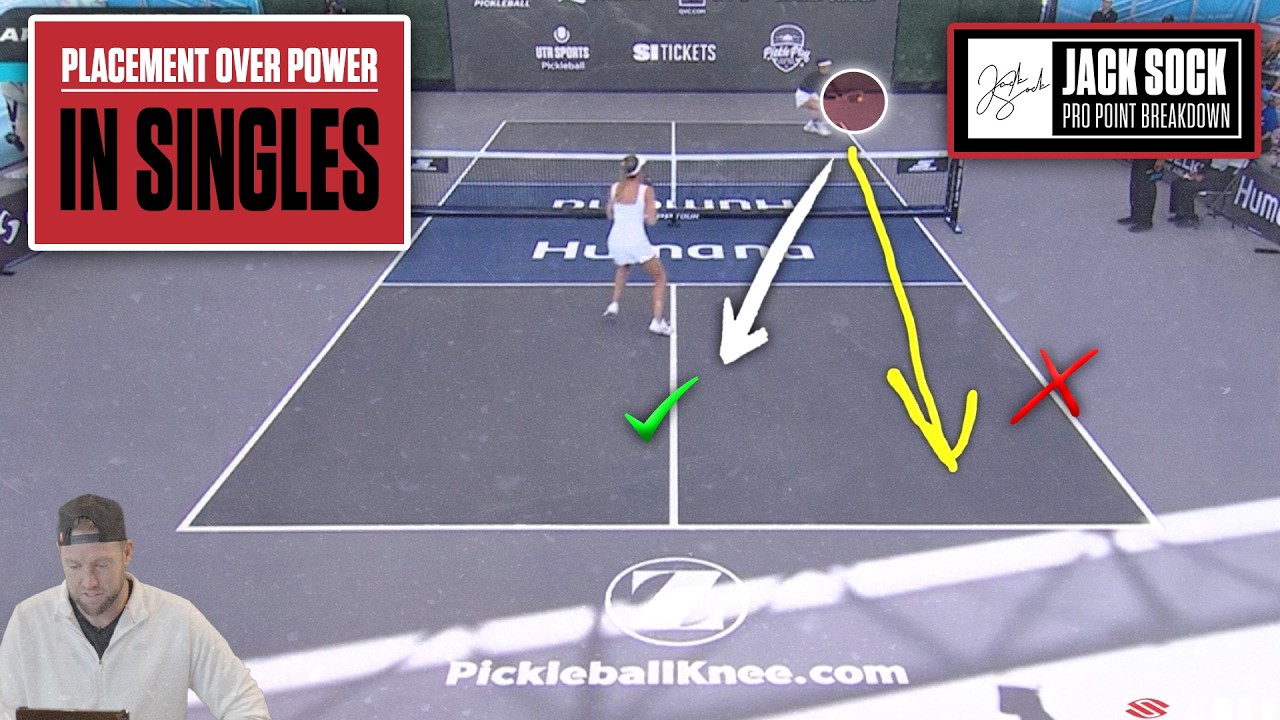
Tennis players often struggle initially with pickleball's tighter confines, where power shots that would be winners in tennis sail out of bounds. The smaller court emphasizes placement, finesse, and quick reflexes over raw power and endurance.
Equipment: Paddles vs Racquets
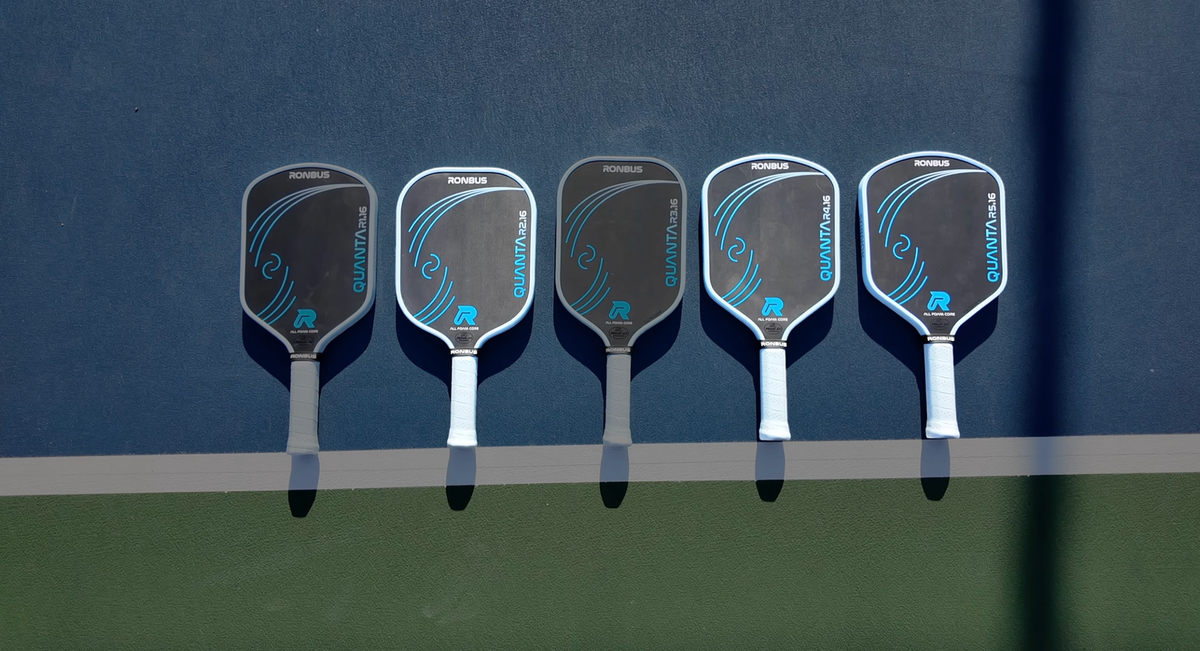
Tennis racquets feature strings and can be up to 29 inches long, while pickleball paddles are solid surfaces measuring no more than 24 inches in total length. The pickleball itself is a perforated plastic ball similar to a wiffle ball, compared to tennis's pressurized rubber ball.
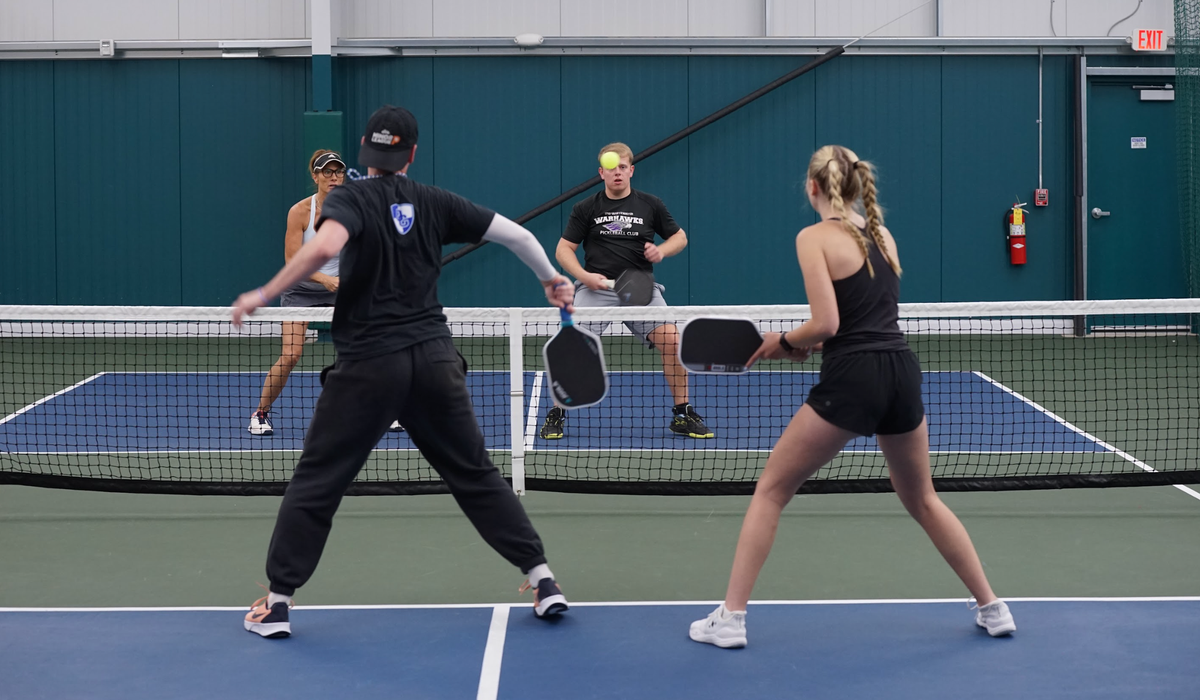
These equipment differences create distinct playing characteristics. The paddle's solid surface provides less spin potential but more control, while the lightweight plastic ball travels slower and bounces lower than a tennis ball.
The No-Volley Zone: Pickleball's Game Changer
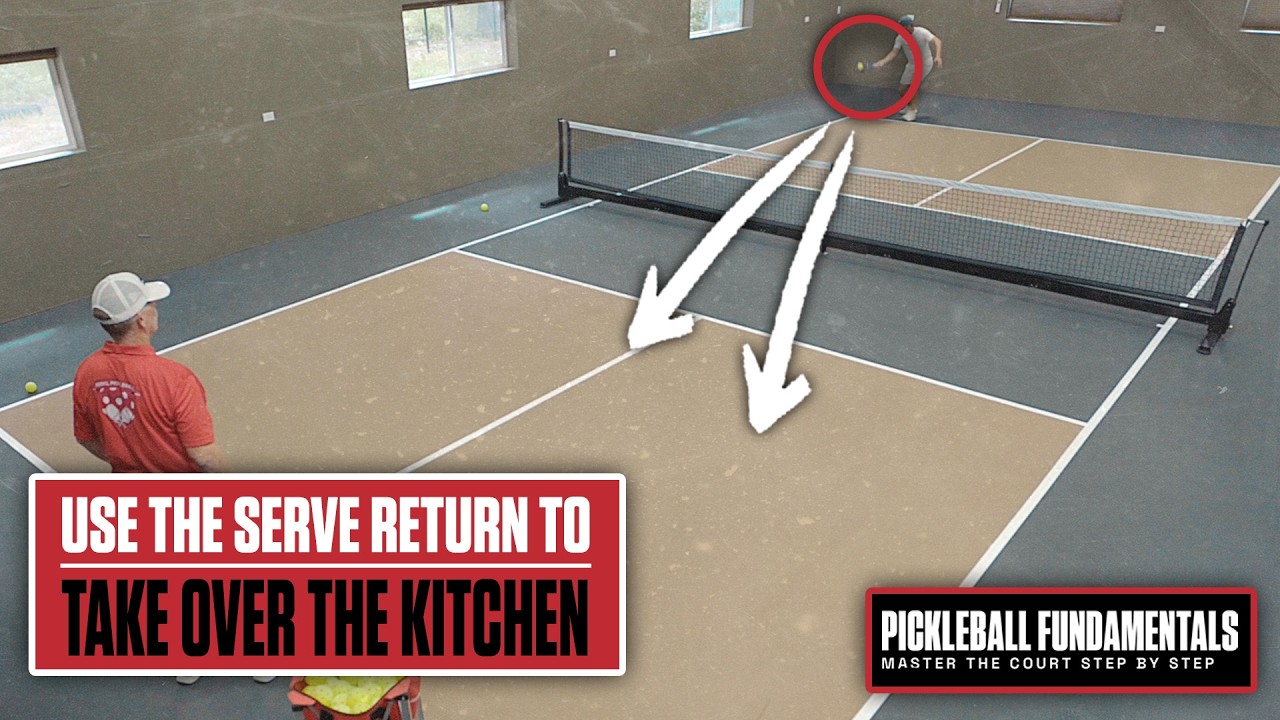
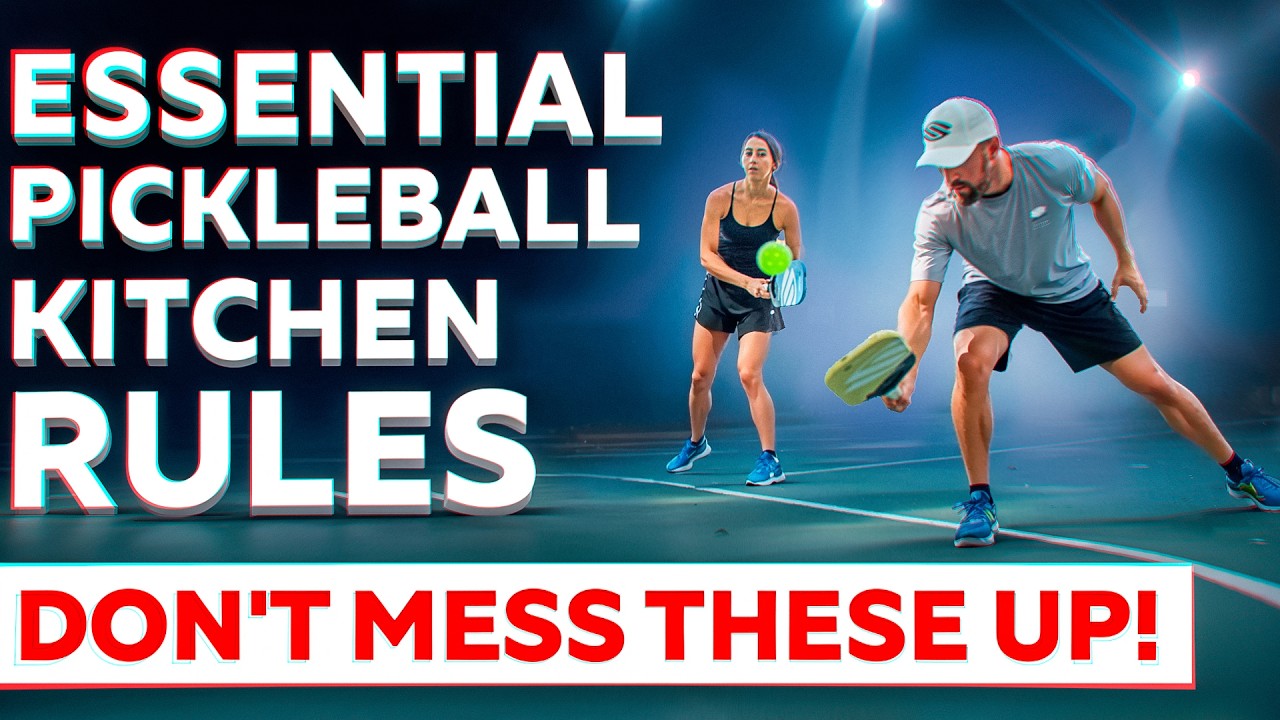
Perhaps the most unique aspect of pickleball is the seven-foot "kitchen" or no-volley zone extending from each side of the net. Players cannot hit the ball in the air while standing in this area, forcing a more strategic approach to net play.
This rule prevents the aggressive net rushing that dominates tennis, creating longer rallies and emphasizing patience over power. Tennis players must completely rewire their instincts about approaching the net.
Serving Mechanics: Underhand Only
While tennis allows powerful overhand serves, pickleball mandates underhand serving with the paddle below the waist at contact. The serve must bounce once on each side before players can volley, creating a gentler start to each point.
This serving style levels the playing field significantly. Unlike tennis, where a powerful serve can dominate, pickleball serves are purely about placement and starting the rally rather than winning points outright.
Scoring Systems: A Complete Overhaul
Tennis uses a complex 15-30-40 point system with deuce situations, while pickleball employs straightforward numerical scoring to 11 points (win by 2). Only the serving team can score points in pickleball, adding a strategic element absent from tennis.
Pickleball's rally scoring system creates different momentum swings. Games tend to be shorter and more frequent, allowing for quick best-of-three or best-of-five match formats.
Physical Demands: Finesse Over Power
Tennis demands explosive movements, powerful strokes, and significant cardiovascular endurance for potentially hour-long matches. Pickleball emphasizes hand-eye coordination, quick reflexes, and strategic thinking over brute strength.
The lower-impact nature of pickleball makes it accessible to a broader age range and fitness level, while still providing competitive intensity for serious athletes.
Strategic Gameplay Differences
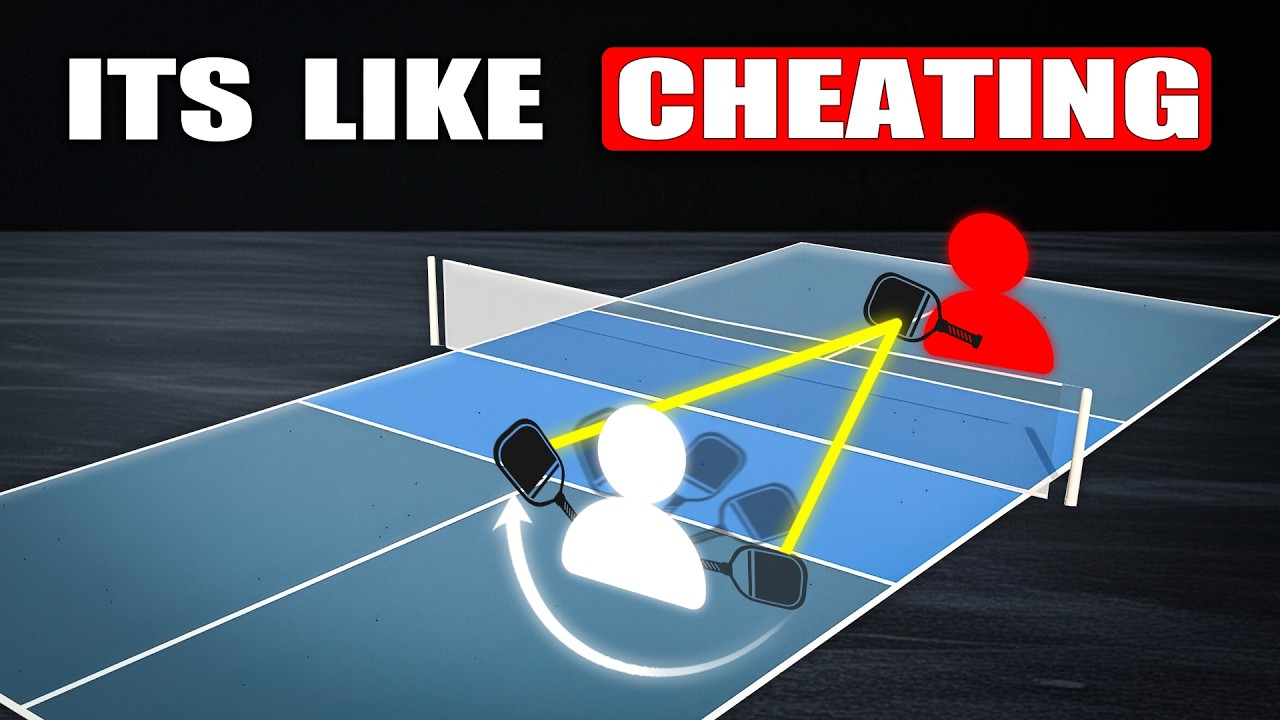
Tennis strategy revolves around court positioning, powerful groundstrokes, and aggressive net play. Pickleball strategy centers on patience, placement, and the famous "dinking" game near the net.
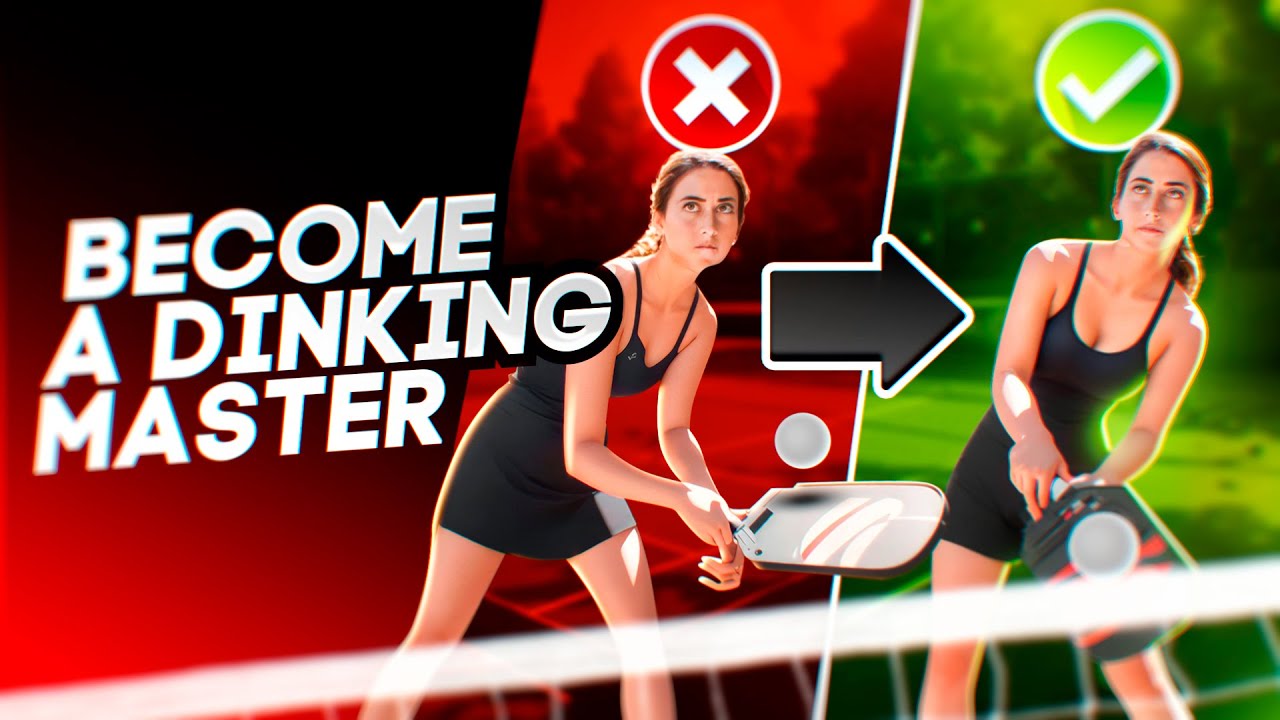
The third-shot drop—a soft shot designed to neutralize the serving team's disadvantage—exemplifies pickleball's emphasis on finesse over power. Tennis players must learn to value consistency and placement over winners.
Learning Curve and Accessibility
While tennis can take years to develop competent strokes and strategy, pickleball allows beginners to enjoy competitive games within hours of first picking up a paddle. The underhand serve, smaller court, and slower ball create a more forgiving learning environment.
However, don't mistake accessibility for simplicity. Advanced pickleball requires exceptional touch, strategic thinking, and athletic ability.
Frequently Asked Questions
Can tennis skills transfer to pickleball?
Yes, but with caveats. Tennis players often excel at ball tracking and court awareness but must adjust their power game and net approach. The biggest challenge is adapting to the no-volley zone and developing soft touch shots.
Which sport is more physically demanding?
Tennis typically requires greater cardiovascular endurance and explosive power, while pickleball emphasizes quick reflexes and sustained concentration. Both offer excellent workouts but stress different physical systems.
Is pickleball easier than tennis for beginners?
Generally yes. The underhand serve, smaller court, and slower ball make pickleball more accessible for new players. However, both sports require dedication to master at competitive levels.