Building a dependable forehand drive is crucial for any pickleball player looking to elevate their game. This fundamental shot combines precise mechanics with strategic power generation to create consistent, effective drives that can change the pace of any point.
Foundation: The Athletic Setup
Your forehand drive begins before the ball even crosses the net. Establish a strong athletic base with feet shoulder-width apart and knees slightly flexed. Keep your paddle positioned at chest level, ready to react quickly to incoming shots.
Weight distribution should favor the balls of your feet, allowing for quick lateral movement. Your non-paddle hand should remain active, helping with balance and court awareness throughout the stroke preparation.
The Power Generation Sequence
Early Preparation and Rotation
As soon as you identify a forehand opportunity, begin your shoulder and hip rotation. This early preparation is what separates recreational players from advanced competitors. Turn your body so your non-paddle shoulder points toward the net, creating the coiled position that generates effortless power.
Avoid the common mistake of taking an excessive backswing. Instead, focus on a compact, controlled preparation that keeps the paddle head stable and ready for contact.
The Contact Zone
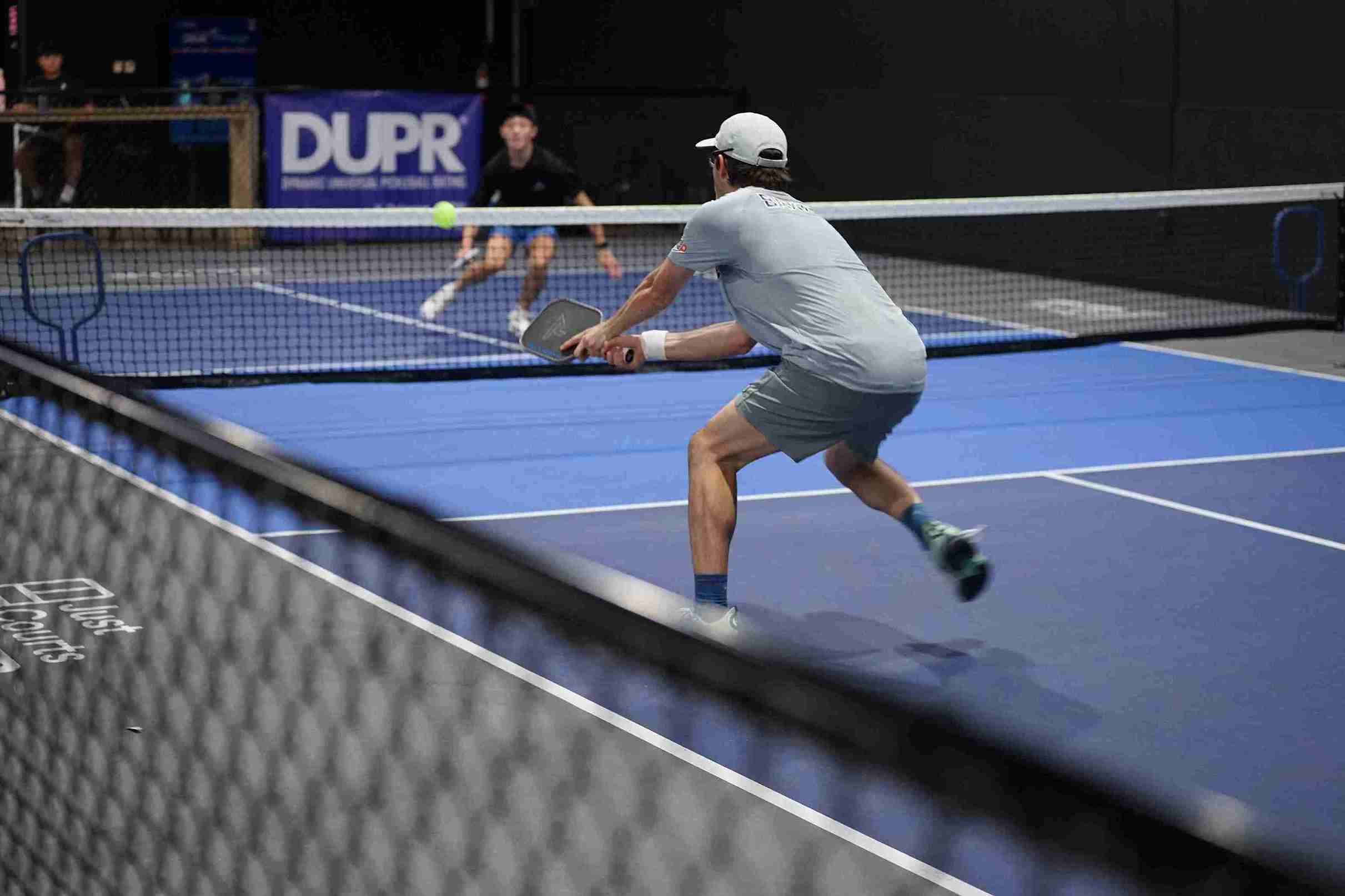
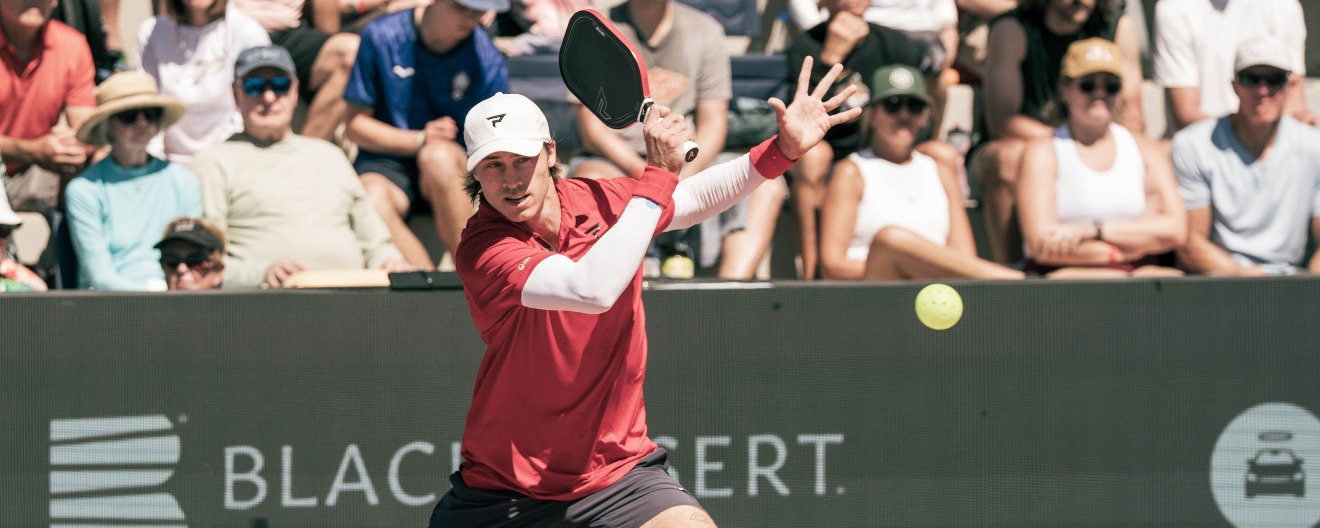
Make contact with the ball slightly ahead of your front foot, approximately at waist height. This forward contact point is critical for transferring energy efficiently through the ball while maintaining control over shot direction.
Your paddle face should be perpendicular to the court at contact, with a slight forward angle to drive the ball with topspin. This contact position allows you to hit through the ball rather than simply pushing it.
Timing and Acceleration Patterns
The most reliable forehand drives feature smooth acceleration rather than explosive swings. Begin your forward motion slowly, gradually increasing speed as you approach the contact zone. This controlled acceleration improves timing consistency and reduces unforced errors.
Your follow-through should extend toward your target, finishing with the paddle head pointing in the direction you want the ball to travel. This complete follow-through ensures maximum energy transfer and shot accuracy.
Common Technical Errors to Avoid
Overswinging and Loss of Control
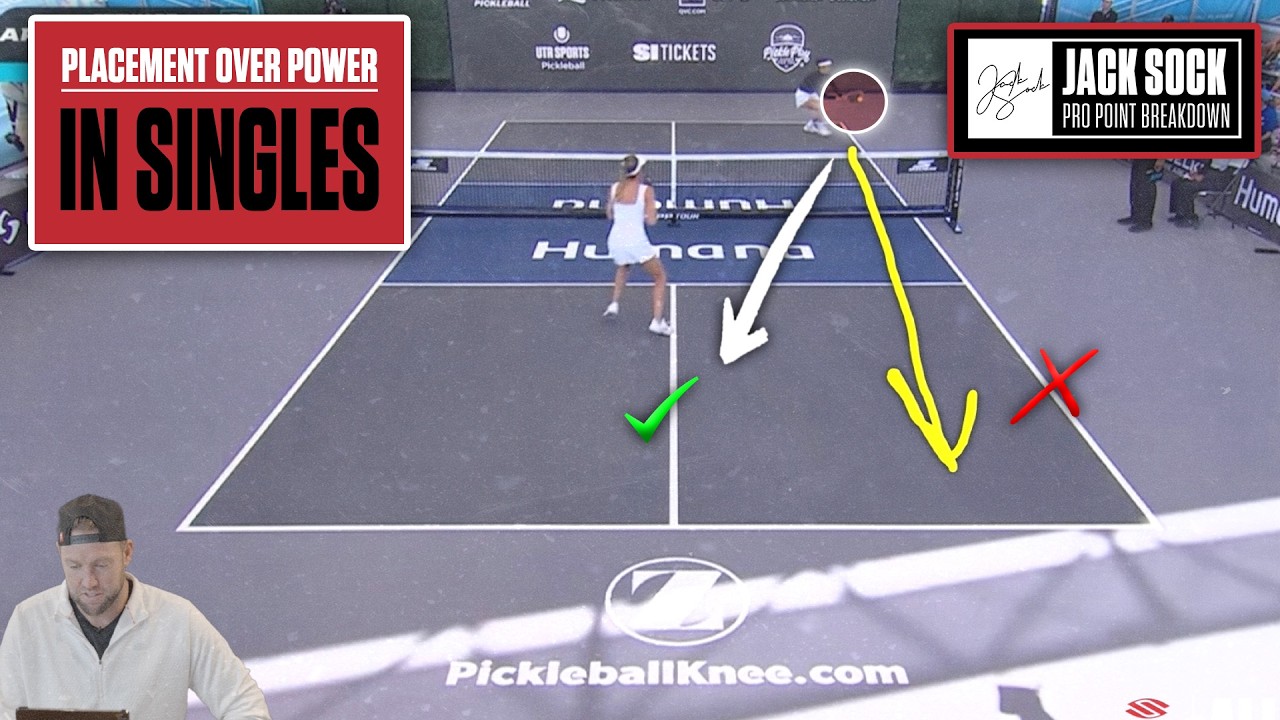
Many players attempt to generate power through arm speed alone, resulting in inconsistent contact and poor shot placement. Remember that pickleball courts are smaller than tennis courts – controlled placement often trumps raw power.
Poor Footwork and Balance
Rushing through your setup or failing to establish proper balance before contact leads to mishit drives. Take the extra split second to position yourself correctly, even during fast exchanges.
Practice Drills for Improvement
Develop your forehand drive through repetition and progressive difficulty. Start with stationary feeding drills, focusing purely on mechanics and contact consistency. Gradually add movement patterns and varying ball speeds to simulate match conditions.
Practice hitting drives to specific court zones, emphasizing accuracy over power initially. As your consistency improves, gradually increase swing speed while maintaining your technical foundation.
Strategic Application in Match Play
The forehand drive serves multiple tactical purposes beyond simply hitting winners. Use drives to push opponents back from the net, create opportunities for approach shots, or change the rhythm during baseline rallies.
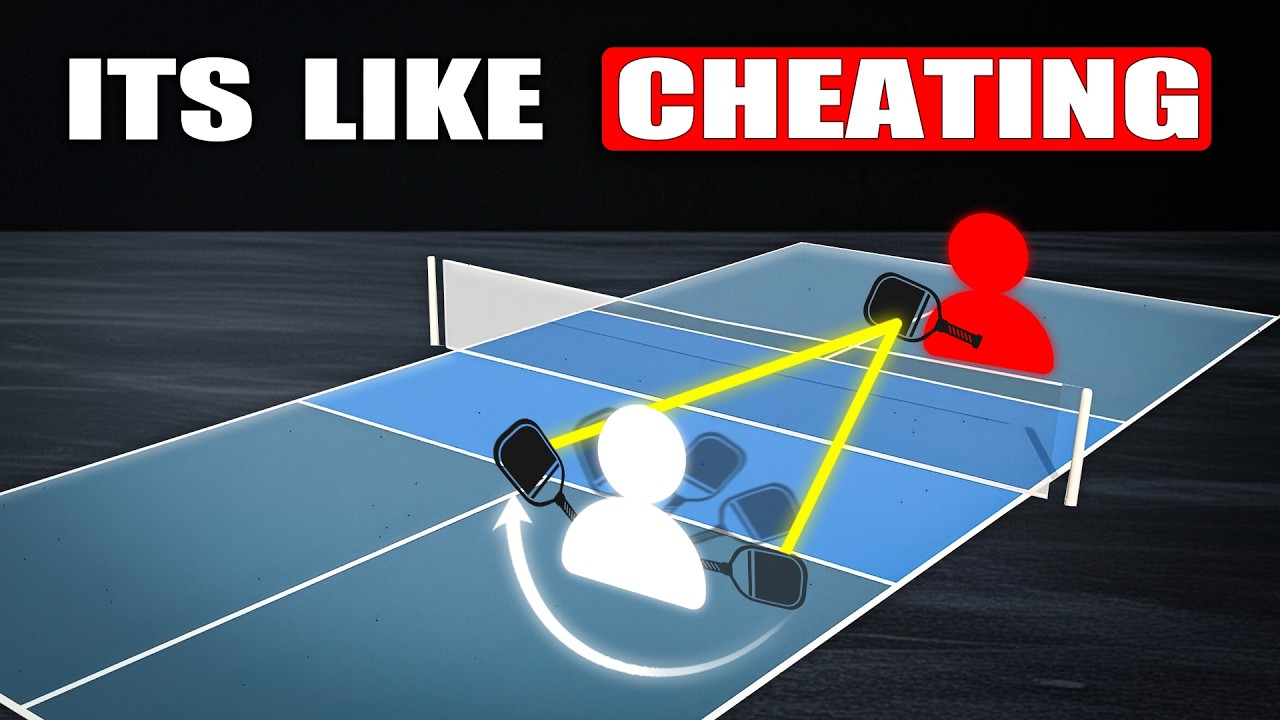
Vary your drive placement between crosscourt and down-the-line shots to keep opponents guessing. The crosscourt drive offers more margin for error due to the longer court diagonal, while down-the-line drives can catch opponents moving in the wrong direction.
Frequently Asked Questions
Should I always try to hit forehand drives with maximum power?
No, consistency and placement are more important than pure power in pickleball. Focus on hitting controlled drives at about 70-80% of your maximum swing speed. This approach reduces errors while still generating enough pace to be effective.
How can I improve my forehand drive consistency during matches?
Emphasize your preparation routine and early recognition. The more time you give yourself to set up properly, the more consistent your drives will become. Practice reading your opponent's shots earlier to improve your preparation time.
When should I choose a drive over other shot options?
Use forehand drives when you have time to set up properly and when the ball bounces at a comfortable height around your waist. Avoid driving balls that are very low or high, as these positions make it difficult to maintain proper mechanics and control.